Custom Menswear Manufacturing / OEM & ODM / Worldwide Delivery
CUSTOM T-SHIRT MANUFACTURING
Custom T-Shirt Manufacturer for Streetwear & Private Label Brands
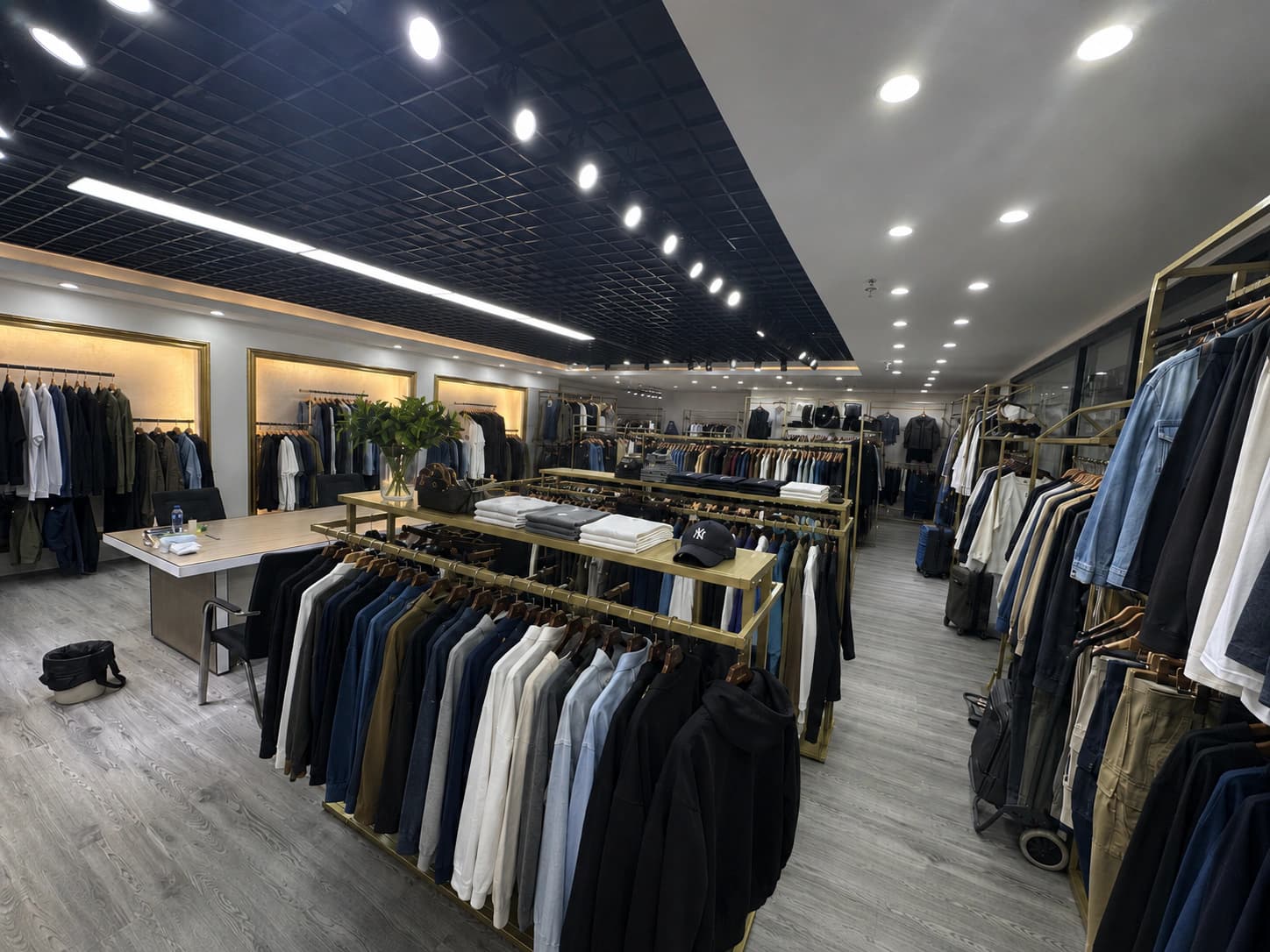
As a custom T-shirt manufacturer for streetwear and private-label brands, KAOUYOU develops garments from reference images, physical samples, sketches or tech packs. We coordinate fit development, fabric sourcing, construction, decoration, wash effects, private-label finishing and bulk production through one accountable workflow.
STYLE & SILHOUETTE LIBRARY
Choose the silhouette that defines your T-shirt.
Each direction represents a starting point. Fit, fabric, weight, construction and decoration are adjusted to your brand’s requirements — not selected from a fixed catalogue.
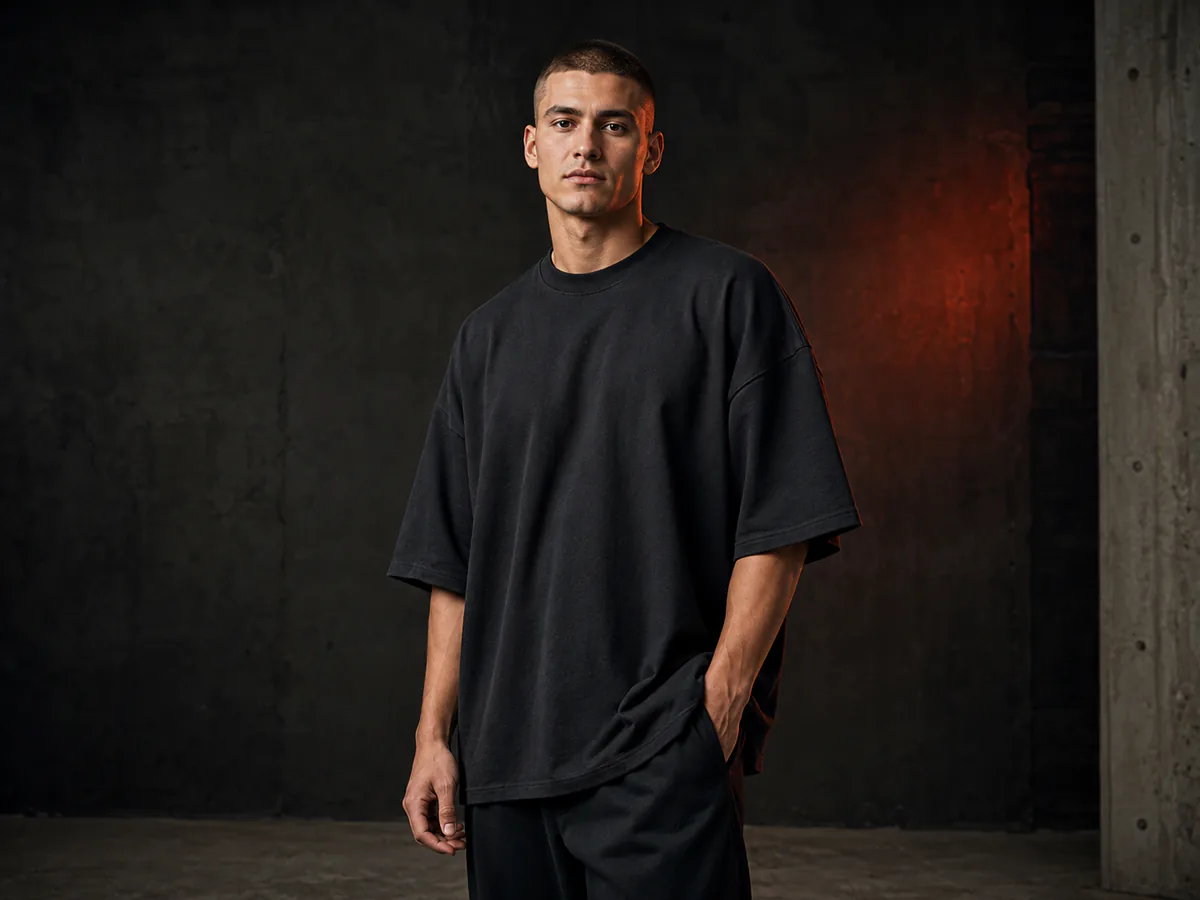
Oversized / Drop Shoulder
Shape: Extended chest width, dropped shoulder and relaxed sleeve volume.
Recommended Fabric: Heavyweight cotton jersey or structured interlock.
Typical Direction: 220–300 GSM, subject to project sourcing.
Best For: Streetwear, graphic tees and premium basics.
Recommended Techniques: Screen print, puff print, embroidery and garment wash.
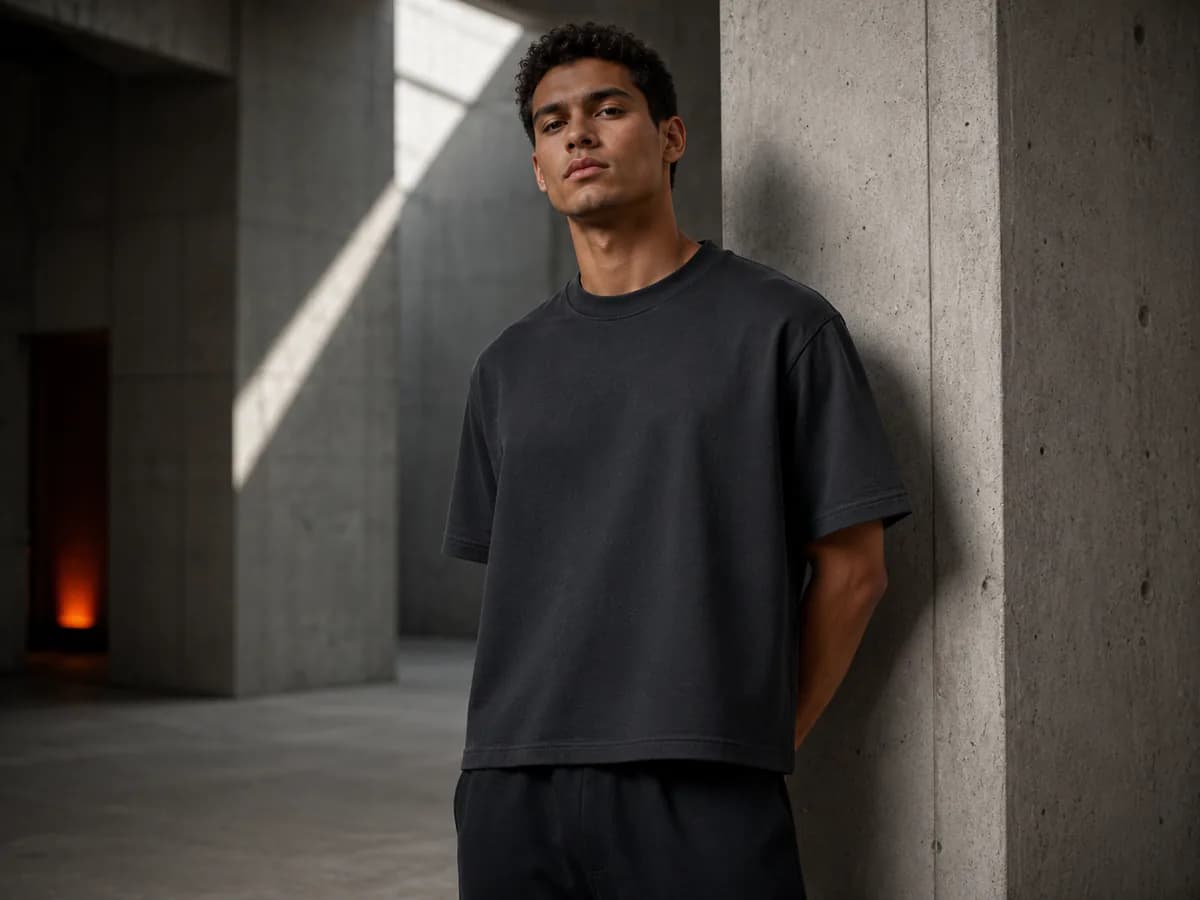
Heavyweight Boxy Fit
Shape: Wider body panel, compact body length and a structured block.
Recommended Fabric: Heavyweight compact jersey, structured hand feel.
Typical Direction: 240–320 GSM, subject to project sourcing.
Best For: Premium basics and architectural streetwear lines.
Recommended Techniques: Chest / back placement, tonal embroidery, woven labels.
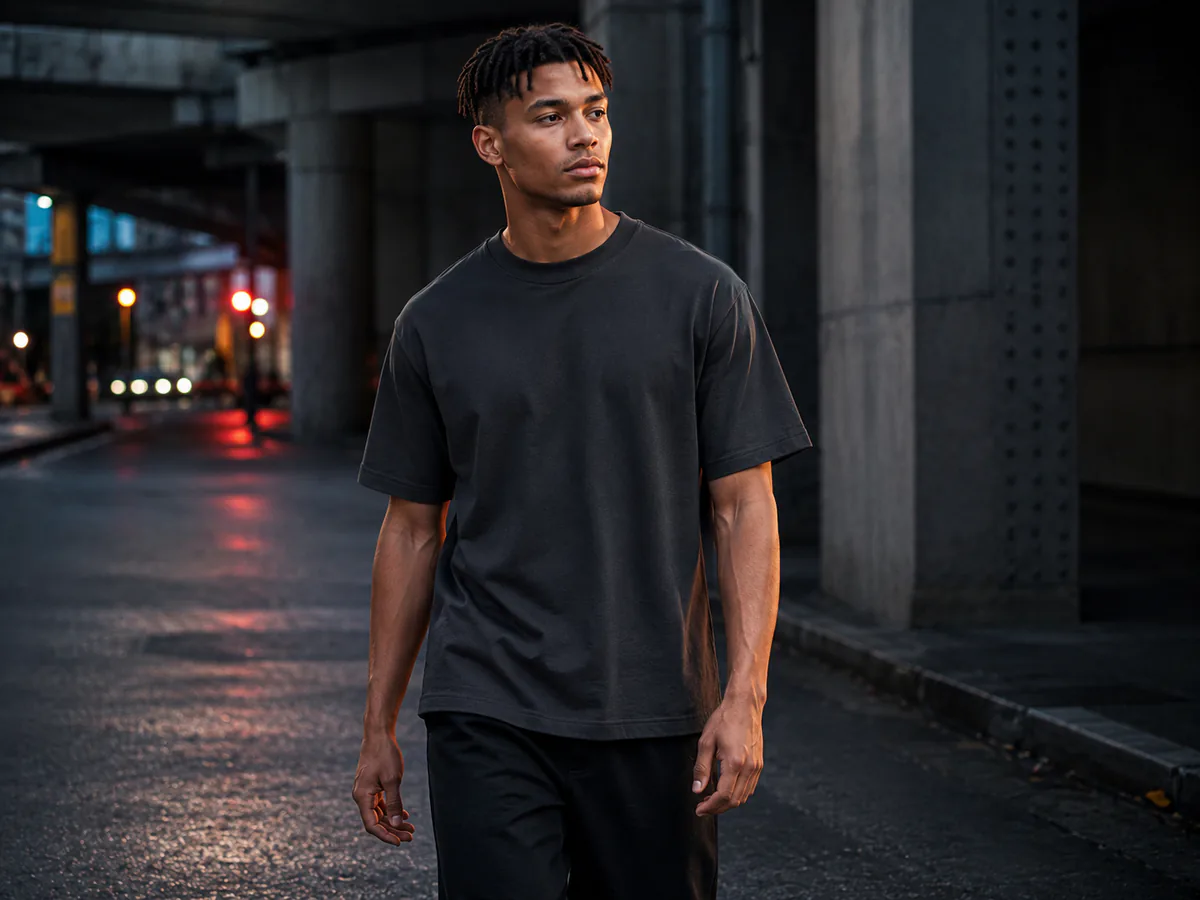
Relaxed Street Fit
Shape: Relaxed from a commercial base, balanced for in-line collections.
Recommended Fabric: Midweight jersey, balanced drape and stability.
Typical Direction: 180–240 GSM, subject to project sourcing.
Best For: Repeat orders, multi-season programs and commercial ranges.
Recommended Techniques: Cross-chest / back graphics, neck labels, branded packaging.
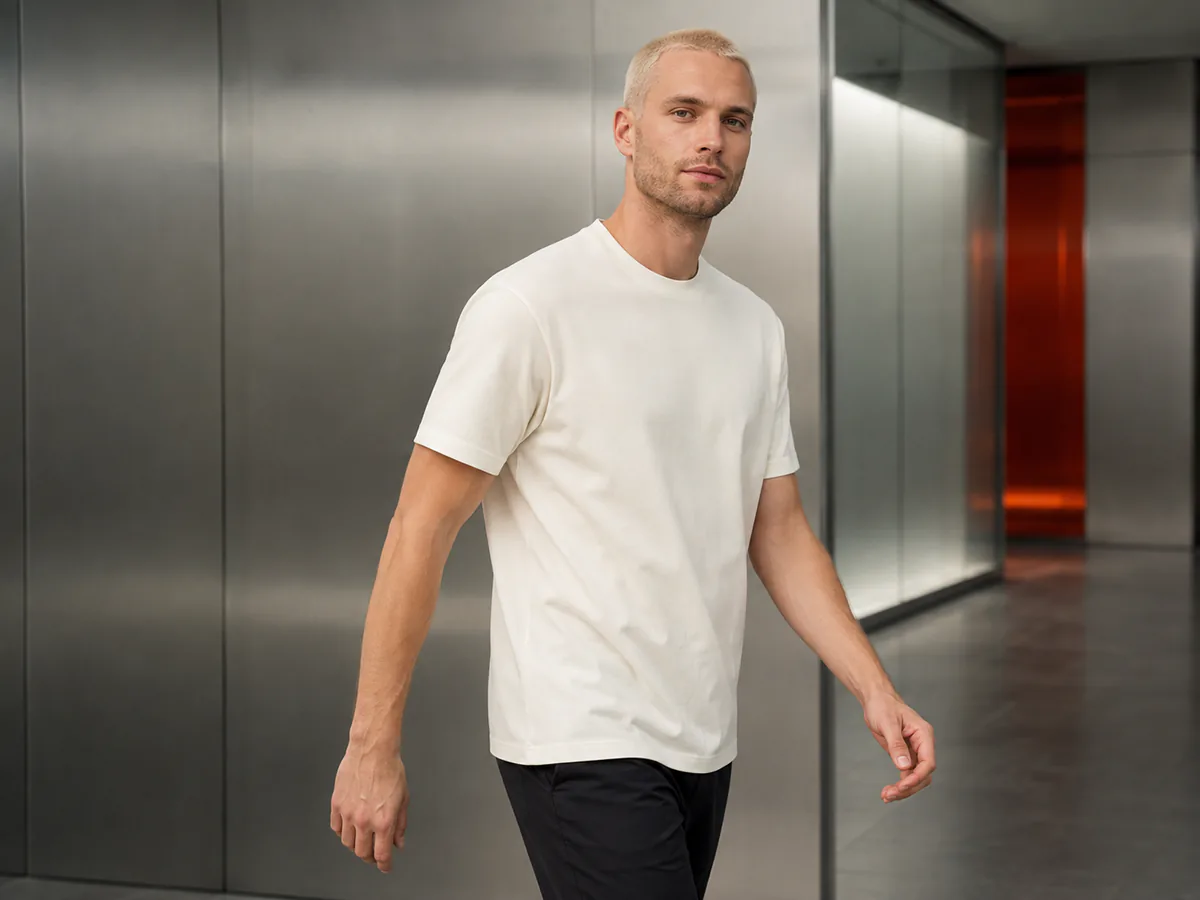
Regular Commercial Fit
Shape: Standard-proportion block for consistent multi-size programs.
Recommended Fabric: Combed cotton or cotton-poly jersey, smooth surface.
Typical Direction: 160–200 GSM, subject to project sourcing.
Best For: Uniform programs, promotional merchandise and retail basics.
Recommended Techniques: Screen print, DTG, embroidered chest mark, woven labels.
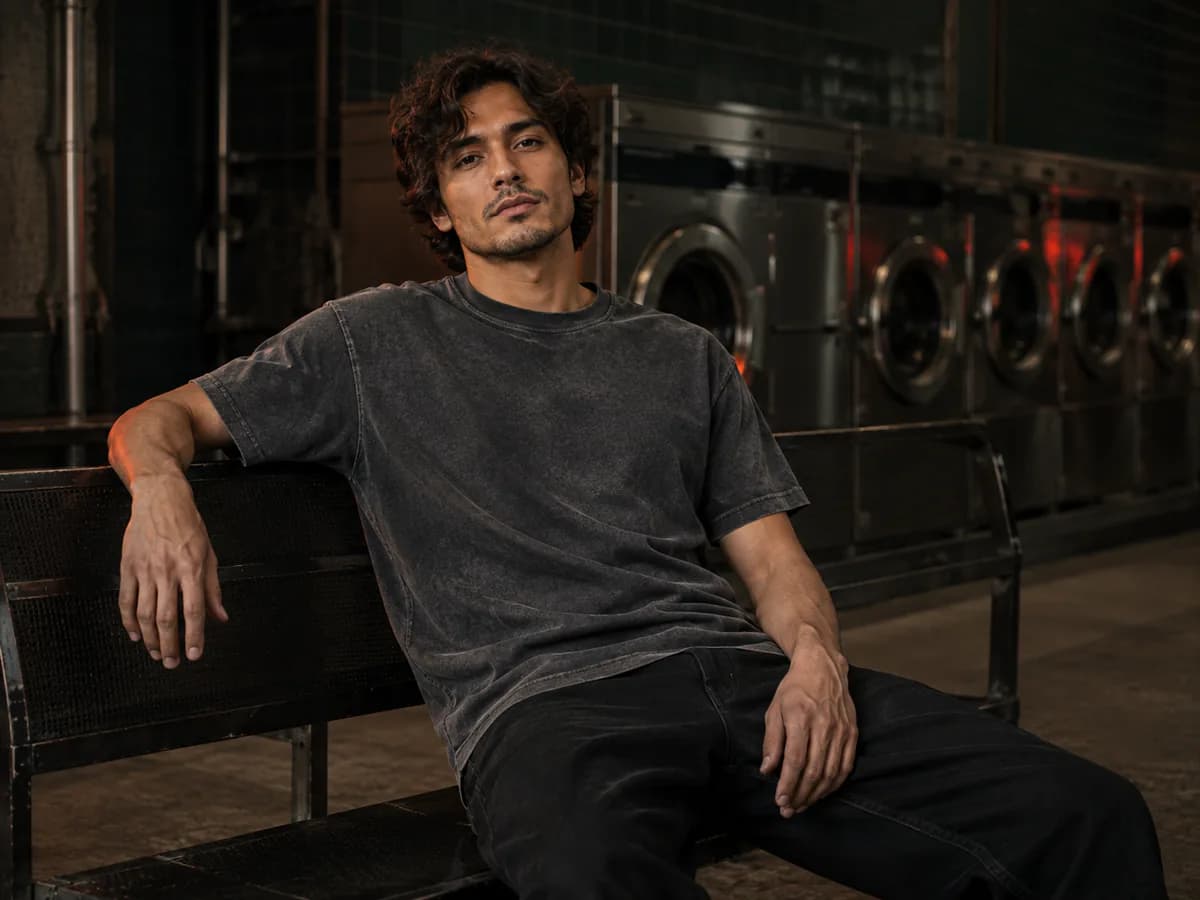
Vintage Washed Tee
Shape: Developed through fit, fabric and wash — not one single process.
Recommended Fabric: Open-end or slub cotton jersey, reactive to wash processes.
Typical Direction: 180–240 GSM, subject to project sourcing.
Best For: Vintage-inspired, washed and lived-in collections.
Recommended Techniques: Garment wash, pigment dye, faded effects, distressed finishes.
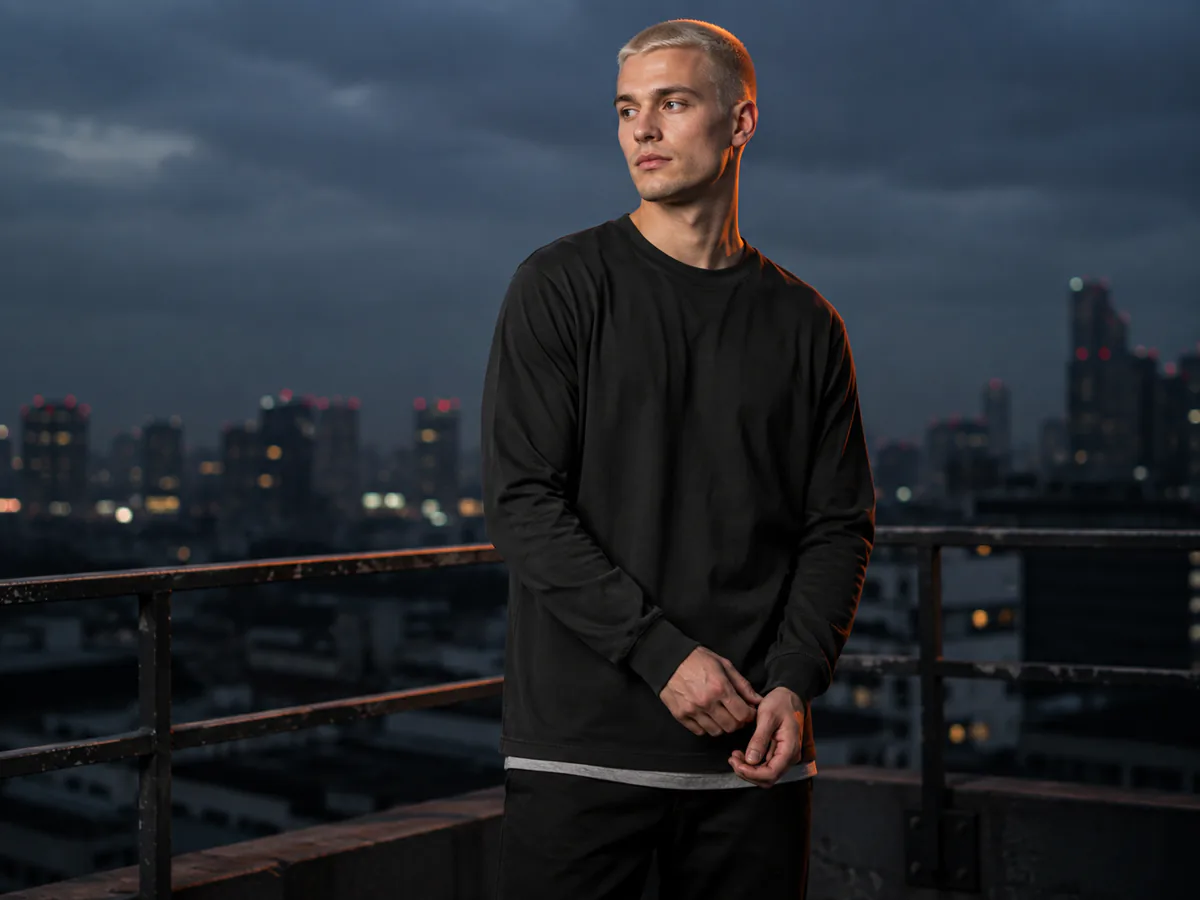
Long Sleeve / Layering Tee
Shape: Extended sleeves, suitable for autumn–winter and layering.
Recommended Fabric: Mid–heavyweight jersey, suitable for cooler-weather use.
Typical Direction: 200–280 GSM, subject to project sourcing.
Best For: Seasonal collections, layering pieces and coordinated ranges.
Recommended Techniques: Sleeve prints, all-over graphics, rib cuff details, woven labels.
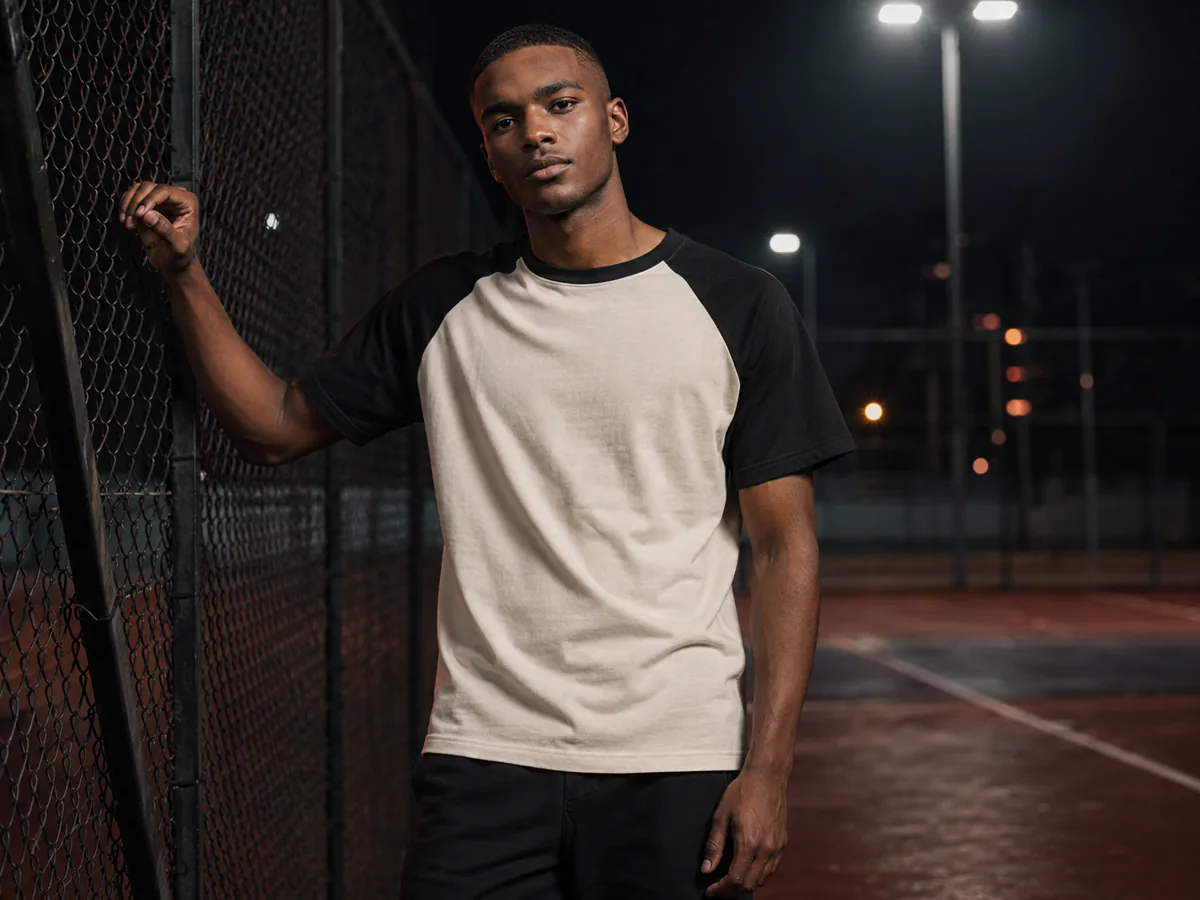
Raglan / Contrast Sleeve Tee
Shape: Raglan sleeve construction with baseball-style seam lines.
Recommended Fabric: Body and sleeve fabrics can differ for contrast effects.
Typical Direction: 180–260 GSM, subject to project sourcing.
Best For: Sportswear, contrast-sleeve designs and heritage styles.
Recommended Techniques: Panel printing, contrast embroidery, sleeve-specific graphics.
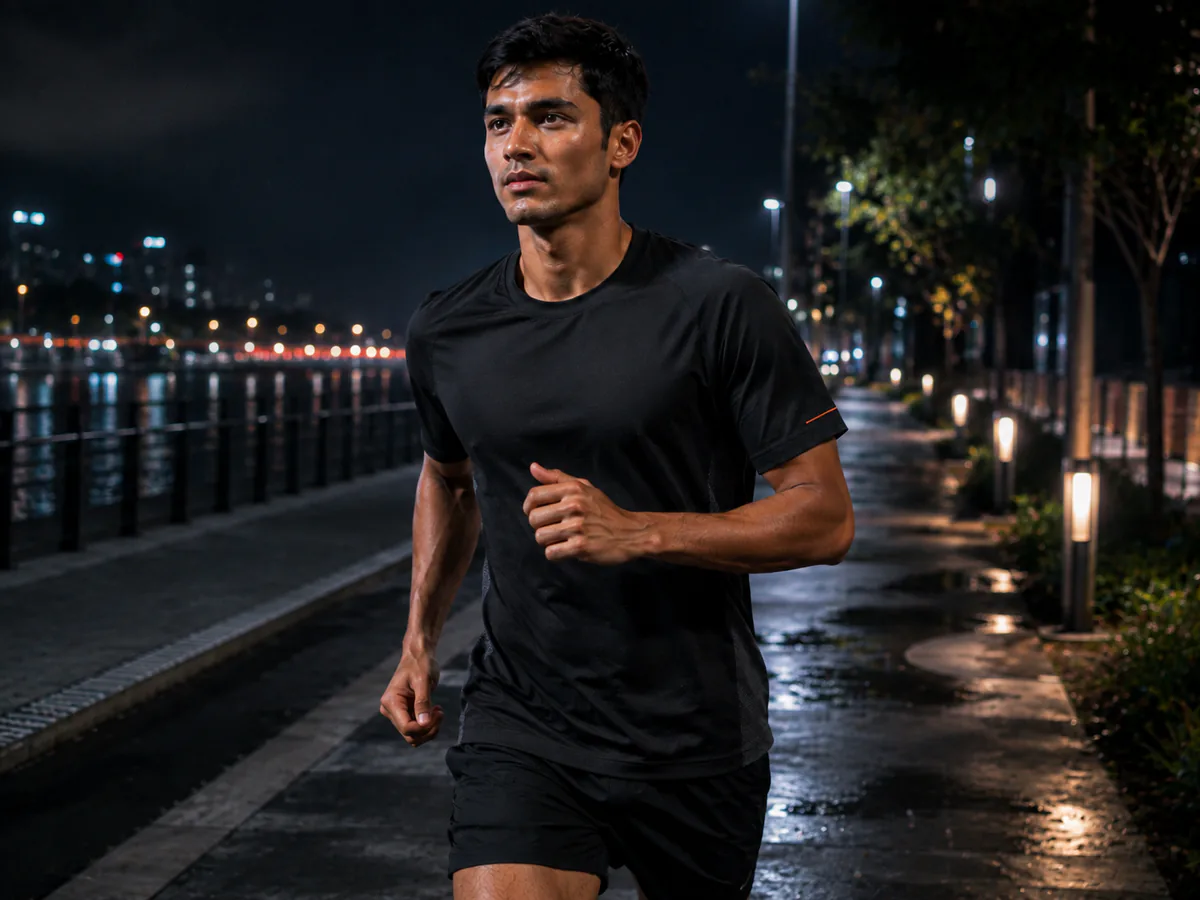
Performance / Functional Tee
Shape: Active fit with technical fabric and functional details.
Recommended Fabric: Polyester performance jersey or moisture-wicking blend.
Typical Direction: 120–180 GSM, subject to project sourcing.
Best For: Activewear, training tees and functional streetwear.
Recommended Techniques: Sublimation, heat transfer, reflective details, tonal branding.
LOOKING FOR ANOTHER SILHOUETTE OR PRODUCT DIRECTION?
These options represent commonly requested development directions rather than a fixed catalogue. Share your reference, and we will review the most practical route for your project.
DISCUSS YOUR REQUIREMENTFABRIC FINDER
Choose the fabric by the result you want.
FABRIC OPTIONS
TEN FABRIC DIRECTIONS FOR T-SHIRT DEVELOPMENT.
Each fabric direction is matched to your silhouette, hand feel, decoration plan and order requirements. Specific composition, weight, colour and quantity are confirmed through project-based sourcing.
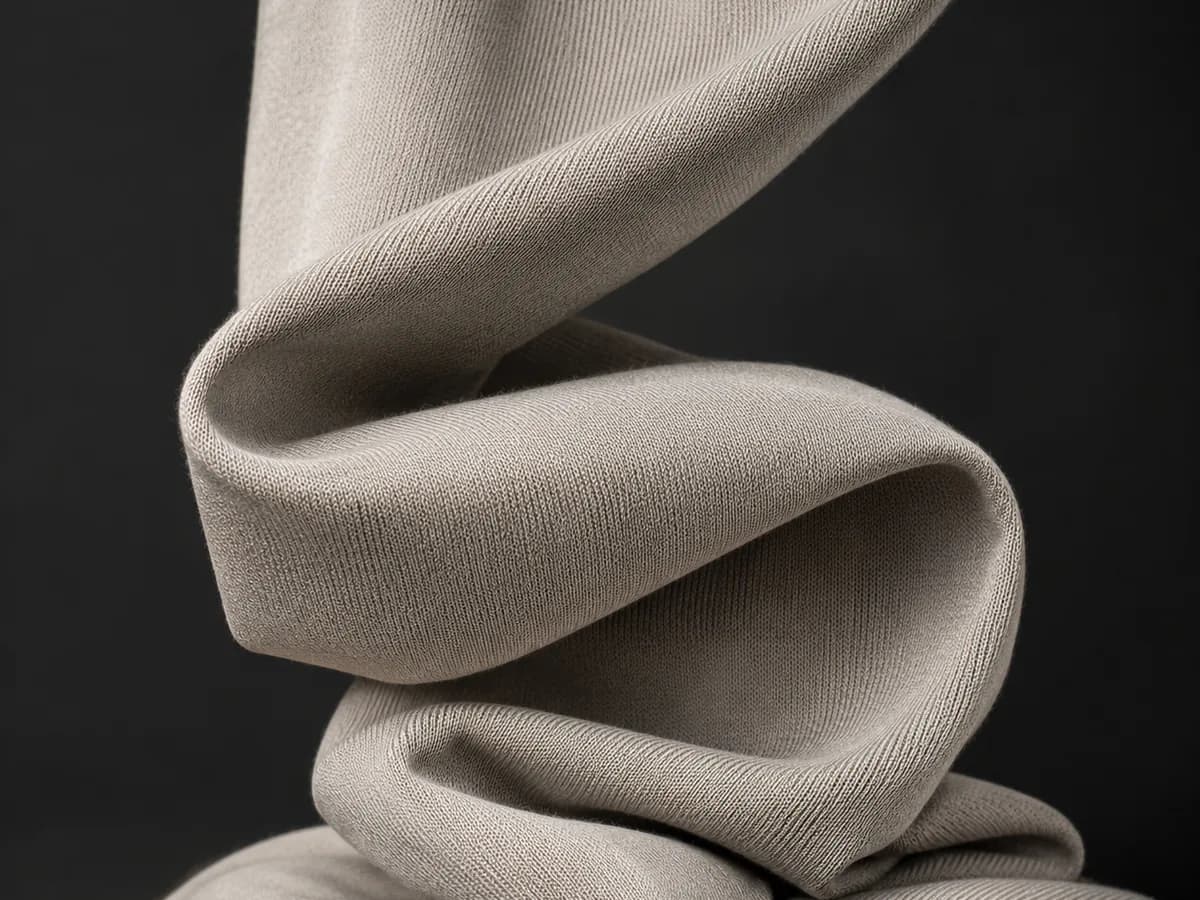
Combed Cotton Jersey
Feel: Smooth, clean surface with reliable print performance.
Best For: Regular fit, commercial and graphic T-shirt programs.
Weight Direction: 160–200 GSM project range.
Works With: Screen printing, DTG, embroidery and standard wash.
Wash: Compatible with standard and garment-dye processes.
Confirm: Composition, colour, shrinkage, wash result and quantity.
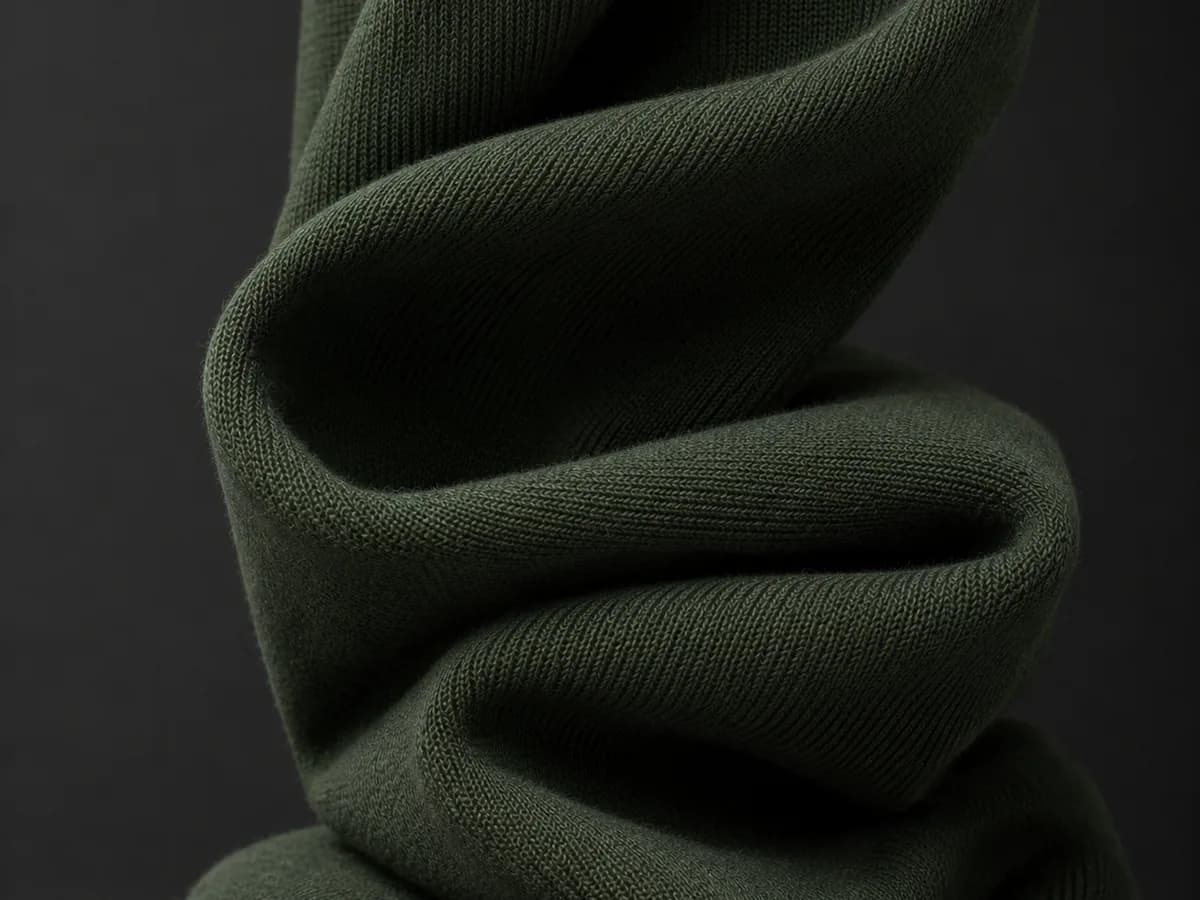
Heavyweight Cotton Jersey
Feel: Dense, structured hand feel with less drape.
Best For: Oversized, boxy and premium streetwear silhouettes.
Weight Direction: 220–300+ GSM project range.
Works With: Screen print, puff, embroidery, garment wash.
Wash: Holds structure well through wash; confirm shrinkage.
Confirm: Composition, colour, shrinkage, wash result and quantity.
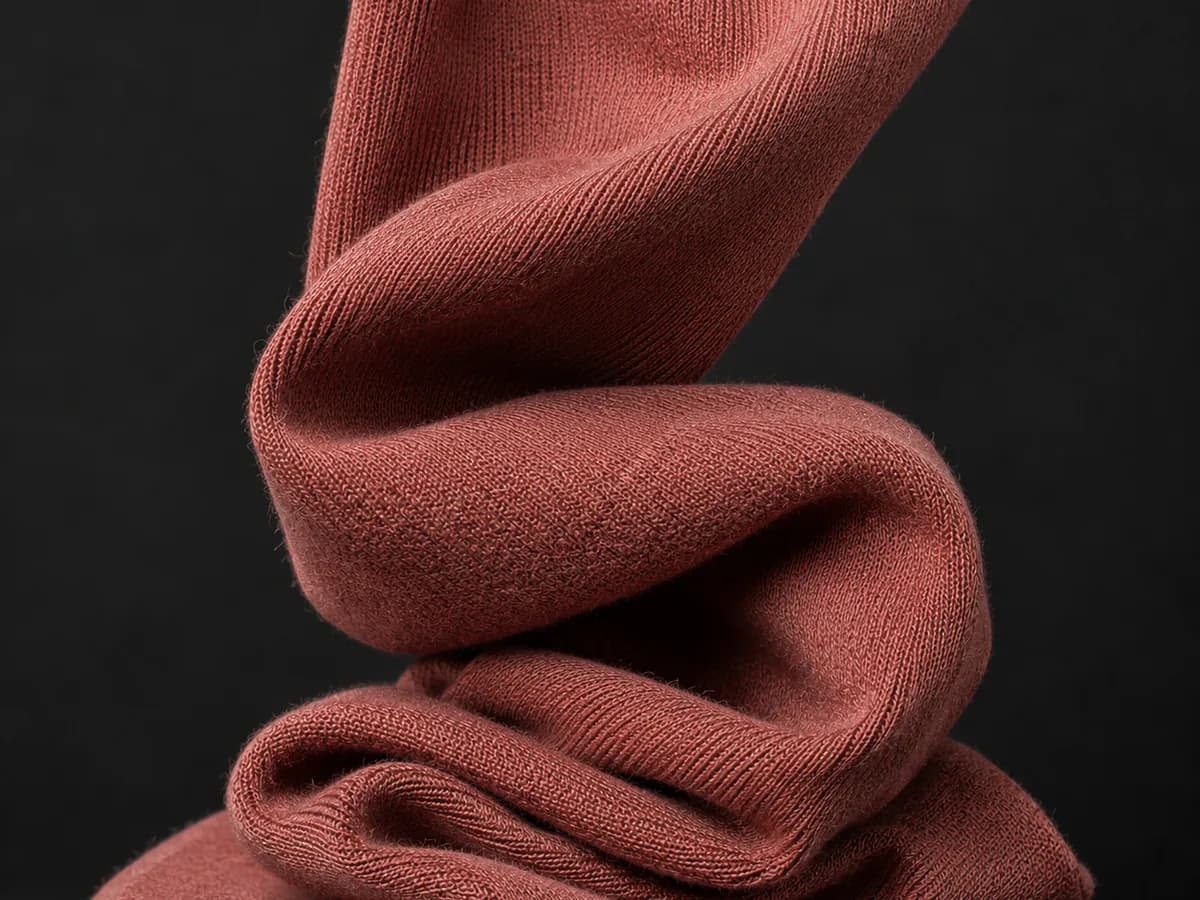
Open-End Cotton Jersey
Feel: Dryer, more textured and vintage-oriented.
Best For: Vintage washed, relaxed and heavyweight streetwear tees.
Weight Direction: Project-based medium to heavyweight range.
Works With: Screen printing, distressed graphics, garment dye and wash effects.
Wash: Reactive to wash processes; confirm result via sample.
Confirm: Composition, colour, shrinkage, wash result and quantity.
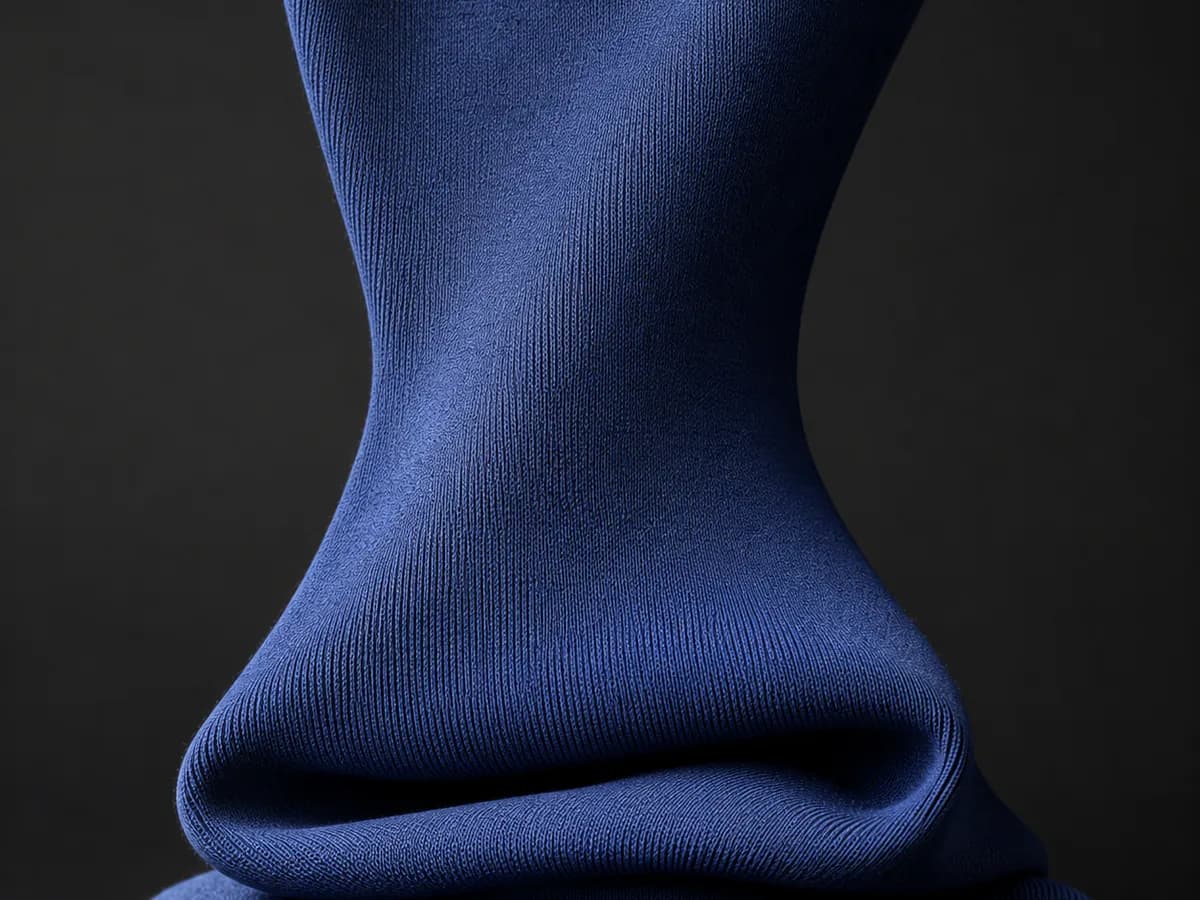
Cotton–Spandex Jersey
Feel: Stretch recovery for body-conscious fits.
Best For: Fitted tees, active cuts and styles requiring recovery.
Weight Direction: 180–230 GSM project range.
Works With: Screen print, heat transfer, embroidery; test stretch compatibility.
Wash: Confirm recovery and dimensional stability after wash.
Confirm: Composition, colour, shrinkage, wash result and quantity.
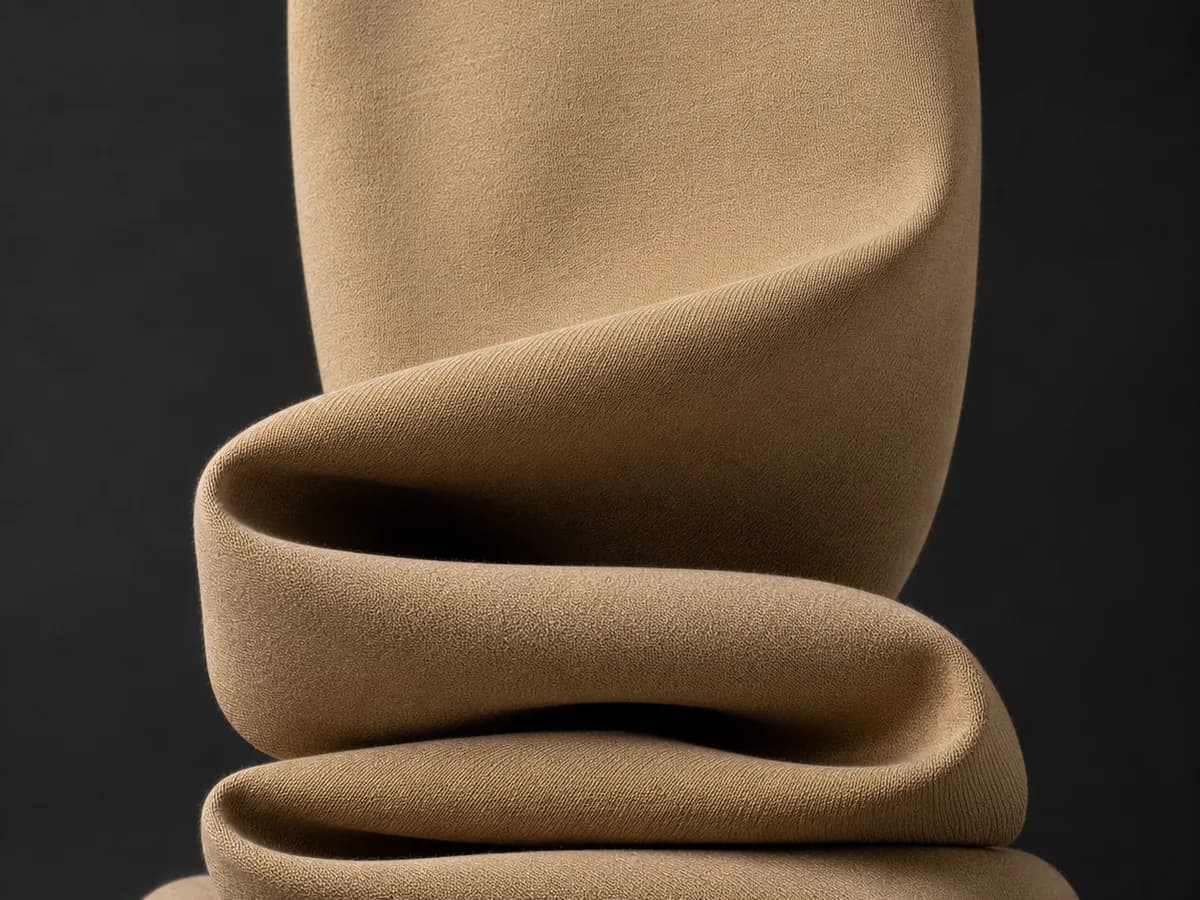
Cotton–Poly / CVC Jersey
Feel: Balanced stability, reduced shrinkage and cost efficiency.
Best For: Commercial programs, uniforms and multi-color runs.
Weight Direction: 160–210 GSM project range.
Works With: Screen printing, DTG, heat transfer and standard finishes.
Wash: Good colour retention; confirm hand feel preference.
Confirm: Composition, colour, shrinkage, wash result and quantity.
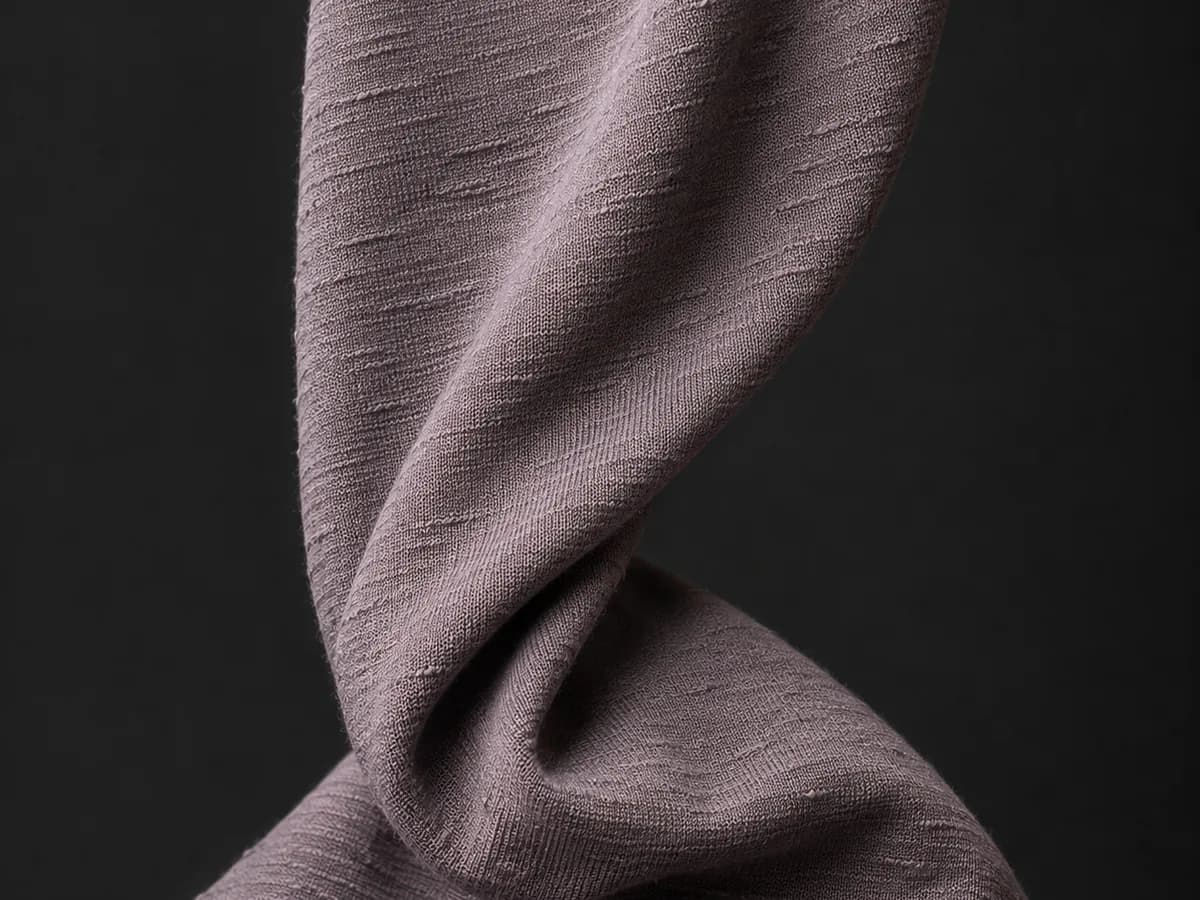
Slub / Textured Jersey
Feel: Uneven surface character with natural visual depth.
Best For: Vintage, washed and directional streetwear collections.
Weight Direction: 180–240 GSM project range.
Works With: Garment wash, pigment dye, tonal decoration.
Wash: Texture may shift through wash; approve sample appearance.
Confirm: Composition, colour, shrinkage, wash result and quantity.
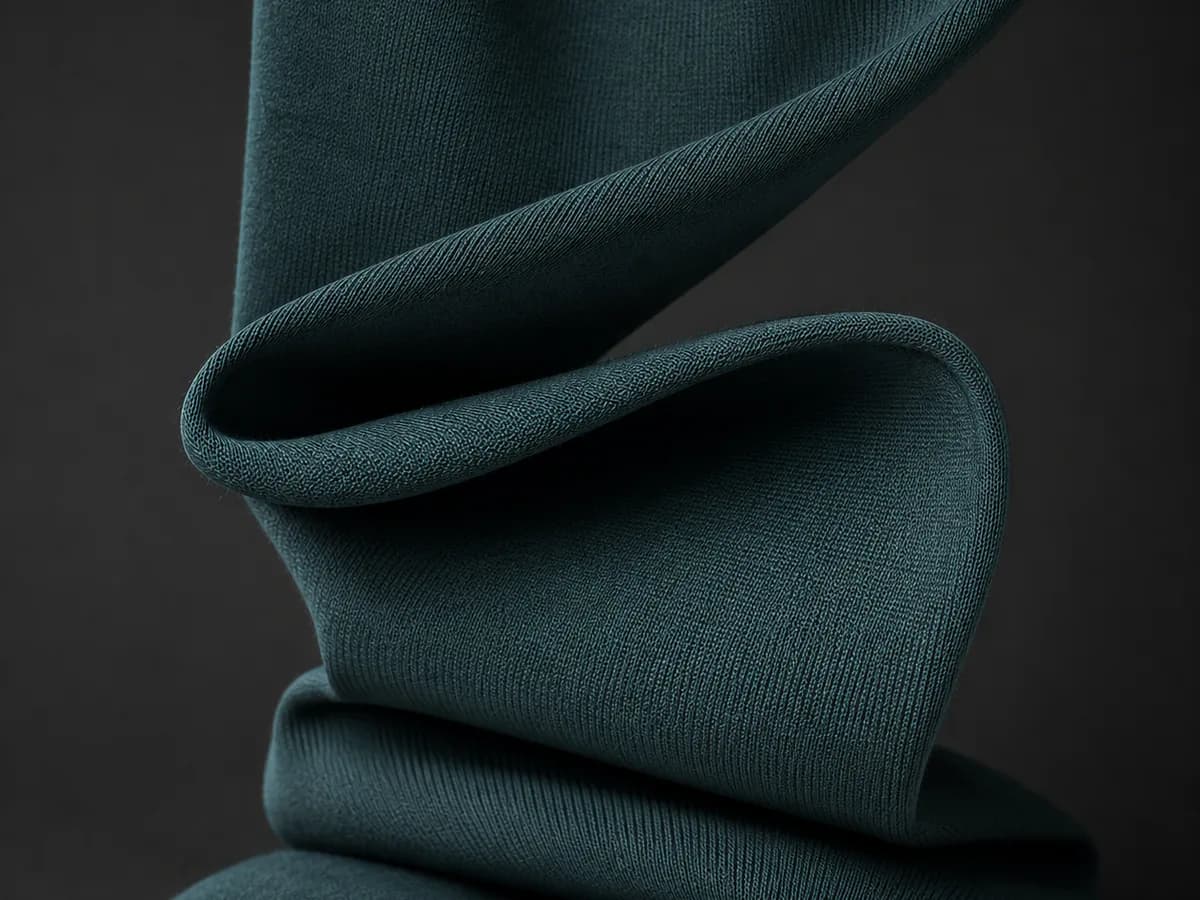
Interlock / Double-Knit
Feel: Smooth both sides, heavier body with natural structure.
Best For: Structured oversized tees and premium minimal styles.
Weight Direction: 220–300 GSM project range.
Works With: Embroidery, tonal print, minimal decoration.
Wash: Stable through wash; confirm drape and hand feel.
Confirm: Composition, colour, shrinkage, wash result and quantity.
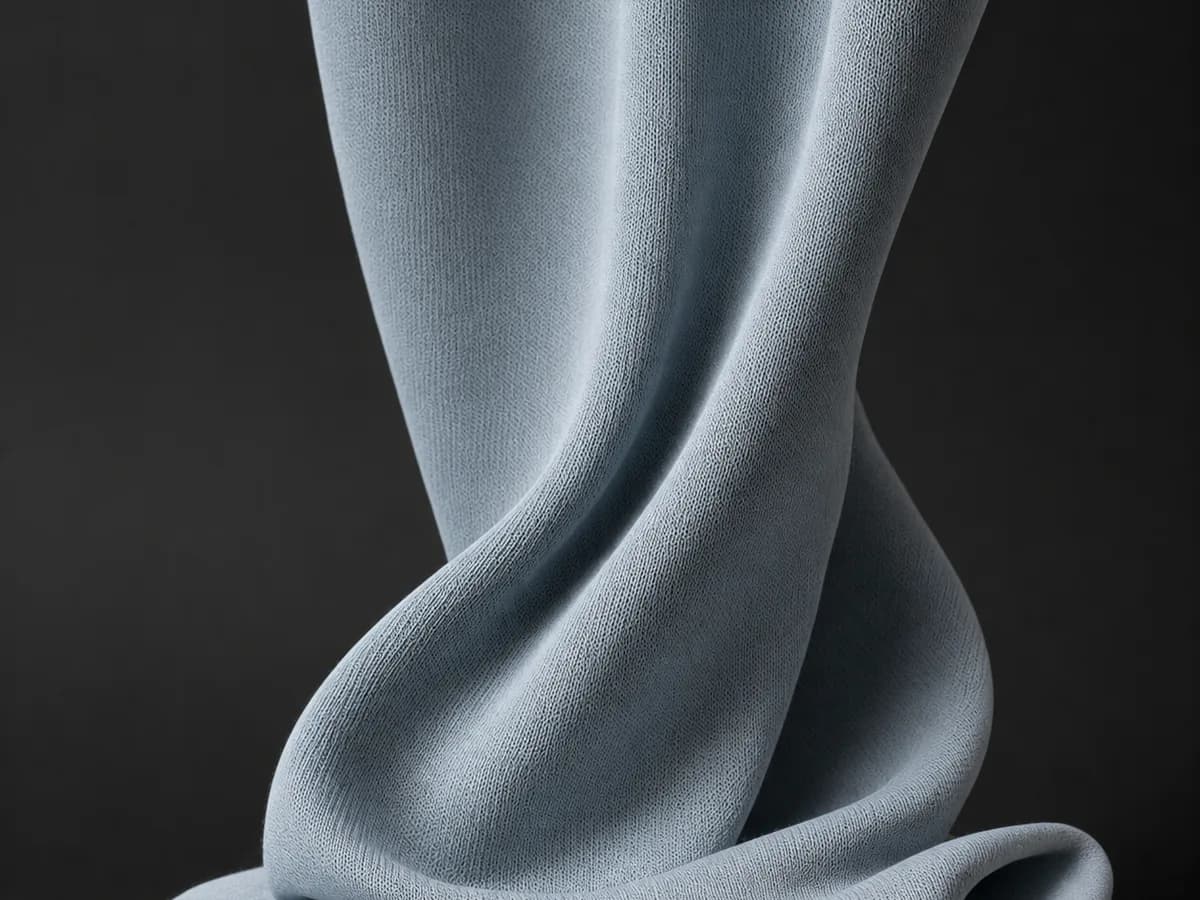
Lightweight Performance Polyester Jersey
Feel: Lightweight, smooth and quick-drying, depending on the selected yarn, knit structure and finishing.
Best For: Training T-shirts, running tops, gym apparel and lightweight active menswear.
Weight Direction: Approximately 120–180 GSM, subject to the selected structure and project sourcing.
Works With: Heat transfer, reflective details, selected screen printing and lightweight branding applications.
Wash: Confirm stretch, recovery, colourfastness, moisture-management requirements and printing compatibility.
Confirm: Composition, colour, shrinkage, wash result and quantity.
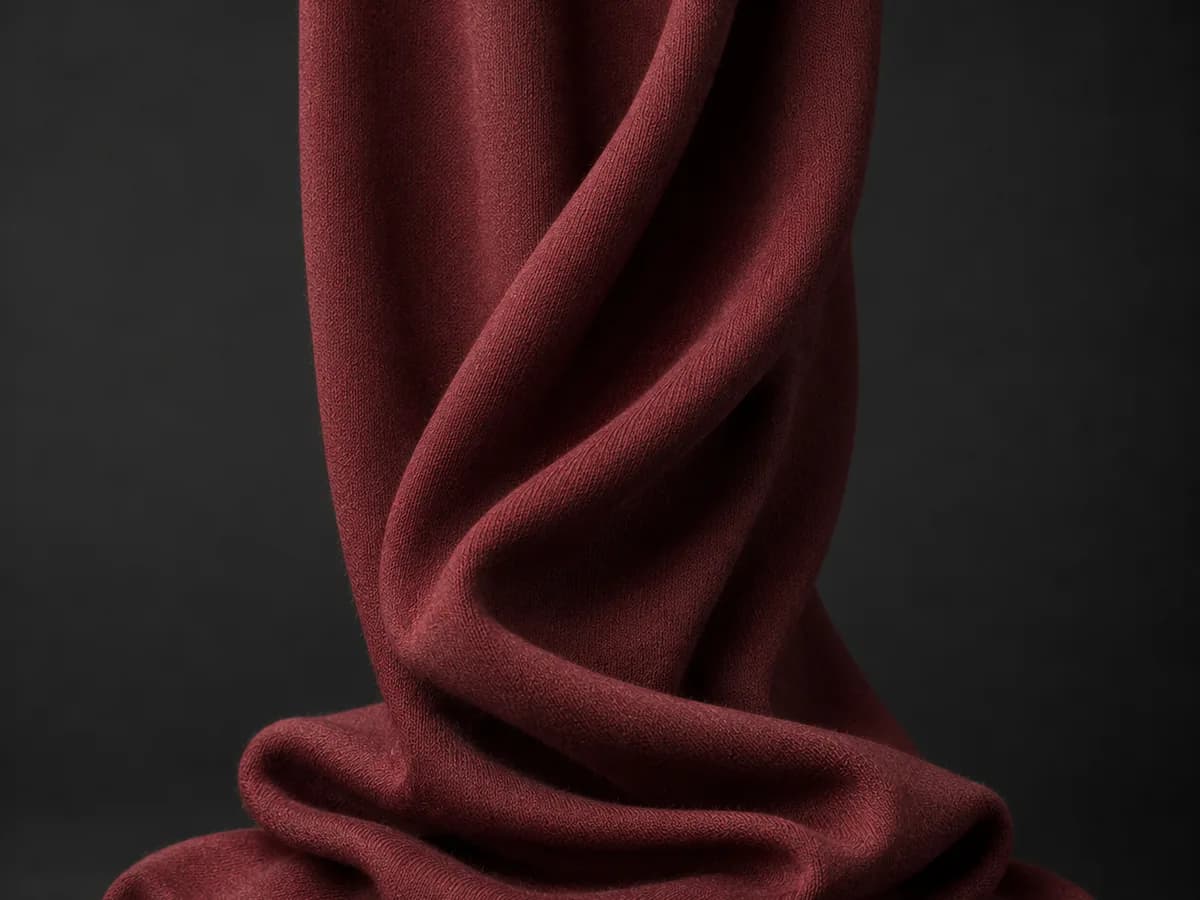
Modal / Lyocell Blend
Feel: Soft, fluid drape with a cooler hand feel.
Best For: Draped silhouettes, soft-touch premium tees.
Weight Direction: 160–200 GSM project range.
Works With: DTG, light screen print, tonal embroidery.
Wash: Confirm shrinkage and surface change after wash.
Confirm: Composition, colour, shrinkage, wash result and quantity.
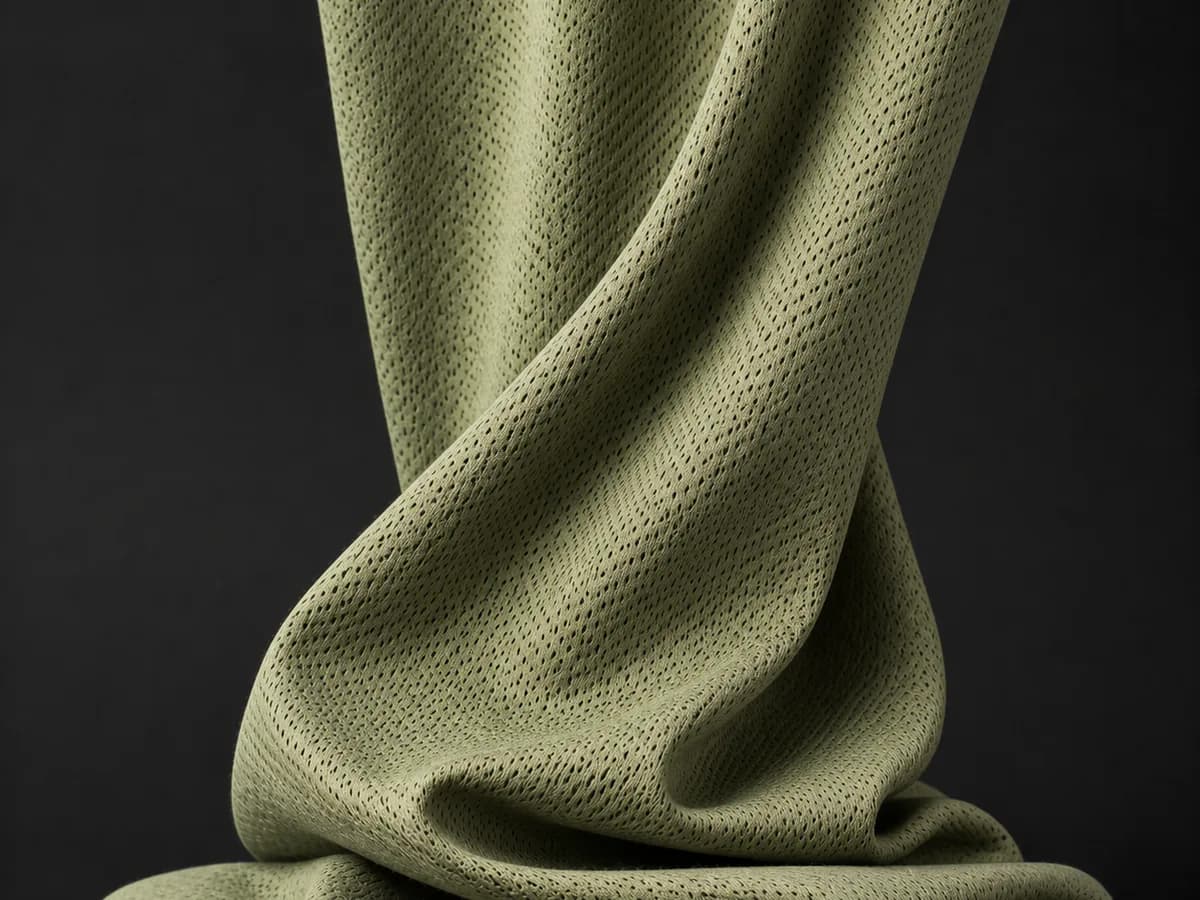
Bird-Eye Mesh / Honeycomb Performance Knit
Feel: Breathable, textured and lightweight, with visible mesh or honeycomb structure depending on the selected knit.
Best For: Sports T-shirts, training tops, gym apparel, teamwear and breathable active styles.
Weight Direction: Approximately 120–190 GSM, subject to knit structure, yarn and project sourcing.
Works With: Heat transfer, reflective applications, selected screen printing and lightweight branding details.
Wash: Confirm dimensional stability, stretch, recovery, snagging resistance, colourfastness and required breathability.
Confirm: Composition, colour, shrinkage, wash result and quantity.
Fabric availability, composition, colour range, certification and minimum order quantity are confirmed on a project basis. KAOUYOU does not guarantee all fabrics, colours or weights are available at all times.
LOOKING FOR ANOTHER FABRIC, WEIGHT OR HAND FEEL?
Share your fabric reference or required result. We will review sourcing, compatibility, minimum requirements and the most practical material direction for the project.
DISCUSS YOUR REQUIREMENTSUSTAINABLE MATERIAL OPTIONS
Project-specific options may include recycled, organic or other preferred fibre directions, subject to fabric availability, minimum order requirements and supplier documentation.
If certification or traceability is required, please share the target standard at the beginning of development. Material source, supporting documents, colour availability, performance and lead time will be reviewed for the individual project.
DISCUSS A SUSTAINABLE MATERIAL DIRECTIONCONSTRUCTION ANATOMY
Small construction decisions change the whole T-shirt.
Oversized does not mean simply scaling up — chest width, body length, shoulder point, sleeve volume and hem proportion work together to create the silhouette. Each detail is redeveloped around your brand’s requirements.
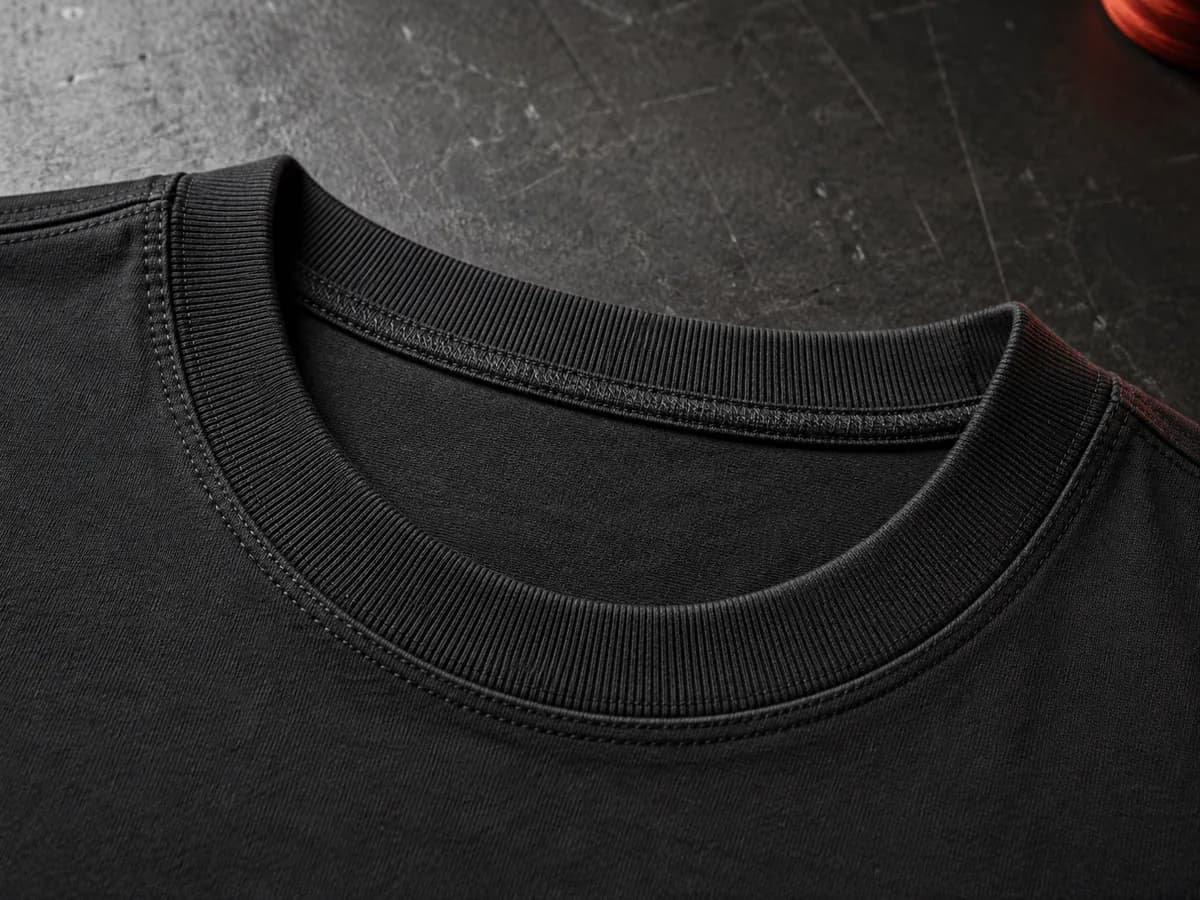
Neck Rib
Effect: Controls neckline appearance, structure and recovery after washing.
Suitable For: Different rib widths and compositions according to the T-shirt style.
Confirm: Rib width, height, composition, colour match and recovery.
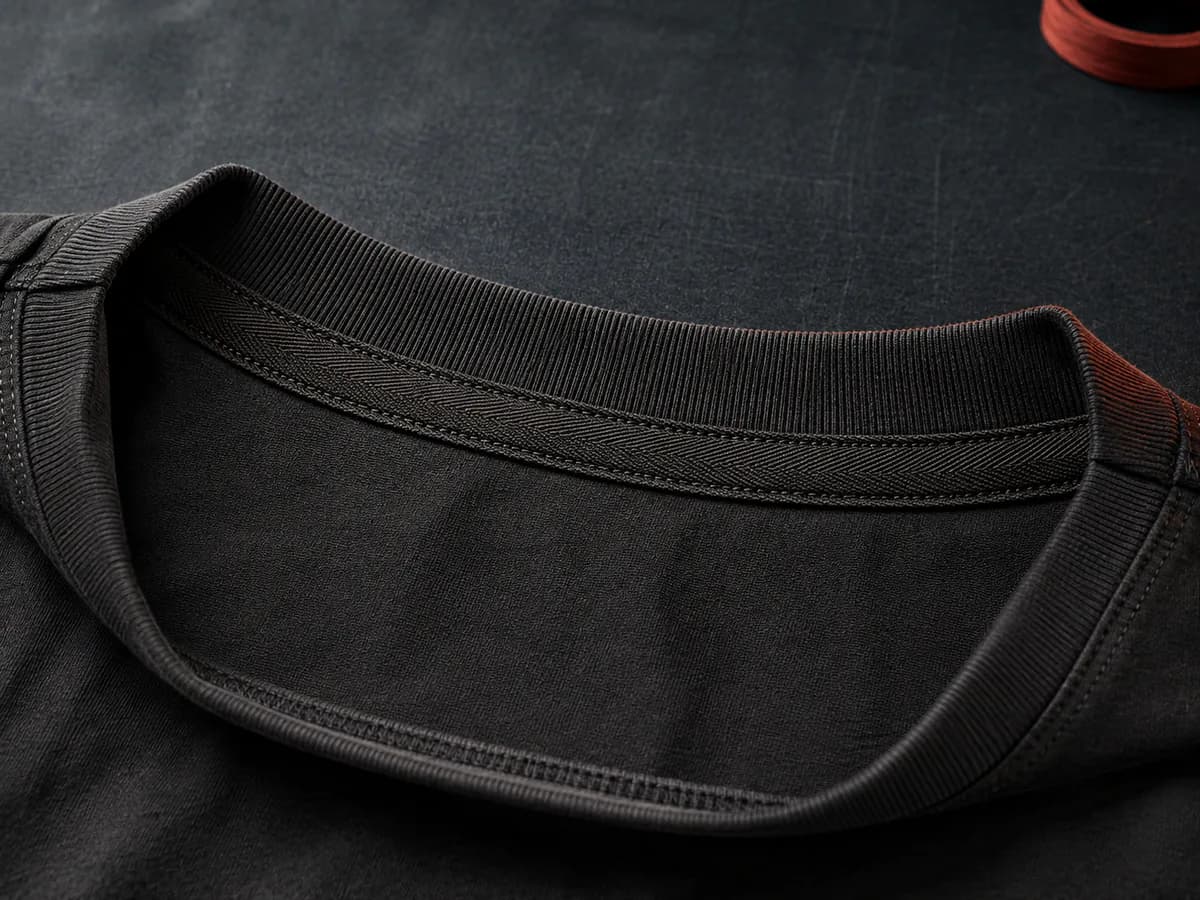
Neck Taping
Effect: Reinforces the back neck seam and stabilises the neckline shape.
Suitable For: All T-shirt styles; tape material and width per construction requirement.
Confirm: Tape material, width, colour and position on the back neck.
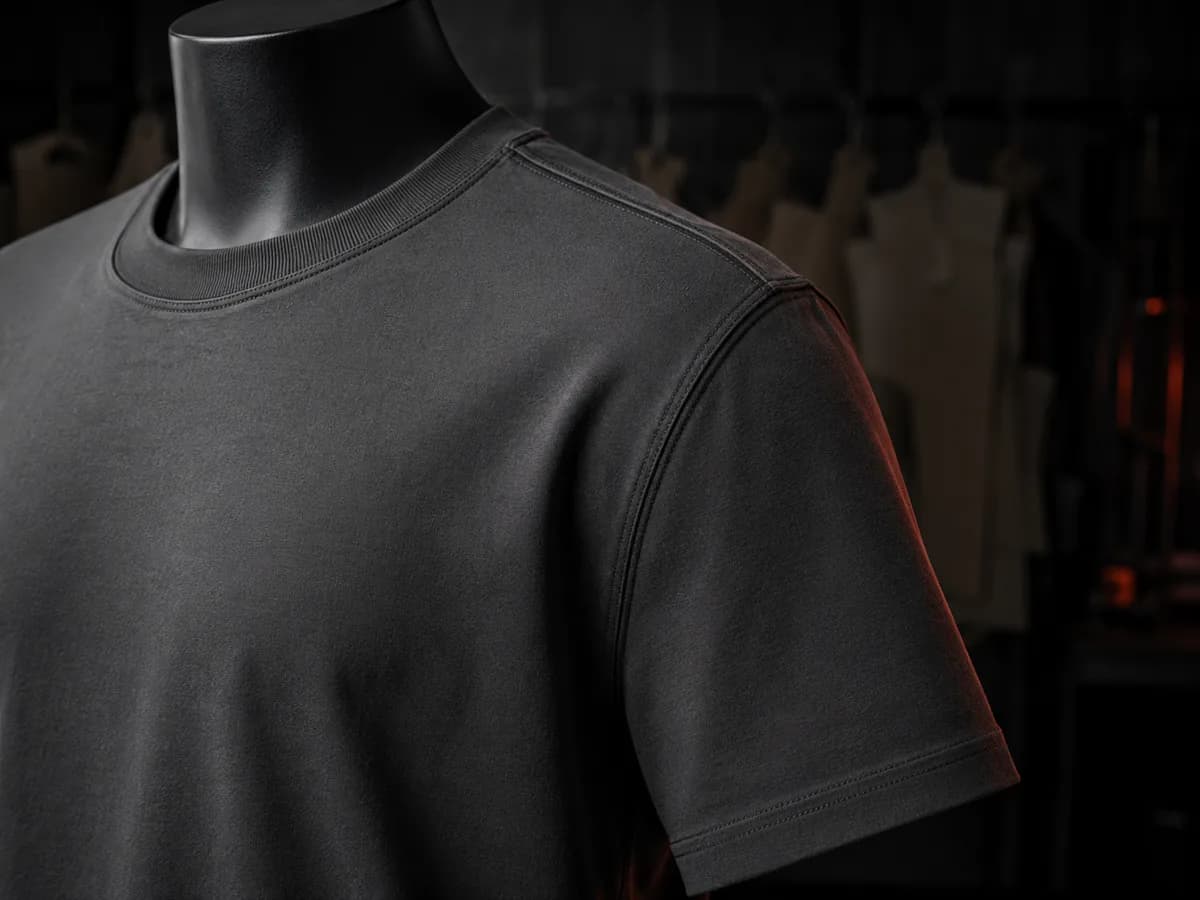
Shoulder Position
Effect: Standard, dropped or extended shoulder line defines the silhouette.
Suitable For: Drop shoulder for oversized and streetwear; standard for commercial fits.
Confirm: Shoulder point, slope and relationship to chest width and sleeve volume.
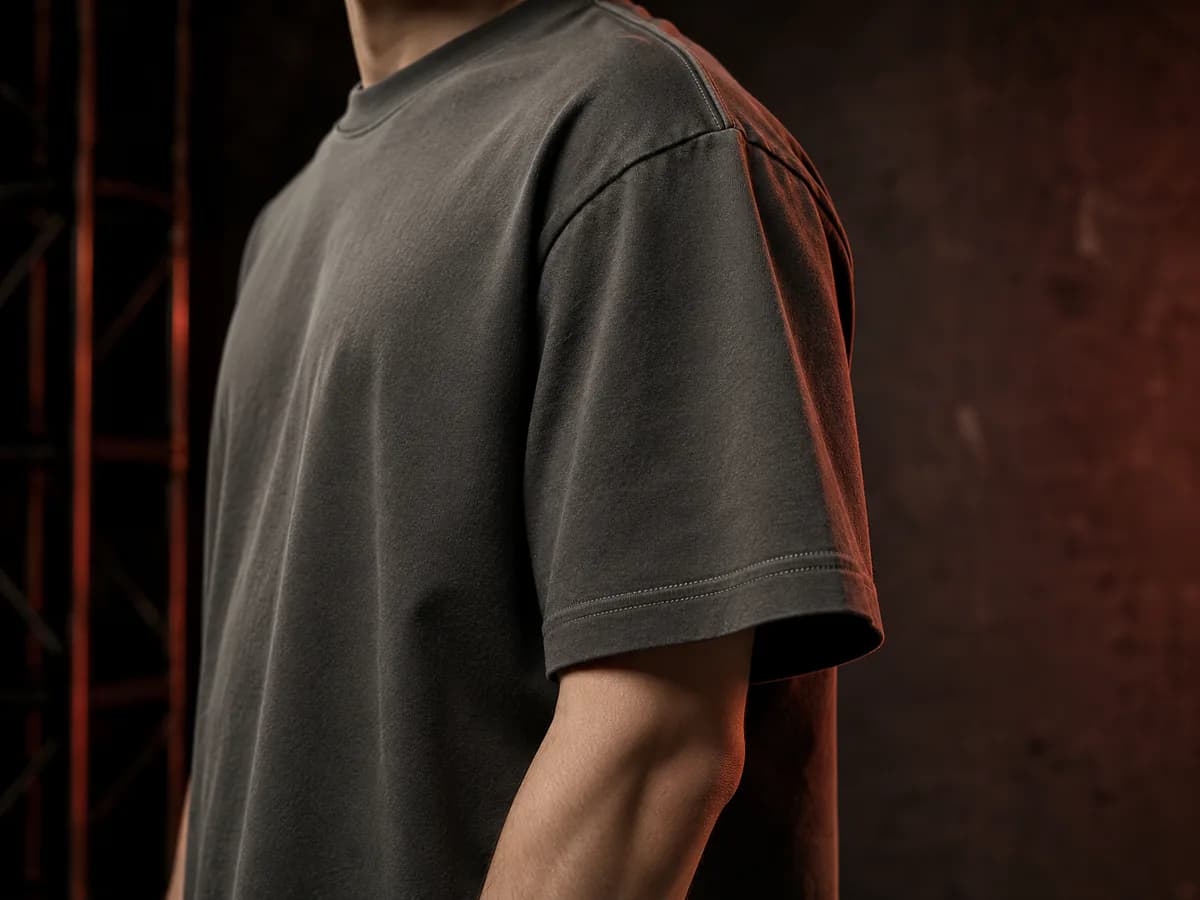
Sleeve Shape
Effect: Sleeve length, opening width and volume define the arm character.
Suitable For: Relaxed sleeve for streetwear; closer fit for commercial and fitted styles.
Confirm: Sleeve length, bicep width, opening circumference and hem finish.
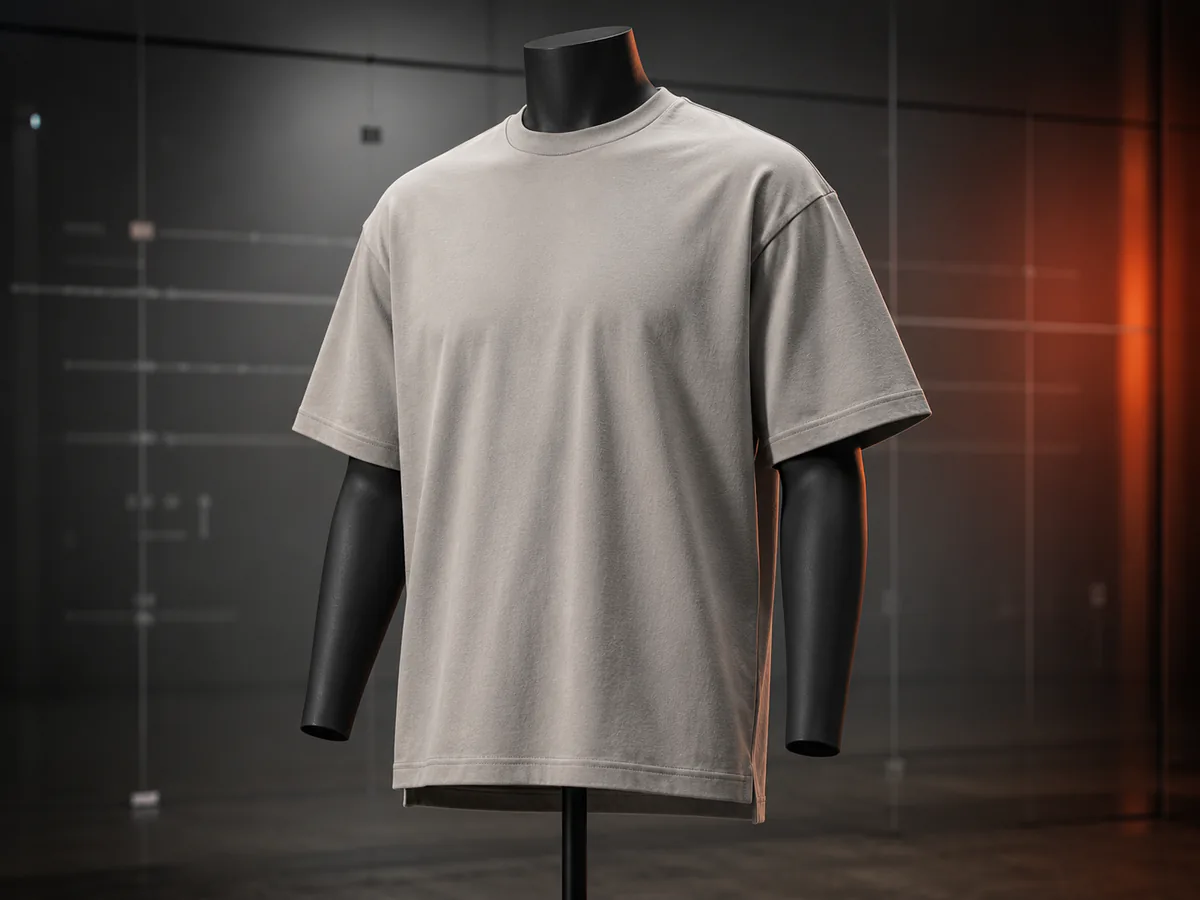
Chest & Body Proportion
Effect: Chest width against body length creates the overall T-shirt proportion.
Suitable For: Oversized ≠ just scaling up — each point is developed for the target shape.
Confirm: Chest width, body length, hem shape and front-to-back drop.
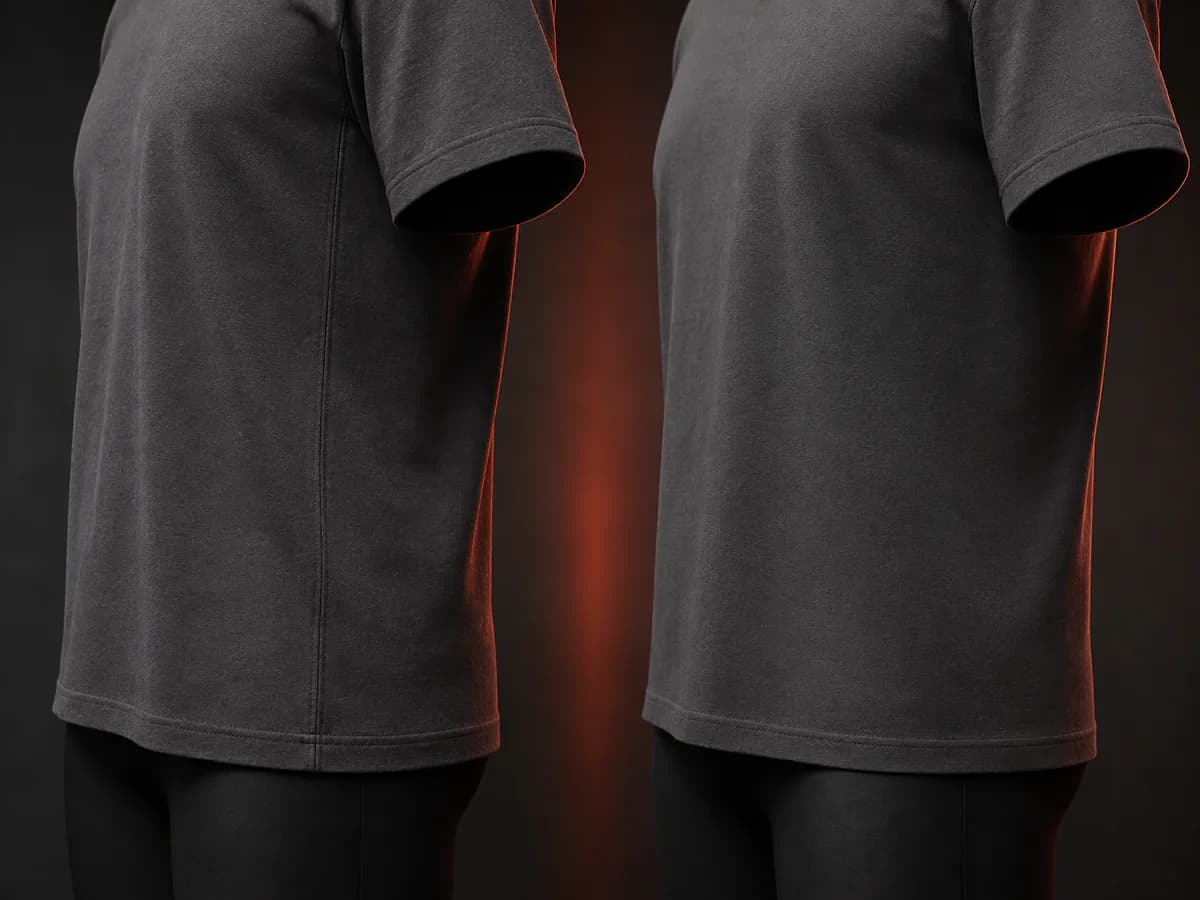
Side-Seam / Tubular Body
Effect: Side-seam construction enables shaped fit; tubular body suits relaxed basics.
Suitable For: Side-seam for structured silhouettes; tubular for casual and vintage styles.
Confirm: Body construction type and its effect on fit, drape and decoration.
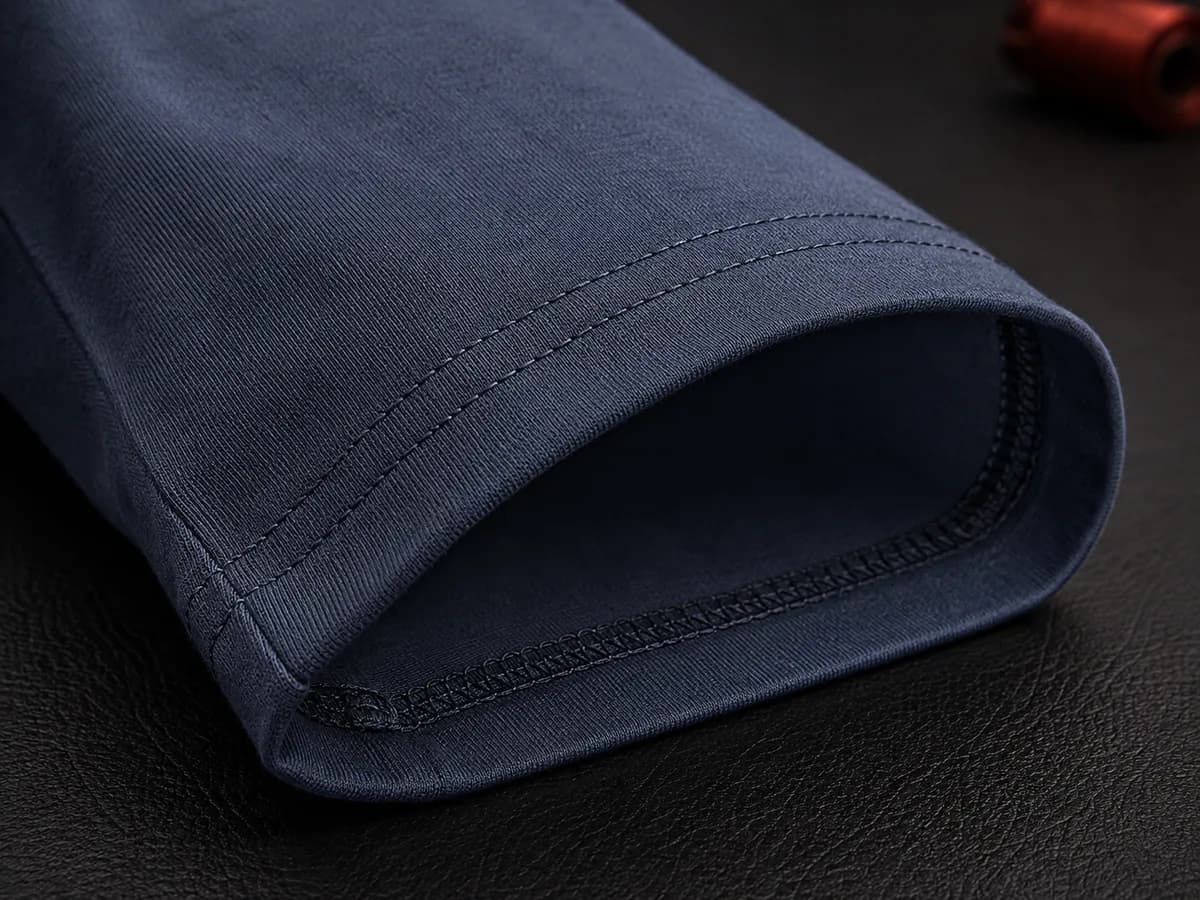
Sleeve Opening
Effect: Opening width and stitch finish determine sleeve drape and arm fit.
Suitable For: Wider opening for relaxed streetwear; narrower for refined commercial styles.
Confirm: Opening width, stitch type, folding direction and thread match.
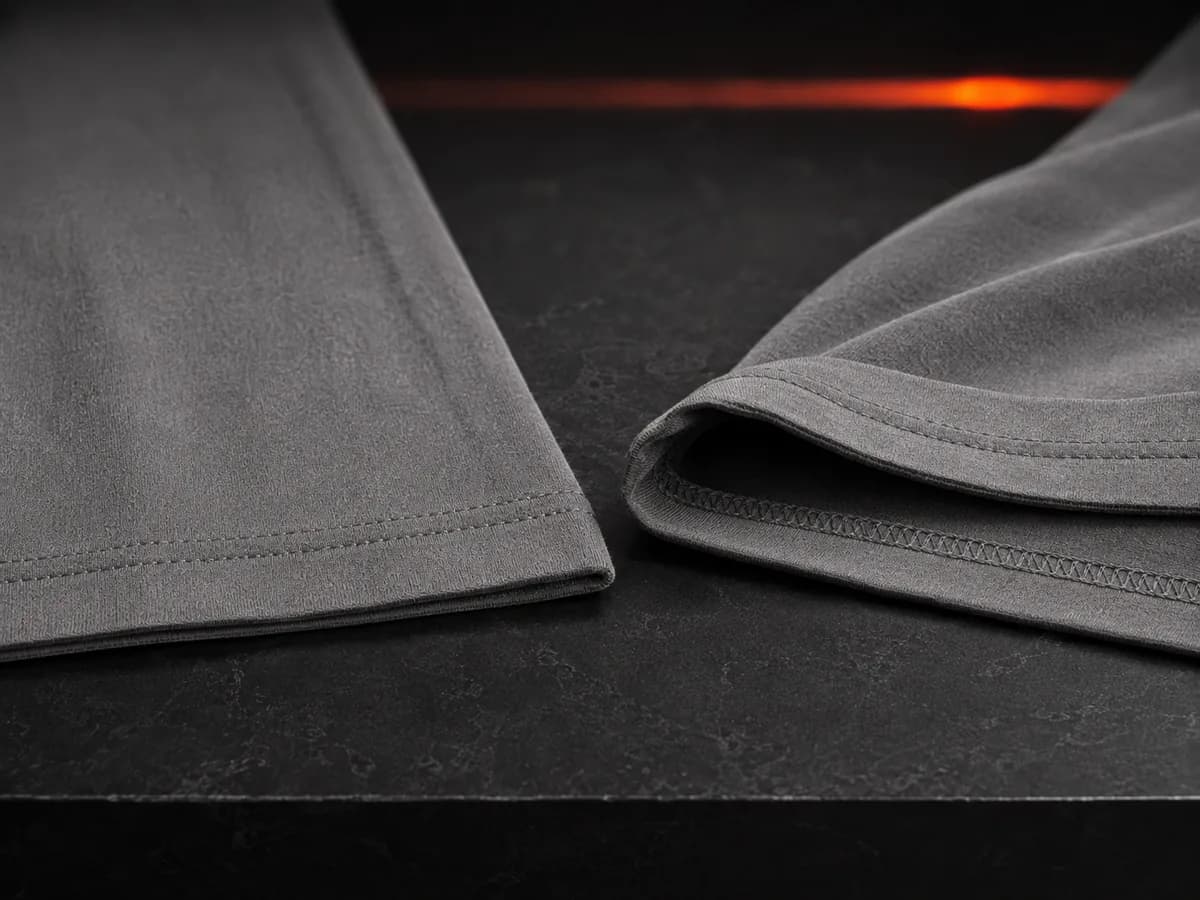
Bottom Hem & Stitching
Effect: Bottom finish completes the body shape and defines the garment weight.
Suitable For: Coverstitch for sportswear and performance; double-needle for structure.
Confirm: Hem height, stitch type, thread colour and tension on the target fabric.
Stitching Options
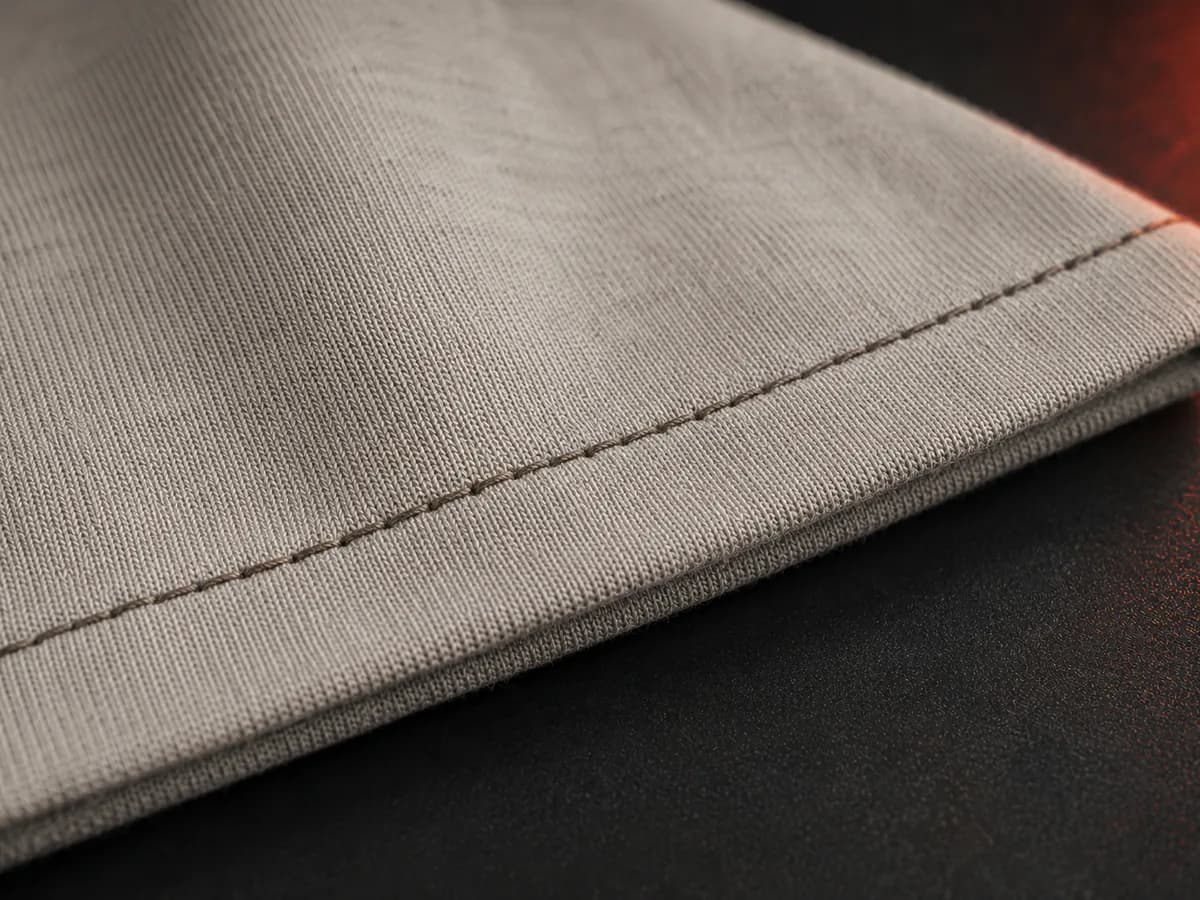
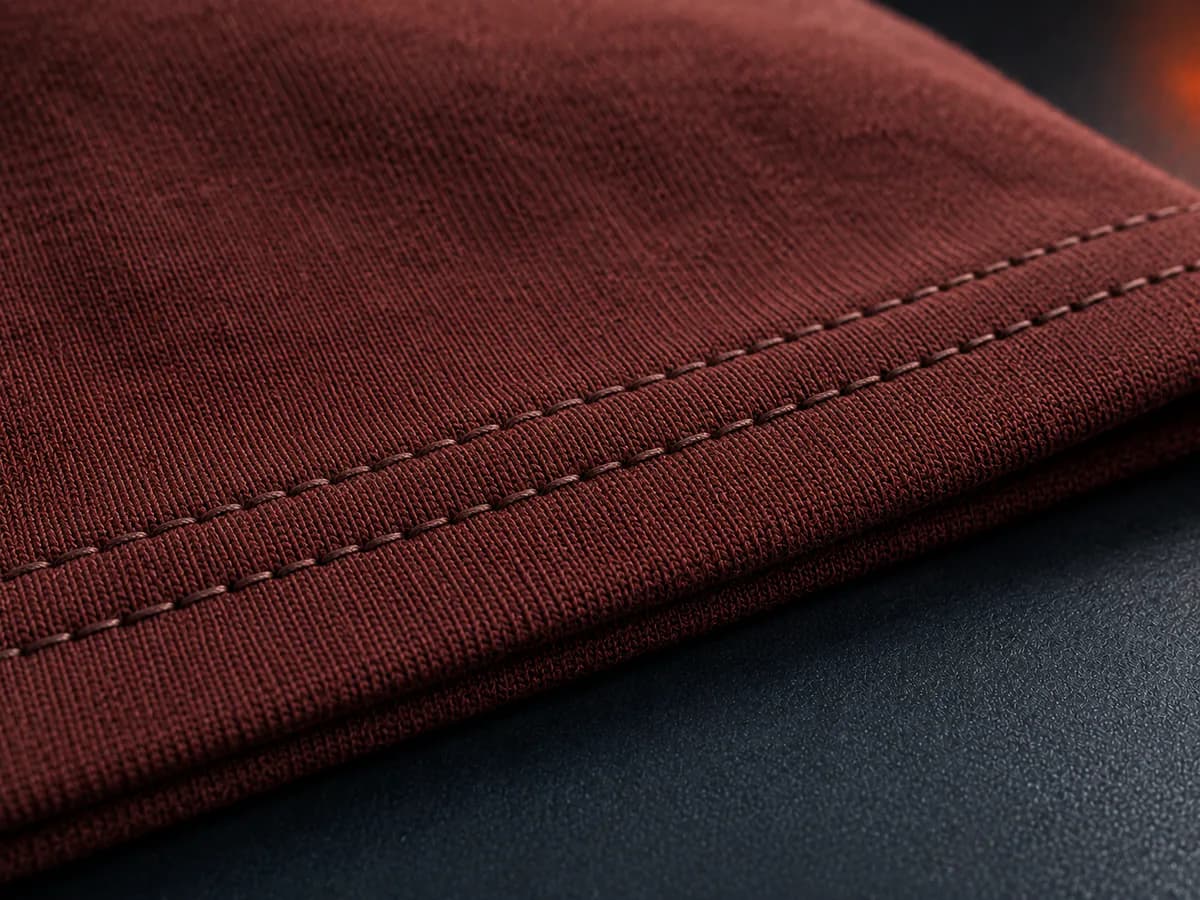
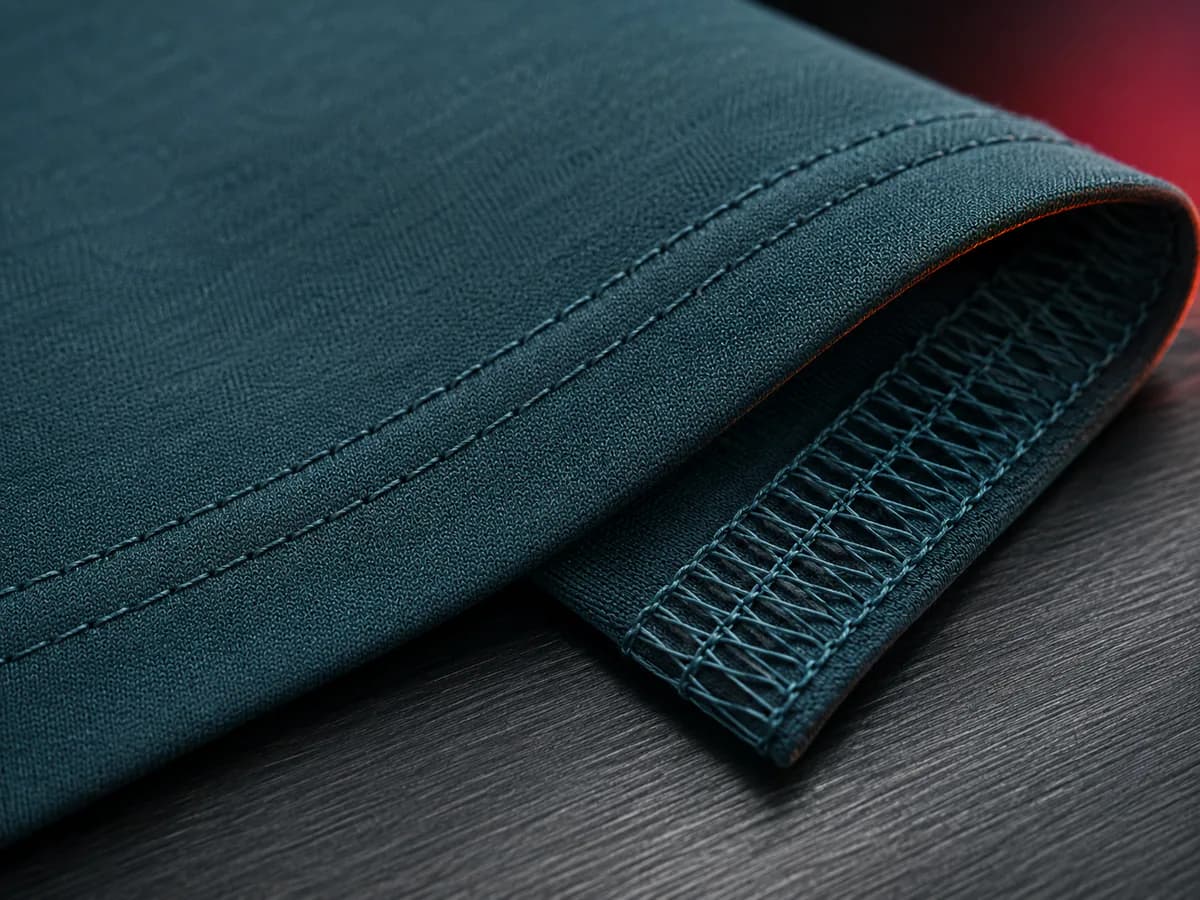
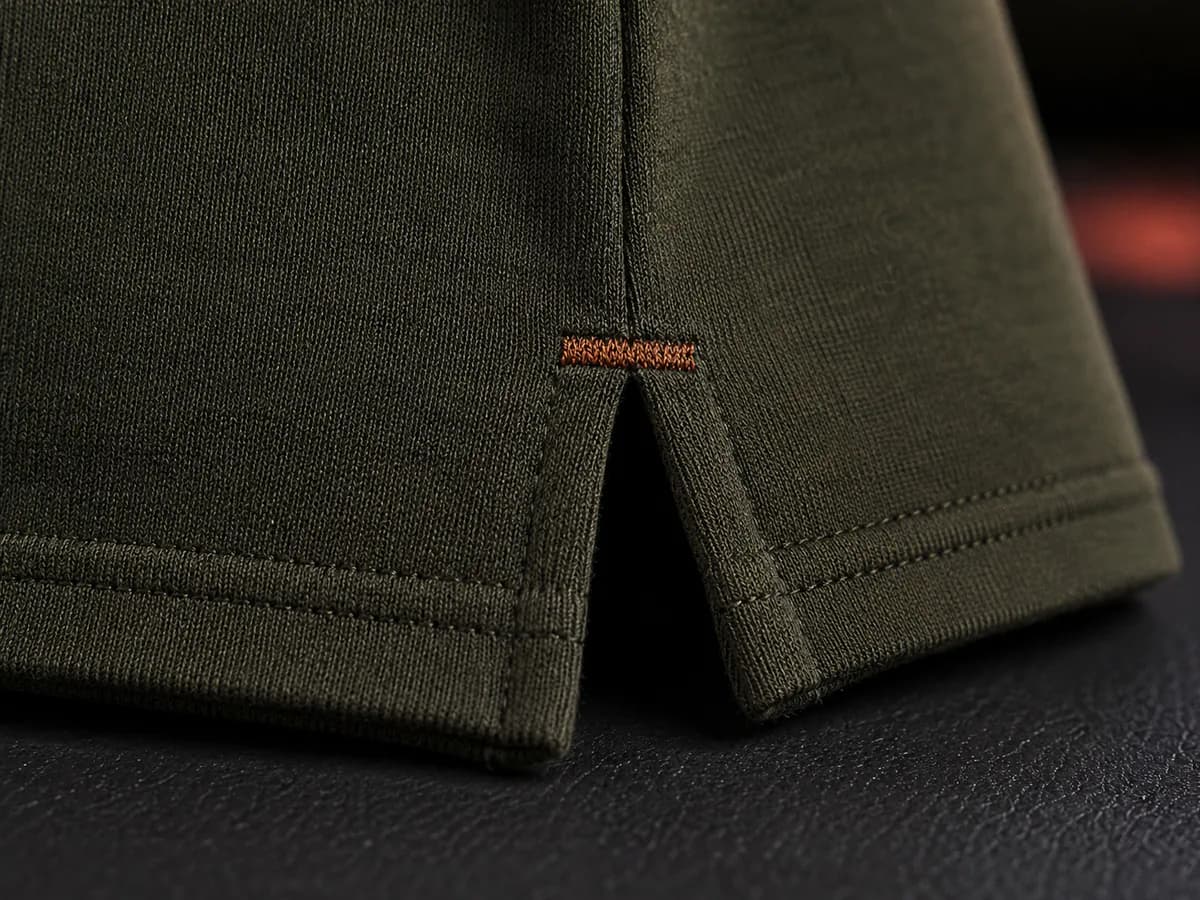
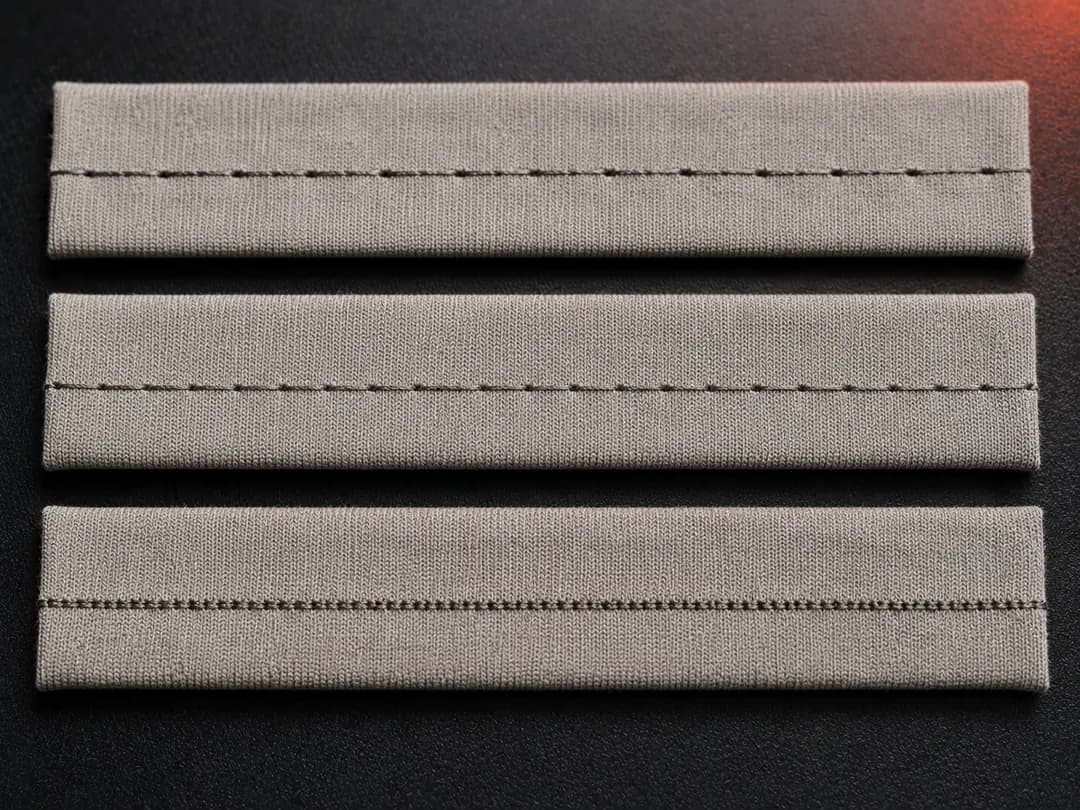
Construction specifications are confirmed during the development stage and documented before bulk production. The reference sample sets the measurable standard for every subsequent order. Neckline width, height, rib composition and recovery affect how the T-shirt performs after washing — these are design decisions, not afterthoughts.
NEED A DIFFERENT FIT, NECKLINE OR CONSTRUCTION DETAIL?
Share a garment reference, measurement requirement or technical detail. We will review feasibility and the most practical development route.
DISCUSS YOUR REQUIREMENTCOLOR, DYE & WASH EFFECTS
Build colour with more than a Pantone reference.
Fabric colour, dye method and wash treatment each shape the final T-shirt differently. The same Pantone reference on two fabrics can produce different results.
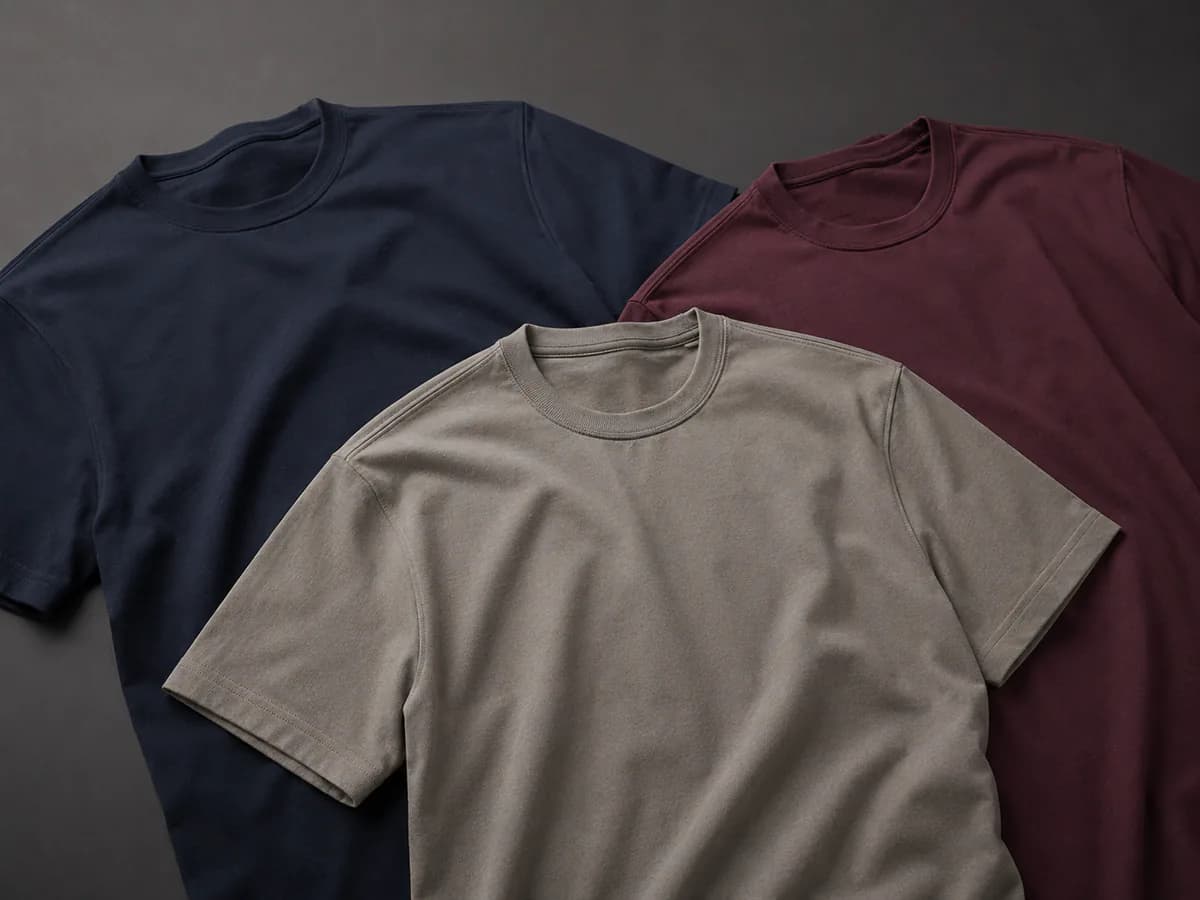
Standard Fabric Color
Visual Result: Dyed jersey matched to target shade via lab-dip or reference.
Suitable Fabrics: All jersey qualities; colour confirmed through sample.
Suitable Styles: All T-shirt styles.
What Changes: Minimal post-dye change; fabric supplied in target colour.
Approve: Lab-dip, bulk shade tolerance and batch consistency.
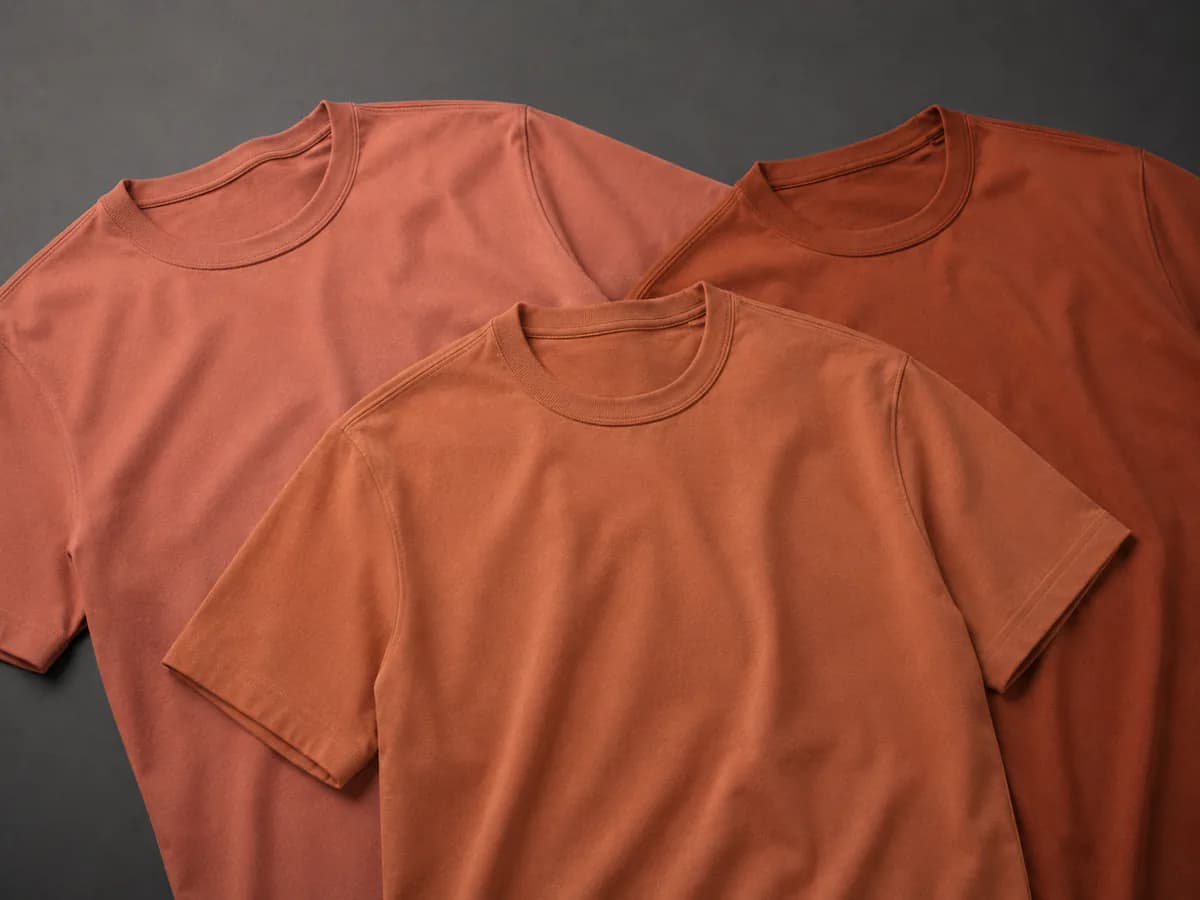
Custom Dyeing
Visual Result: Project-specific colour developed on the target fabric.
Suitable Fabrics: Cotton, cotton-blend and selected synthetic jerseys.
Suitable Styles: All styles; confirm dye uptake on target composition.
What Changes: Hand feel may shift; colour depth varies by fabric.
Approve: Lab-dip on actual fabric, bulk sample and tolerance range.
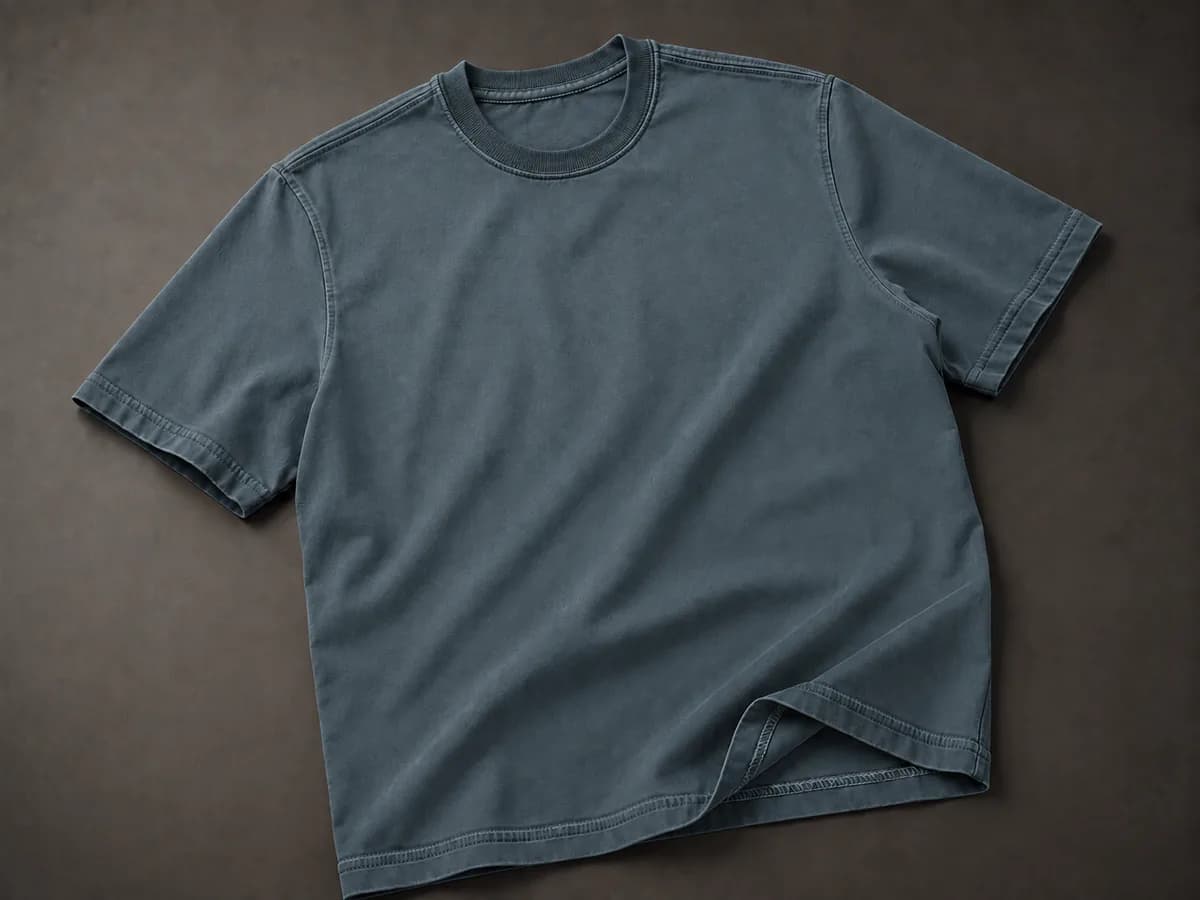
Garment Dye
Visual Result: Colour applied after construction for depth and washed character.
Suitable Fabrics: Cotton and cotton-rich jerseys; not all synthetics.
Suitable Styles: Vintage, washed and relaxed silhouettes.
What Changes: Softer hand feel; seams and stitching take dye differently.
Approve: Full garment-dyed sample; confirm seam and stitch appearance.
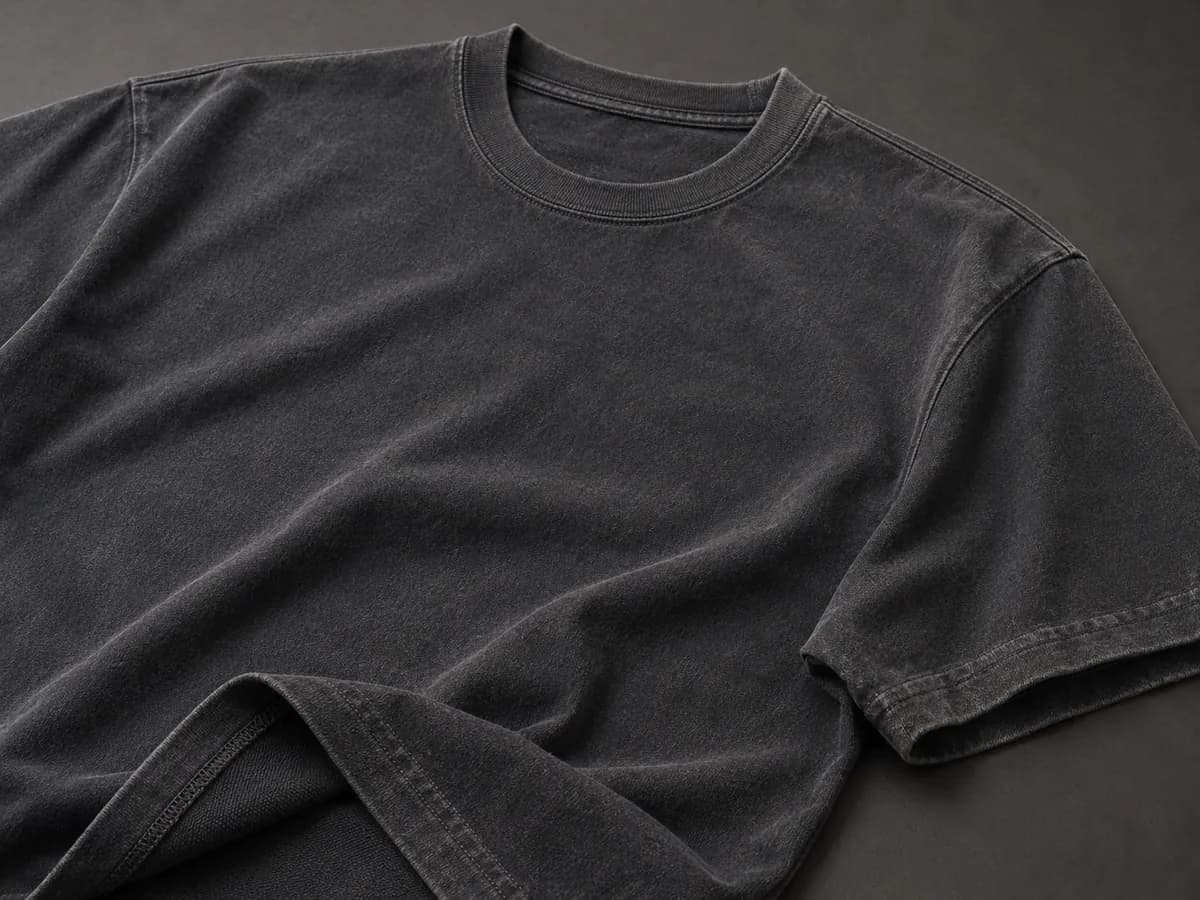
Pigment Dye
Visual Result: Surface-level colour with a matte, faded character.
Suitable Fabrics: Cotton and cotton-blend jerseys.
Suitable Styles: Vintage, washed and directional collections.
What Changes: Colour may fade further with wear and washing.
Approve: Pigment-dyed sample; confirm fade direction and care guidance.
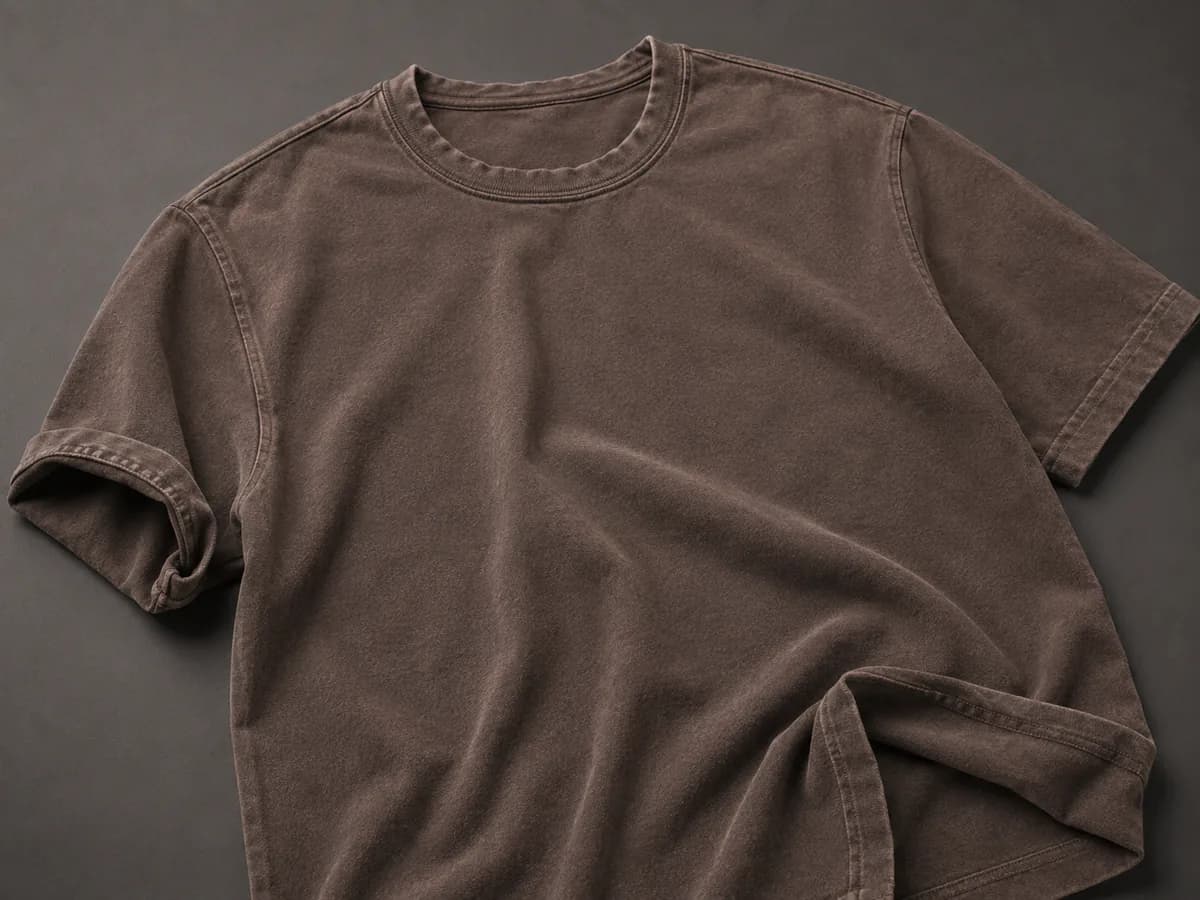
Vintage Wash
Visual Result: Controlled fade, soft hand and worn-in appearance.
Suitable Fabrics: Open-end, slub and reactive cotton jerseys.
Suitable Styles: Vintage tees, relaxed fits and washed streetwear.
What Changes: Colour lightens; hand feel softens; dimensions may shift.
Approve: Wash sample; confirm colour, hand feel and measurements.
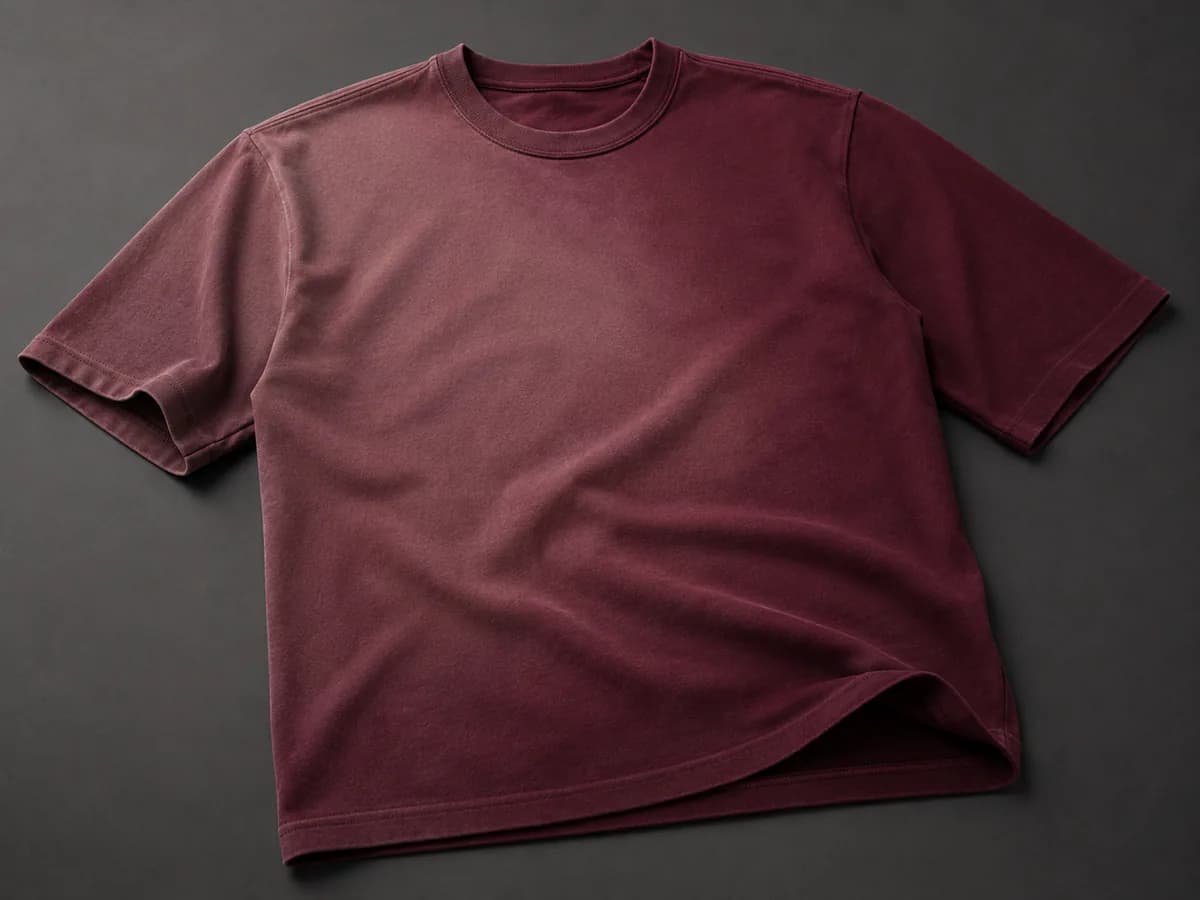
Faded / Uneven Effects
Visual Result: Directional visual effects with intentional variation.
Suitable Fabrics: Reactive cotton and cotton-blend jerseys.
Suitable Styles: Directional streetwear and vintage-inspired collections.
What Changes: Effect varies by garment; not every piece is identical.
Approve: Effect range sample set; agree acceptable variation.
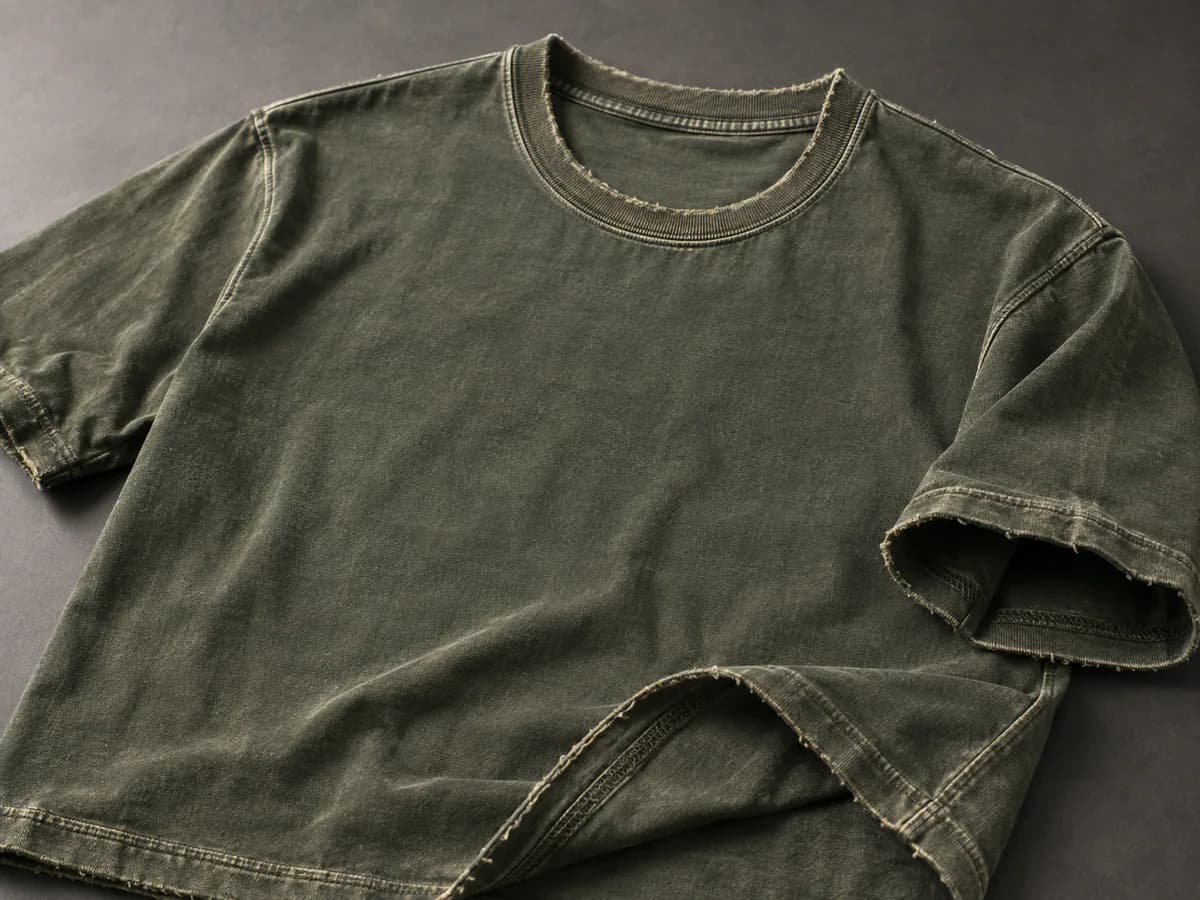
Distressed / Worn-In Finish
Visual Result: Physical and visual wear effects for an aged character.
Suitable Fabrics: Heavier cotton jerseys that withstand mechanical processing.
Suitable Styles: Heavyweight streetwear and directional fashion tees.
What Changes: Fabric surface and edges are intentionally altered.
Approve: Distress level reference; confirm durability expectations.
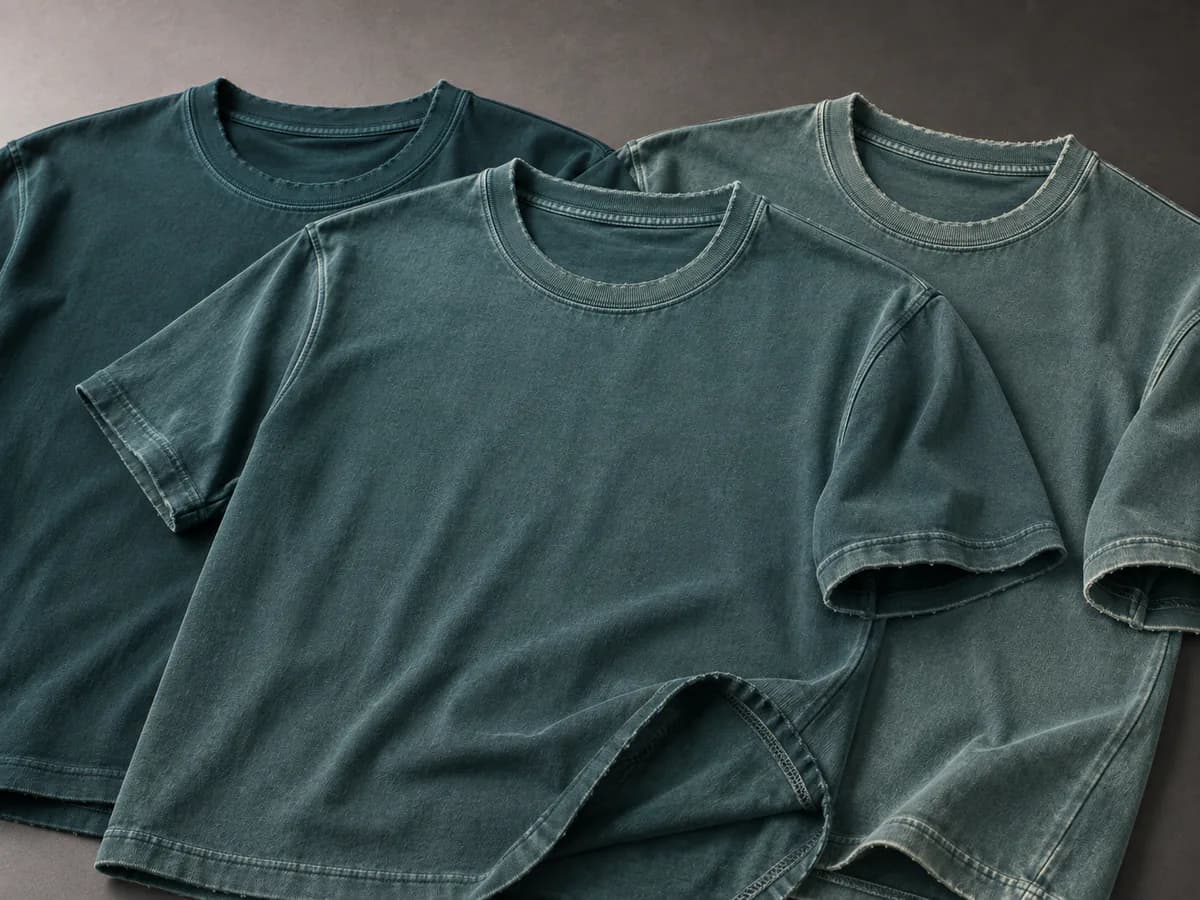
Project-Specific Wash Development
Visual Result: Custom wash direction evaluated against project requirements.
Suitable Fabrics: Confirmed per fabric, colour, quantity and target result.
Suitable Styles: Evaluated on a project basis.
What Changes: Determined through sample development and approval.
Approve: Feasibility, minimums, lead time and cost confirmed per project.
Final colour and wash appearance are confirmed through sample approval. Different fabrics, compositions and wash methods will affect colour, hand feel, shrinkage and batch-to-batch results. Wash-effect consistency is managed within an agreed tolerance — not guaranteed identical across every piece. Colour and wash products may have controllable variation; bulk range references the approved sample and confirmed requirements.
DECORATION TECHNIQUE LIBRARY
Choose the technique that supports the artwork.
The right decoration method depends on the artwork, fabric, quantity, wash treatment and how the graphic should feel and age. Some techniques require specialist coordination.
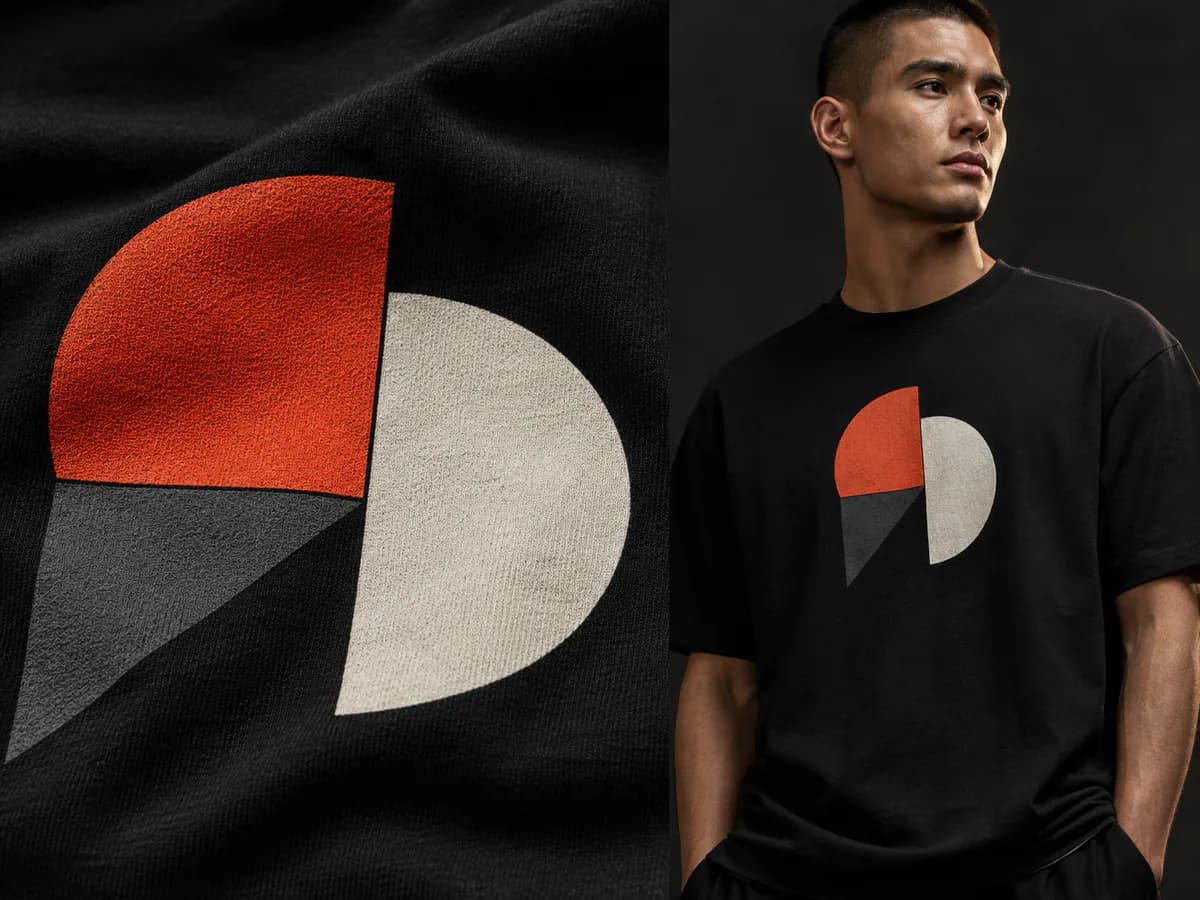
Screen Printing
Visual Result: Bold, opaque, high-coverage with defined colour separations.
Best For: Large-scale graphics and stable-quantity production runs.
Suitable Fabrics: Cotton, cotton-blend and most stable jersey surfaces.
Confirm Before Sampling: Artwork size, colour count, placement, fabric colour, wash durability.
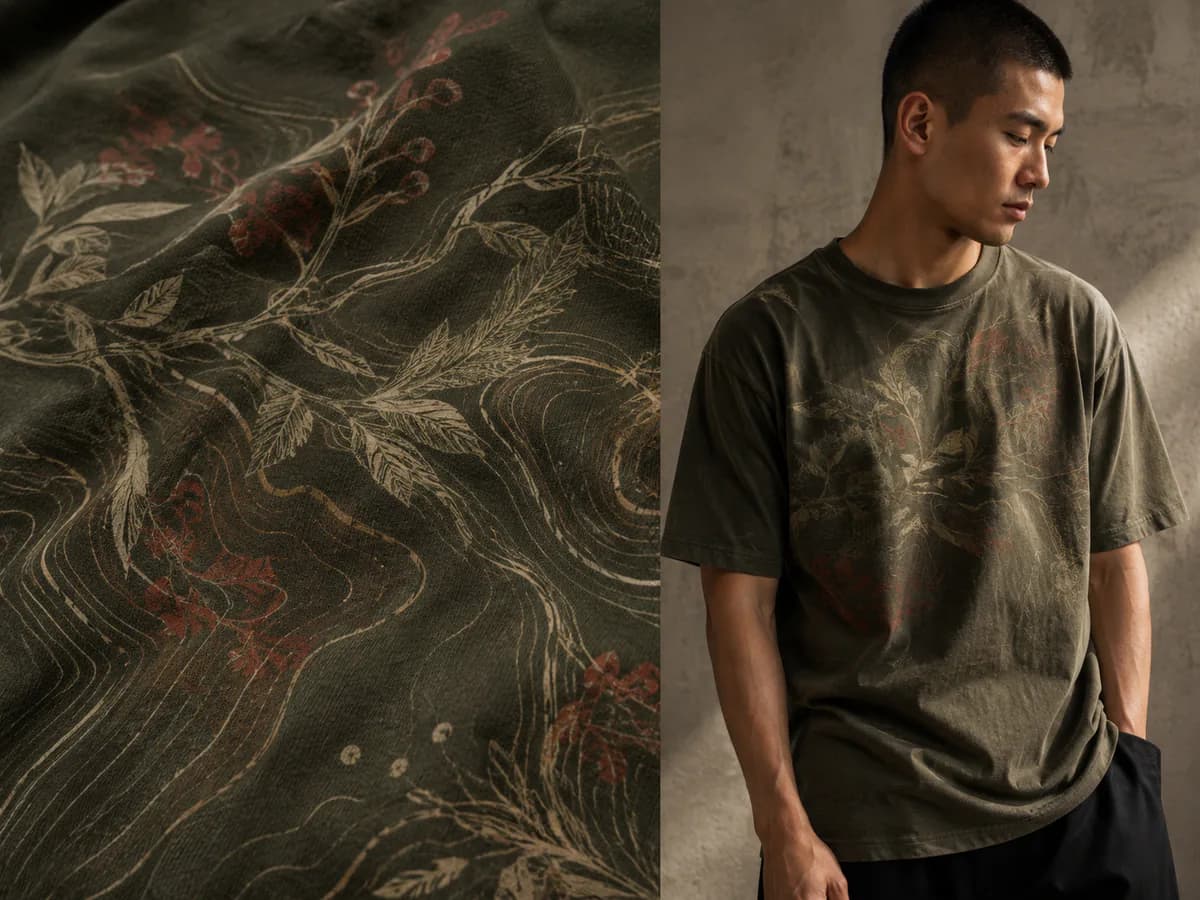
Water-Based / Discharge Printing
Visual Result: Soft hand feel with ink absorbed into the fabric.
Best For: Breathable, soft-touch graphics on dark or light bases.
Suitable Fabrics: Cotton and cotton-rich jerseys; limited on synthetics.
Confirm Before Sampling: Fabric composition, colour accuracy, wash durability and hand feel.
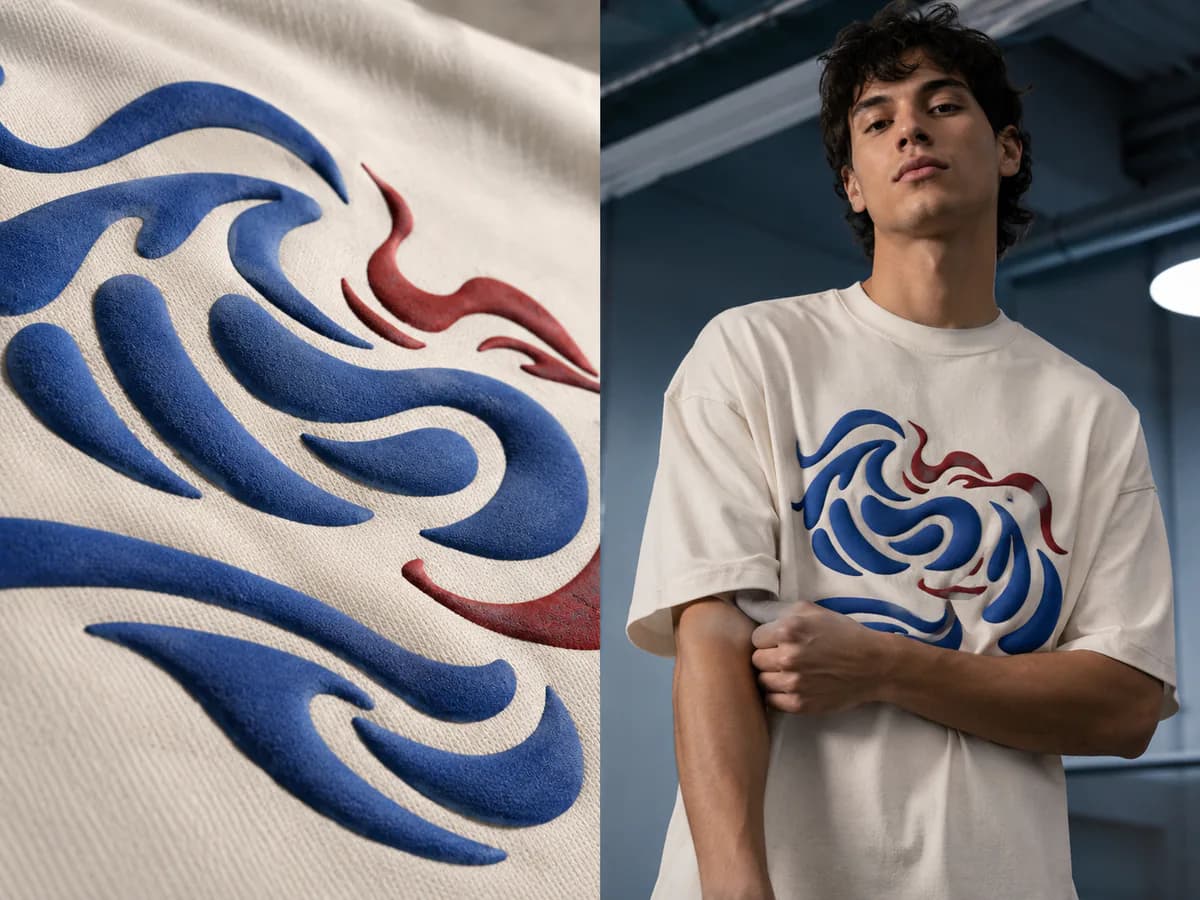
Puff Printing
Visual Result: Raised, tactile and visually dimensional.
Best For: Bold streetwear graphics and logo applications.
Suitable Fabrics: Stable cotton jersey and heavyweight T-shirt fabrics.
Confirm Before Sampling: Artwork line width, puff height, colour, placement, wash durability.

High-Density / Silicone Printing
Visual Result: Thick, rubberised, highly dimensional surface.
Best For: Premium brand marks and high-impact graphic elements.
Suitable Fabrics: Heavyweight and stable jersey surfaces.
Confirm Before Sampling: Thickness, edge definition, colour, adhesion and wash durability.
Project-specific / Subject to feasibility review
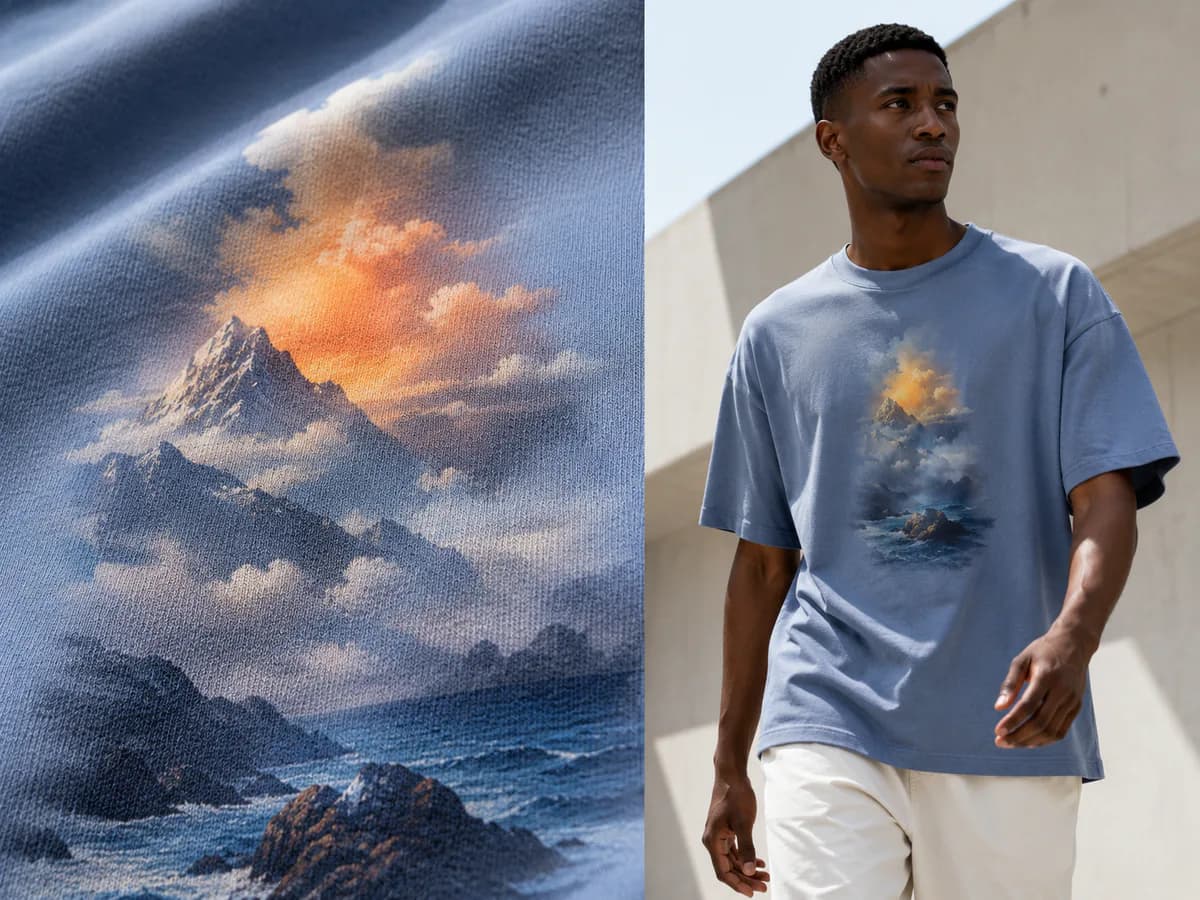
DTG Printing
Visual Result: Photographic, gradient-capable with soft hand feel.
Best For: Complex artwork, gradients, photographic images and sampling.
Suitable Fabrics: Cotton and high-cotton jersey; pretreatment required.
Confirm Before Sampling: Fabric composition, pretreatment, colour accuracy, wash durability.
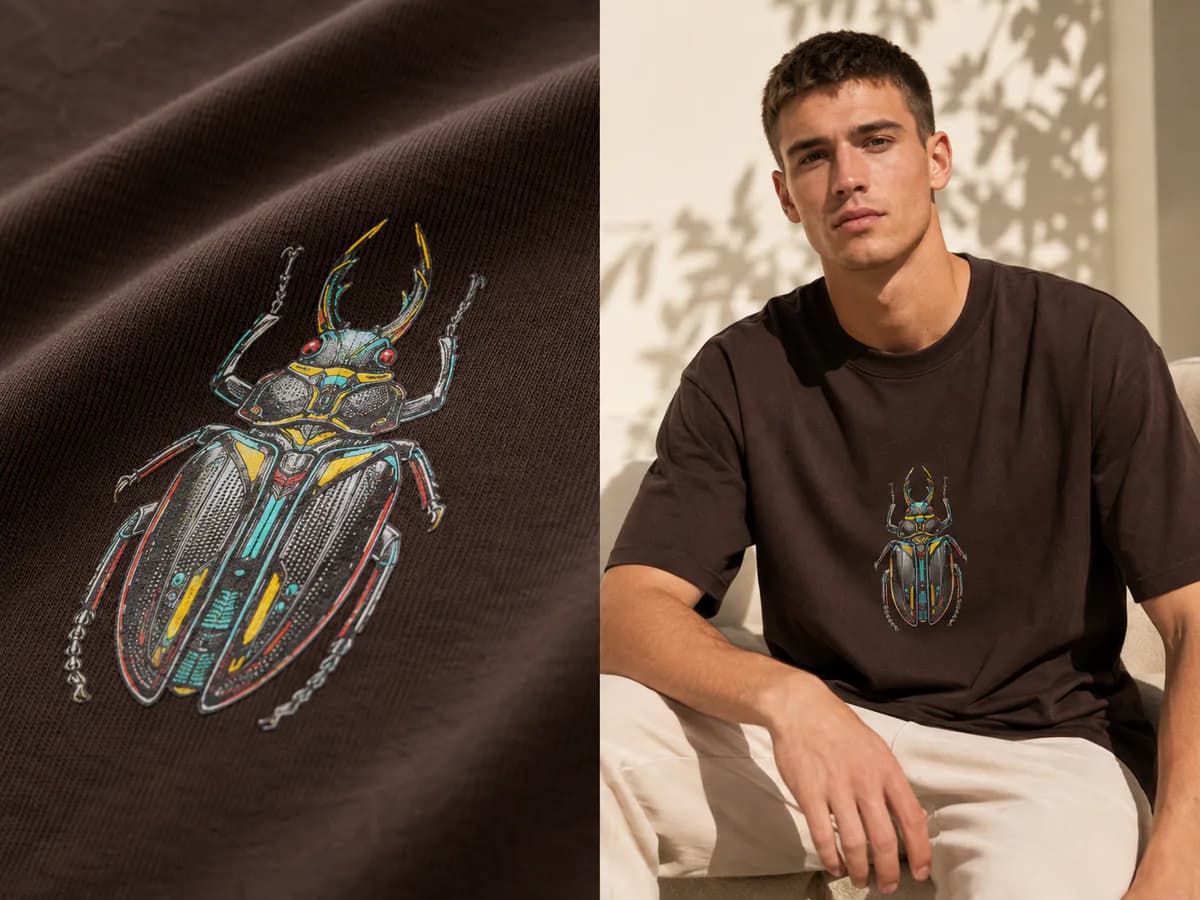
DTF / Heat Transfer
Visual Result: Sharp edges, clean logos, controllable opacity.
Best For: Clear brand marks and applications where screen or DTG may not suit.
Suitable Fabrics: Most fabric types; confirm adhesion and stretch compatibility.
Confirm Before Sampling: Adhesion, stretch recovery, wash performance and hand feel.
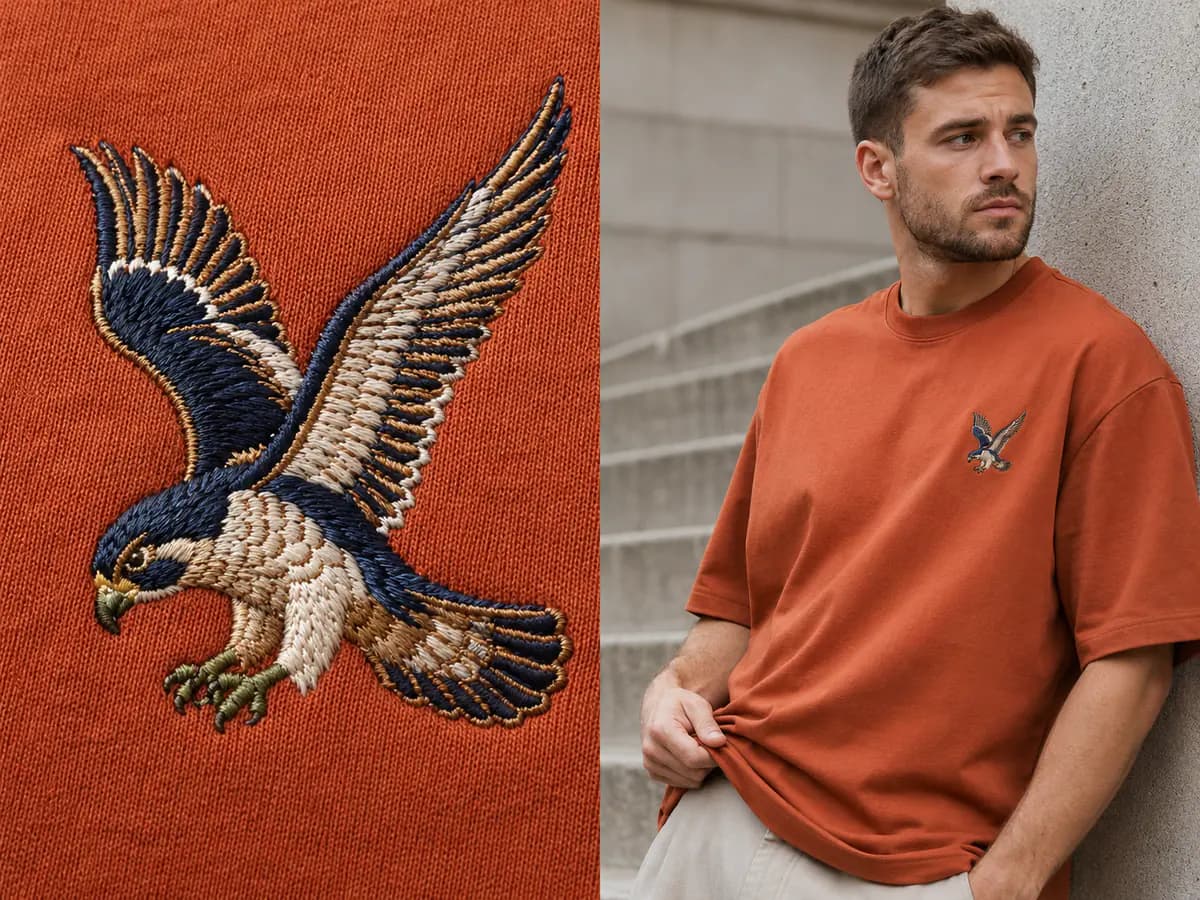
Embroidery
Visual Result: Dimensional, tactile, long-lasting brand presence.
Best For: Logos, marks and identifiers needing depth and perceived quality.
Suitable Fabrics: Stable jersey and heavyweight fabrics; avoid very lightweight.
Confirm Before Sampling: Stitch count, size, backing, placement, fabric weight compatibility.
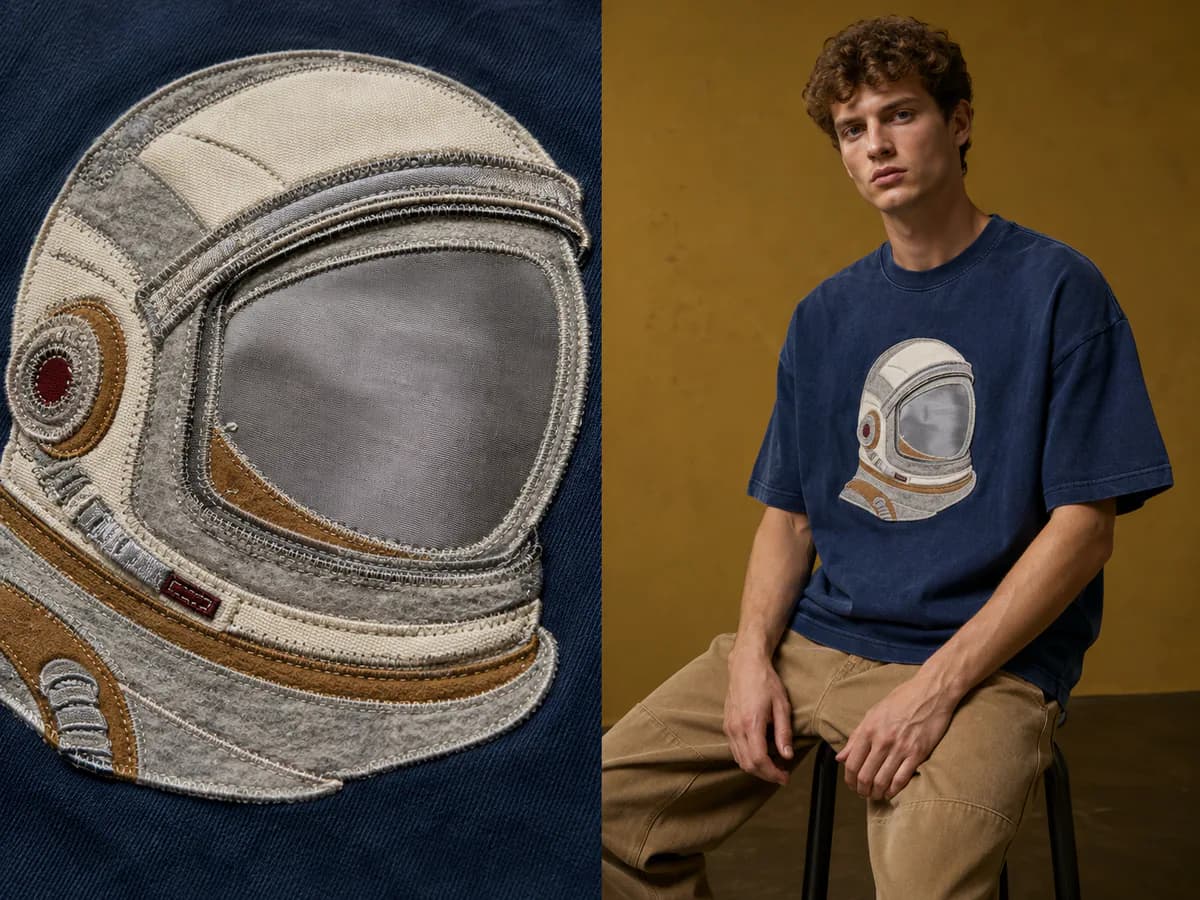
Appliqué / Patches
Visual Result: Layered fabric pieces stitched or bonded to the garment.
Best For: Brand marks with mixed-material or dimensional character.
Suitable Fabrics: Stable base fabrics; patch material confirmed per project.
Confirm Before Sampling: Patch material, attachment method, placement and wash durability.
Project-specific / Subject to feasibility review
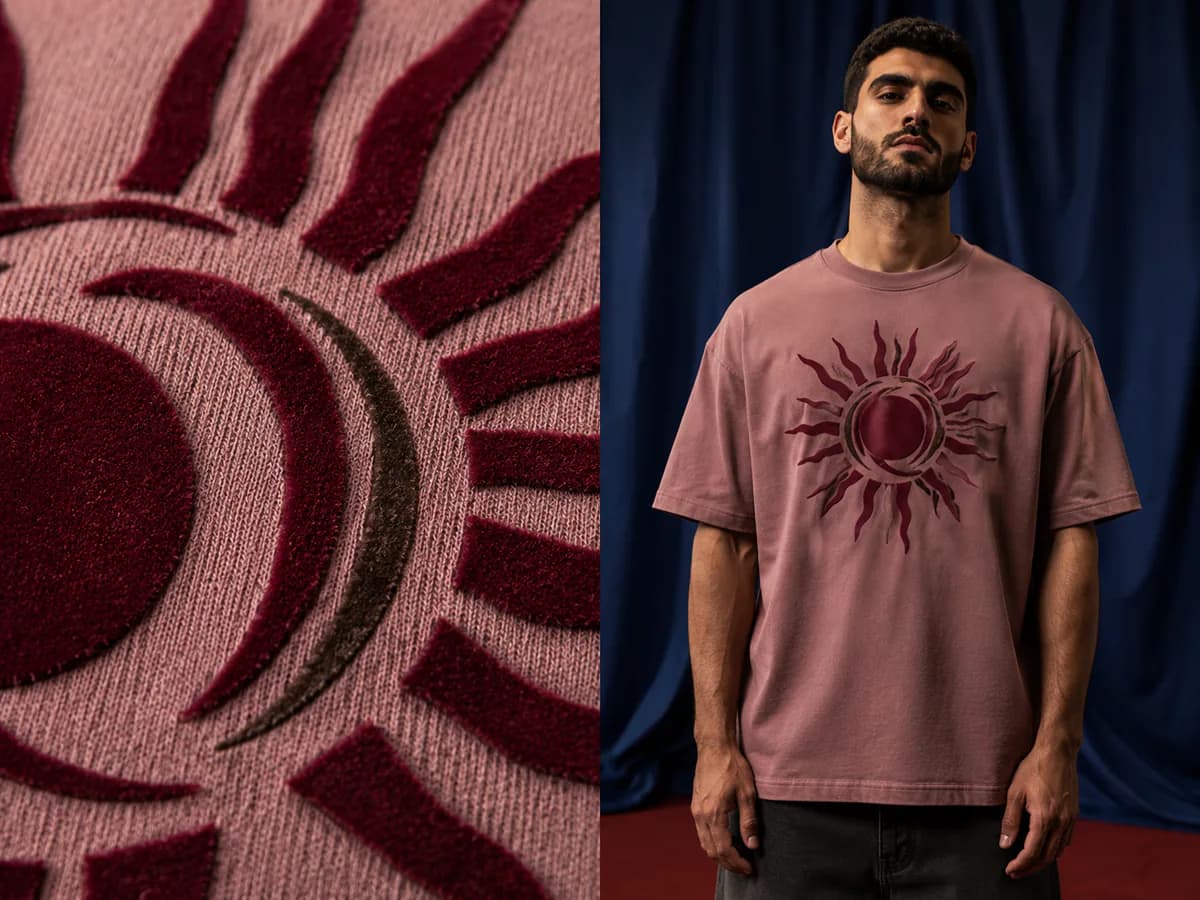
Flocking
Visual Result: Velvet-like raised surface with soft tactile finish.
Best For: Premium tactile logos and decorative elements.
Suitable Fabrics: Stable jersey surfaces.
Confirm Before Sampling: Flock colour, density, adhesion, wash durability and hand feel.
Project-specific / Subject to feasibility review
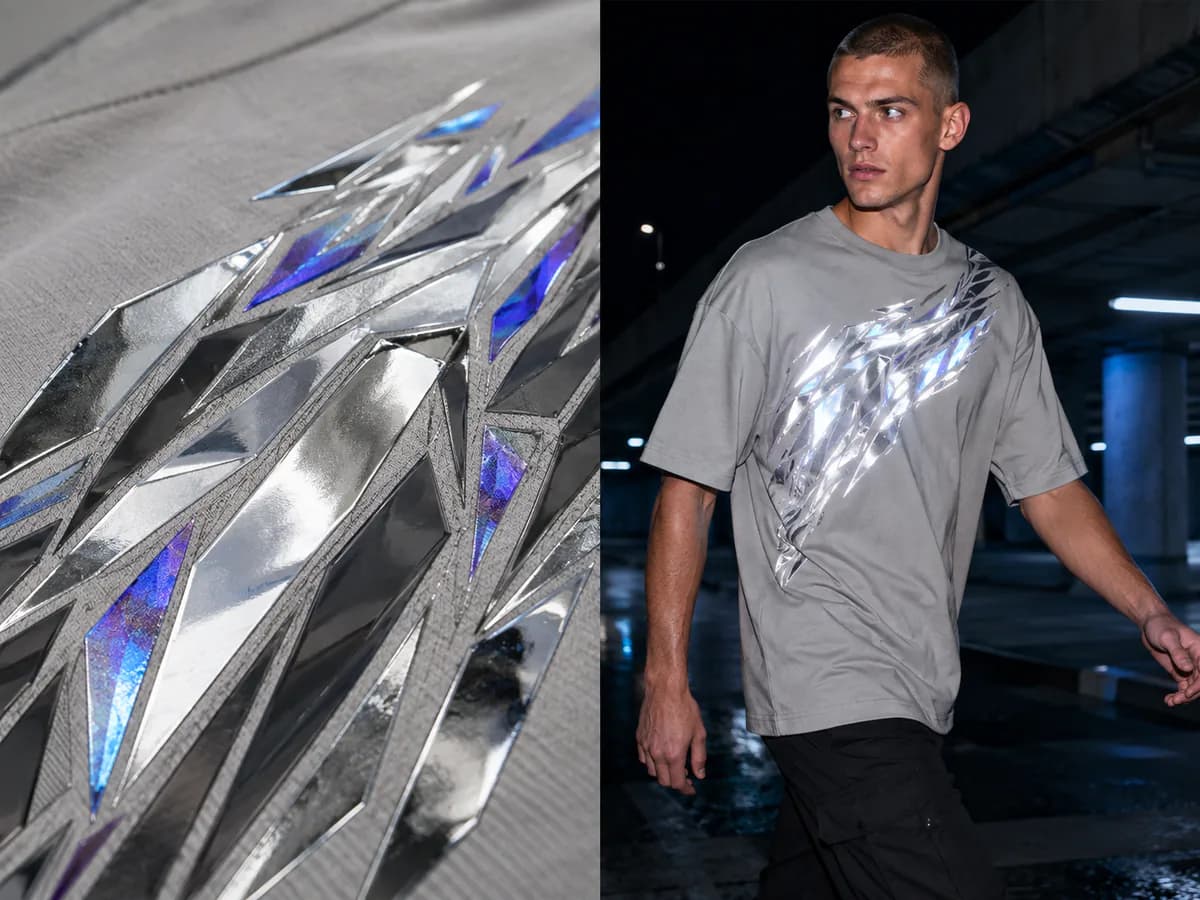
Foil / Reflective Effects
Visual Result: Metallic sheen or light-reflective surface.
Best For: High-visibility marks, streetwear accents and safety applications.
Suitable Fabrics: Smooth, stable jersey surfaces.
Confirm Before Sampling: Foil colour, adhesion, wash durability and crack resistance.
Project-specific / Subject to feasibility review
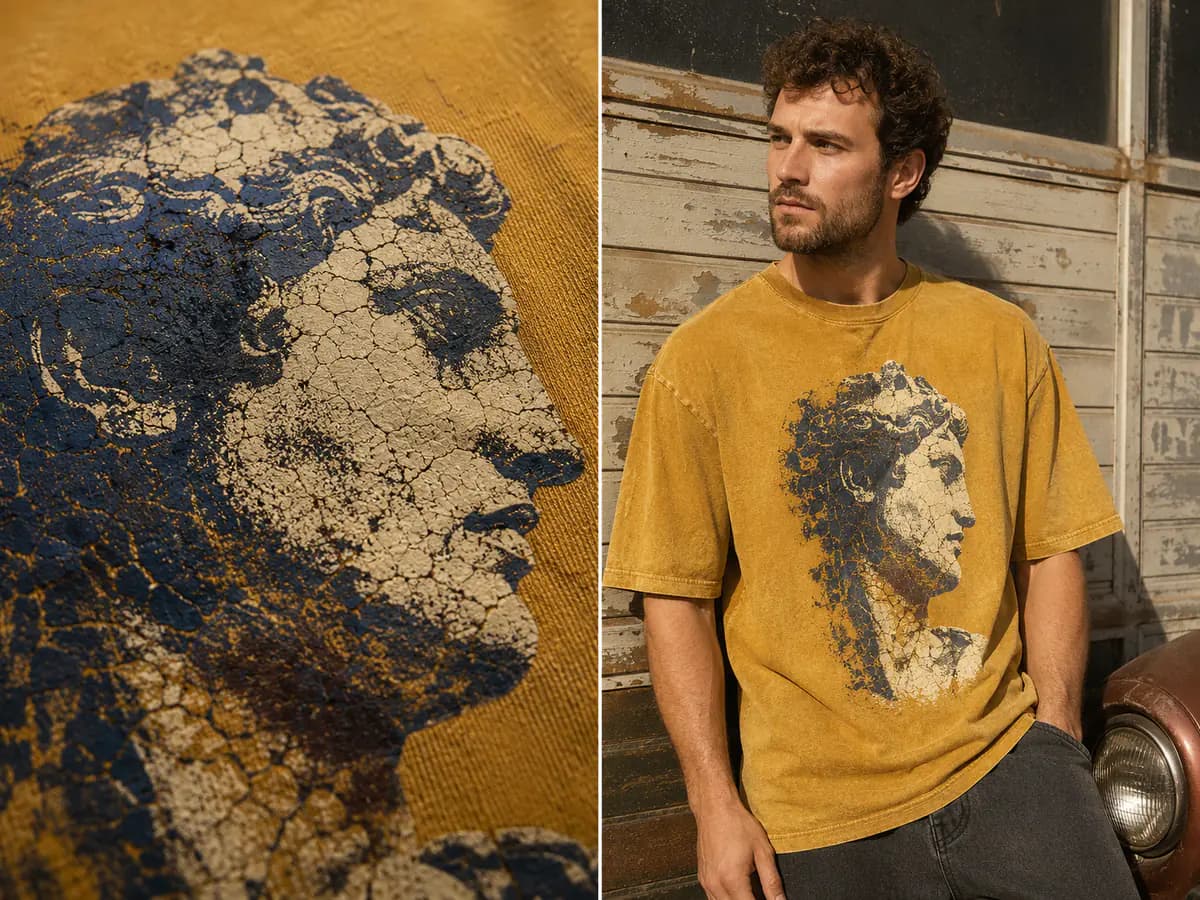
Distressed / Crackle Printing
Visual Result: Intentionally cracked or aged print surface.
Best For: Vintage-inspired graphics and directional streetwear.
Suitable Fabrics: Cotton and cotton-blend jerseys.
Confirm Before Sampling: Crack level, colour, placement, wash durability and consistency.
Effect varies by piece; consistency managed within tolerance
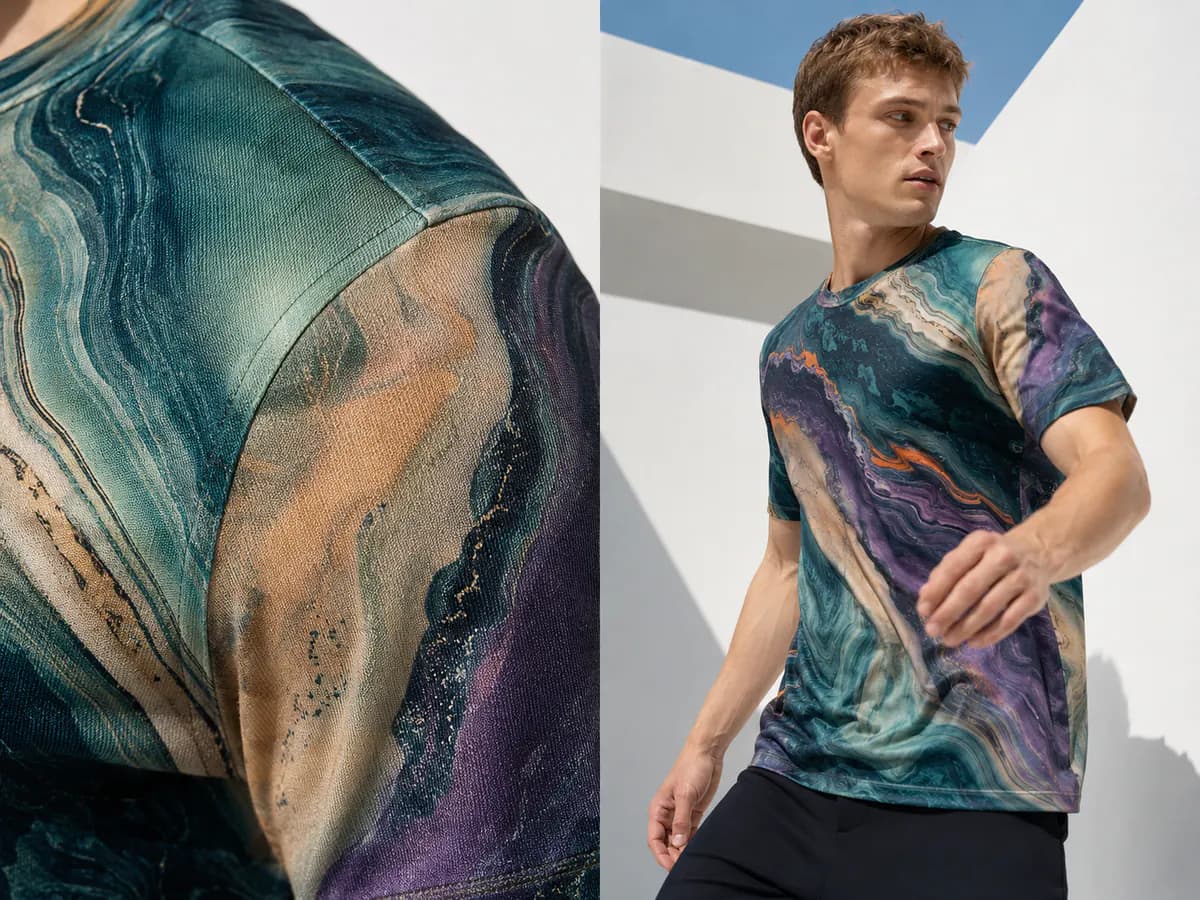
All-Over / Sublimation Printing
Visual Result: Full-coverage graphics from seam to seam.
Best For: All-over prints where the graphic is the primary visual.
Suitable Fabrics: Polyester or high-polyester blends for sublimation.
Confirm Before Sampling: Artwork resolution, seam alignment, colour accuracy and wash fastness.
Sublimation limited to polyester and polyester-rich fabrics
LOOKING FOR ANOTHER PRINT, EMBROIDERY OR FINISHING EFFECT?
Share the artwork or visual reference. We will review compatibility with the garment, fabric, quantity and required result.
DISCUSS YOUR REQUIREMENTBRANDING & PACKAGING
Finish the garment as your product, not ours.
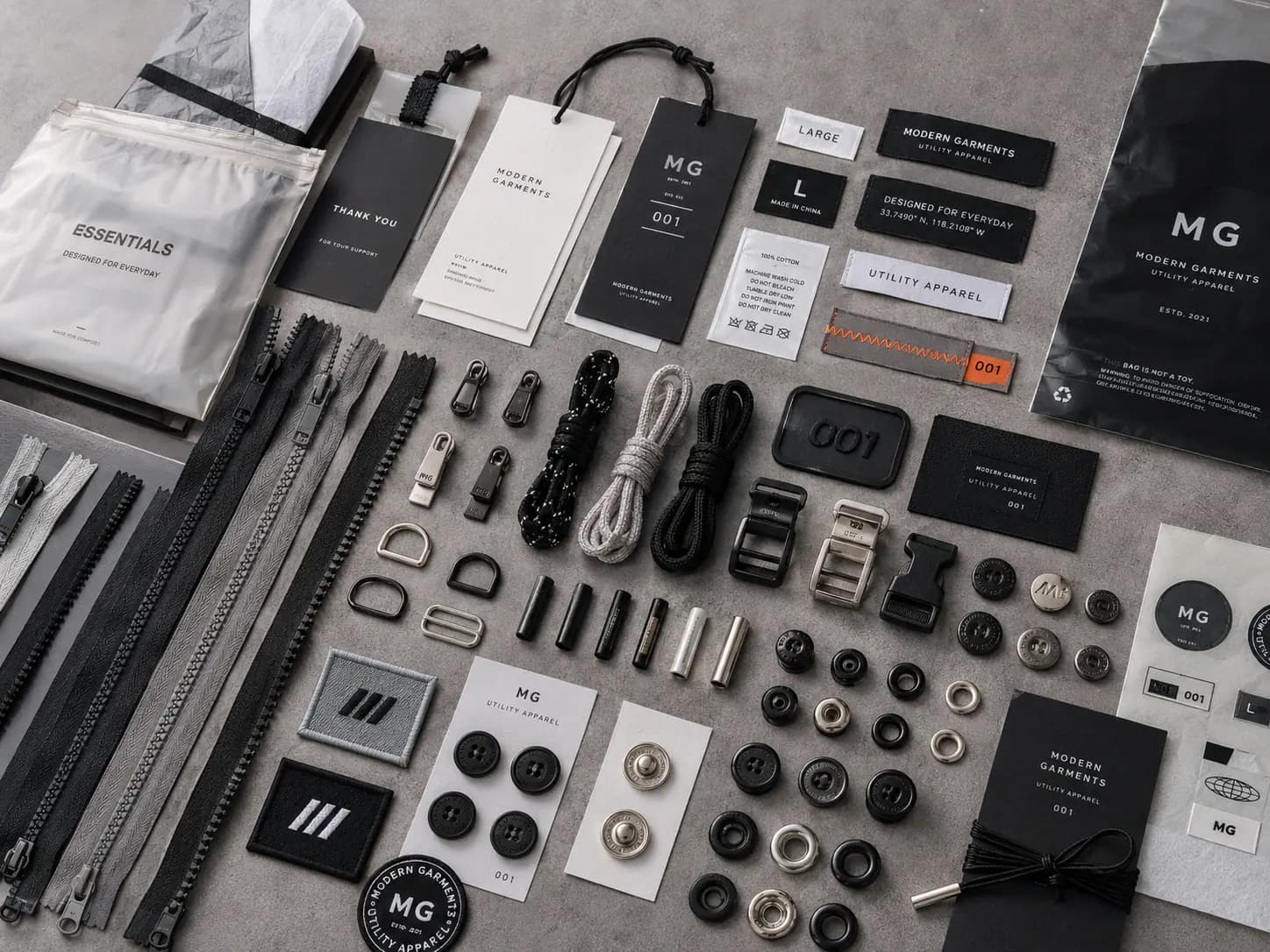
- Main Label
- Size Label
- Care Label
- Printed Neck Label
- Hangtag
- Polybag
- Sticker
- Custom Packaging
Brand finishing details are confirmed during the project and bulk-order stage, executed according to brand artwork files, sales-market requirements and packaging specifications.
EXPLORE FABRICS, TRIMS & PACKAGINGFROM REFERENCE TO APPROVAL
A focused development path for custom T-shirts.
Review Your Reference
Confirm reference images, sample, tech pack, quantity, target market and product direction before development begins.
Confirm Fit, Fabric & Decoration
Discuss measurements, silhouette, fabric, colour, graphics, techniques and brand details for the sample.
Develop & Revise the Sample
Produce the sample and adjust fit, fabric or finish according to brand feedback and wear-test results.
Approve for Bulk Production
Confirm the final sample, production specifications and order details before moving into bulk.
HAVE A T-SHIRT REFERENCE READY?
Share the style, target quantity, fabric direction and required techniques.
Our team will review feasibility and recommend the most practical development route for your project.
QUALITY FOCUS
Control the details customers notice after wearing and washing.
- 01Neckline shape and rib recovery after wear and washing
- 02Fabric shade, surface consistency and hand feel across the order
- 03Shrinkage and dimensional change measured against the approved sample
- 04Graphic colour, registration, placement and wash appearance
- 05Wash-effect consistency managed within agreed tolerance
- 06Bulk fit compared with the approved reference sample
Before you send the T-shirt brief.
01What is your MOQ for custom T-shirts?
Typical projects can start from around 100 pieces, depending on fabric, colour, decoration, size range and project complexity. Final MOQ is confirmed after the project scope is reviewed.
02Can you develop a T-shirt from a reference image?
Yes. Clients may begin with reference images, a physical sample, sketch, tech pack or product idea. Each starting point leads to a different development path, and KAOUYOU will advise on what is most practical for your project.
03Can I customize the measurements and fit?
Yes. Chest width, body length, shoulder, sleeve, neckline and other measurements can be developed according to the required silhouette. Fit development is a core part of the process, not an afterthought.
04Which T-shirt fabric is best for an oversized fit?
Heavyweight cotton jersey and interlock / double-knit fabrics are typical starting points for oversized silhouettes. The final recommendation depends on the desired drape, structure, decoration plan and wash treatment.
05What fabric weights can I choose?
KAOUYOU can source lightweight, midweight and heavyweight jersey directions according to the required hand feel, structure, decoration and order quantity. Specific weight is confirmed through project-based sourcing.
06What is the difference between screen print, DTG and DTF?
Screen printing produces bold, opaque, high-durability results suited for larger quantities. DTG (direct-to-garment) handles photographic and gradient artwork with a soft hand, ideal for sampling and small runs. DTF (direct-to-film) transfers sharp, clean graphics onto a wide range of fabrics. The best choice depends on artwork, fabric, quantity and target appearance.
07Can different decoration techniques be combined?
Yes — combinations such as screen print with embroidery, puff with foil, or DTG with appliqué can be evaluated. Each combination is reviewed for compatibility, production sequence and durability.
08Can you produce washed or garment-dyed T-shirts?
These effects can be evaluated according to fabric composition, target appearance, quantity and sample requirements. Different fabrics react differently to dye and wash processes, so the result must be confirmed through sample approval.
09How is neckline quality controlled?
Neck rib width, height, composition and recovery are specified during development. Shoulder taping reinforces the neckline. Bulk production necklines are checked against the approved sample for shape, tension and recovery after wash testing.
10Can you add custom labels and packaging?
Yes. Main labels, size labels, care labels, neck prints, hangtags, polybags, stickers and project-specific packaging can be coordinated according to brand artwork and sales-market requirements.
11How long does T-shirt sampling take?
A regular first sample usually takes around 7–12 days after the sample fee and required details are confirmed. Complex fabrics, decoration or wash techniques may require additional time — this is discussed before sampling begins.
12Can I produce several colours?
Colour combinations can be discussed according to fabric sourcing, order quantity, decoration and production requirements. Multiple colours in the same style are common, but practical limits depend on the specific fabric and decoration plan.
START YOUR T-SHIRT PROJECT
Bring the reference. Build the T-shirt your brand needs.
Share your image, sample, sketch or tech pack. KAOUYOU will review the fit, fabric, decoration, quantity and development requirements before the project begins.
Product references
T-shirt samples available for development.
Open a real sample reference to compare visible fit, construction and finishing directions before defining your own development brief.
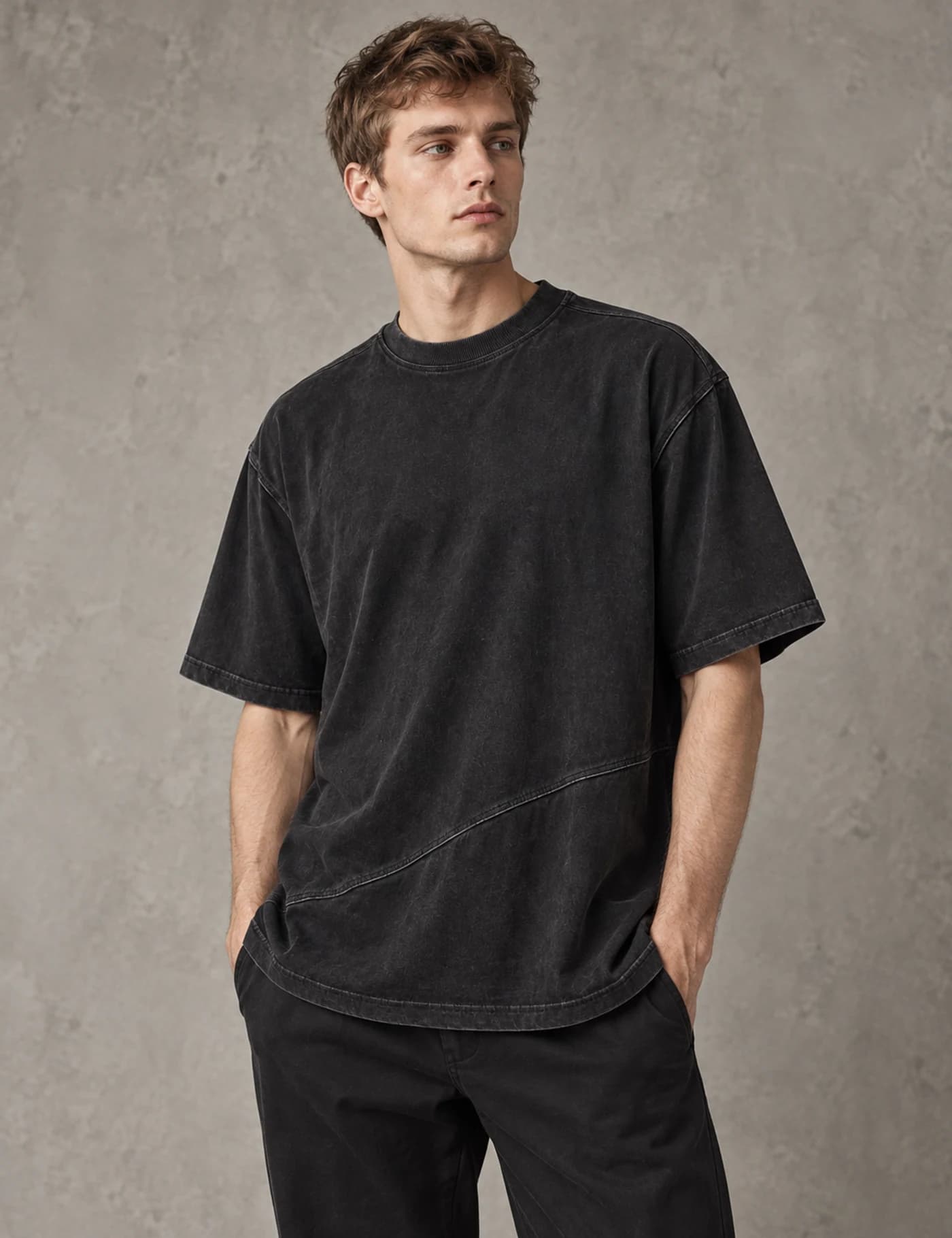
PK-070
Washed Asymmetric-Seam Oversized T-Shirt
View product details →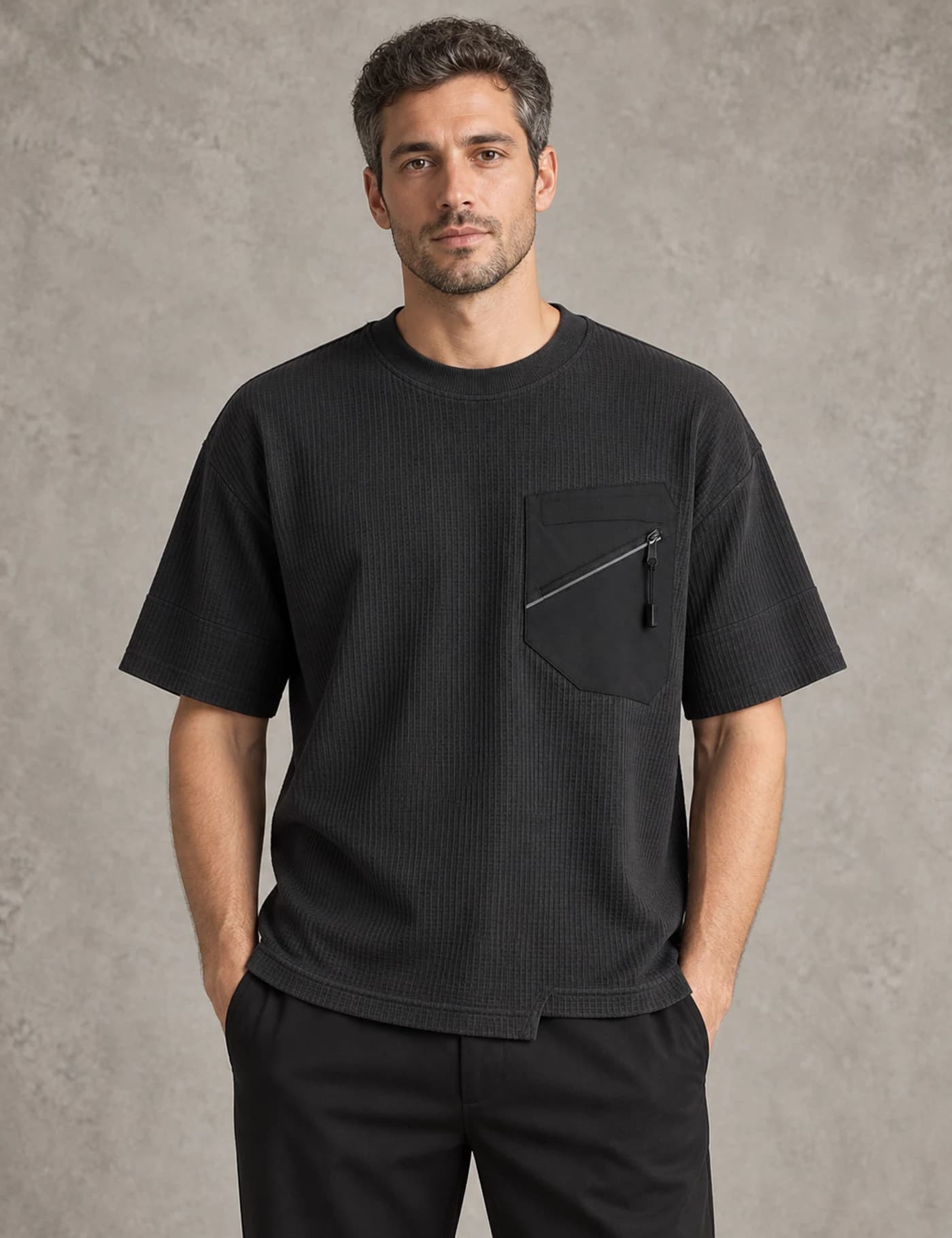
PK-068
Zip-Pocket Textured T-Shirt
View product details →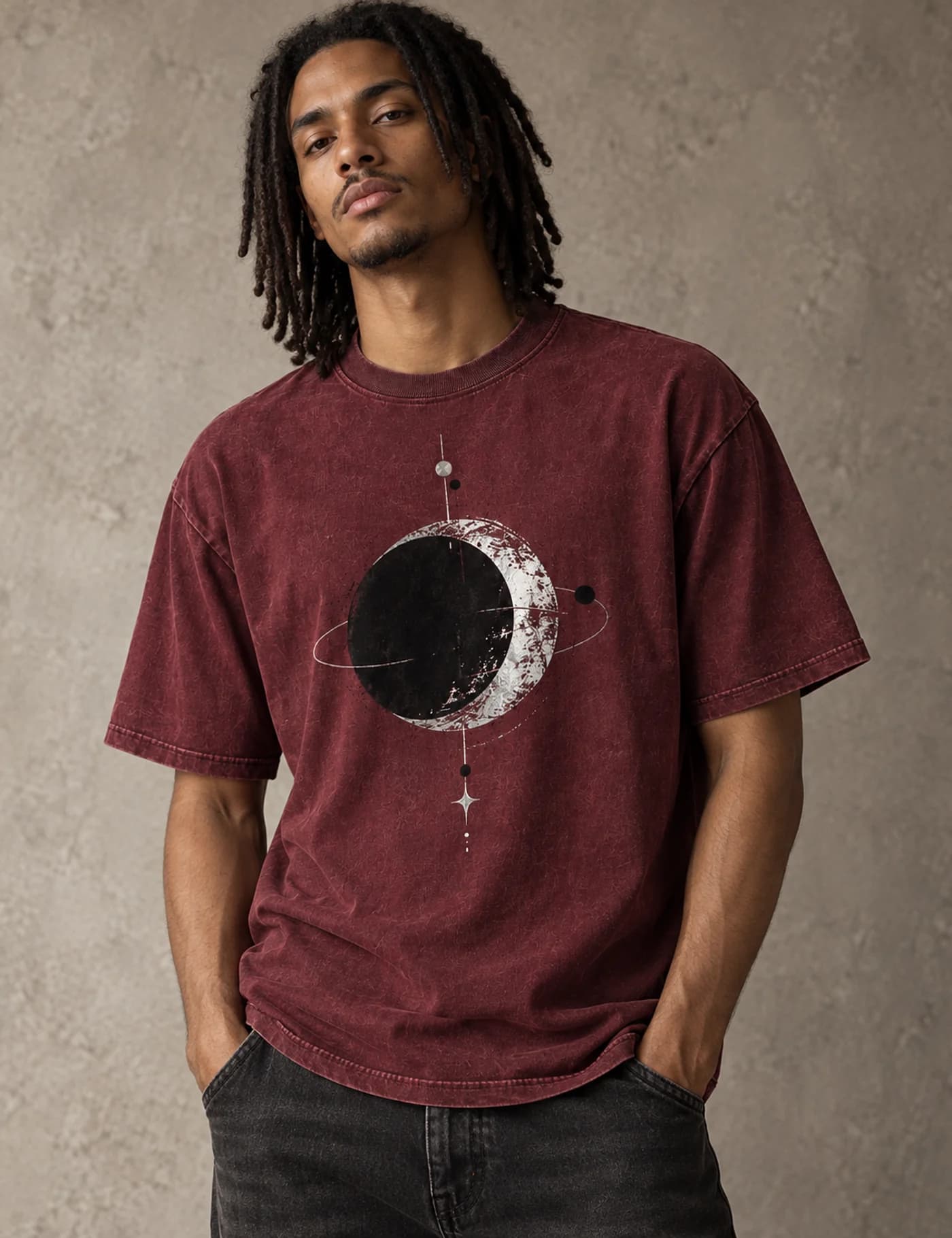
PK-065
Washed Planet Graphic Oversized T-Shirt
View product details →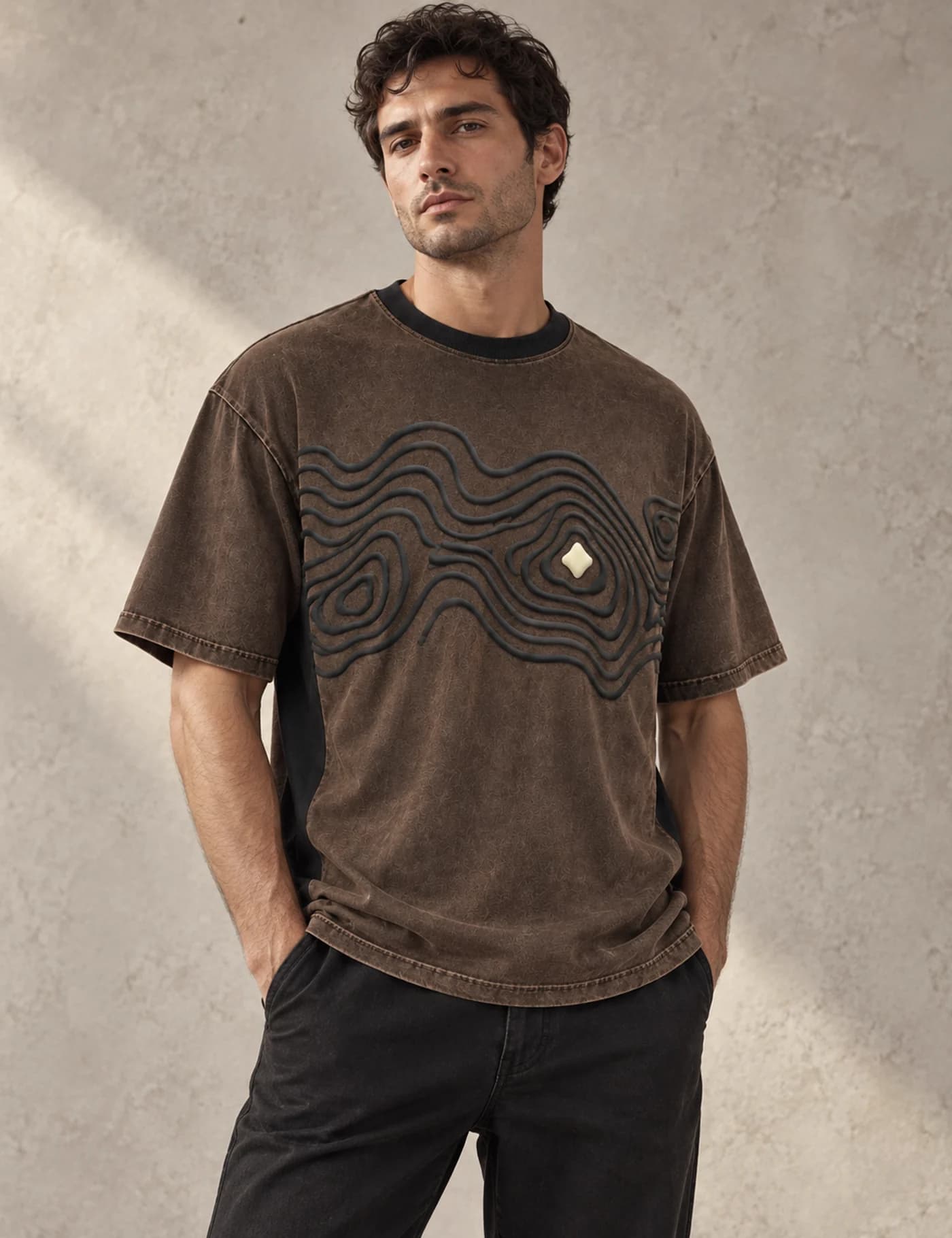
PK-058
Raised-Cord Embroidered Oversized T-Shirt
View product details →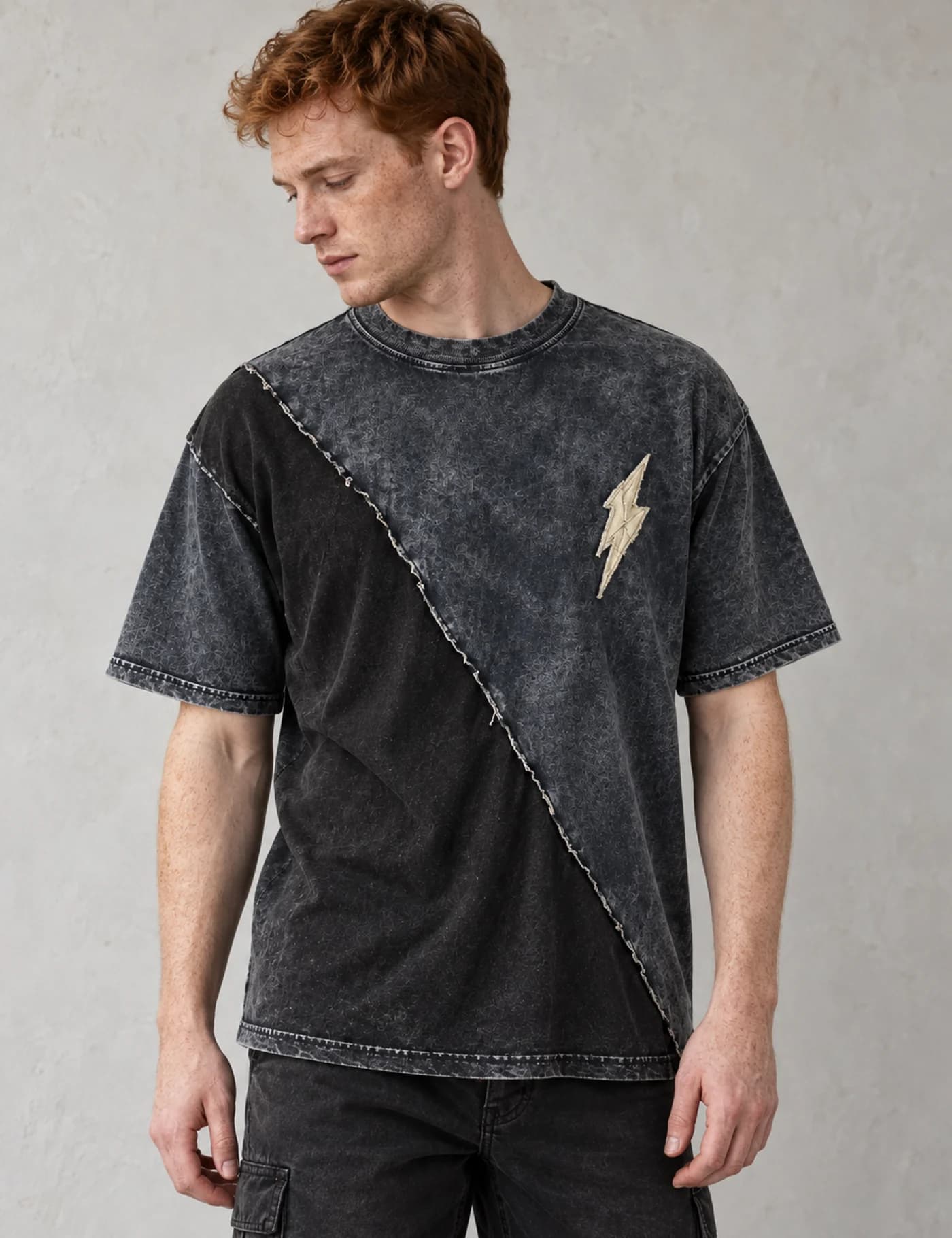
PK-052
Washed Contrast-Panel T-Shirt
View product details →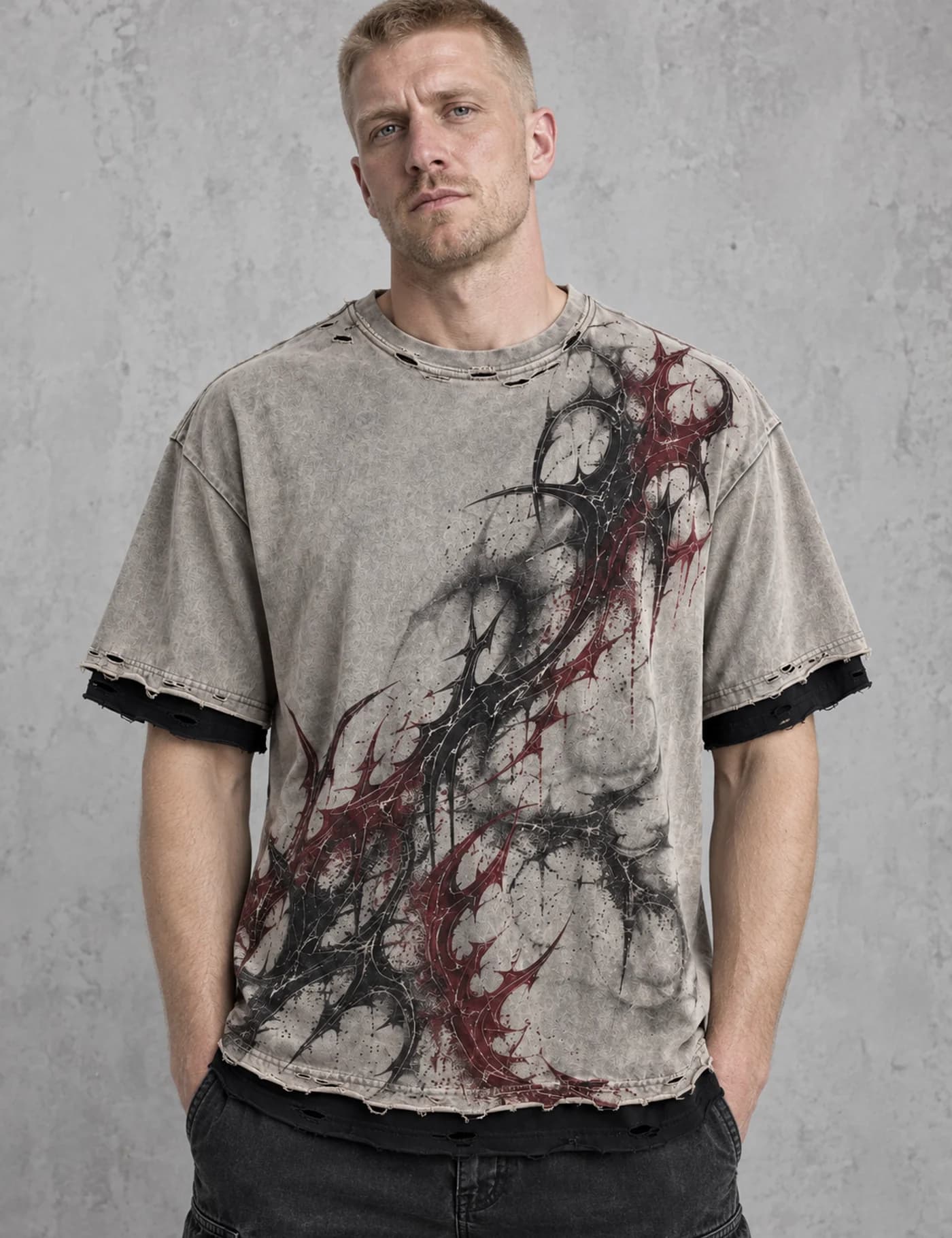
PK-049
Distressed Layered Graphic T-Shirt
View product details →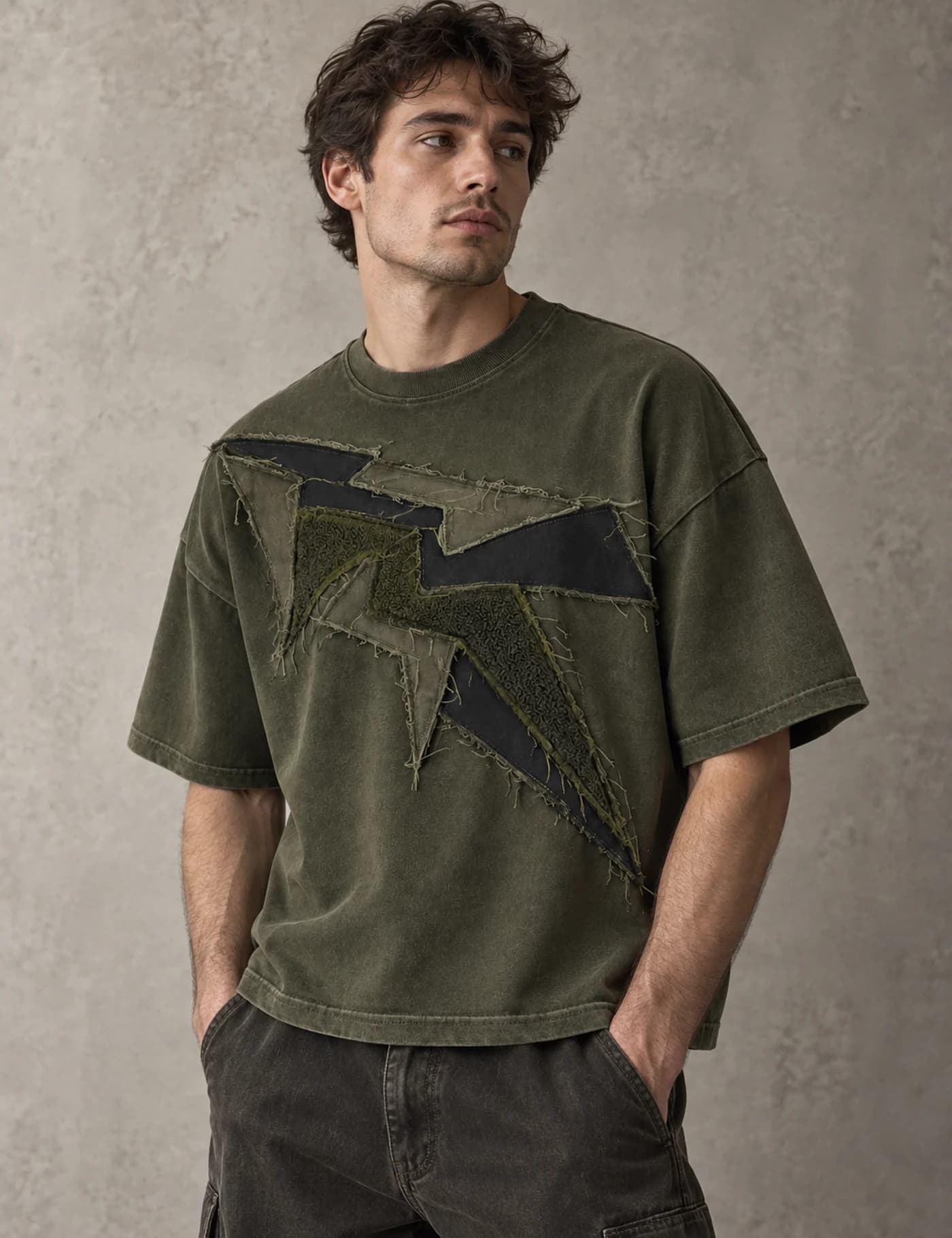
PK-048
Raw-Edge Appliqué Oversized T-Shirt
View product details →
PK-045
Photographic Graphic T-Shirt
View product details →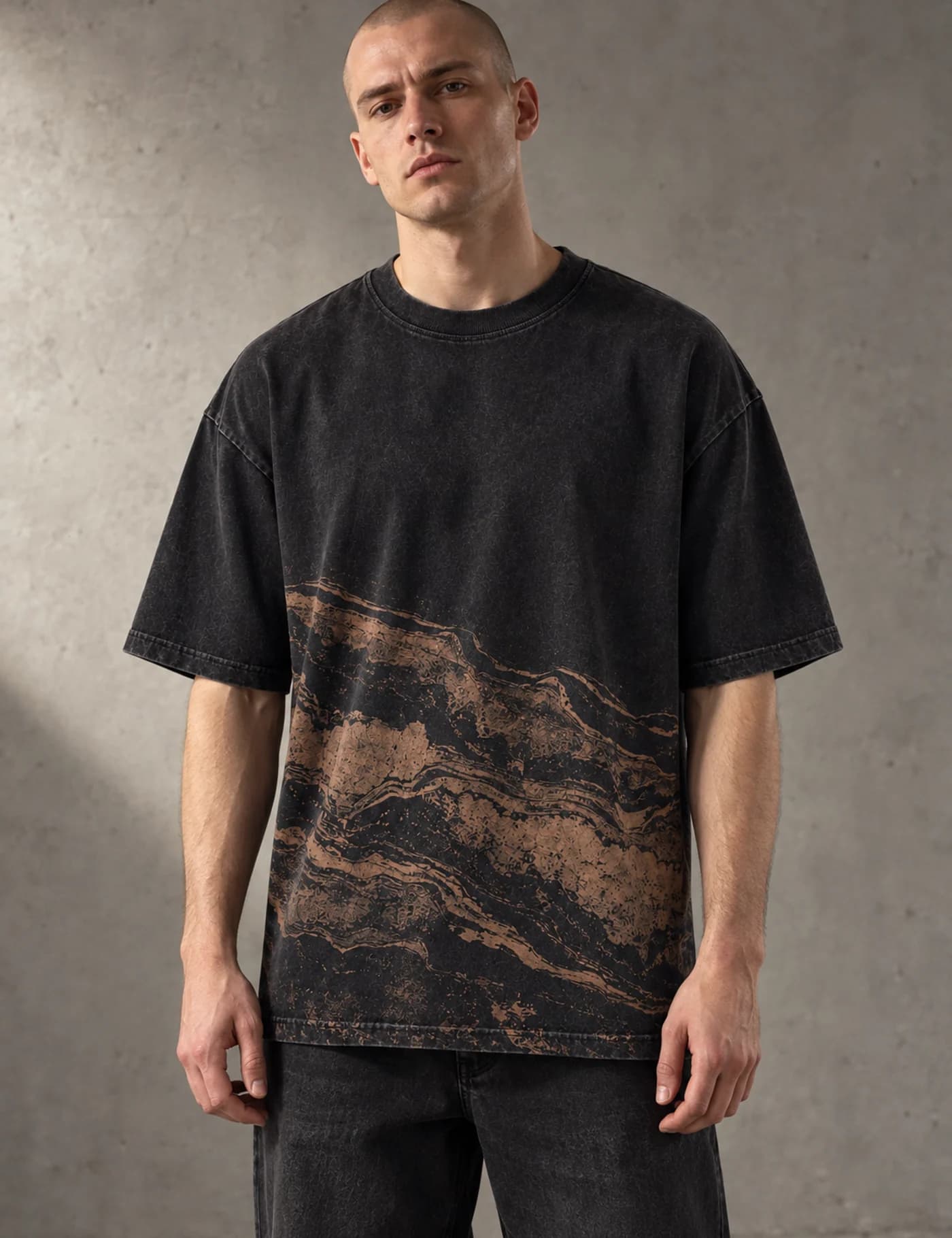
PK-044
Washed Placement Graphic T-Shirt
View product details →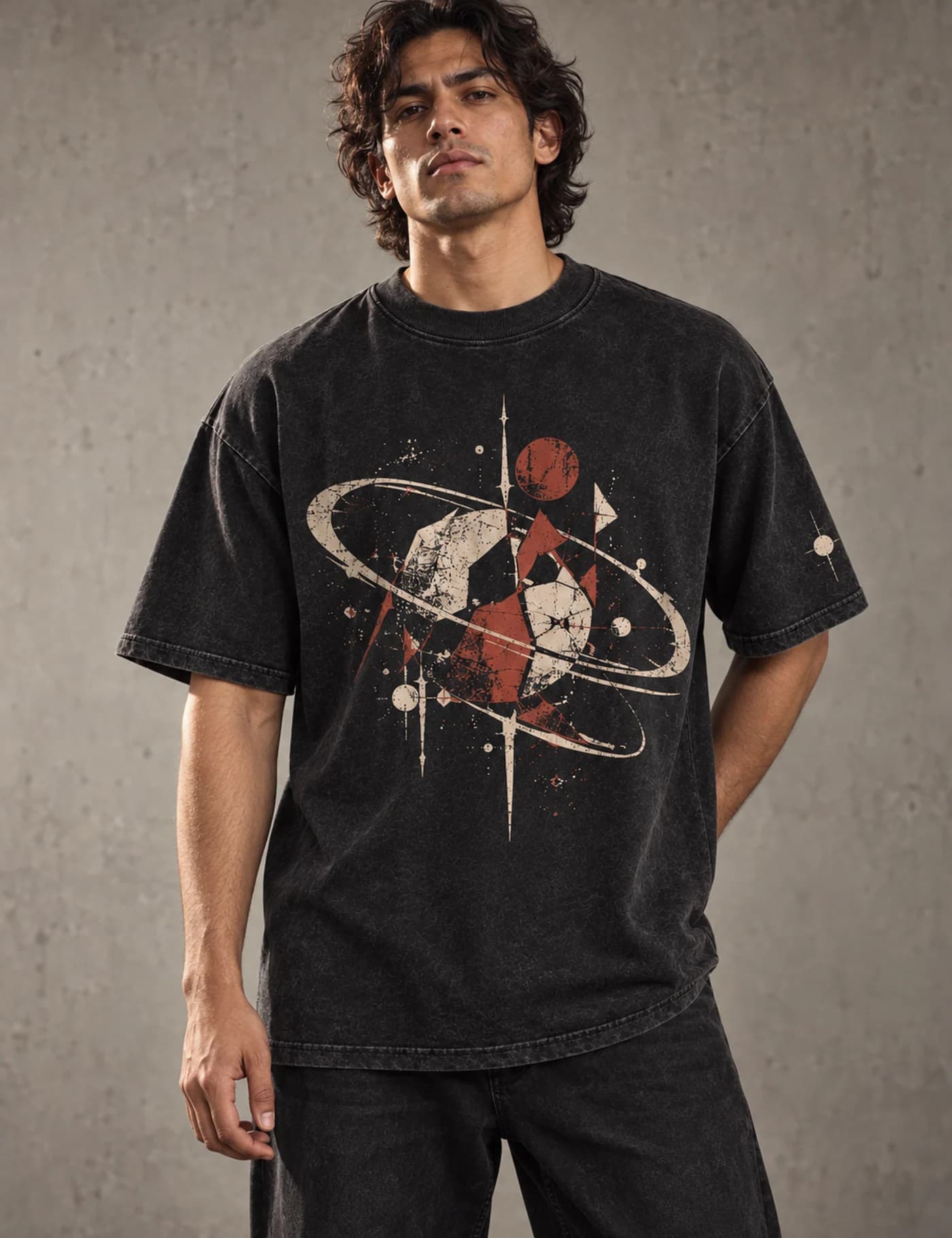
PK-042
Oversized Cracked Graphic T-Shirt
View product details →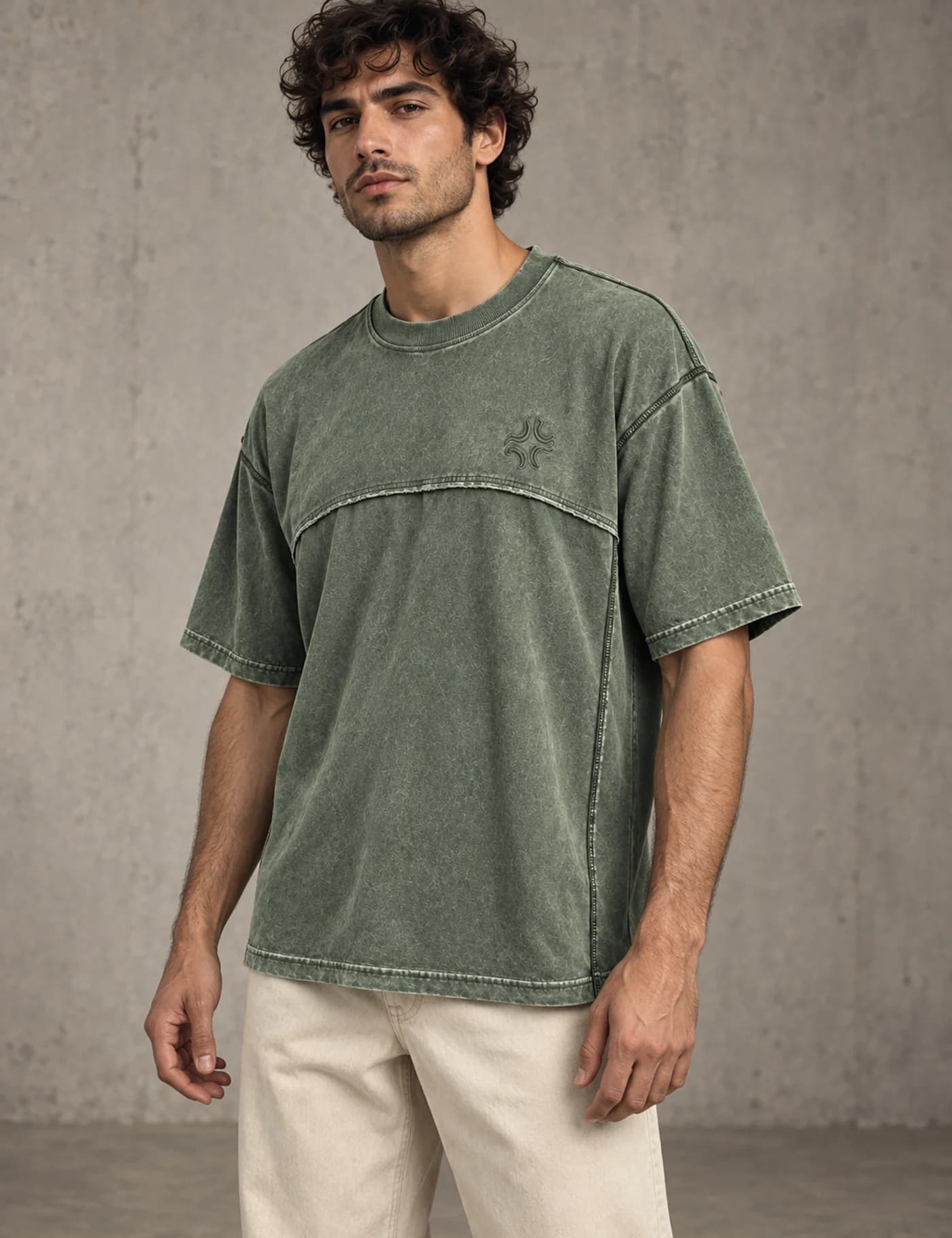
PK-041
Washed Panel Seam T-Shirt
View product details →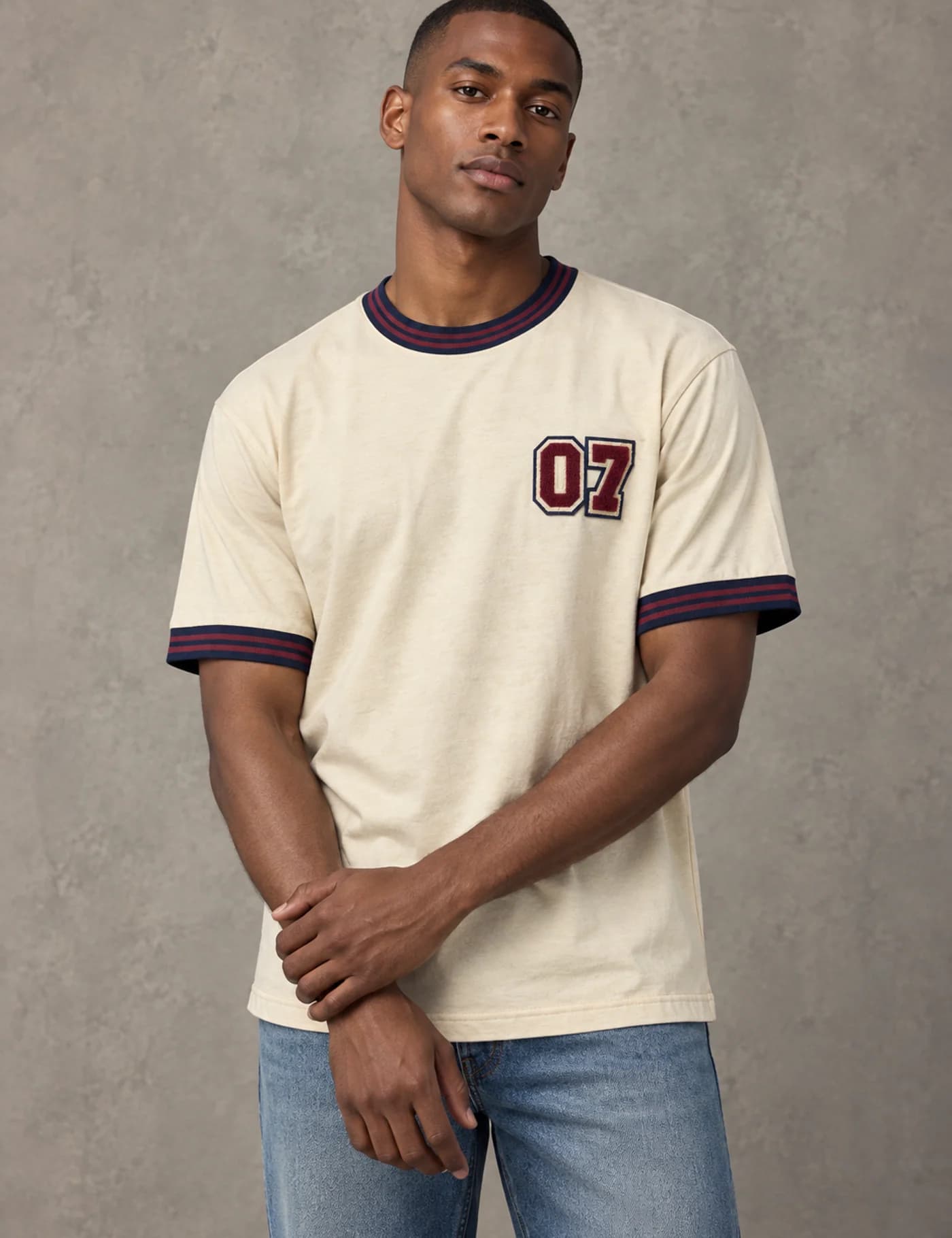
PK-040
Chenille Embroidery Ringer T-Shirt
View product details →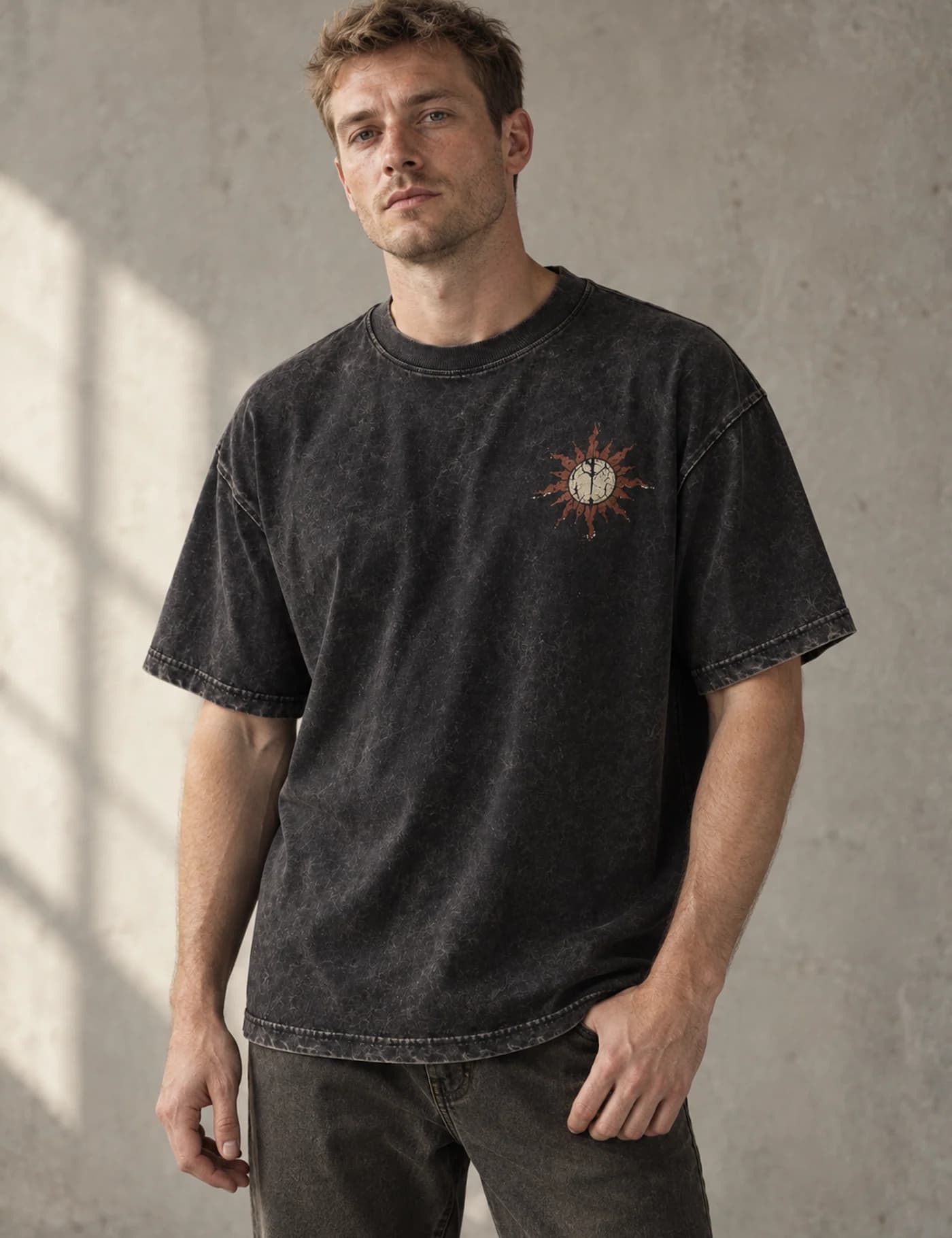
PK-039
Vintage Cracked Print T-Shirt
View product details →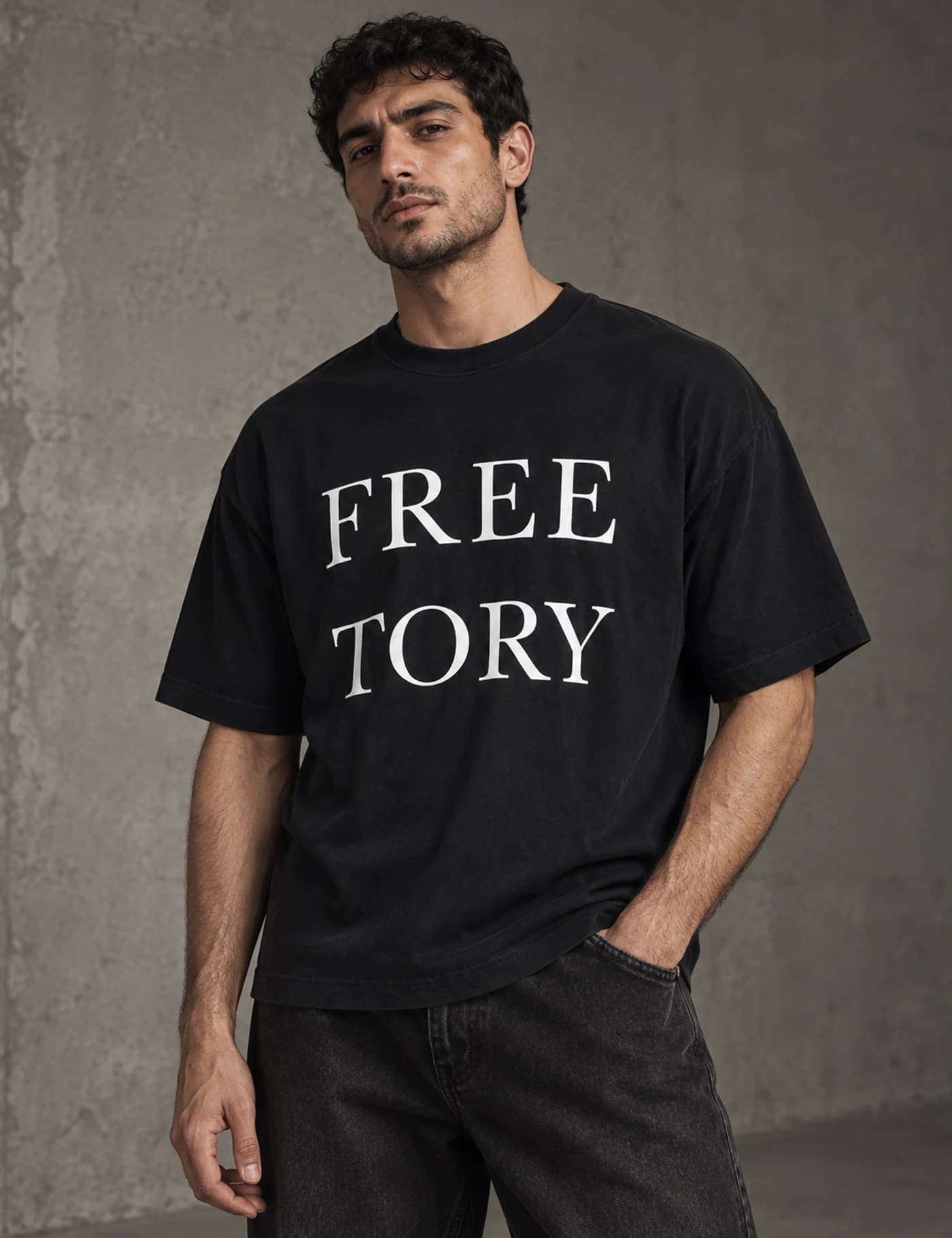
PK-030
Black Boxy Fit Graphic T-Shirt
View product details →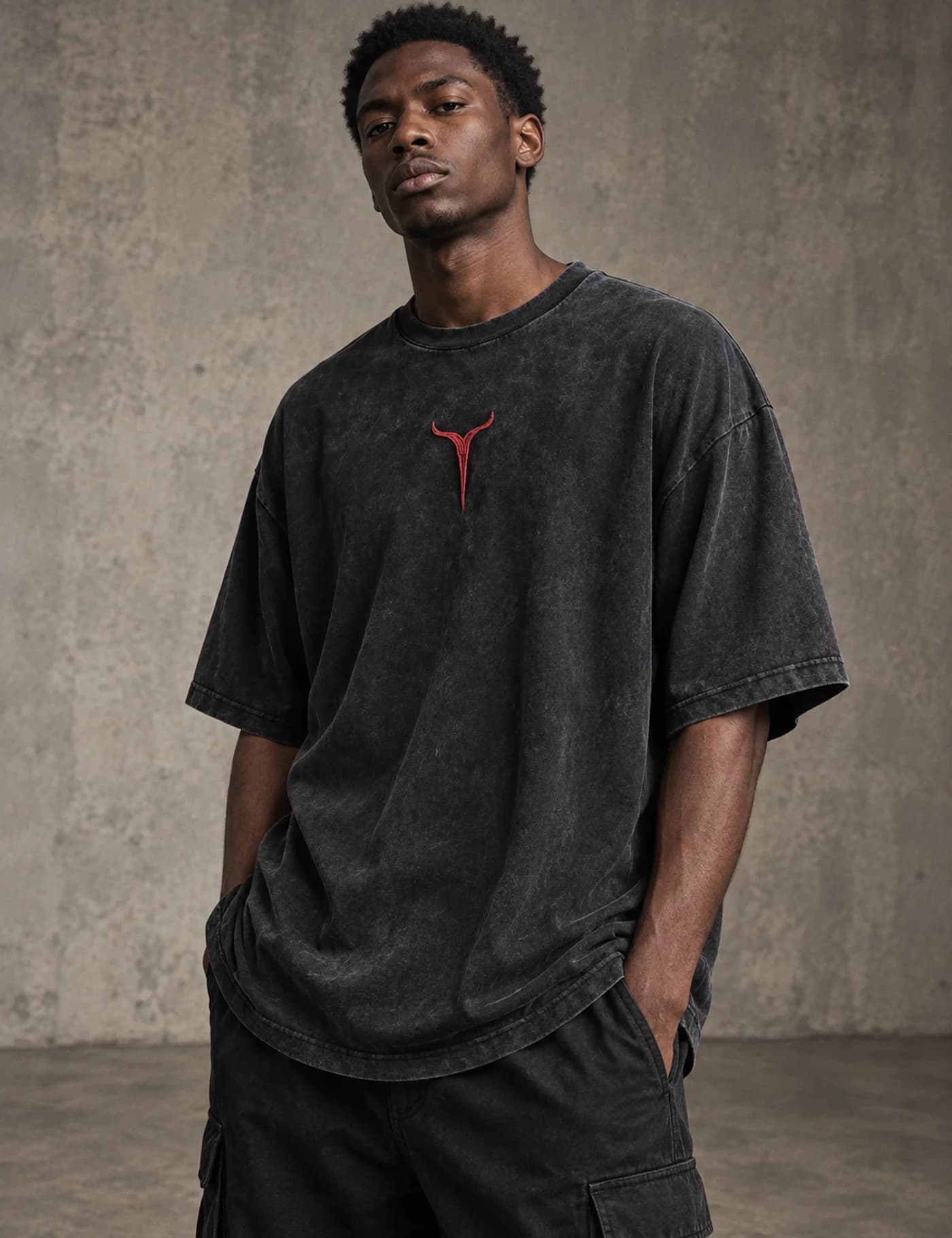
PK-025