Custom Menswear Manufacturing / OEM & ODM / Worldwide Delivery

KAOUYOUMEN

Technique decisions for clothing brands

Garment Techniques for Custom Menswear

Learn how construction, washing, surface treatments and technical applications change appearance, hand feel, measurements and repeatability—then choose a workable direction before sampling.

This is a selection guide, not a fixed capability or effect catalogue. Feasibility depends on the garment, materials, processing conditions and physical sample.
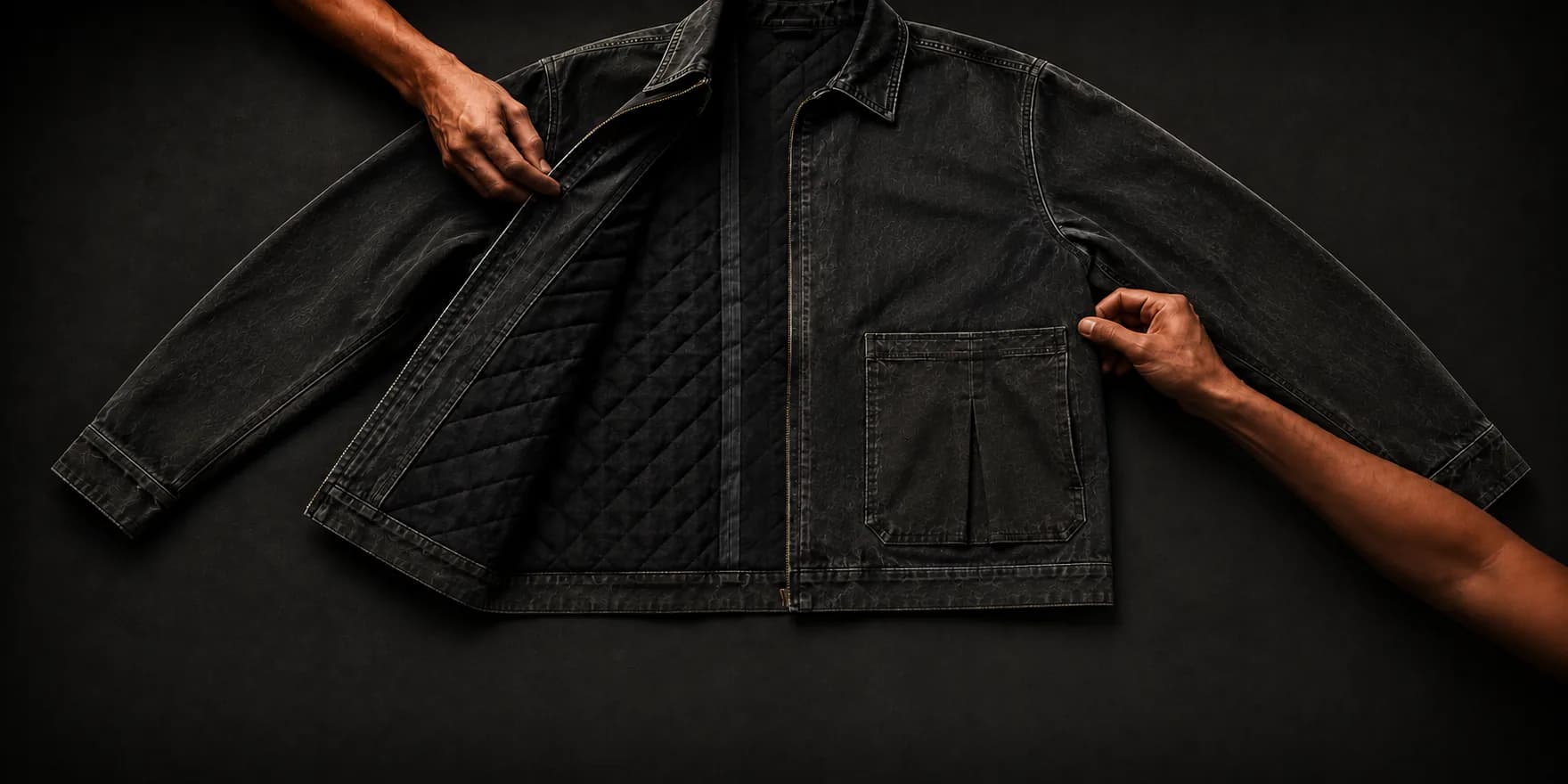
A washed menswear jacket being reviewed for construction, lining and finishing techniques
Decision pathEffect · Compatibility · Approval

Start with the result

Choose the Effect Before the Technique

Define how the garment should look, feel and behave, then identify the process family that can support it.

01

Softer or More Worn-In

Relaxed hand feel, faded colour or an aged surface.

Explore
Garment dye · Enzyme wash · Brushing
Confirm
Shade, shrinkage, strength and trims
02

Cleaner or More Technical

Controlled edges, flatter joins and less visible stitching.

Explore
Bonding · Seam sealing · Precision cutting
Confirm
Heat, bond strength and wash durability
03

More Structured or Dimensional

Volume, surface depth or a shape-holding silhouette.

Explore
Quilting · Pleating · Panel construction
Confirm
Loft, alignment, stiffness and movement
04

More Distinctive or Individual

Intentional variation, wear character or unusual detail.

Explore
Contrast wash · Distressing · Raw edges
Confirm
Placement, strength, repeatability and tolerance
Decision path

Desired effect → Technique family → Specific direction → Material and structure compatibility → Physical sample → Bulk tolerance approval

Four process families

Understand How Each Family Changes the Garment

These describe how a process acts on the garment—not quality levels. A design may combine several families.

01

Sewing & Construction

Changes panel joins, edge finishes and stress-point performance.

Coverstitch · Chainstitch · Binding · Bartack
02

Washing, Dyeing & Ageing

Changes colour, hand feel, dimensions and surface after assembly.

Garment dye · Enzyme wash · Stone wash · Distressing
03

Structure & Surface

Adds volume, texture or dimensional form.

Quilting · Pleating · Panels · Brushed surfaces
04

Technical Applications

Uses bonding, sealing, heat or precision construction.

Bonding · Seam sealing · Laser cutting · Reinforcement

Common directions

Compare Techniques by the Result and the Risk

Use these examples to shortlist a direction. Machines, recipes, materials and production conditions remain project-specific.
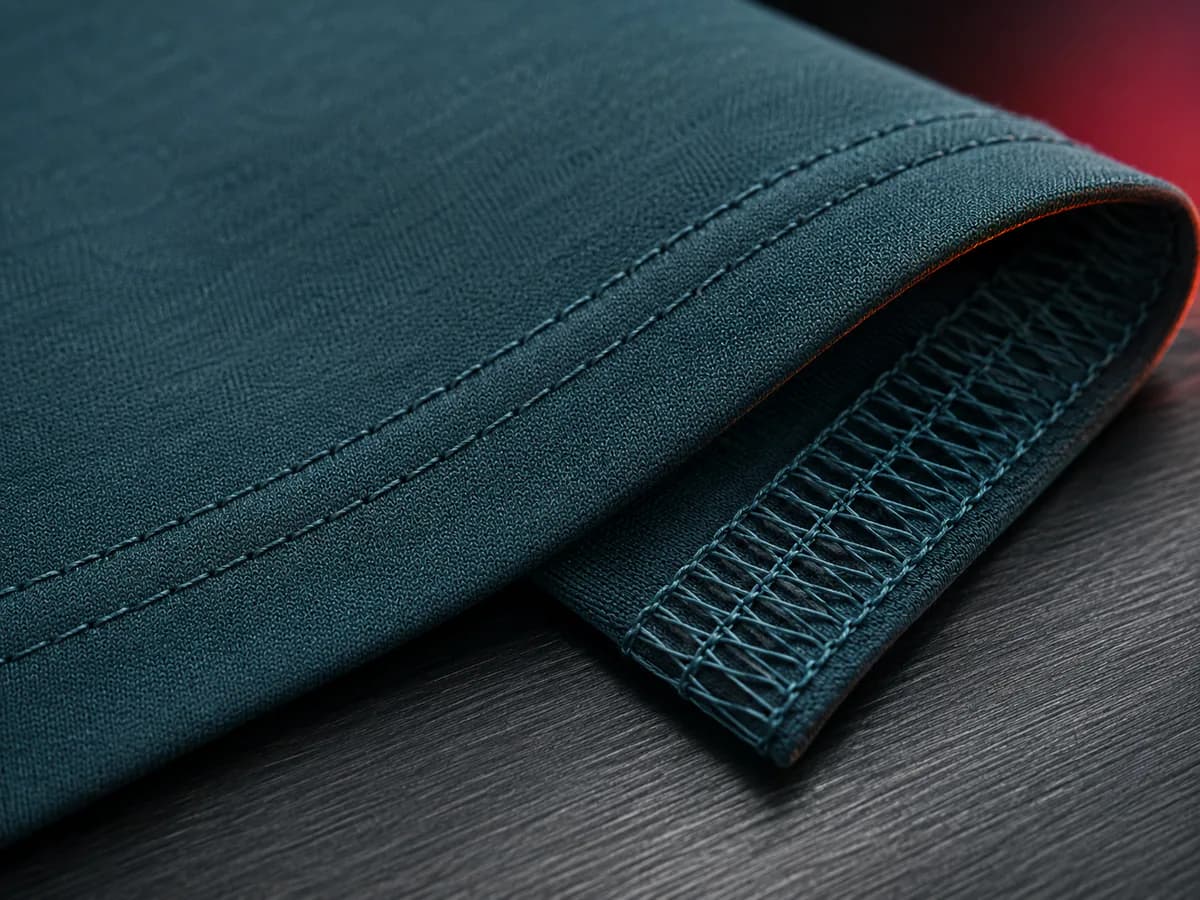
Coverstitch Finishing garment technique referenceConstruction

Coverstitch Finishing

Result
Clean parallel stitching with stretch at hems and openings.
Works with
Knitted T-shirts, sweatshirts and active garments.

Watch: Stretch, thread, seam width and reverse-side comfort.
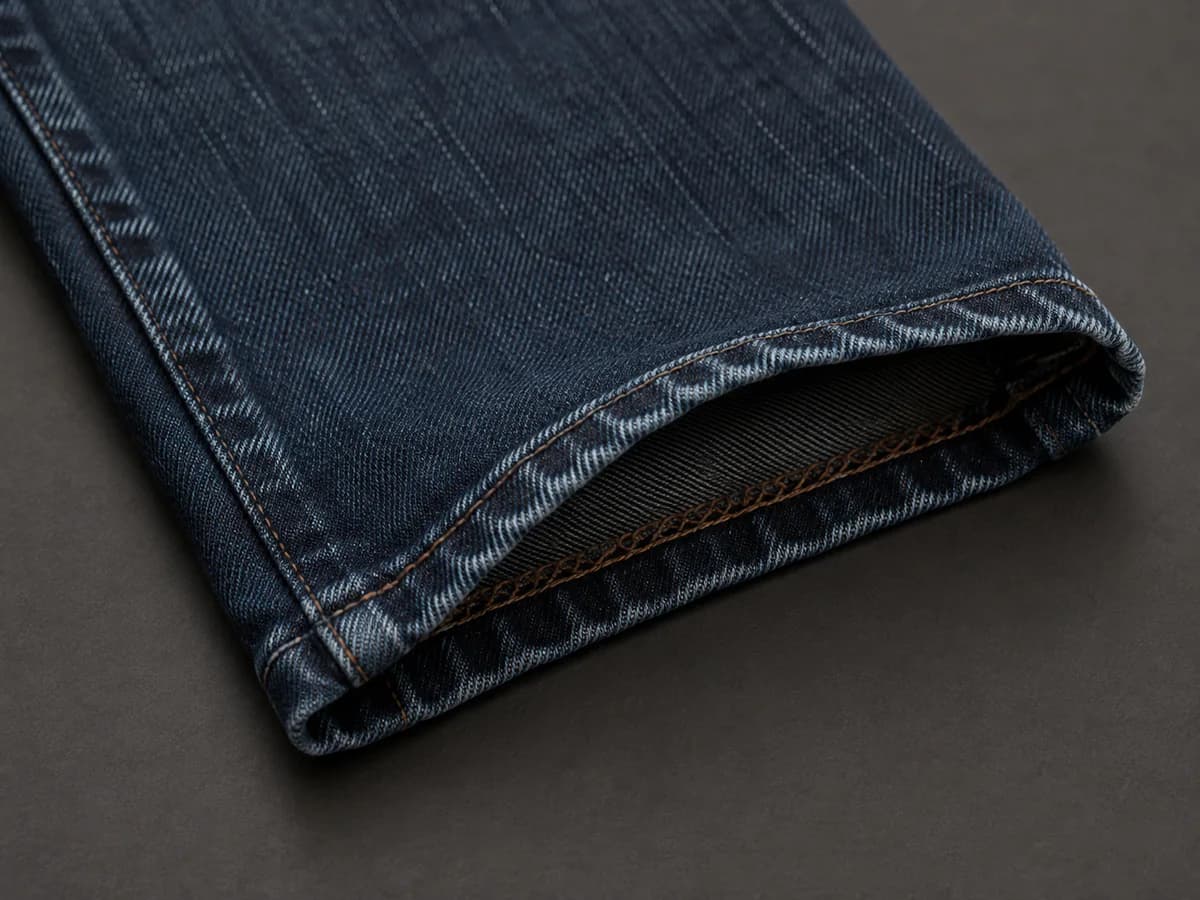
Chainstitch Construction garment technique referenceConstruction

Chainstitch Construction

Result
Workwear stitch character that develops after washing.
Works with
Denim, workwear, overshirts and woven garments.

Watch: Tension, puckering, thread colour and post-wash appearance.
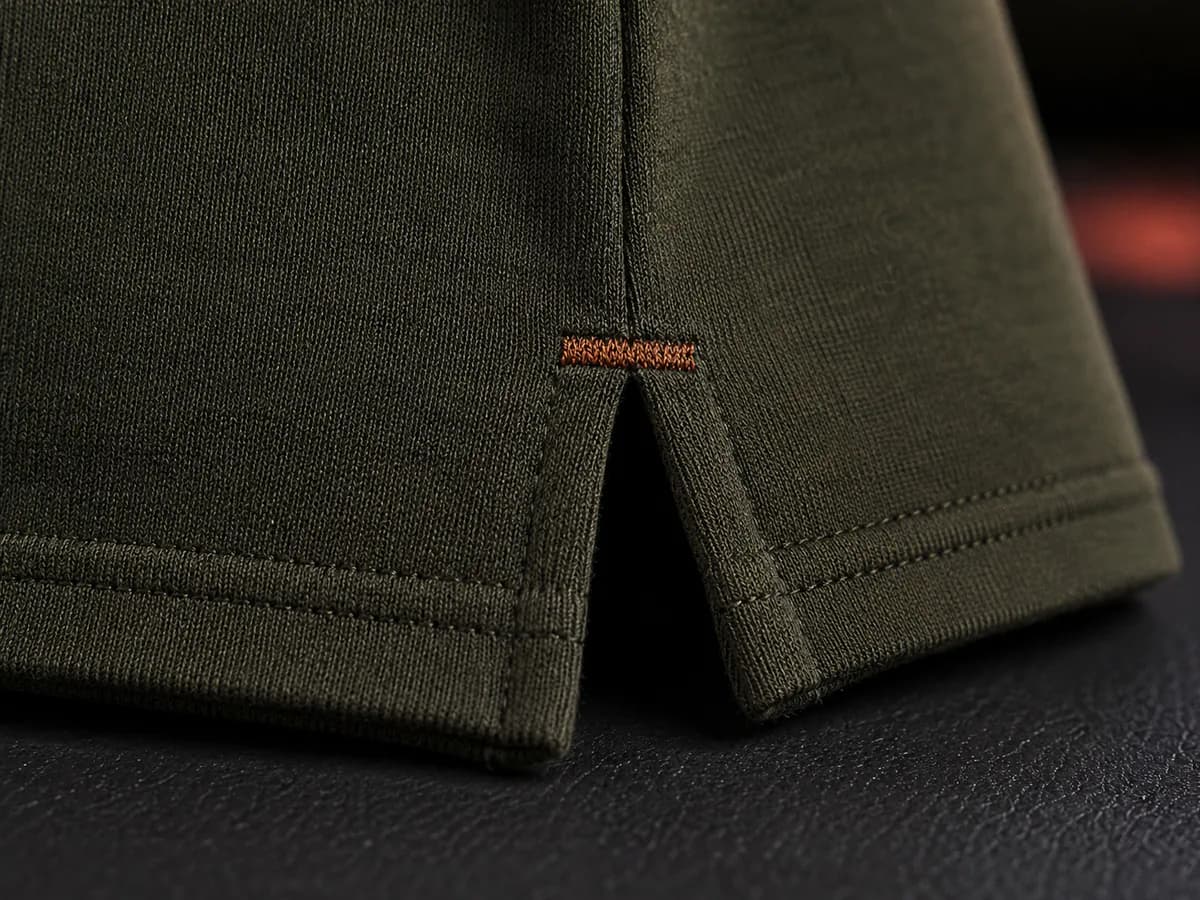
Bartack Reinforcement garment technique referenceConstruction

Bartack Reinforcement

Result
Local reinforcement with a compact stitch detail.
Works with
Pocket corners, belt loops, openings and stress points.

Watch: Placement, density, thread colour and strength.
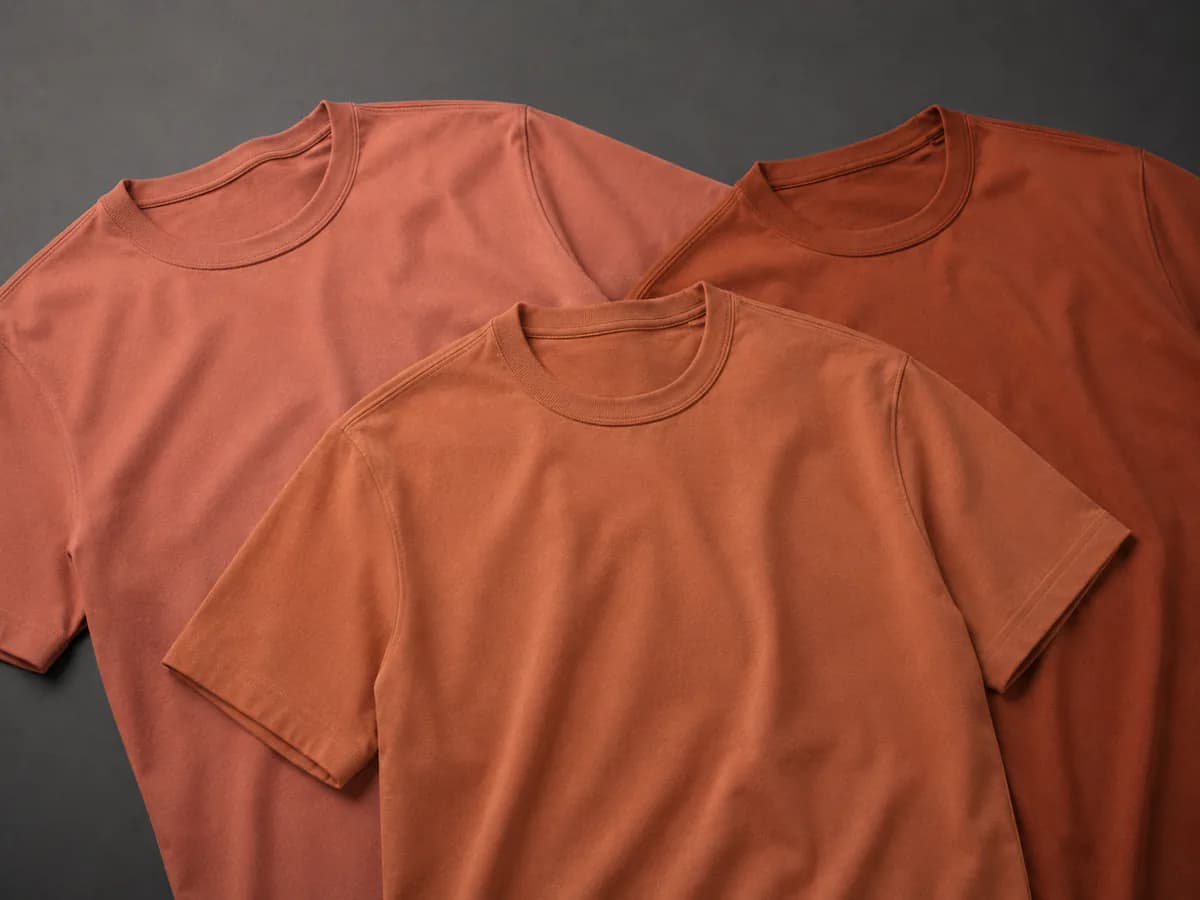
Garment Dyeing garment technique referenceWash & colour

Garment Dyeing

Result
Tonal colour with relaxed garment character.
Works with
Compatible cotton-rich garments, threads, ribs and trims.

Watch: Shade, shrinkage, seam contrast and component response.
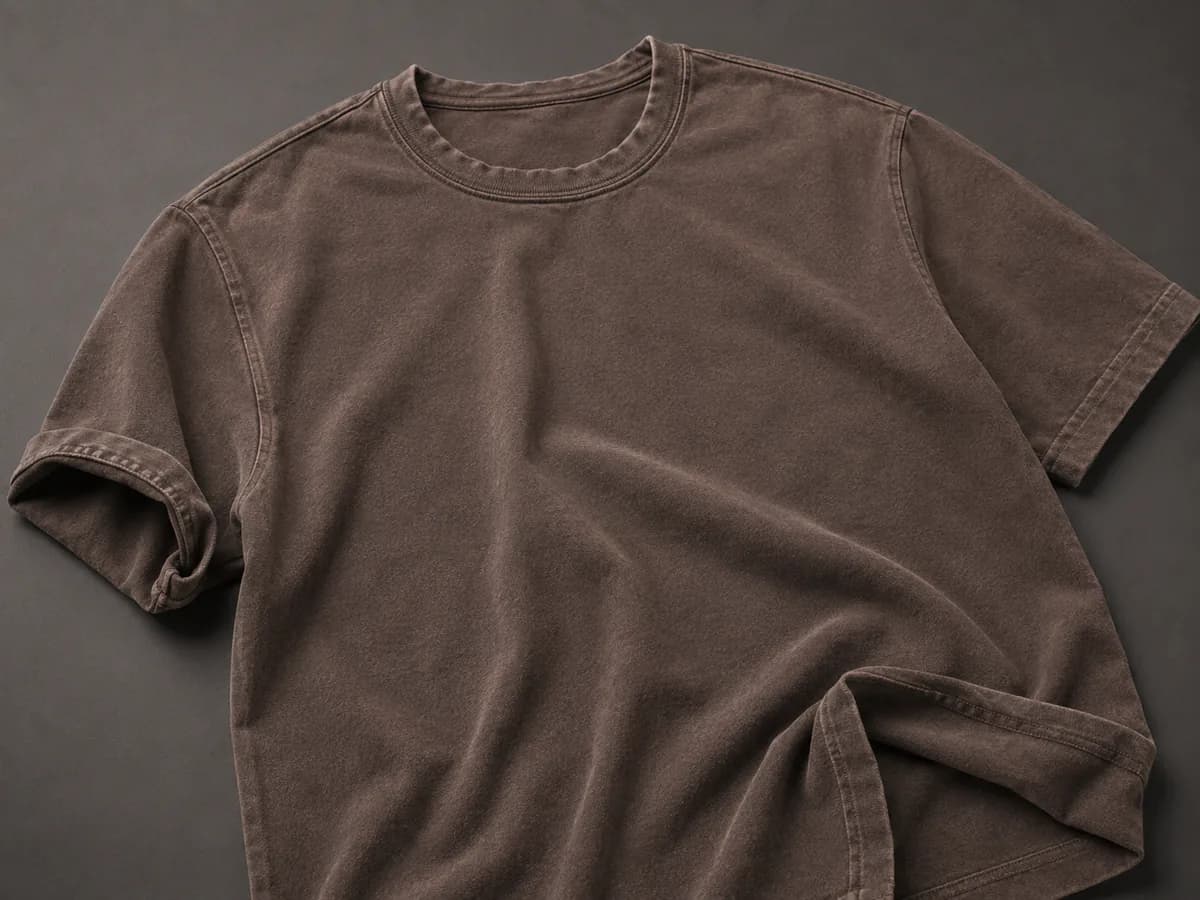
Enzyme or Vintage Wash garment technique referenceWash & colour

Enzyme or Vintage Wash

Result
Softer touch with a clean or aged surface.
Works with
Jersey, fleece, denim, twill and cotton-rich fabrics.

Watch: Strength, pilling, colour and measurements.
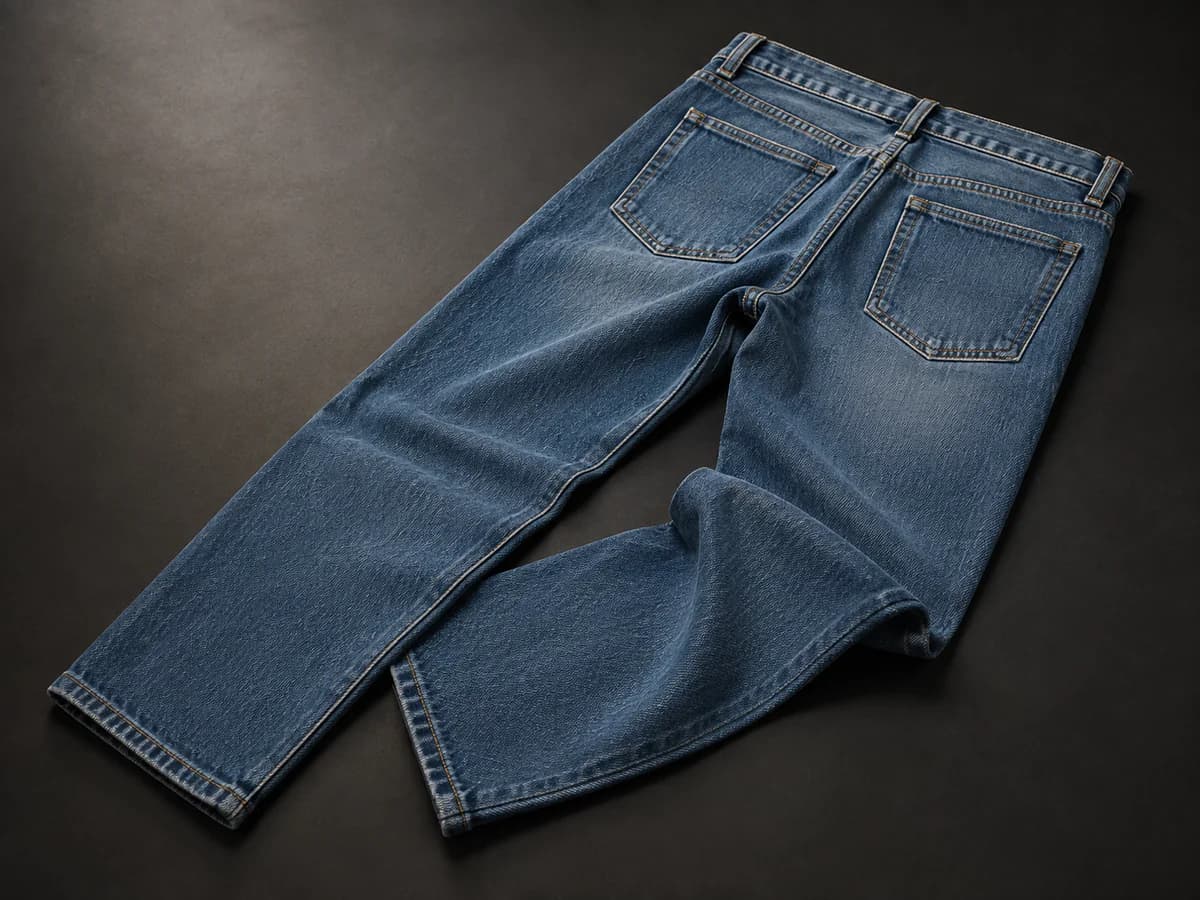
Stone or High-Contrast Wash garment technique referenceWash & colour

Stone or High-Contrast Wash

Result
Pronounced fading and light-to-dark variation.
Works with
Denim and colour systems developed for abrasion.

Watch: Seam damage, shade, hardware and garment strength.
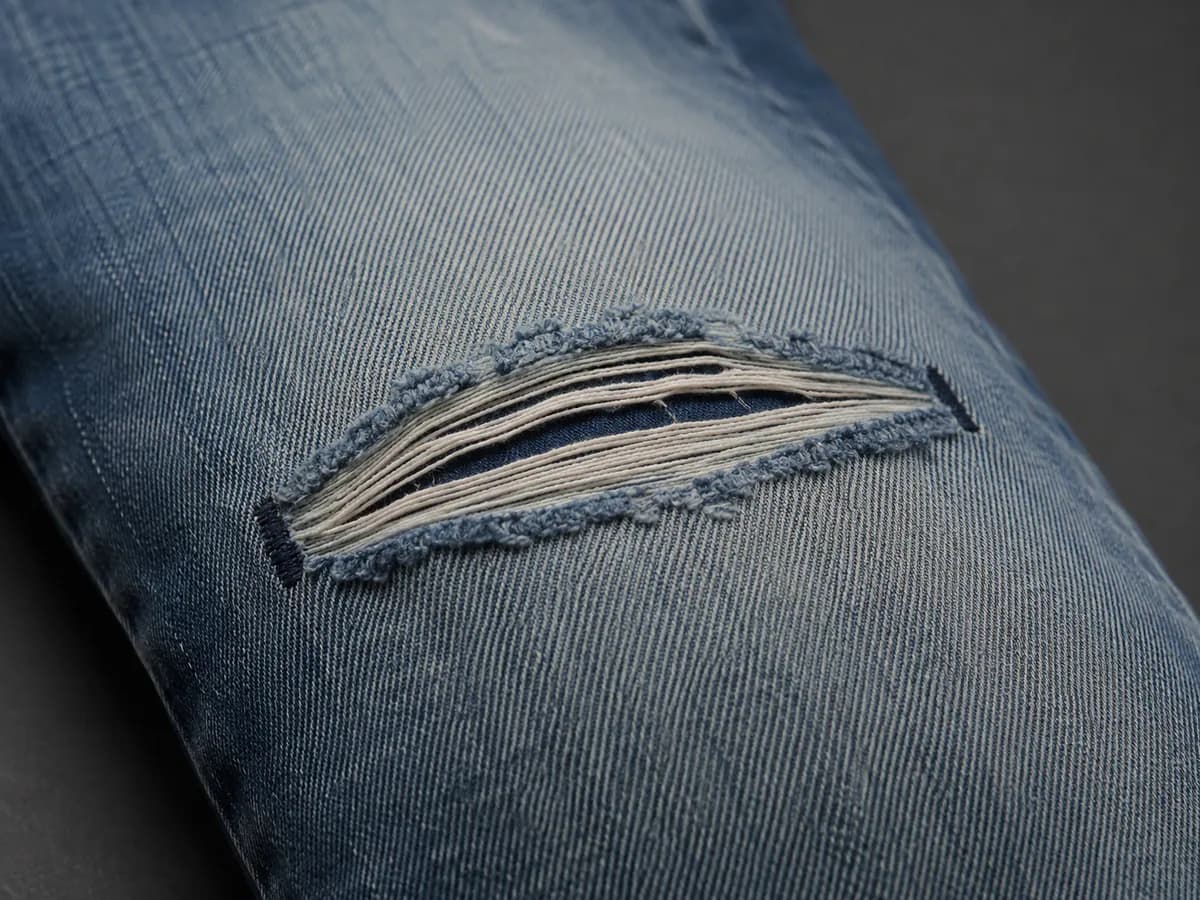
Distressing & Abrasion garment technique referenceWash & colour

Distressing & Abrasion

Result
Local wear, fraying or controlled broken-in character.
Works with
Denim, workwear and garments engineered to tolerate local abrasion.

Watch: Placement, structural limits, progression and variation.
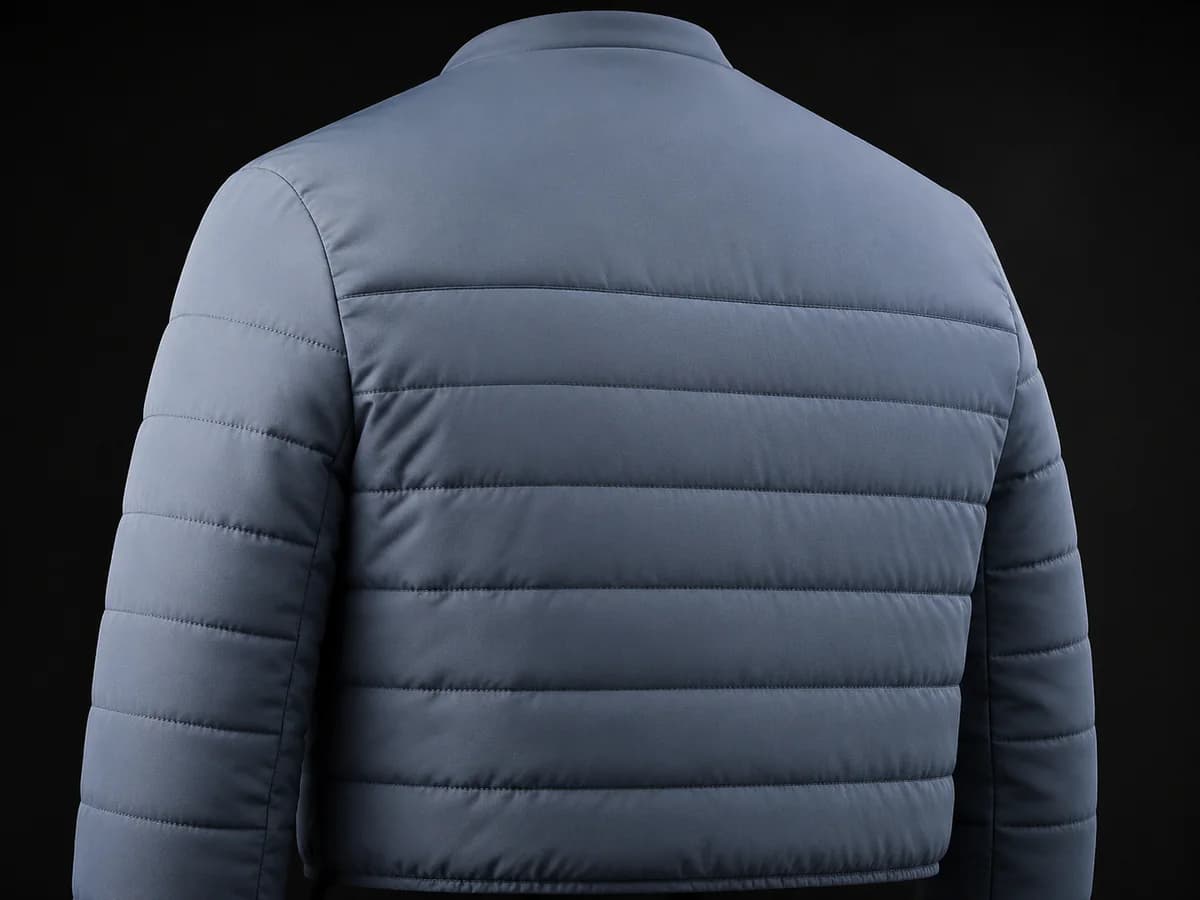
Quilted Construction garment technique referenceStructure & surface

Quilted Construction

Result
Volume, insulation and a visible stitched surface rhythm.
Works with
Jackets, vests, linings and padded panels.

Watch: Loft, fill migration, seam bulk and washing.
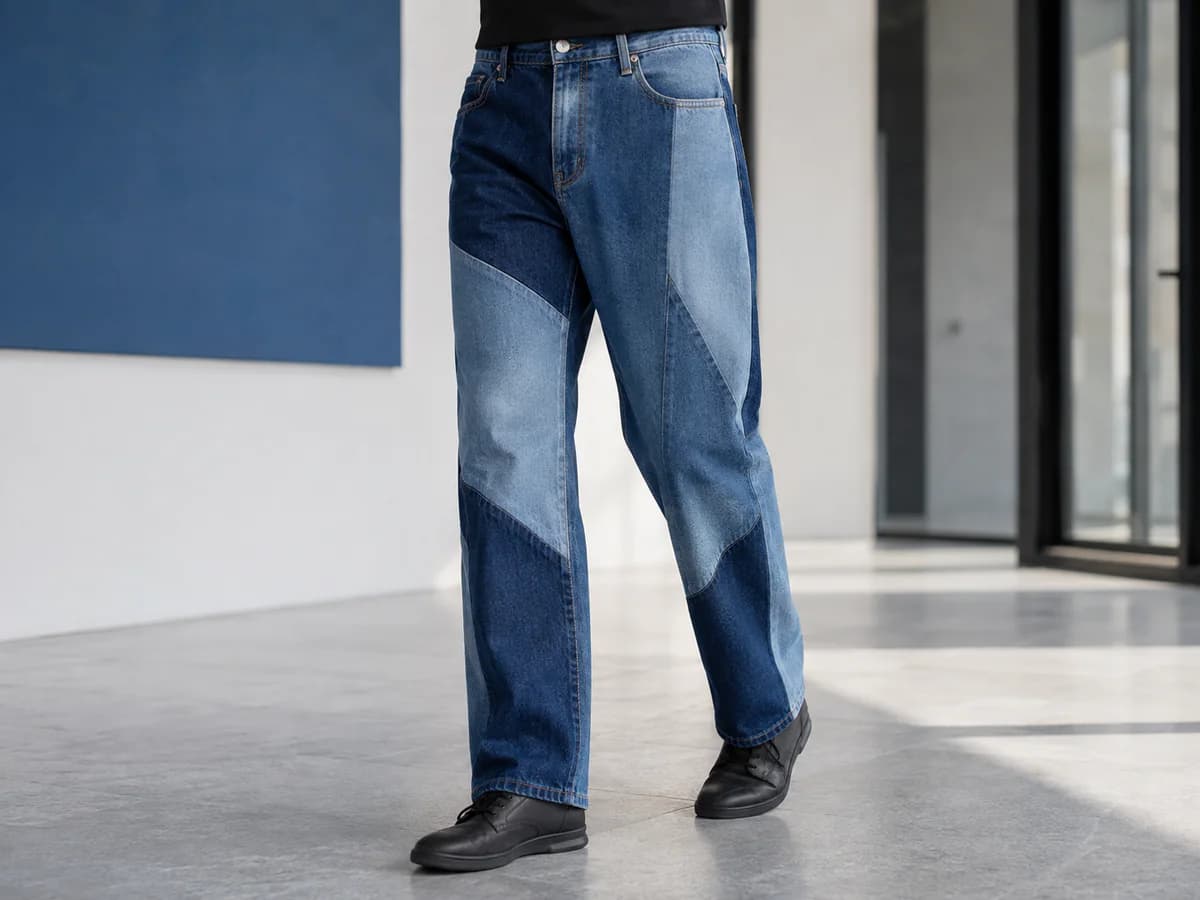
Panel Construction garment technique referenceStructure & surface

Panel Construction

Result
Blocks or mixed surfaces that shape the garment.
Works with
Jackets, pants, hoodies and multi-panel garments.

Watch: Alignment, material balance and differential shrinkage.
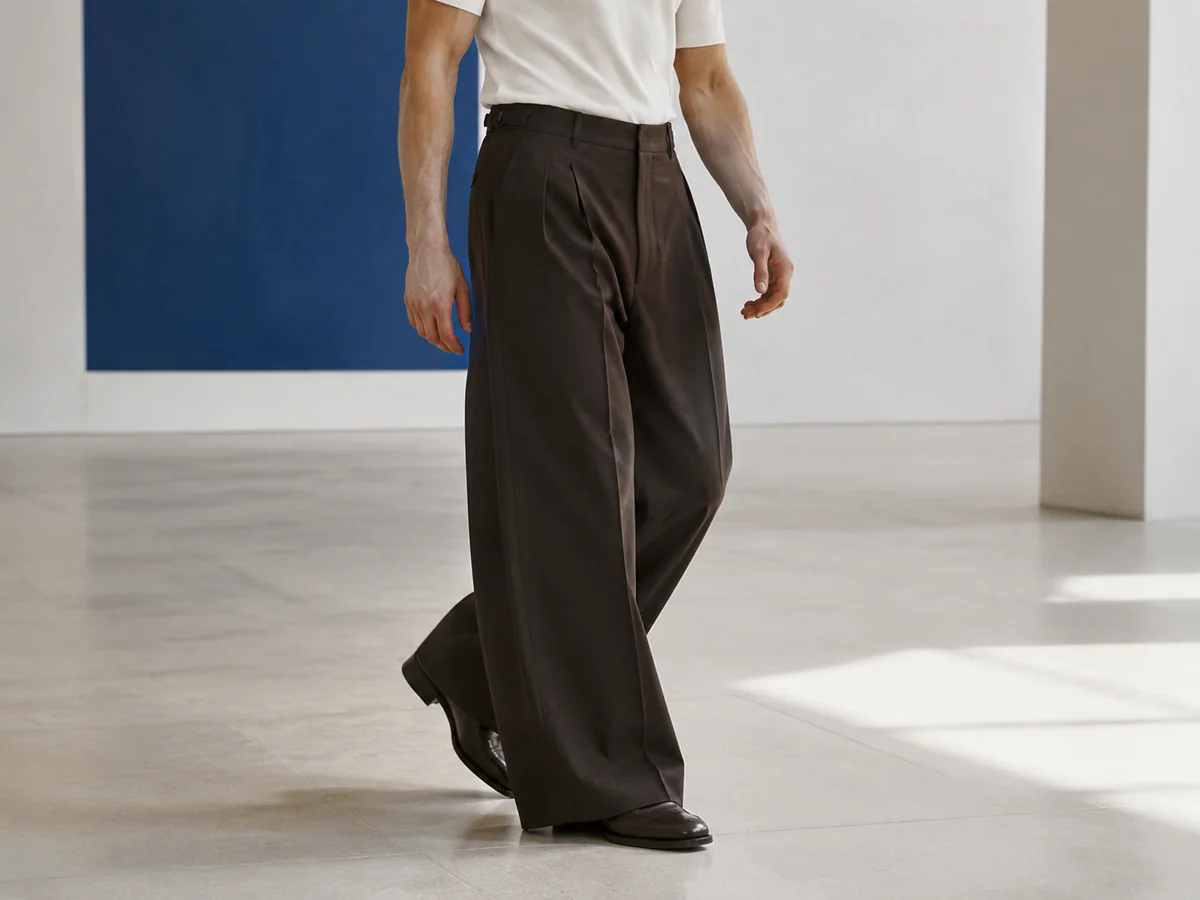
Pleating & Forming garment technique referenceStructure & surface

Pleating & Forming

Result
Controlled folds and dimensional movement.
Works with
Woven or synthetic-rich materials that hold form.

Watch: Heat response, retention, care and measurement stability.
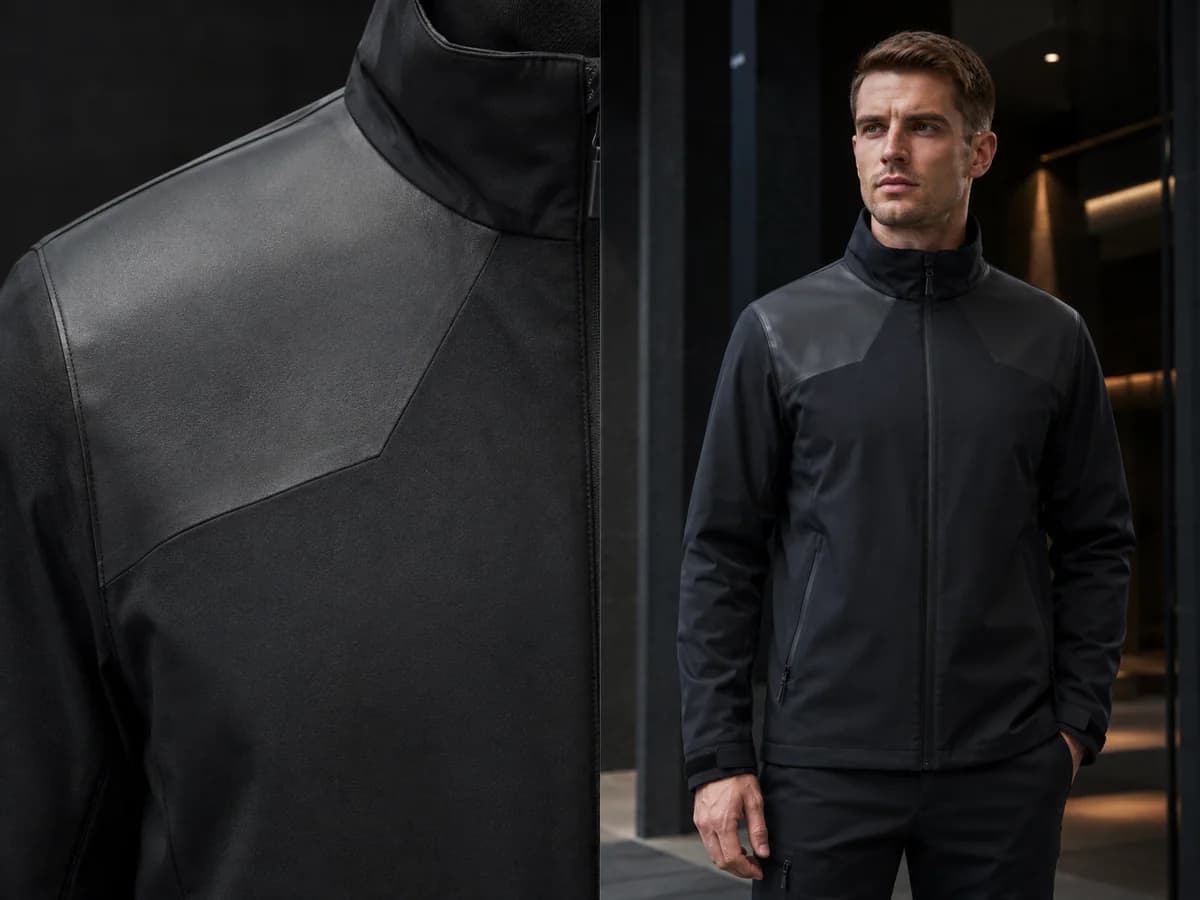
Bonded Construction garment technique referenceTechnical

Bonded Construction

Result
Flatter joins and a clean, low-stitch surface.
Works with
Compatible shells, films and technical garments.

Watch: Stiffness, delamination, heat and wash durability.
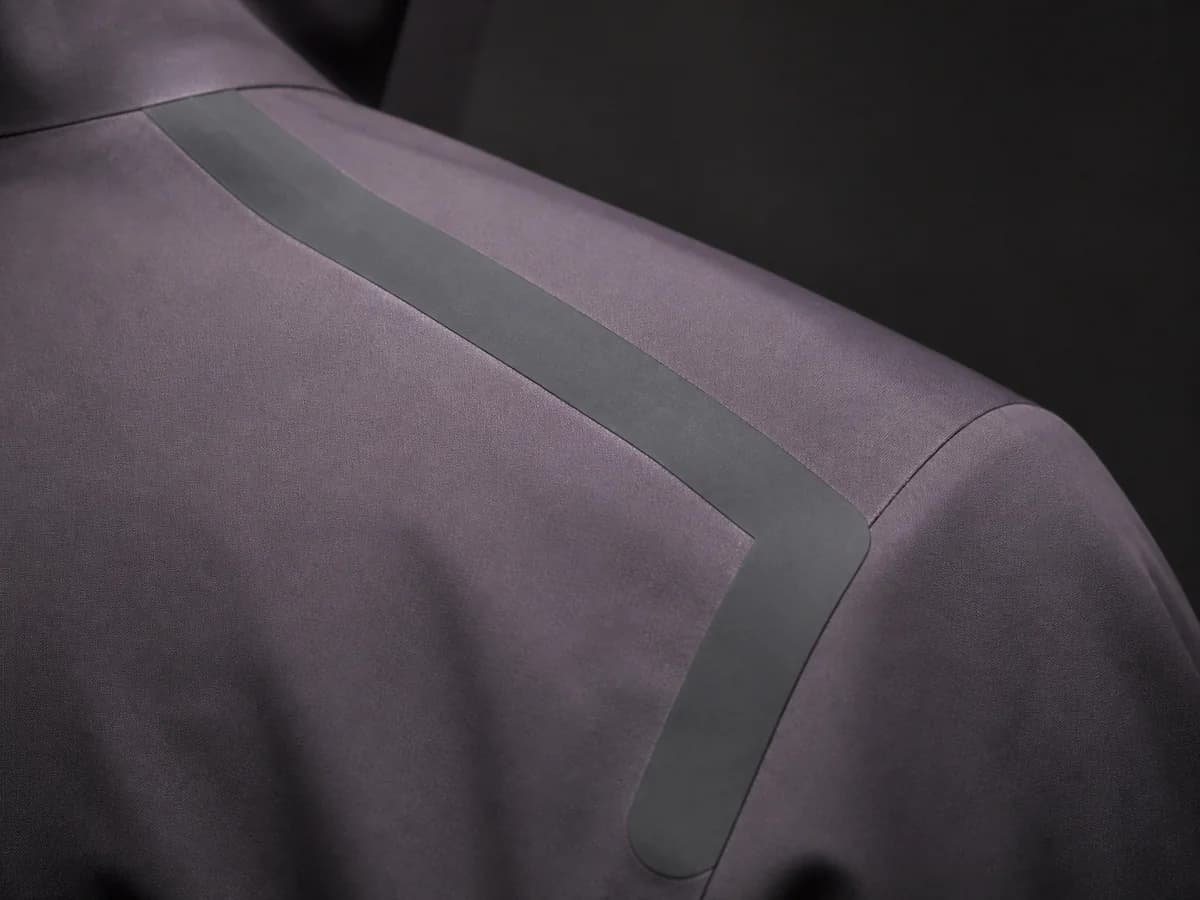
Seam Sealing & Precision Work garment technique referenceTechnical

Seam Sealing & Precision Work

Result
Controlled seams or precisely cut technical details.
Works with
Compatible outerwear and selected technical fabrics.

Watch: Tape, pressure, heat, edge quality and testing.

Beyond appearance

A Technique Changes More Than the Surface

Review the visual effect together with touch, dimensions and production consistency.

01

Appearance & Colour

Changes shade, contrast, surface character and how seams or panels read.

02

Hand Feel & Structure

Can make a garment softer, fuller, flatter or stiffer.

03

Measurements & Fit

Can shift shrinkage, torque, seam movement and fit.

04

Durability & Repeatability

Affects strength, bond retention and bulk consistency.

Before sampling

Check the Whole Garment System

A process that works on one garment may fail on another. Review every material and construction decision it affects.

  1. Garment category and construction
  2. Fibre composition and fabric structure
  3. Fabric weight, density and stretch
  4. Colour, dye route and finish
  5. Thread, rib, lining and functional trims
  6. Decoration and processing sequence
  7. Care, durability and testing requirements
  8. Quantity, equipment and repeatability

Bulk expectations

Natural Variation Still Needs a Defined Limit

Some effects are intentionally non-uniform. Control them within an approved range rather than expecting identical garments.

Expected process character

Wash fading, garment-dye shade, abrasion and hand-finished surfaces can vary by garment and batch.

Controlled production tolerance

Approve the target and define acceptable colour, contrast, placement, measurement and strength limits before bulk.

Production reference

Approve the Technique on the Actual Garment

Approve the result after the full sequence is applied to the intended garment—not a process name or reference image.

  1. Visual effect and placement
  2. Colour, contrast and shade range
  3. Hand feel, stiffness and comfort
  4. Post-process measurements
  5. Seam, panel, thread and trim response
  6. Required strength or durability
  7. Decoration, wash and technique sequence
  8. Natural and manual variation limits
  9. Care and testing requirements
  10. Physical garment as the bulk reference

Related decisions

Move From Technique Direction to Sampling

Combine the direction with materials, decoration and development for validation.

Technique questions

Common Questions Before Sampling

Practical answers about compatibility, combinations, variation, timing and testing.

No. Compatibility depends on the fibre, structure, weight, stretch, colour system and construction. Review the material and technique together.
A reference defines a direction, not a production specification. Materials and processing affect the result, so approve the target on a physical sample.
Often, but order matters. Washing, heat or distressing can affect decorations, trims, coatings and strength, so review the full sequence.
Washing, dyeing, distressing and hand finishing create natural variation. The sample sets the direction; an agreed tolerance sets the bulk range.
They can. Equipment, process minimums, trials and testing may affect quantity and timing for each project.
Testing may be needed for strength, dimensions, bonds, colourfastness, abrasion or performance claims. The method depends on the product, market and brand standard.
View all manufacturing FAQs →

From effect to an approved reference

Have a Garment Effect in Mind?

Share the garment category, references, intended materials, quantity and desired look and feel.