Clean & Minimal
Subtle brand identification that sits naturally on the garment.
- Explore
- Tonal embroidery · Small print · Woven label
- Confirm
- Scale, contrast, edge quality and placement
Custom Menswear Manufacturing / OEM & ODM / Worldwide Delivery
Decoration decisions for clothing brands
Learn how brand intent, artwork, scale, placement, material and hand feel work together—so you can choose a workable decoration direction before sampling.
This is a selection guide, not a fixed capability or effect catalogue. Feasibility, setup, minimums and final results depend on the garment, artwork, selected materials and physical sample.
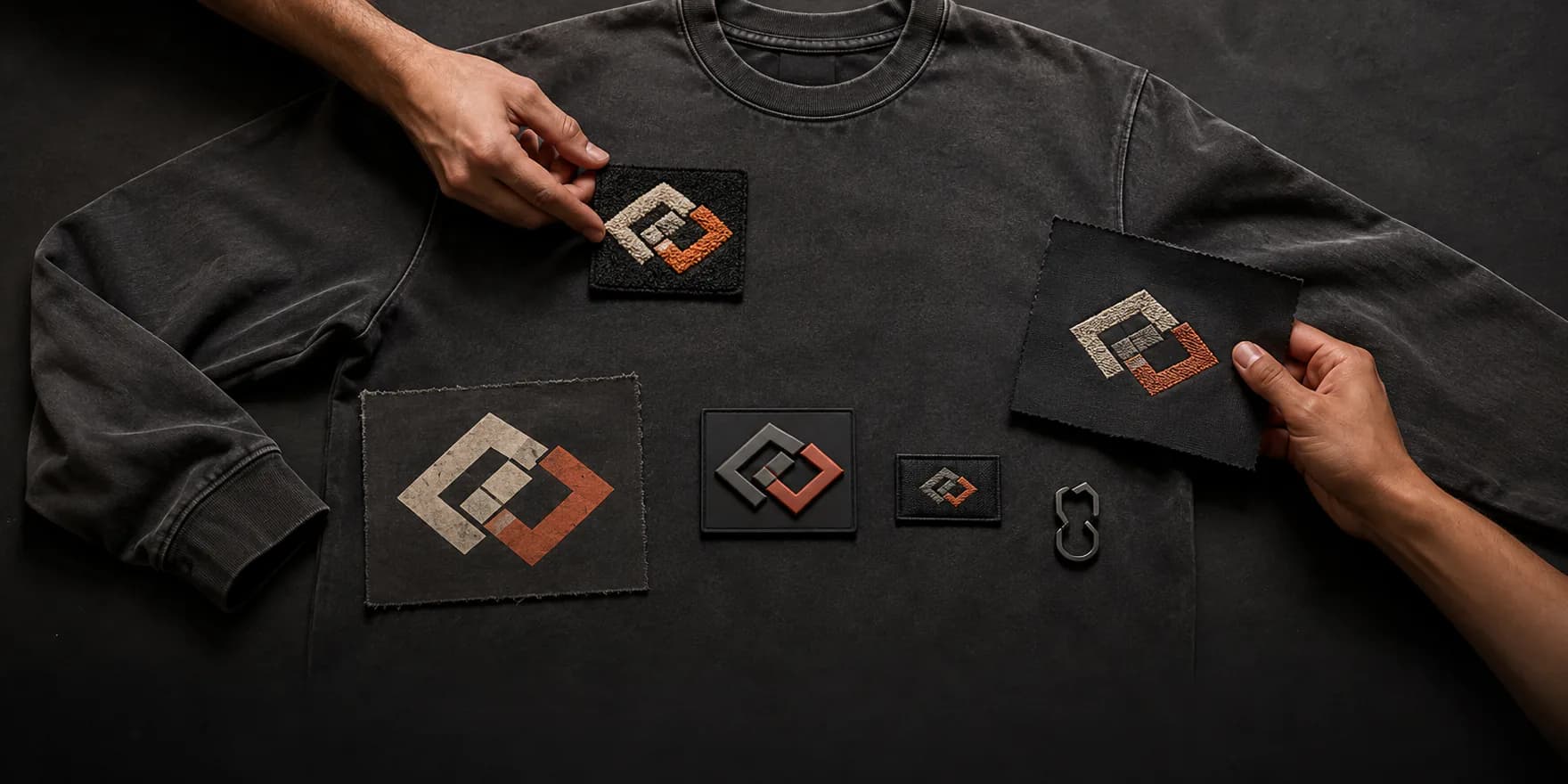
Start with brand intent
Define how visible, tactile and refined the decoration should feel before selecting a production method.
Subtle brand identification that sits naturally on the garment.
High-visibility artwork that becomes a dominant part of the garment.
A tactile surface with visible depth or material contrast.
Restrained detail defined by material and finishing precision.
Brand intent & garment → Decoration family → Artwork, scale & placement → Material compatibility → Physical sample → Bulk tolerance approval
Five decoration families
The families describe different ways to carry artwork, identity or branded components—not quality levels or guaranteed effects. Labels and branded hardware are covered under Supporting Brand Details below.
Applies colour or artwork directly to the garment surface.
Graphic coverage · Fine detail · Multiple colour routesBuilds branding with thread, stitch density and texture.
Tonal marks · Small logos · Raised or crafted effectsAdds a separately made component with its own edge and material.
Workwear · Varsity · Dimensional brand detailsCarries brand, size, care or identification information.
Neck · Side seam · Hem · Interior positionsCombines a functional component with visible brand identity.
Closures · Adjusters · Cord and metal detailsCommon directions
Use these core directions to prepare a shortlist. Exact recipes, equipment, availability and production conditions remain project-specific.
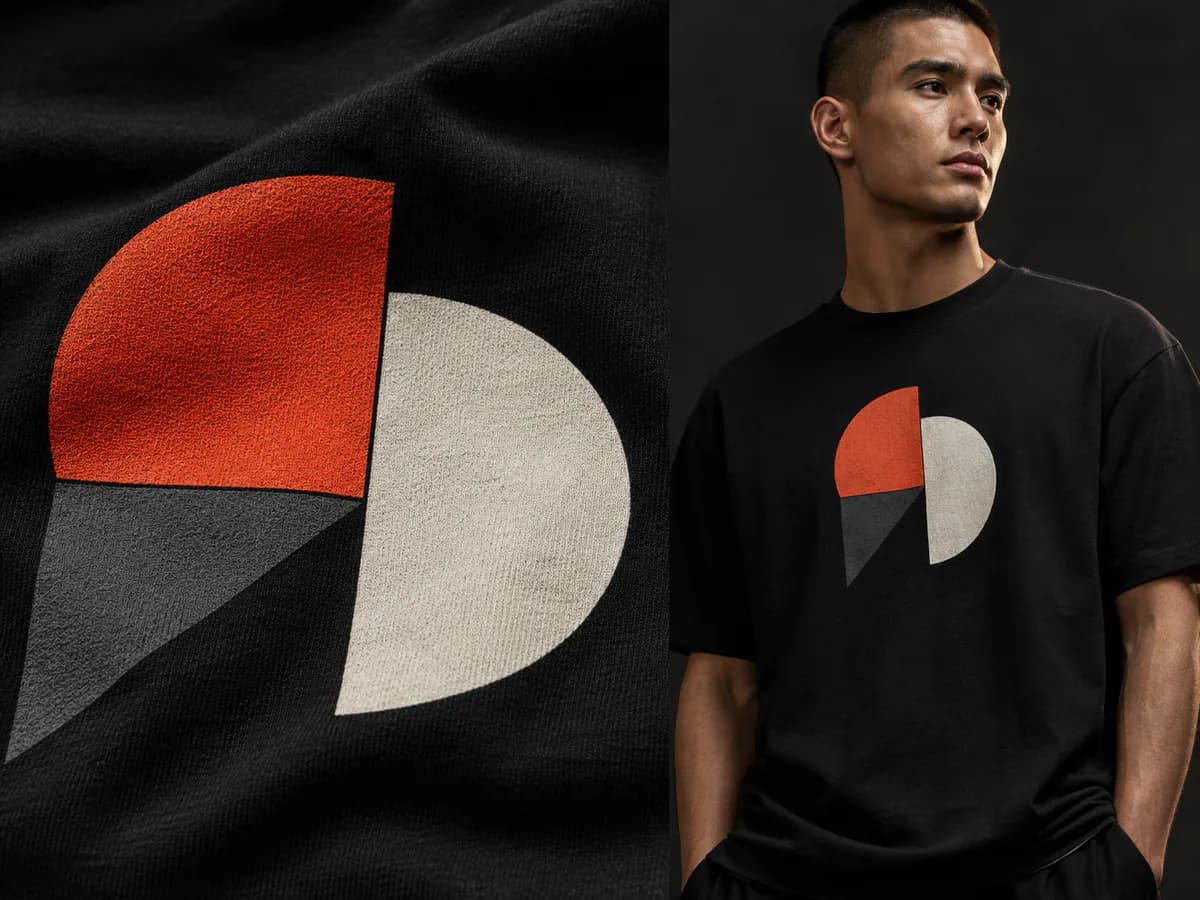 Printing & Transfer
Watch: Colour separation, ink layers, curing and fabric finish.
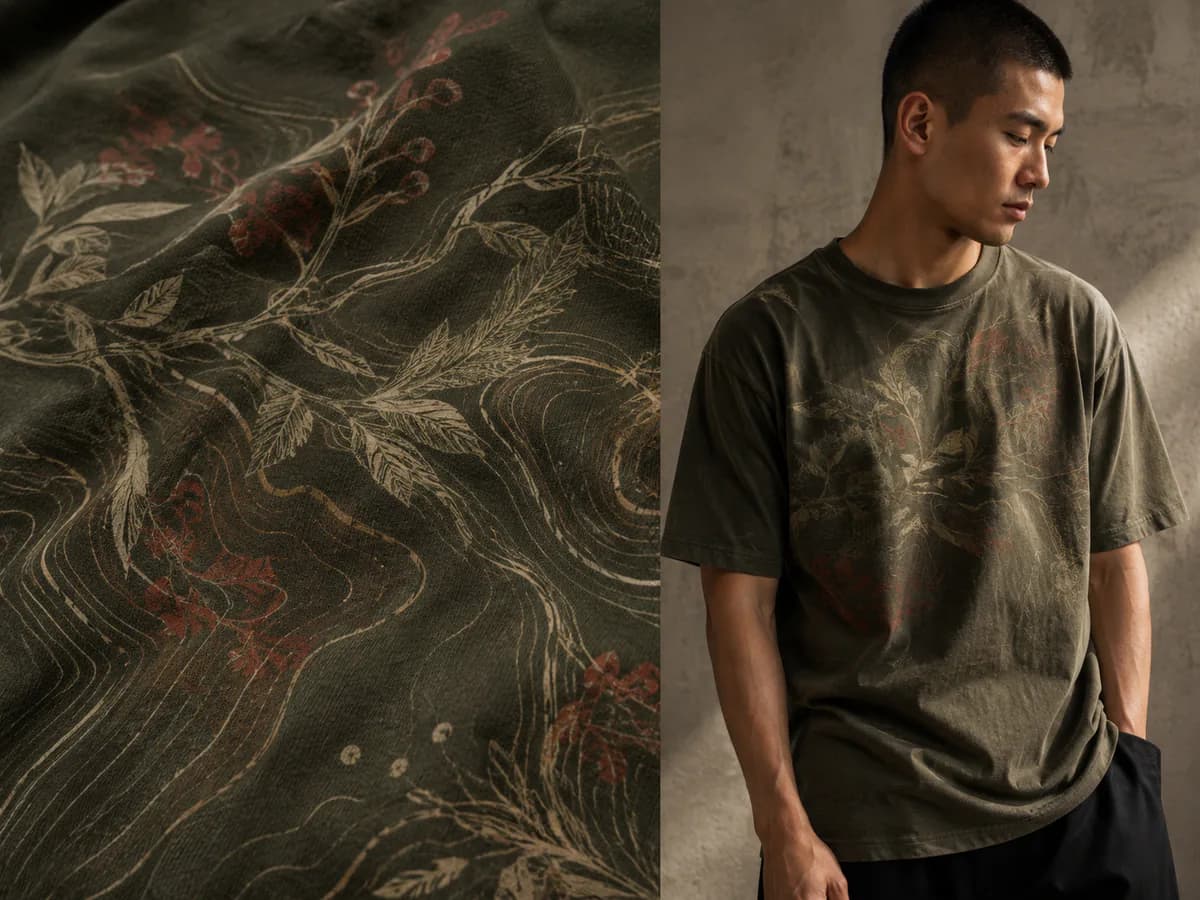 Printing & Transfer
Watch: Fibre content, base colour, absorbency and shade response.
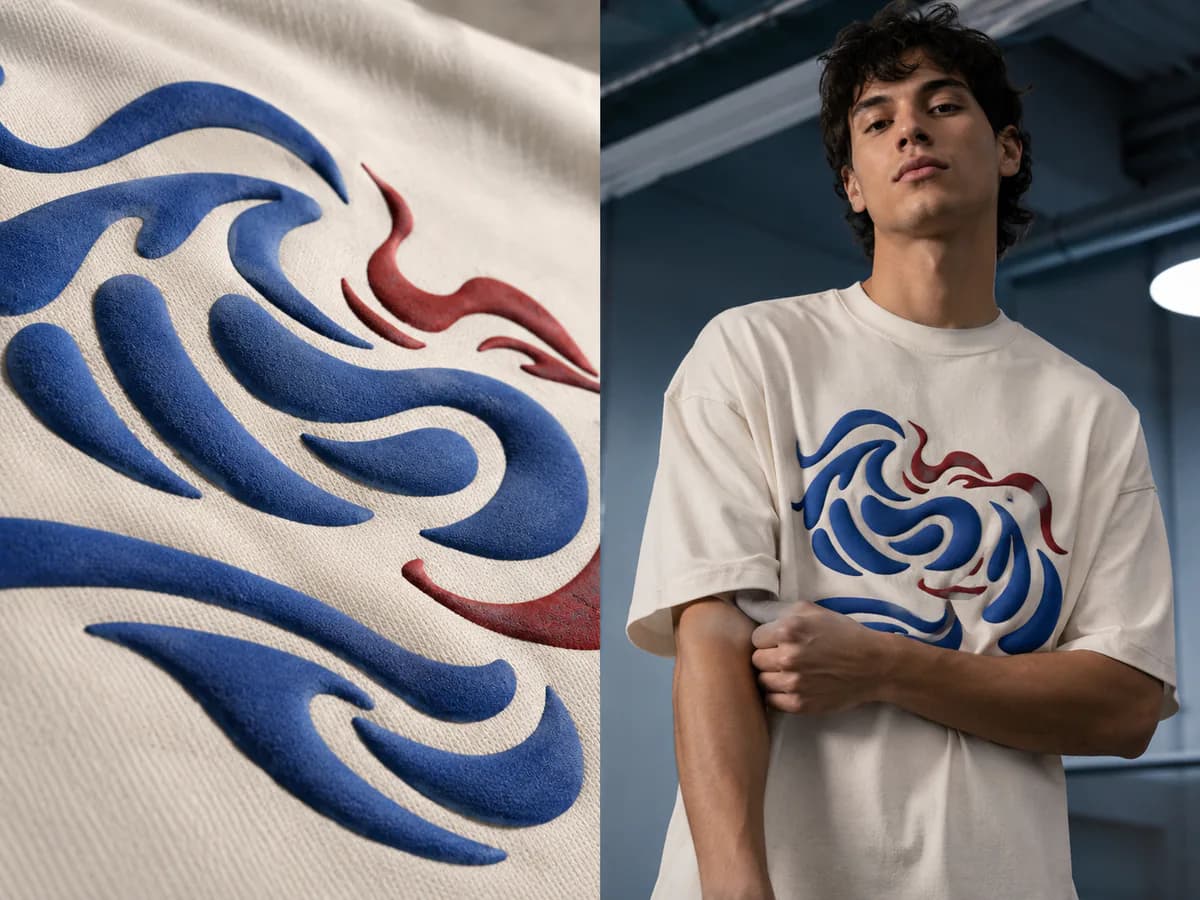 Printing & Transfer
Watch: Expansion, edge definition, cracking and wash behaviour.
 Printing & Transfer
Watch: Adhesion, flexibility, heat, thickness and edge quality.
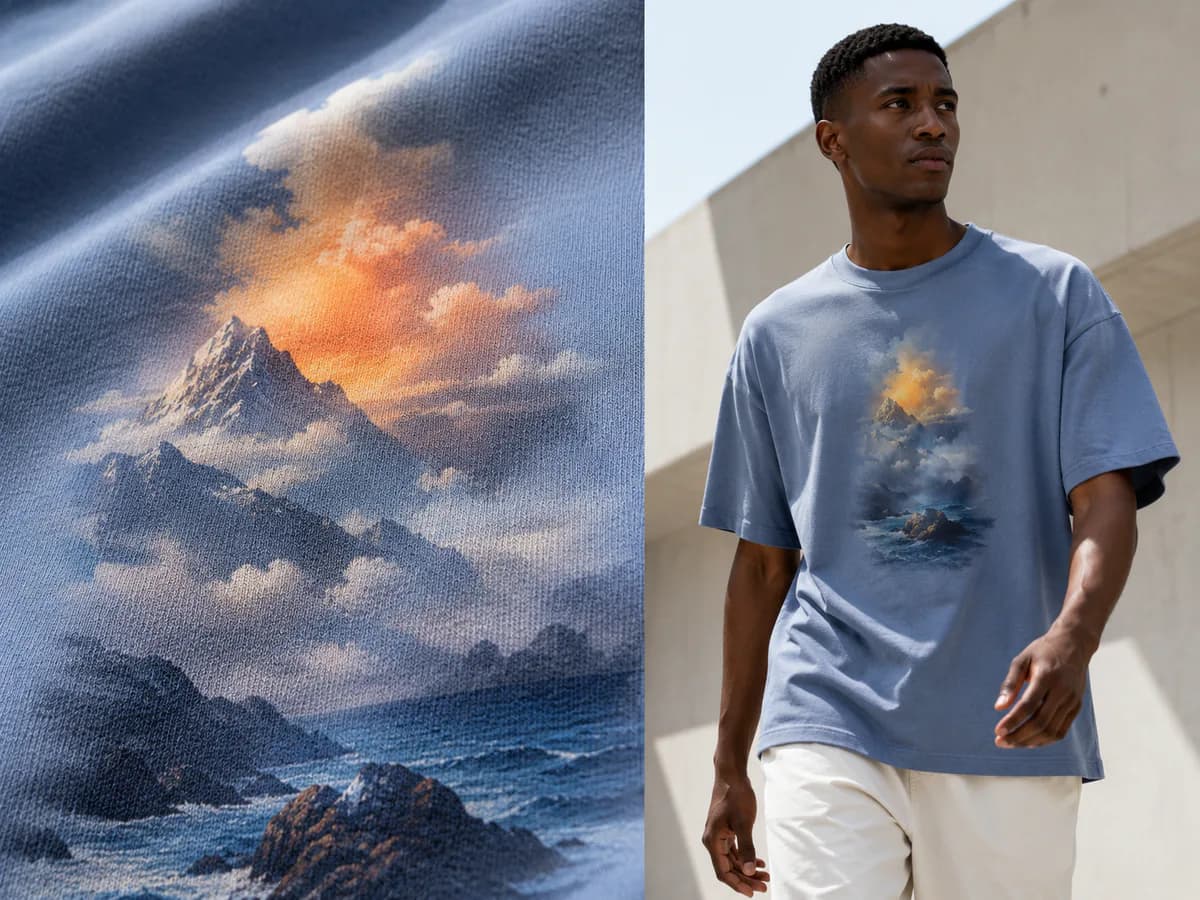 Printing & Transfer
Watch: Pretreatment, resolution, underbase, colour and washing.
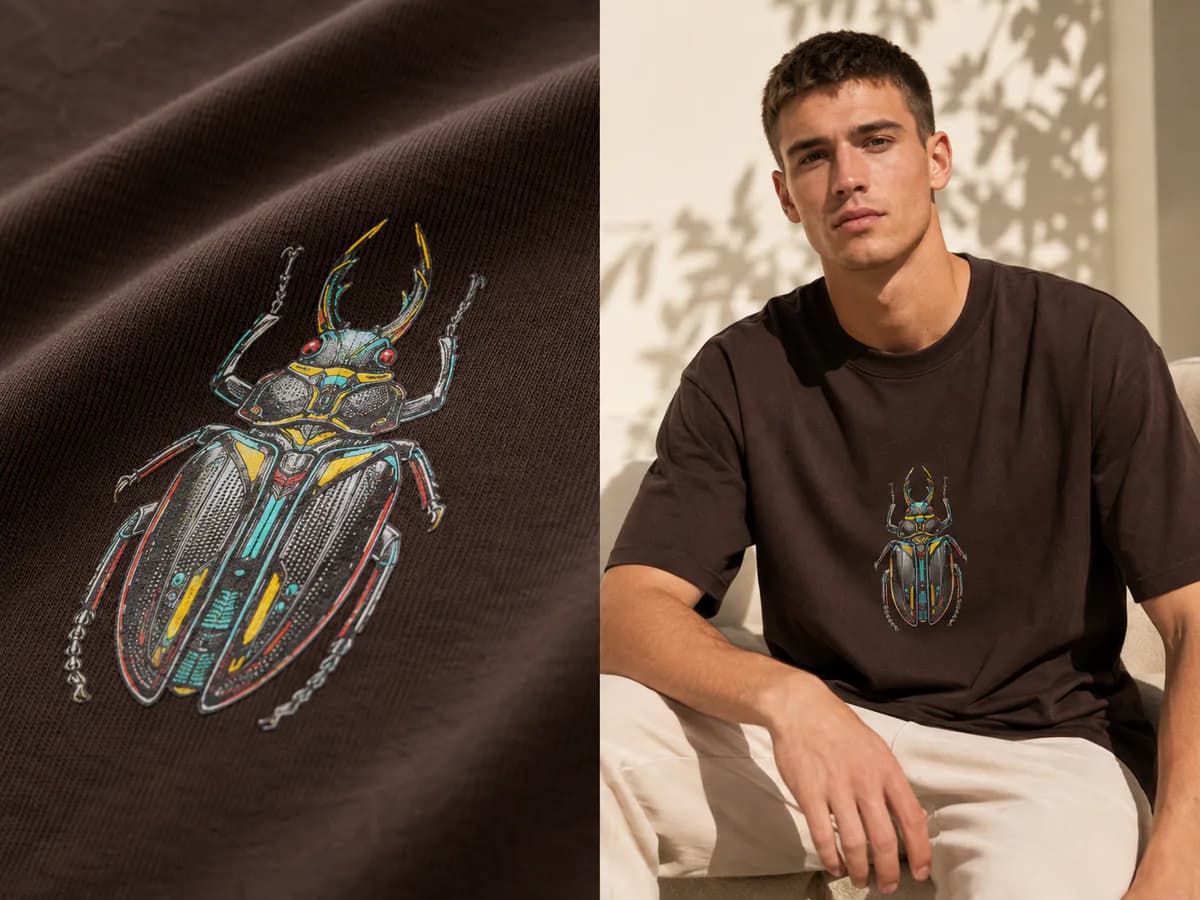 Printing & Transfer
Watch: Film hand feel, heat sensitivity, stretch and adhesion.
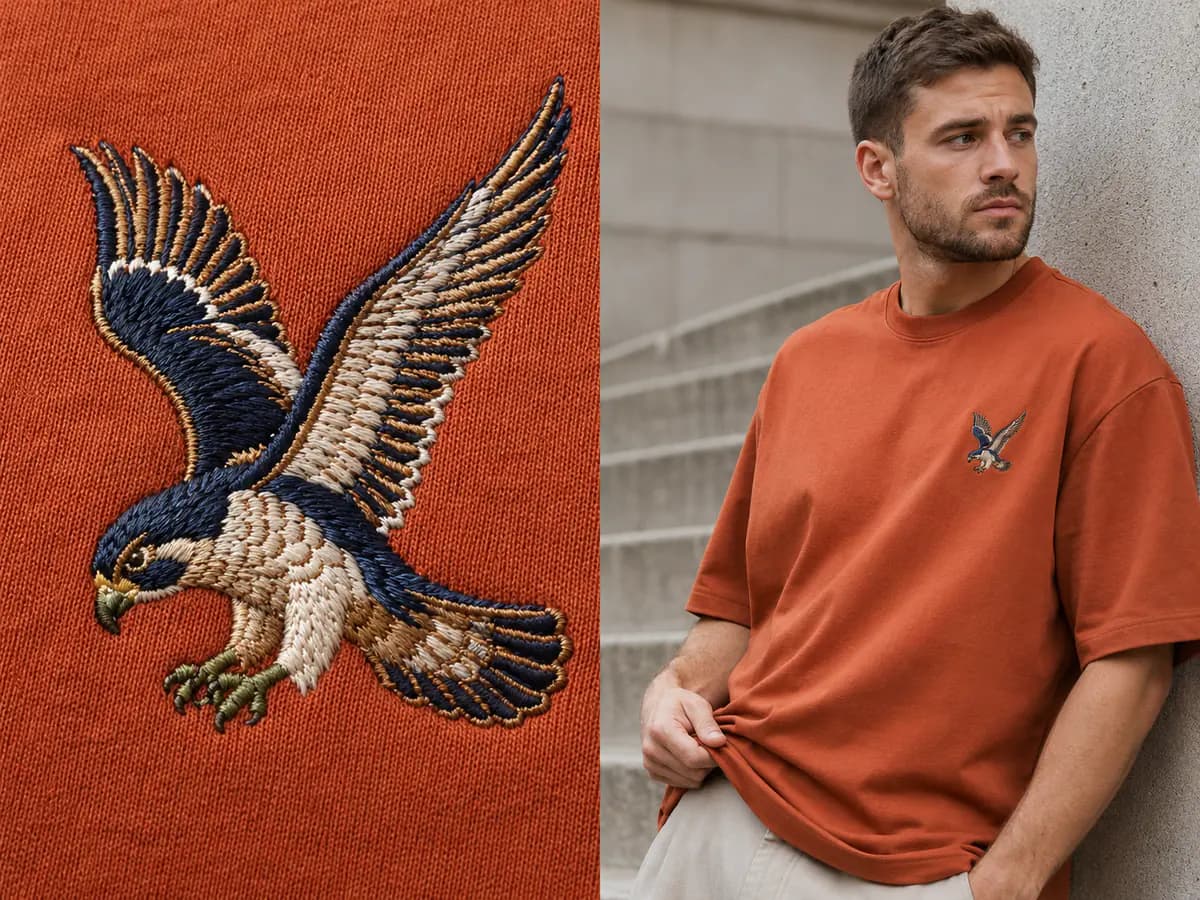 Embroidery
Watch: Digitising, density, backing, small text and puckering.
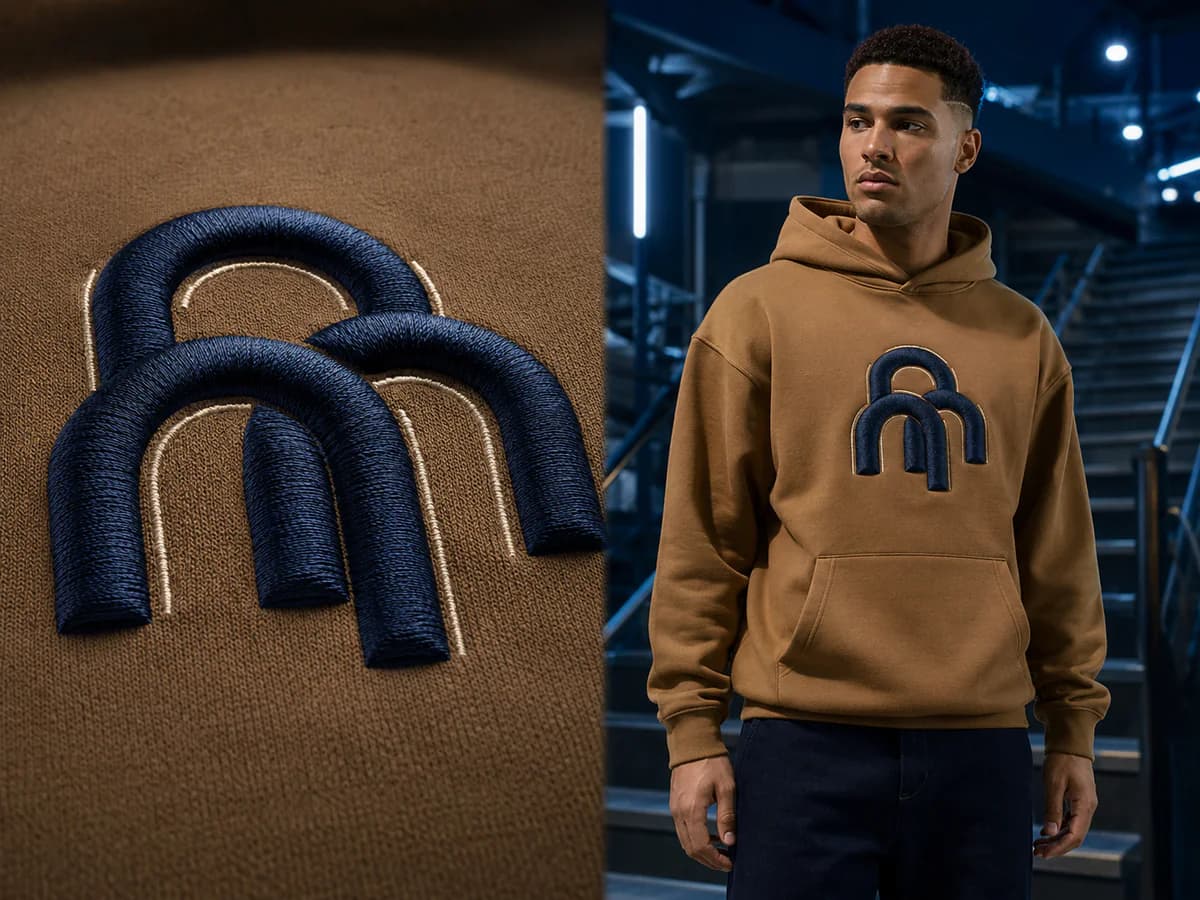 Embroidery
Watch: Minimum line width, foam coverage, corners and weight.
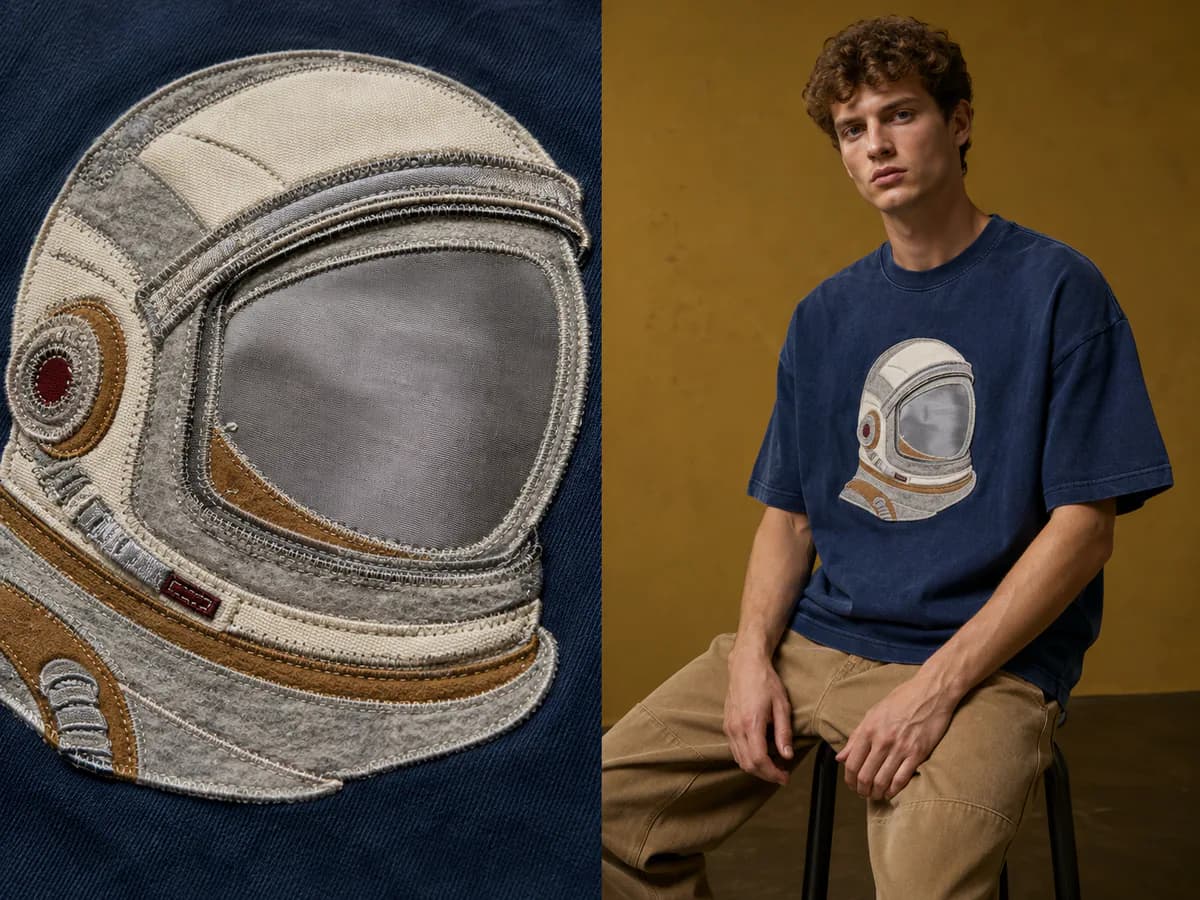 Embroidery
Watch: Artwork simplification, bulk, backing and edge security.
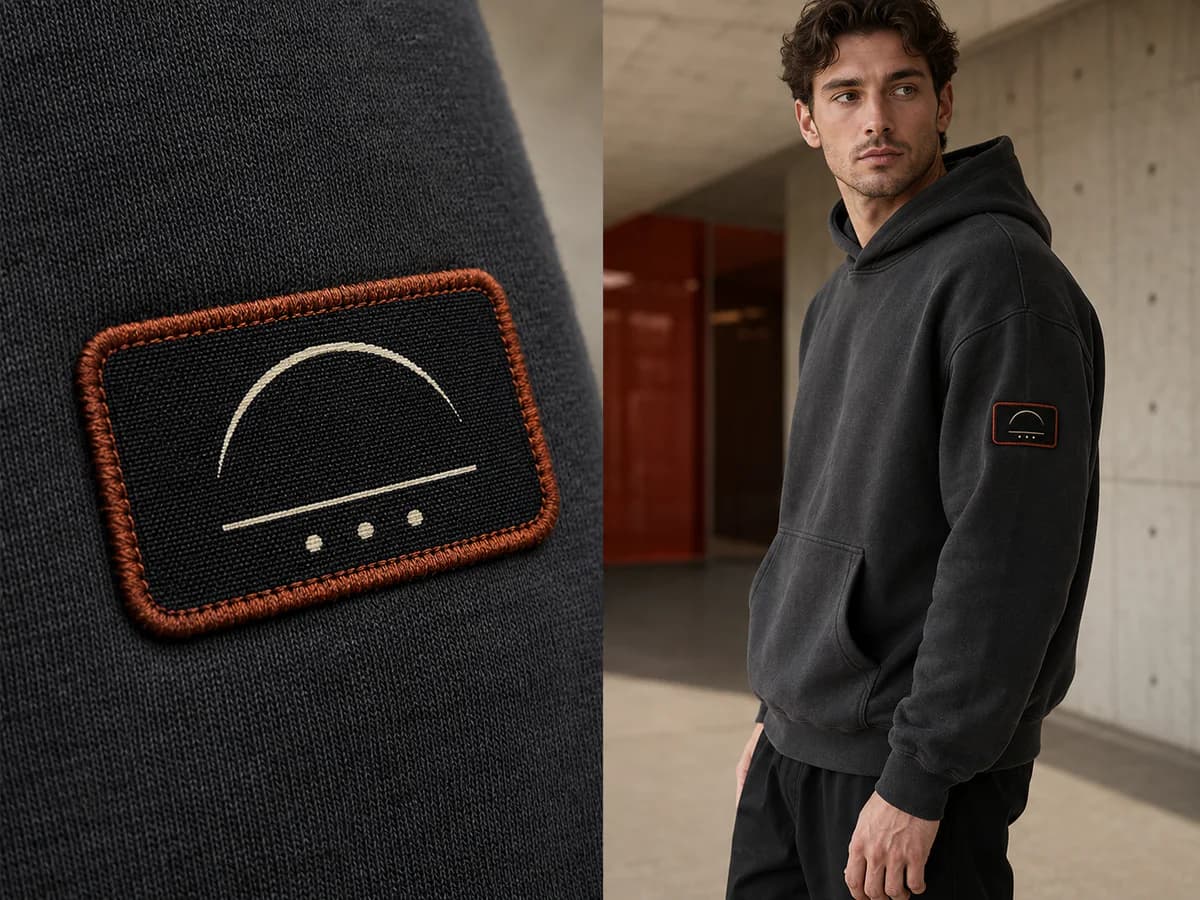 Patches & Badges
Watch: Border, attachment, small detail, stiffness and placement.
 Patches & Badges
Watch: Tooling, colour limits, flexibility and attachment route.
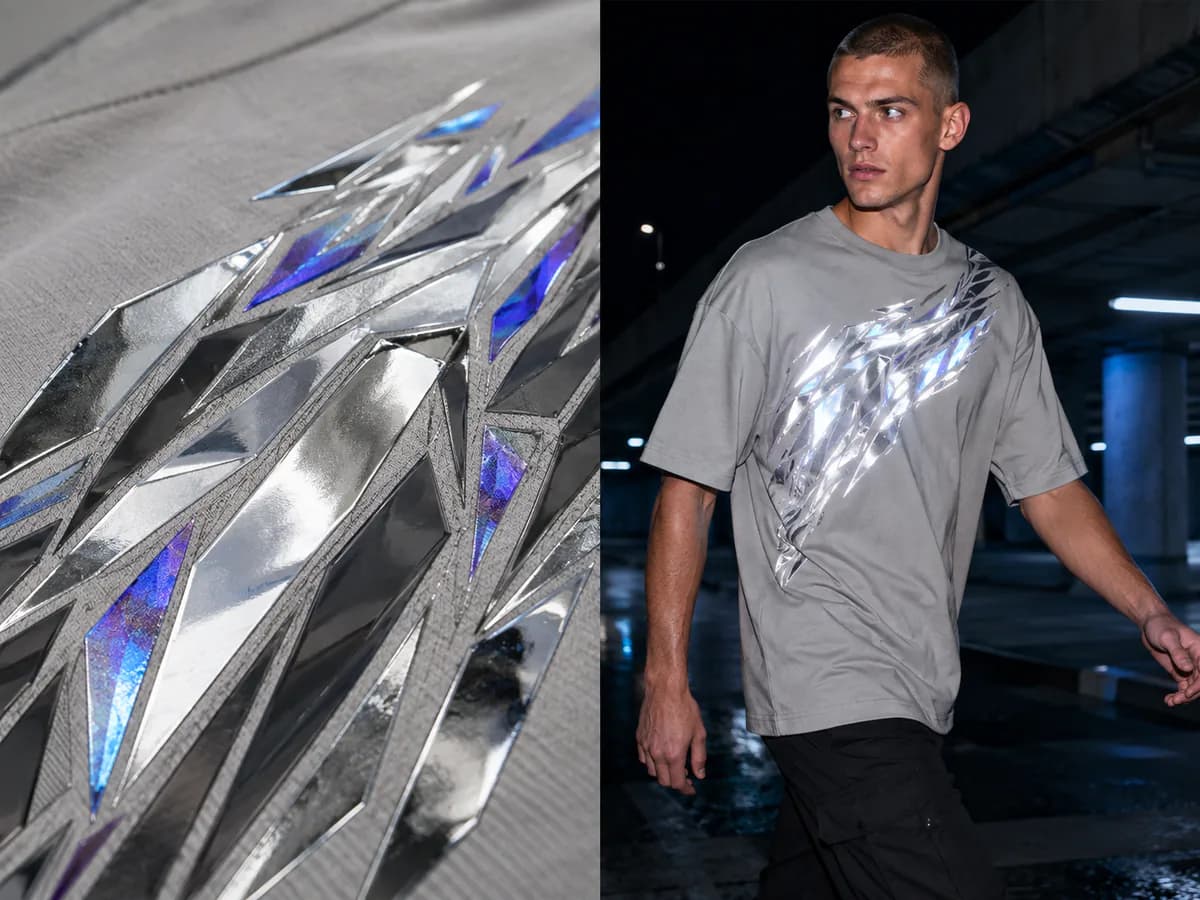 Printing & Transfer
Watch: Effect specification, heat, abrasion, care and consistency.
Before development
A logo file is only one input. The method must also suit its final size, position, colour, hand feel and the garment underneath it.
Fine lines, gradients and small text do not translate equally across print, embroidery and moulded details.
Decoration size should relate to the garment panel, intended viewing distance and brand emphasis.
Provide editable artwork and colour references; fabric colour and process can shift the perceived result.
Review seams, pockets, closures, rib, stretch zones and panel boundaries before fixing a position.
A fixed placement may not read consistently across the full garment size range.
Coverage, stitch density, backing and component weight can change drape, comfort and flexibility.
Check the complete garment
A decoration that works on one fabric or panel may distort, detach or change the hand feel on another.
Supporting brand details
Use these components for brand identity and function. Detailed sourcing, tooling and production coordination belong to the material and development workflow.
Brand, size and care information with different detail, softness and edge options.
Low-profile or external identification that must suit placement, stretch and comfort.
Retail information and brand presentation coordinated separately from garment decoration.
Functional branded components whose size, finish and pull strength require approval.
Standard or customised closures where finish, attachment and corrosion requirements matter.
Small metal or moulded details that add identity but may involve tooling and minimums.
Functional trims, packaging, tooling and supplier conditions are confirmed against the actual project.
See fabric, trim & packaging coordination →Production reference
Approve the complete result on the intended garment—not a digital mock-up, process name or standalone component.
Product applications
Product pages show category-specific applications; this guide explains how to choose and approve the direction.
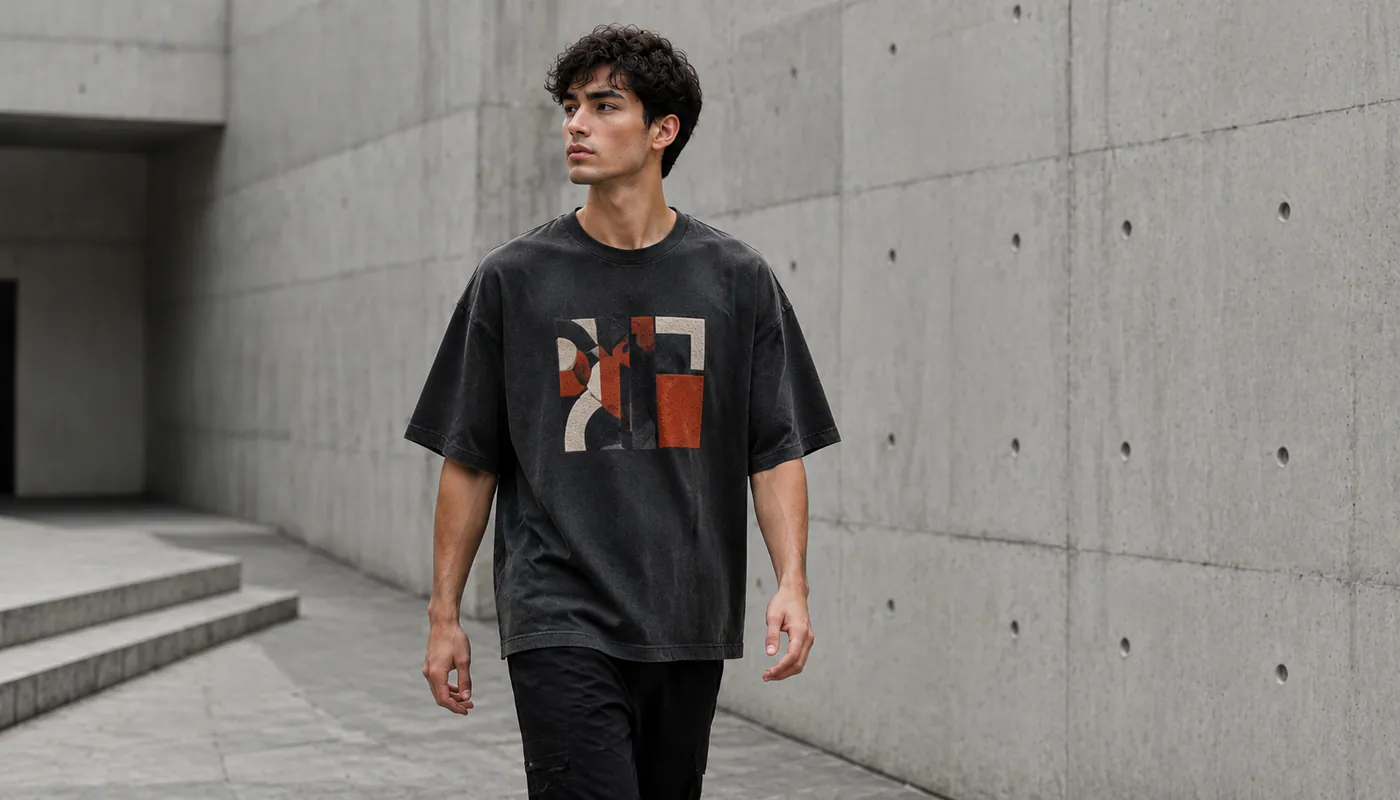
Print coverage, hand feel, placement and lightweight fabric response.
View product applications →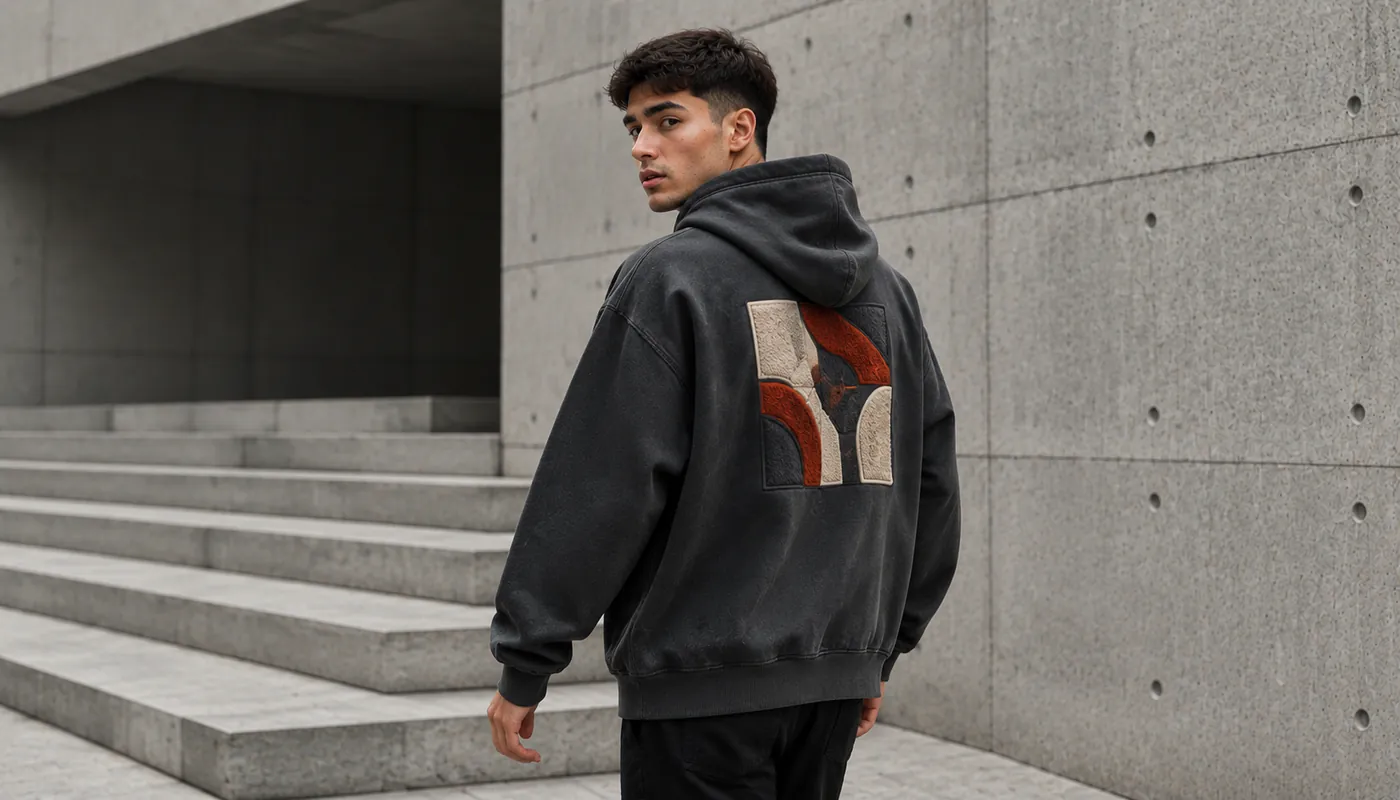
Embroidery, patches, large graphics and multi-part compatibility.
View product applications →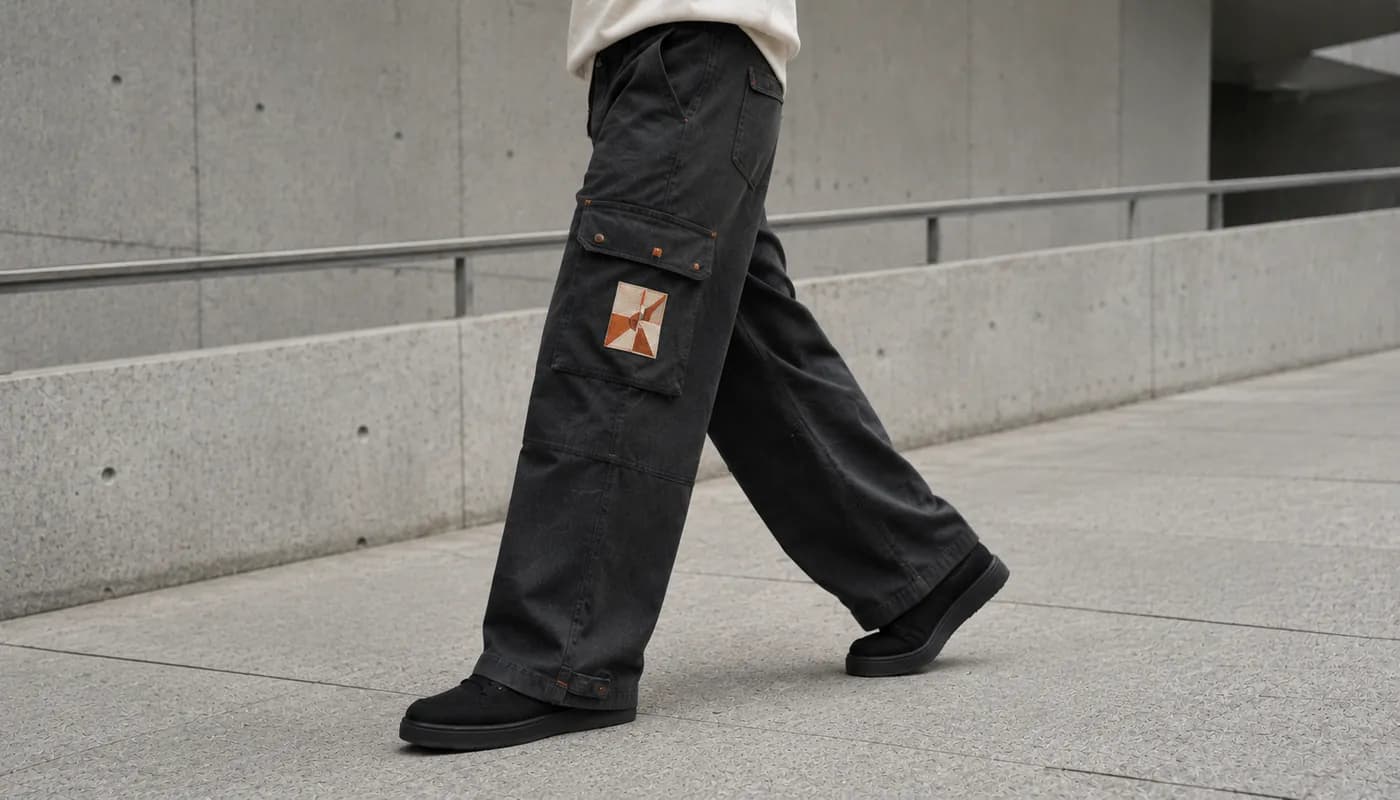
Utility labels, reinforcement details, hardware and panel placement.
View product applications →
Patches, branded hardware, lining and layered construction limits.
View product applications →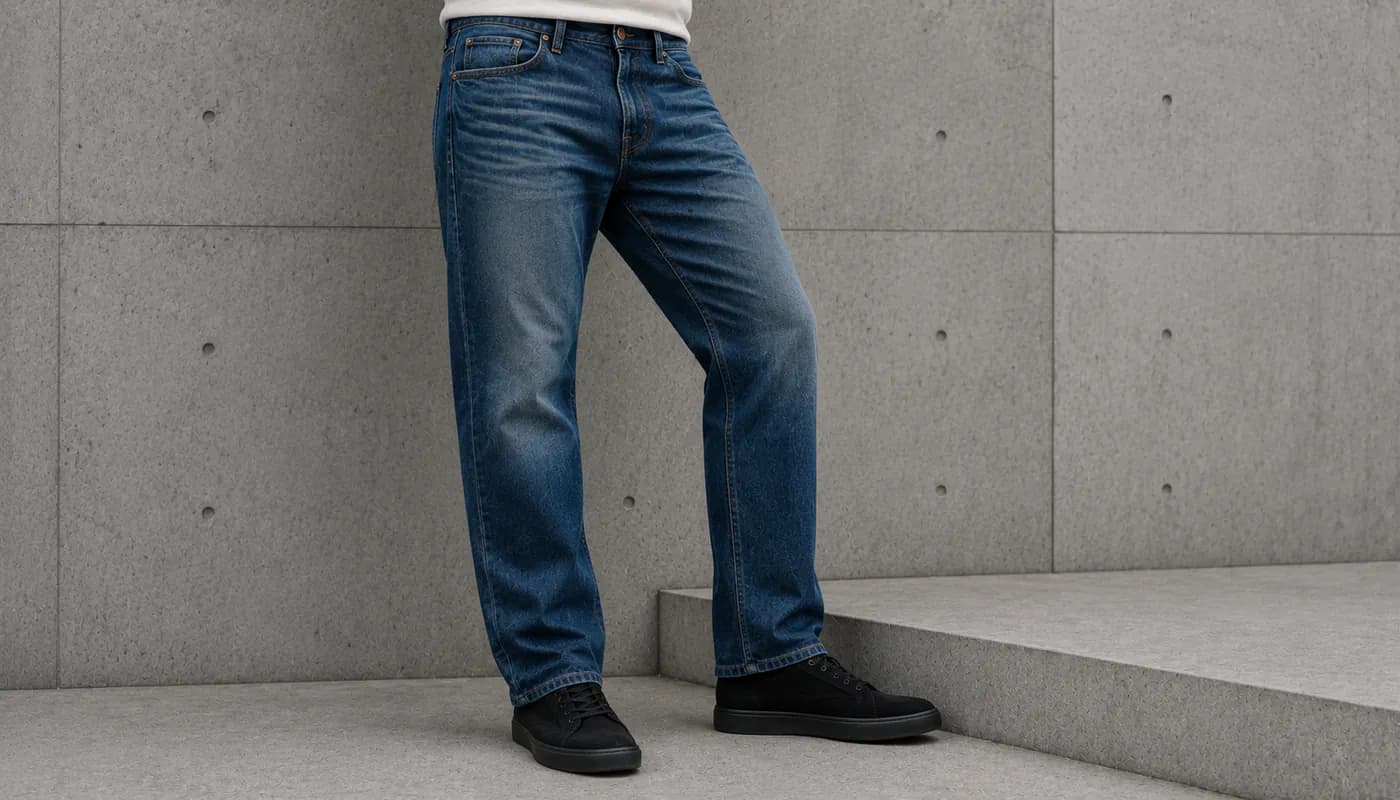
Leather patches, rivets, embroidery and post-wash decoration response.
View product applications →Decoration questions
Practical answers about selection, artwork, combinations, quantities and production variation.
From artwork to an approved reference
Share the garment category, logo files, reference images, intended materials, decoration size, placement, quantity and desired look and feel.