Custom Menswear Manufacturing / OEM & ODM / Worldwide Delivery
CUSTOM HOODIE & SWEATSHIRT MANUFACTURING
Custom Hoodie & Sweatshirt Manufacturer
As a custom hoodie and sweatshirt manufacturer for streetwear and private-label brands, KAOUYOU develops garments from reference images, physical samples, sketches or tech packs. We coordinate silhouette development, fleece sourcing, hood and closure construction, graphics, wash effects, private-label finishing and bulk production through one accountable workflow — from product development through sampling to bulk manufacturing.
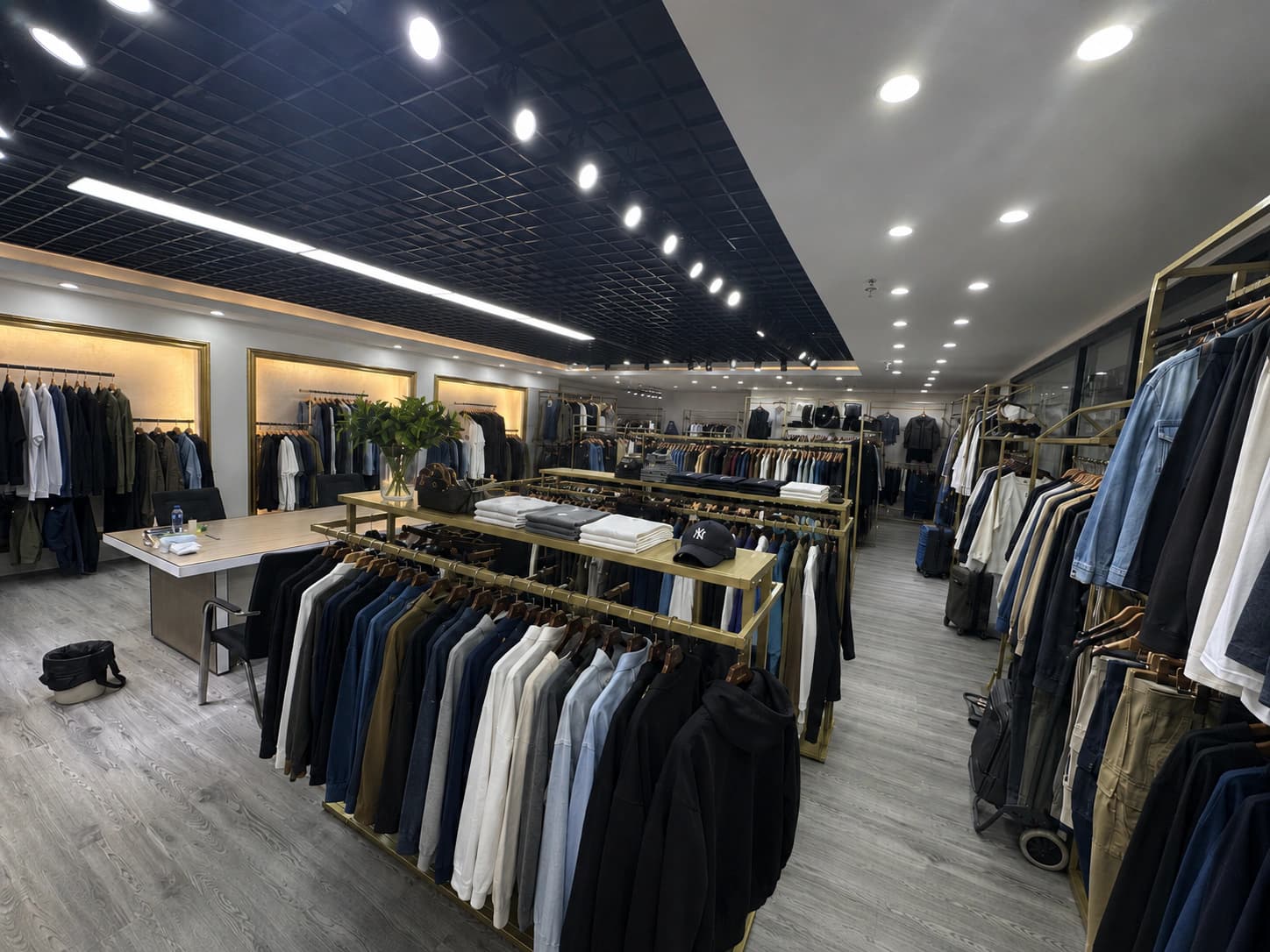
STYLE & SILHOUETTE LIBRARY
Choose the silhouette that defines your hoodie.
Each direction represents a starting point. Fit, fabric, weight, construction, hood shape and decoration are adjusted to your brand’s requirements — not selected from a fixed catalogue.
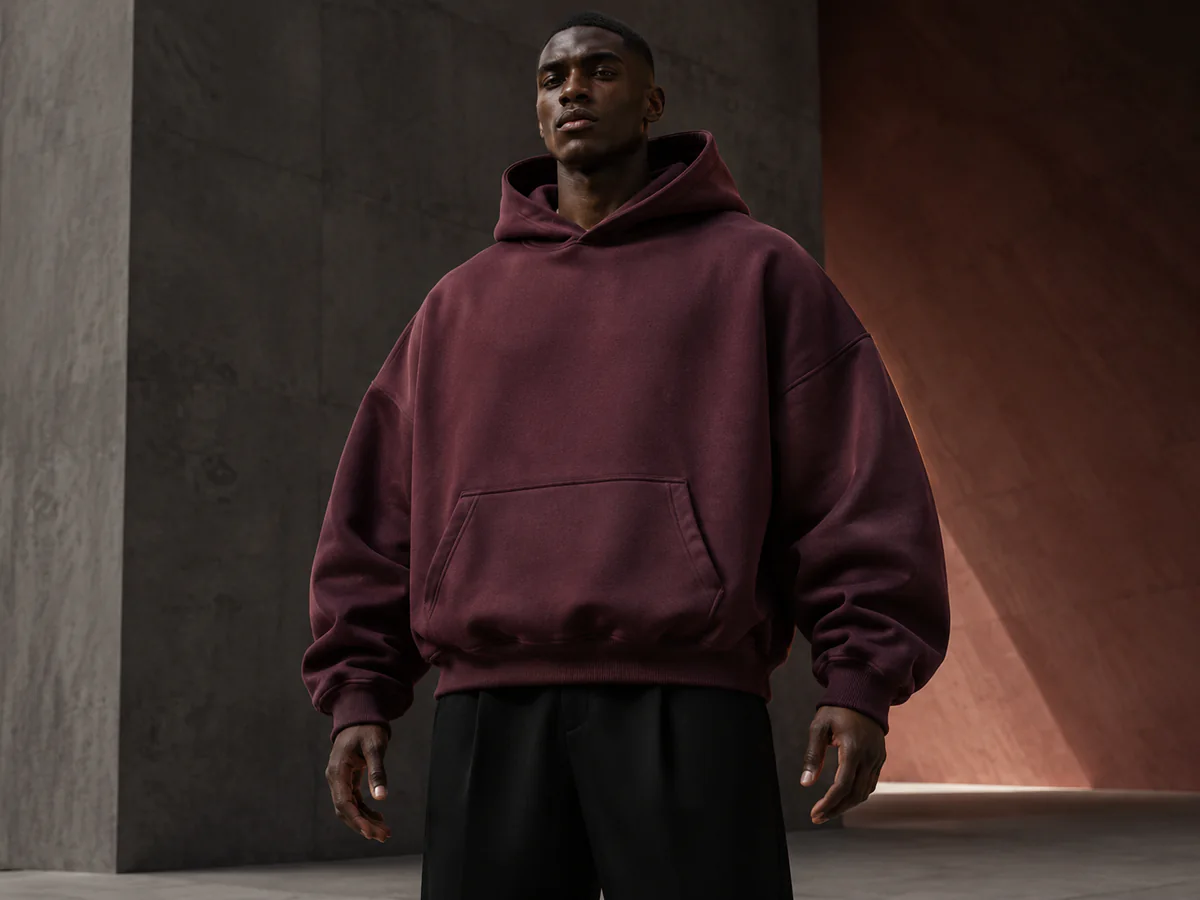
Oversized / Drop-Shoulder Pullover Hoodie
Shape: Extended chest width, dropped shoulder and relaxed sleeve volume. A heavyweight streetwear direction with pronounced silhouette.
Recommended Fabric: Heavyweight brushed fleece or structured French terry.
Typical Weight Direction: 340–420+ GSM project range, subject to sourcing.
Best For: Streetwear anchor pieces, large-scale graphics, brand hero products.
Recommended Techniques: Screen print, puff print, embroidery, garment wash.
Key Construction Focus: Shoulder drop, chest-to-body-length ratio, hood volume and rib balance.
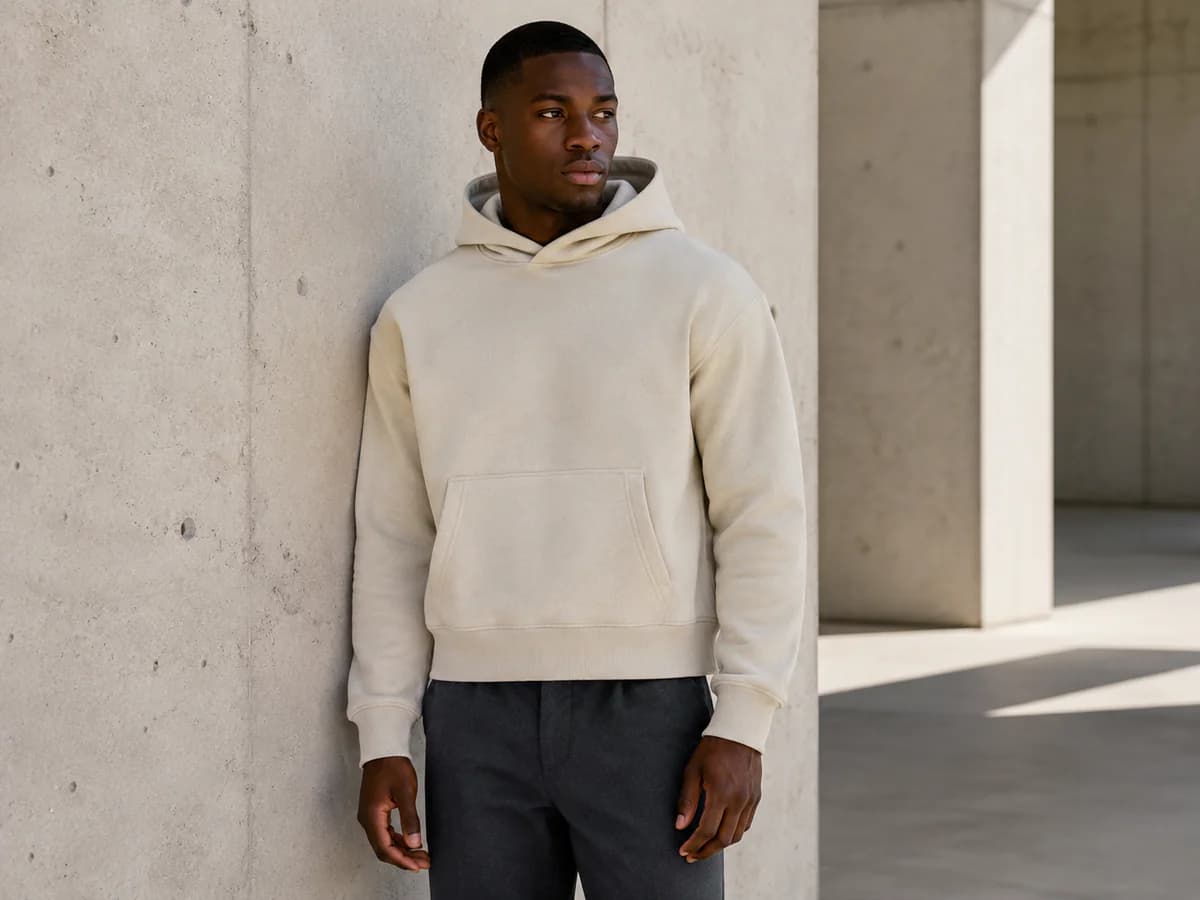
Heavyweight Boxy Hoodie
Shape: Wider body panel, compact body length and a structured, architectural silhouette.
Recommended Fabric: Heavyweight fleece with structured hand feel and body retention.
Typical Weight Direction: 340–420 GSM project range, subject to sourcing.
Best For: Premium streetwear, structured silhouettes and directional brand pieces.
Recommended Techniques: Chest / back placement, tonal embroidery, woven labels, puff print.
Key Construction Focus: Body width-to-length proportion, hood shape, rib tension and hem stability.
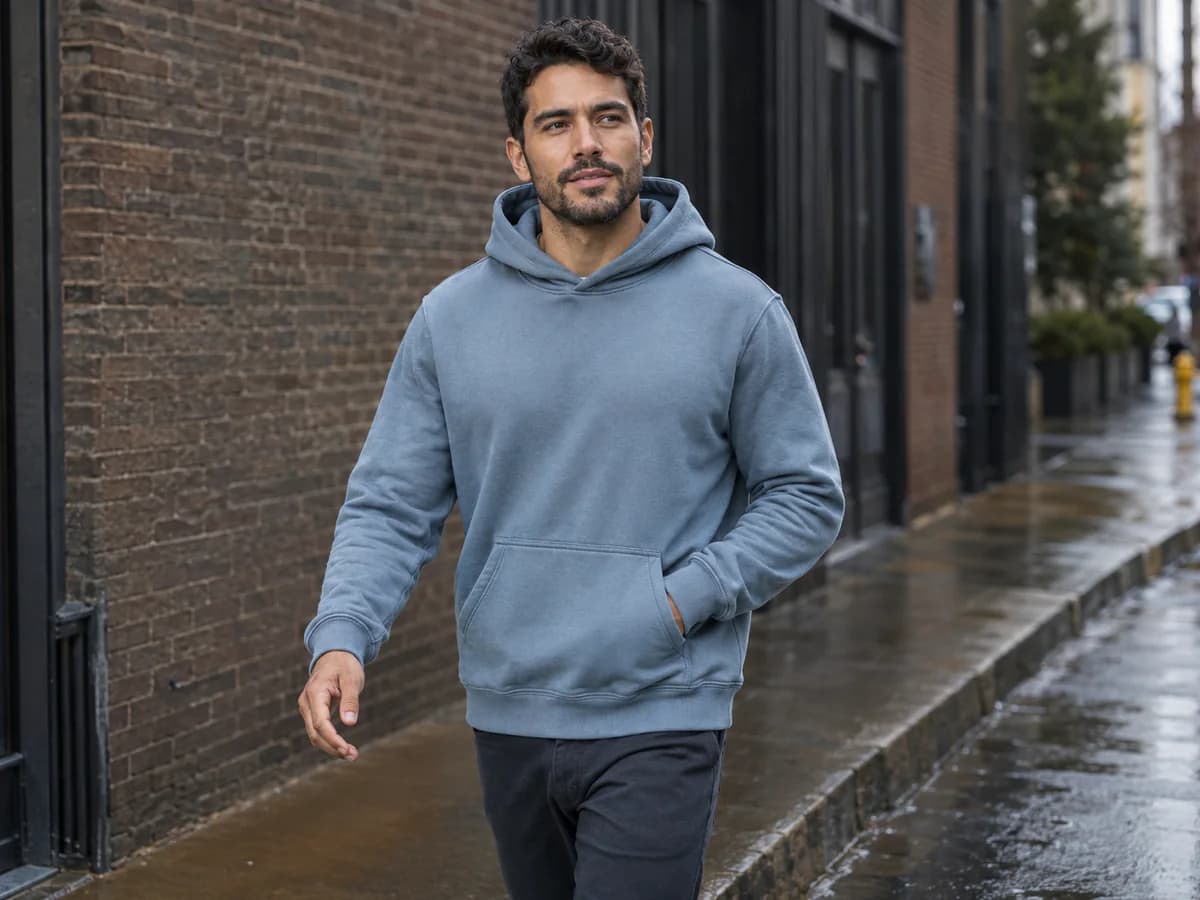
Relaxed Street Pullover Hoodie
Shape: More commercial relaxed shape with balanced body length and accessible fit.
Recommended Fabric: Midweight French terry or brushed fleece, balanced drape.
Typical Weight Direction: 280–340 GSM project range, subject to sourcing.
Best For: Repeat collections, multi-season programs and commercial streetwear ranges.
Recommended Techniques: Screen print, DTG, embroidery, neck labels, branded packaging.
Key Construction Focus: Consistent fit across sizes, rib recovery, pocket proportion and neckline comfort.
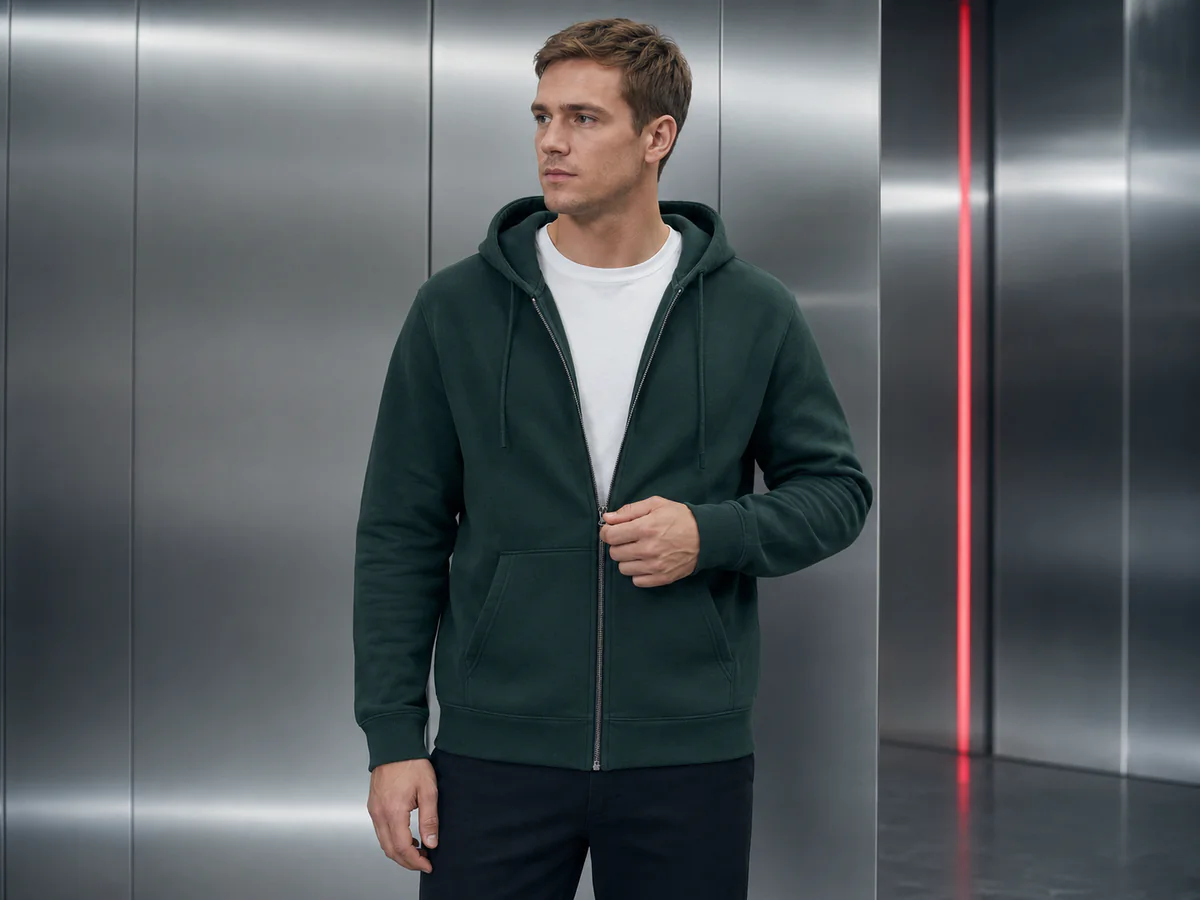
Full-Zip Hoodie
Shape: Front zipper construction with left-right body balance and structured front panels.
Recommended Fabric: Mid-to-heavyweight fleece with stable front-body drape and zipper compatibility.
Typical Weight Direction: 300–400 GSM project range, subject to sourcing.
Best For: Layering pieces, zip-through styles and collections requiring front-opening functionality.
Recommended Techniques: Chest embroidery, back graphics, custom zipper puller, split pocket.
Key Construction Focus: Zipper alignment, front-body balance, pocket split, hem and hood connection.
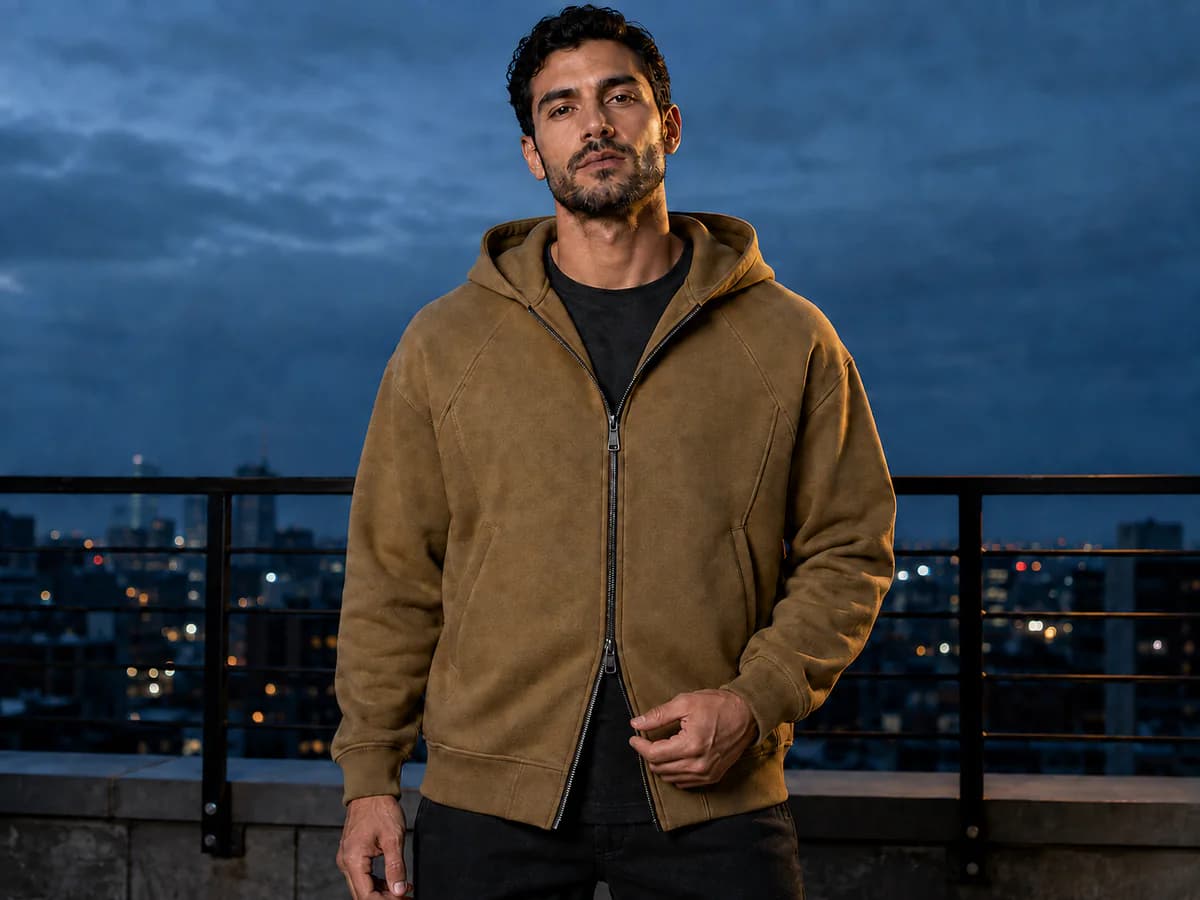
Two-Way Zip / Structured Zip Hoodie
Shape: Project-specific two-way zipper with structured body direction and hem-zipper balance.
Recommended Fabric: Structured fleece evaluated for zipper attachment, front drape and wash compatibility.
Typical Weight Direction: 320–400 GSM project range, subject to sourcing.
Best For: Directional streetwear requiring adjustable front opening and structured presence.
Recommended Techniques: Tonal branding, embroidery, custom hardware, coordinated wash.
Key Construction Focus: Two-way zipper availability, hem and zipper coordination, wash compatibility.

Crewneck Sweatshirt
Shape: Hoodless crewneck construction with controlled neckline, shoulder and sleeve shape.
Recommended Fabric: French terry or midweight fleece, balanced hand feel and recovery.
Typical Weight Direction: 280–360 GSM project range, subject to sourcing.
Best For: Commercial basics, everyday essentials and long-term repeat programs.
Recommended Techniques: Screen print, DTG, embroidery, tonal branding, woven labels.
Key Construction Focus: Neck rib shape and recovery, shoulder construction, sleeve volume and hem proportion.
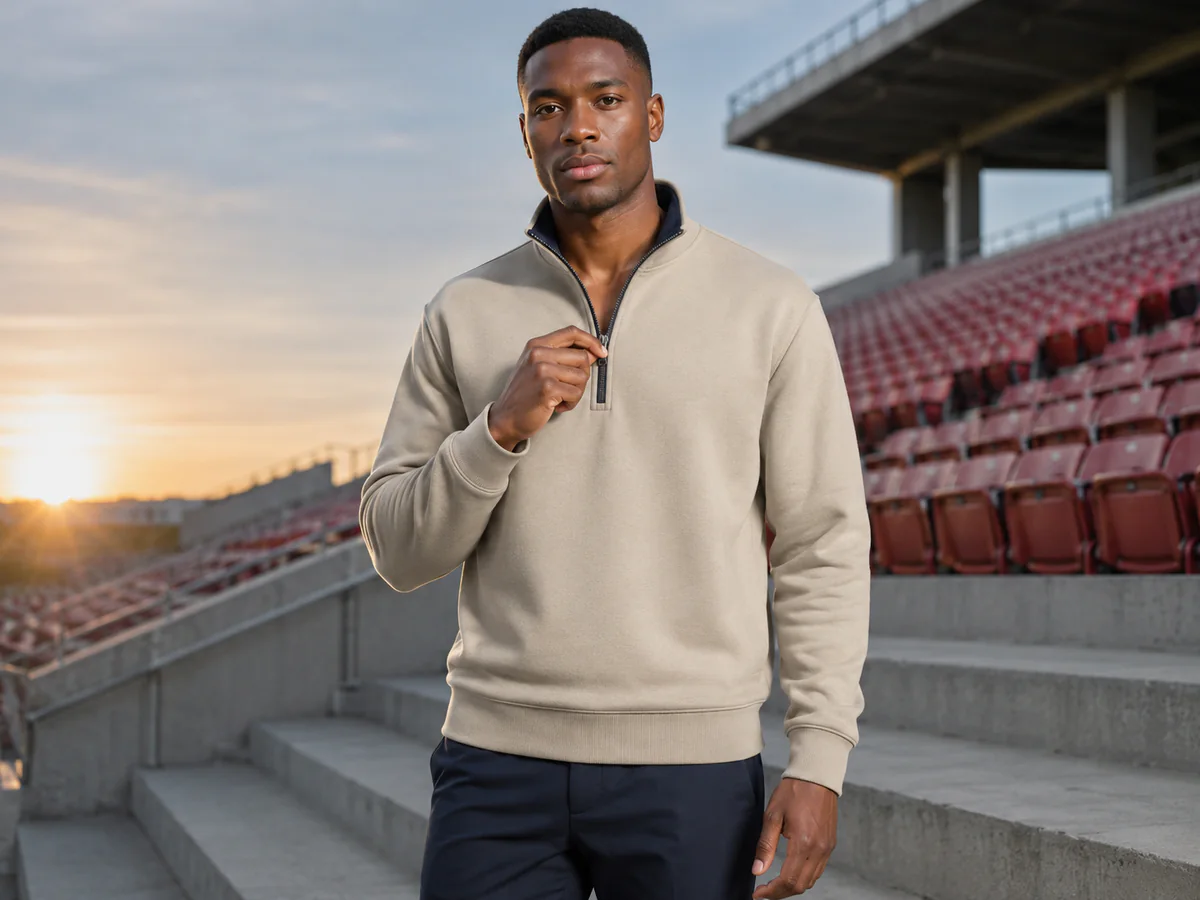
Quarter-Zip / Mock-Neck Sweatshirt
Shape: Collar or mock-neck proportion with quarter-zip construction and neckline reinforcement.
Recommended Fabric: Midweight fleece or interlock with stable neckline structure.
Typical Weight Direction: 280–360 GSM project range, subject to sourcing.
Best For: Layering pieces, sportswear direction and collections requiring neckline variation.
Recommended Techniques: Chest embroidery, contrast zip tape, tonal branding, woven labels.
Key Construction Focus: Collar proportion, zipper length and placement, neckline reinforcement and rib coordination.

Vintage Washed Hoodie / Sweatshirt
Shape: Developed through fit, fabric and wash — not one single process. Controlled fading and softer hand feel.
Recommended Fabric: Fleece or terry evaluated for the selected wash treatment and colour direction.
Typical Weight Direction: 300–400 GSM project range, subject to sourcing and wash process.
Best For: Vintage-inspired, washed and lived-in streetwear collections.
Recommended Techniques: Garment wash, pigment dye, faded effects, distressed finish, tonal decoration.
Key Construction Focus: Sample approval, colour tolerance, wash effect on rib, zipper, hardware and artwork.
FABRIC, INTERIOR & WEIGHT
Weight creates presence. The interior changes how it wears.
Each fabric direction is matched to your silhouette, hand feel, decoration plan and order requirements. Specific composition, weight, colour and quantity are confirmed through project-based sourcing — not from a fixed in-stock catalogue.
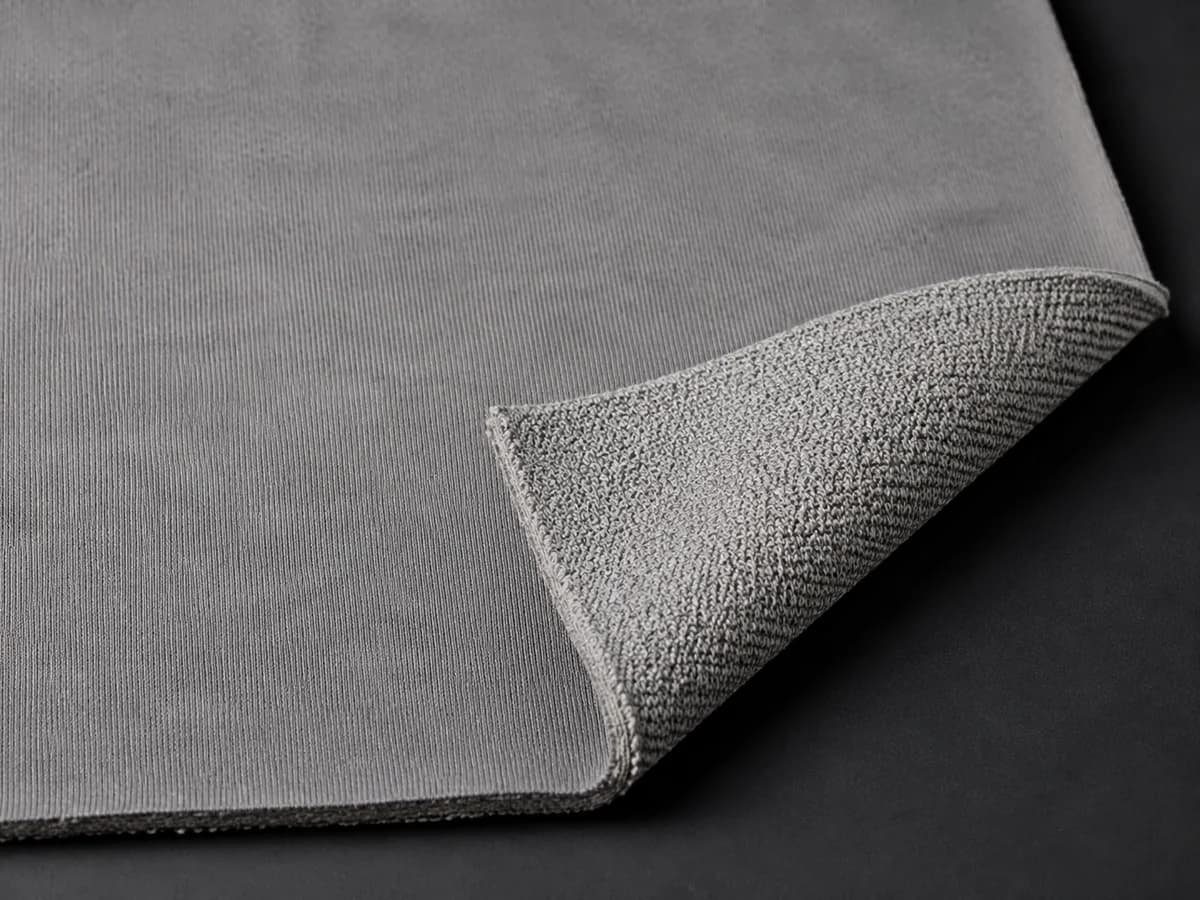
French Terry / Loopback Jersey
Interior: Unbrushed looped interior with visible loop structure.
Hand Feel: Relatively breathable with natural structure and mid-level warmth.
Structure: Looped back, smooth face, moderate drape.
Typical Weight Direction: 280–380 GSM project range, subject to composition and sourcing.
Best For: Transitional seasons, street-casual collections and projects needing structure without excessive warmth.
Decoration Compatibility: Screen print, embroidery, DTG. Confirm surface compatibility and wash result.
Wash Considerations: Compatible with garment dye and enzyme wash; confirm loop appearance after washing.
Confirm before sampling: Composition, weight, colour, availability and minimum quantity.
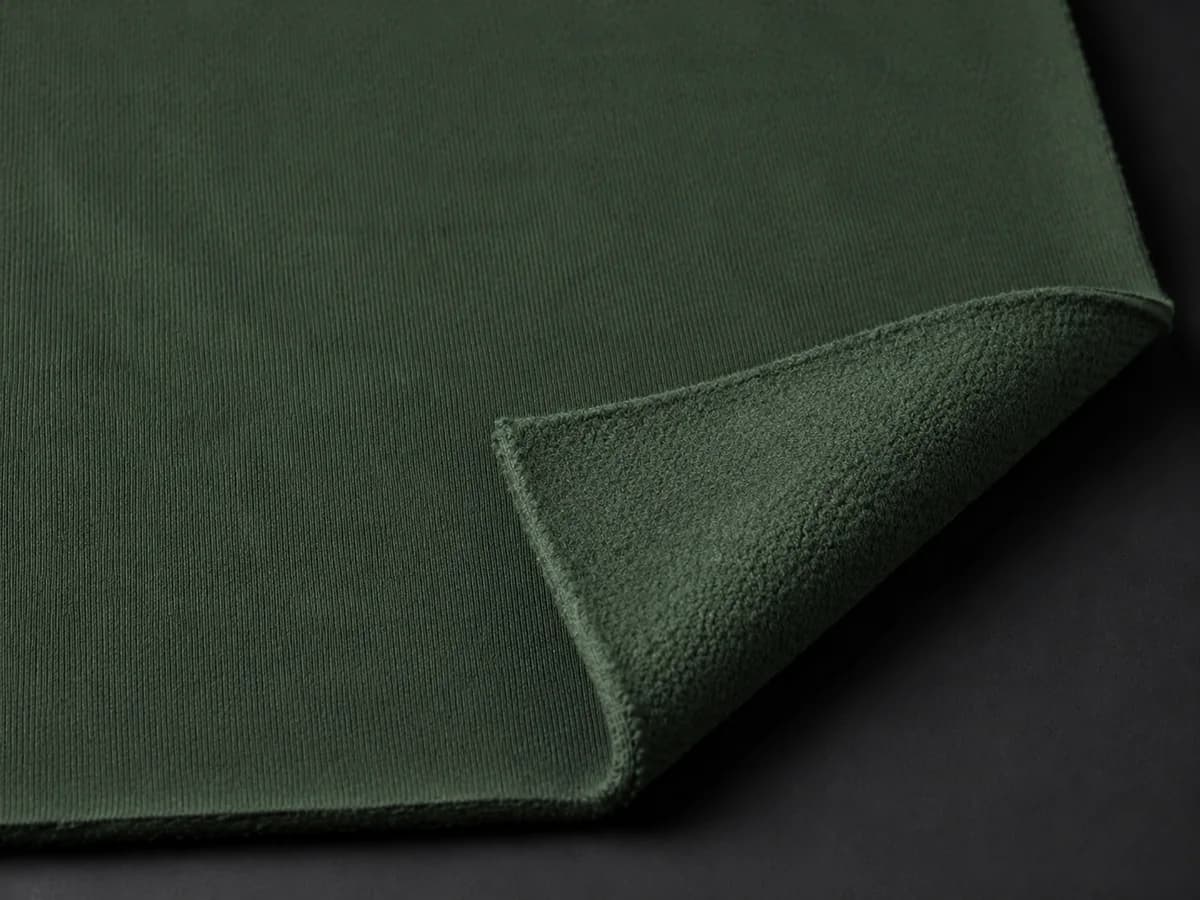
Brushed Fleece
Interior: Brushed interior surface for soft hand feel and greater warmth retention.
Hand Feel: Softer, warmer and more insulating than loopback terry.
Structure: Brushed back, smooth or lightly textured face, controlled drape.
Typical Weight Direction: 300–400 GSM project range, subject to composition and sourcing.
Best For: Autumn–winter hoodies and sweatshirts where comfort and insulation matter.
Decoration Compatibility: Screen print, puff, embroidery. Heavier brushing may affect print surface smoothness.
Wash Considerations: Confirm brushing retention, shrinkage and surface change after washing.
Confirm before sampling: Composition, weight, colour, availability and minimum quantity.
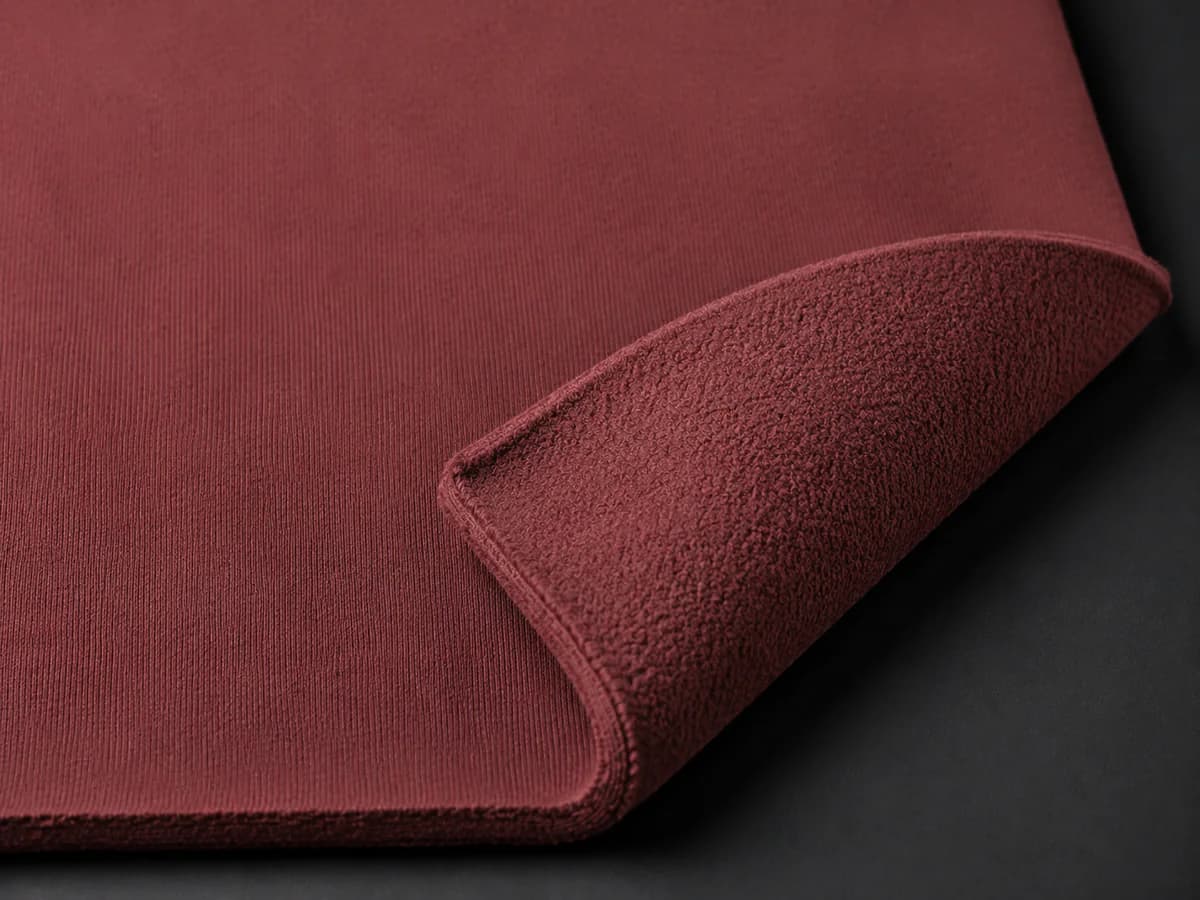
Heavyweight Cotton-Rich Fleece
Interior: Dense brushed or looped interior with substantial body and structure.
Hand Feel: Heavy, structured hand feel with strong garment presence.
Structure: Tightly constructed face and back, minimal drape, high rigidity.
Typical Weight Direction: 380–500+ GSM project range, subject to construction and sourcing.
Best For: Oversized, boxy and premium streetwear hoodies requiring defined silhouette.
Decoration Compatibility: Screen print, puff, high-density print, embroidery. Confirm adhesion on heavy surfaces.
Wash Considerations: Holds structure through wash; confirm shrinkage, colour fastness and drying behaviour.
Confirm before sampling: Composition, weight, colour, availability and minimum quantity.
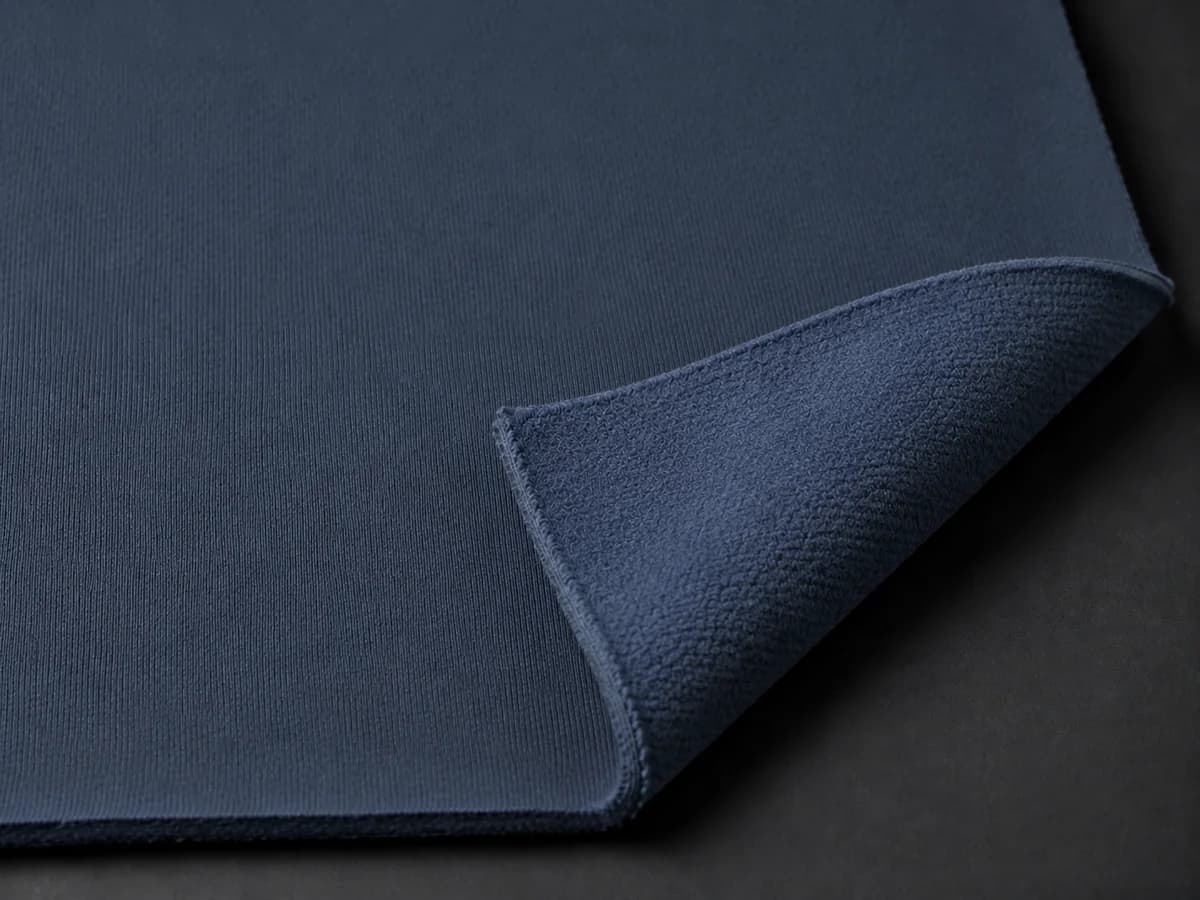
Cotton-Poly / CVC Fleece
Interior: Blended fleece with balanced stability, reduced shrinkage and cost efficiency.
Hand Feel: Smoother interior, less prone to distortion through washing.
Structure: Blended face and back, controlled shrinkage, consistent recovery.
Typical Weight Direction: 280–360 GSM project range, subject to blend ratio and sourcing.
Best For: Commercial programs, multi-colour runs and repeat-order consistency.
Decoration Compatibility: Screen print, DTG, heat transfer. Confirm adhesion on blended surfaces.
Wash Considerations: Good colour retention; confirm hand feel preference and brushing durability.
Confirm before sampling: Composition, weight, colour, availability and minimum quantity.
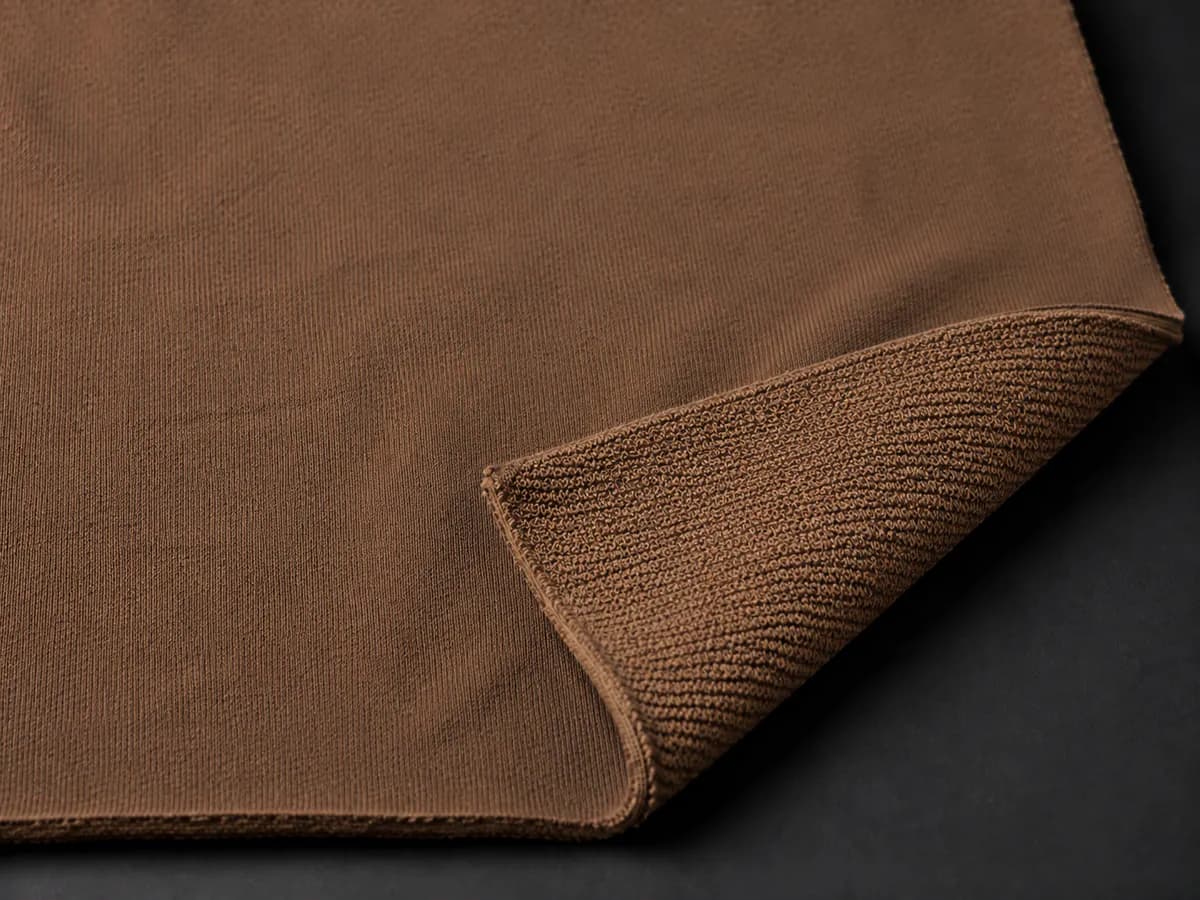
Open-End / Dry-Hand Fleece
Interior: Dryer, more textured interior with a vintage-oriented surface character.
Hand Feel: Less soft, more structured, vintage-adjacent hand feel.
Structure: Open-end yarn face, textured back, directional appearance.
Typical Weight Direction: 300–400 GSM project range, subject to yarn and sourcing.
Best For: Vintage washed, heavyweight streetwear and directional collections.
Decoration Compatibility: Screen print, distressed graphics, garment dye and wash effects.
Wash Considerations: Reactive to wash processes; confirm result via sample. Surface may shift.
Confirm before sampling: Composition, weight, colour, availability and minimum quantity.
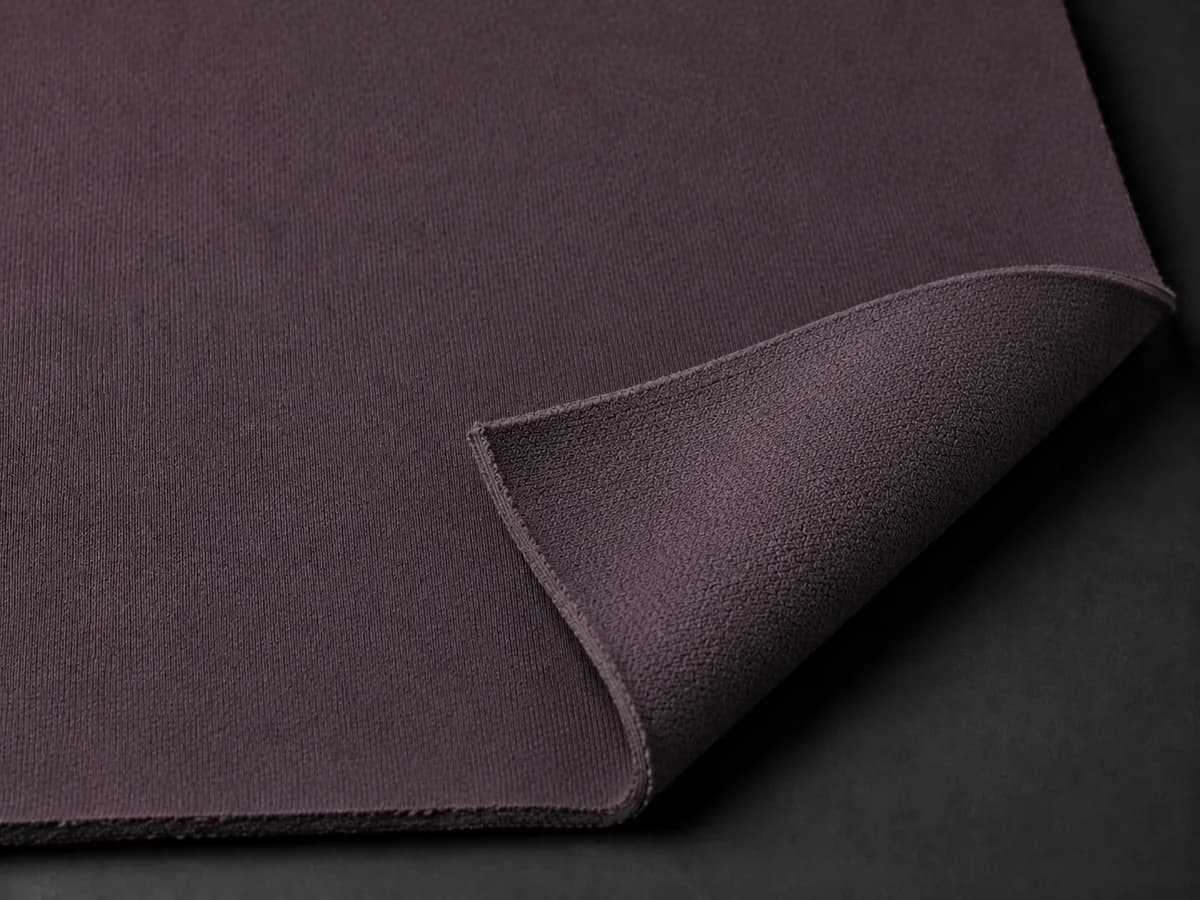
Double-Knit / Interlock
Interior: Smooth both sides with heavier body and natural structure.
Hand Feel: Clean interior, heavier hand, less casual than fleece.
Structure: Double-knit construction, smooth face and back, structured drape.
Typical Weight Direction: 300–400 GSM project range, subject to construction and sourcing.
Best For: Premium minimal hoodies and structured sweatshirts with a refined direction.
Decoration Compatibility: Embroidery, tonal print, minimal decoration, woven labels.
Wash Considerations: Stable through wash; confirm drape, hand feel and shrinkage.
Confirm before sampling: Composition, weight, colour, availability and minimum quantity.
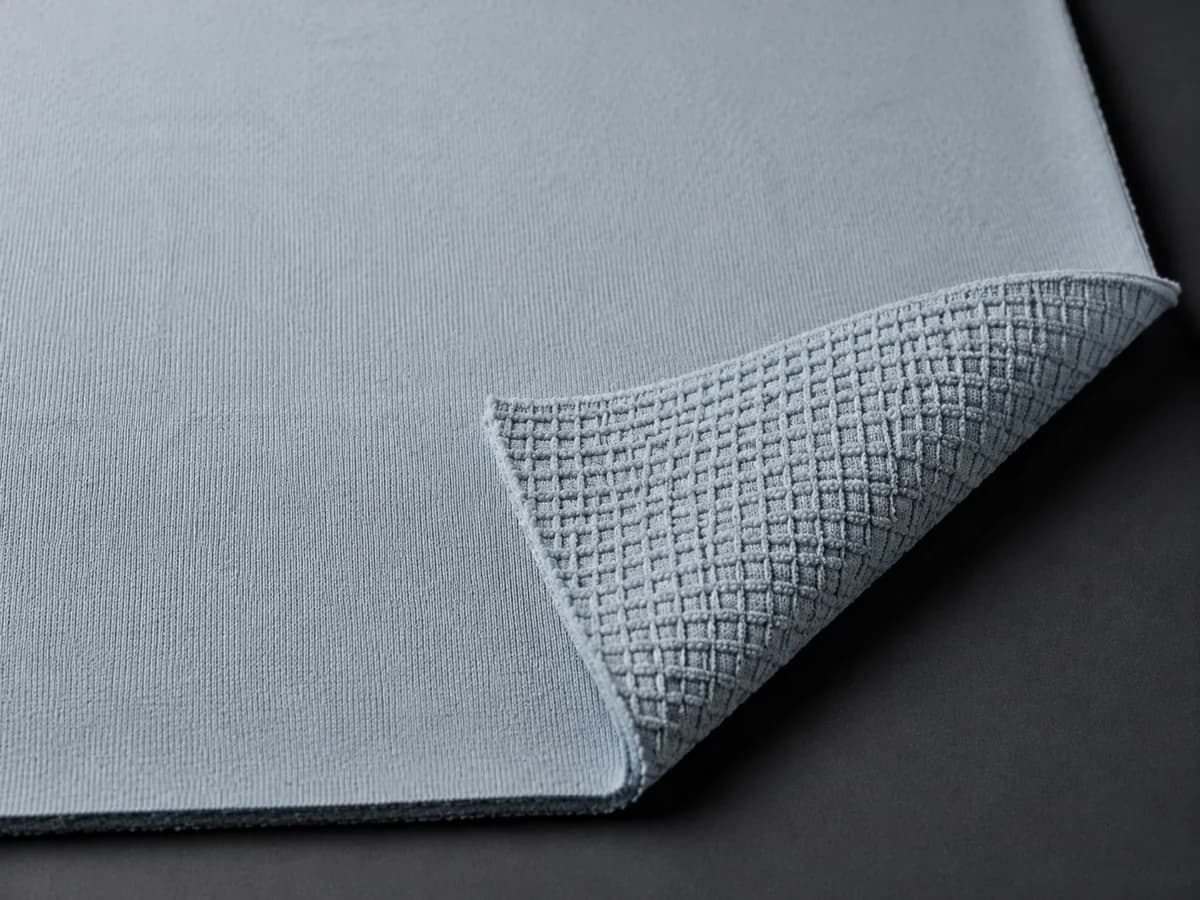
Performance / Technical Fleece
Interior: Technical interior with moisture management or quick-dry properties.
Hand Feel: Performance-oriented, lighter, functional hand feel.
Structure: Technical knit or fleece construction, performance fibre content.
Typical Weight Direction: 220–320 GSM project range, subject to performance specification.
Best For: Active streetwear, training hoodies and functional layering pieces.
Decoration Compatibility: Sublimation, heat transfer, reflective details, tonal branding.
Wash Considerations: Confirm colour fastness, wicking durability and performance retention.
Confirm before sampling: Composition, weight, colour, availability and minimum quantity.
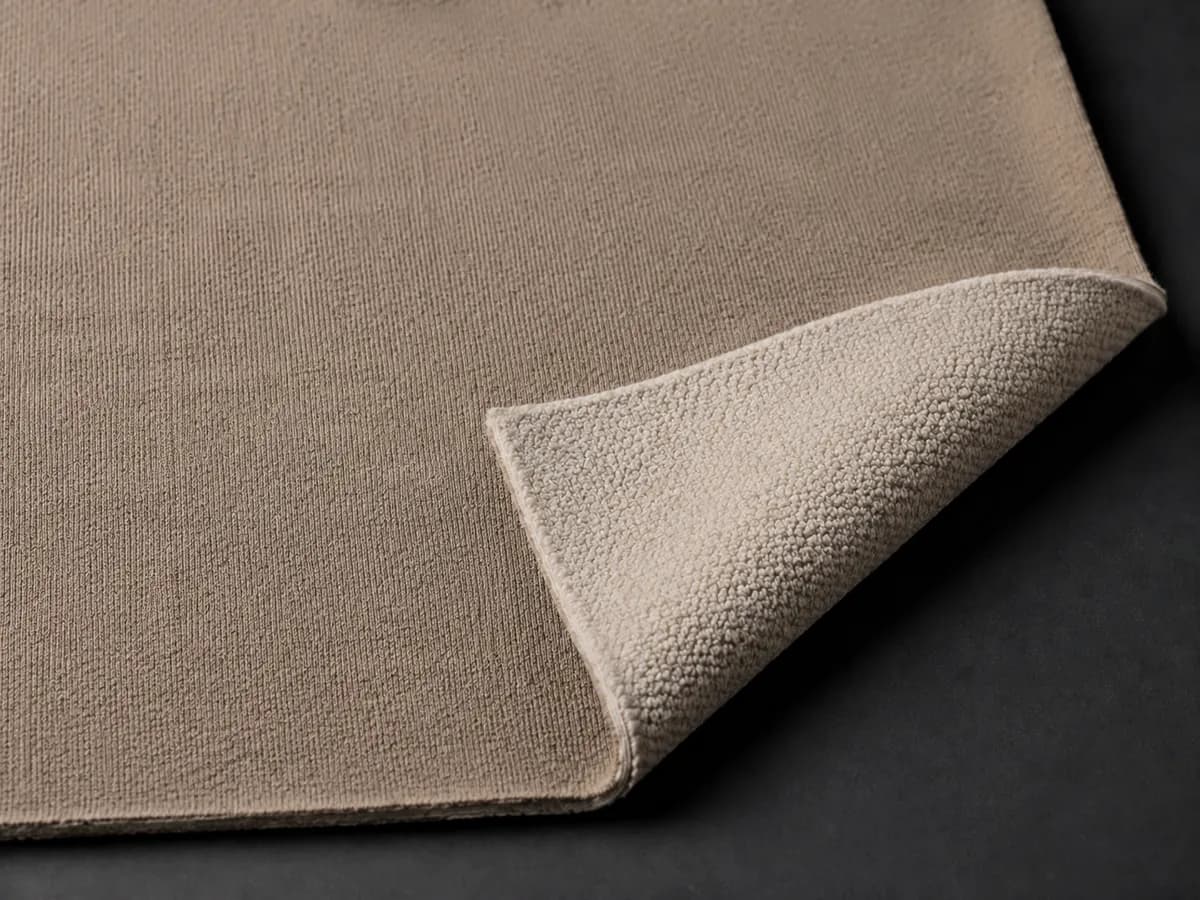
Sherpa Fleece / Bonded Thermal Fabric
Interior: High-pile sherpa, fleece-backed or bonded thermal interior developed according to the required warmth and construction direction.
Hand Feel: Warm, fuller and more insulating, with a soft pile or layered thermal character depending on the selected construction.
Structure: Sherpa fleece, fleece-backed knit or bonded multi-layer construction. Surface and interior structure are confirmed per project.
Typical Weight Direction: Confirmed according to the selected layers and construction. Bonded or multi-layer fabrics should not be evaluated by GSM alone.
Best For: Winter hoodies, zip-through hoodies, oversized cold-weather sweatshirts, lined designs and selected thermal streetwear projects.
Decoration Compatibility: Embroidery, patches and selected branding applications. Printing compatibility depends on the outer face and bonded structure.
Wash Considerations: Confirm shrinkage, pile retention, shedding, bonding stability, delamination risk, drying behaviour and changes in hand feel through testing.
Confirm Before Sampling: Face material, interior structure, bonding method, weight direction, colour, wash method, availability and minimum quantity.
Weight Direction Comparison
Midweight
Typical Direction: Approximately 280–340 GSM, subject to fabric structure and sourcing.
Best For: Commercial hoodies, crewneck sweatshirts, layering and multi-season use.
Balanced warmth and structure for everyday wear and repeat collections.
Heavyweight
Typical Direction: Approximately 340–420 GSM, subject to construction and sourcing.
Best For: Oversized, boxy and premium streetwear hoodies requiring defined silhouette.
Weight supports structure but must be matched to hood, rib and wear experience.
Extra-Heavy / Project-Specific
Typical Direction: Approximately 420–500+ GSM where feasible.
Best For: Statement heavyweight hoodies requiring strong structure and presence.
Fabric construction, composition, hood layers, rib and silhouette all affect the final garment — GSM alone does not define quality.
GSM alone does not define quality. Fabric structure, composition, hood layers, rib and silhouette all affect the final garment. Exact GSM and availability are confirmed per project.
Sustainable Material Directions
Organic cotton, recycled polyester and other certified fibre directions can be reviewed according to project requirements and supplier availability. Sustainability claims, recycled content and certification must be supported by valid documentation for the selected material. KAOUYOU does not guarantee that every composition, colour or weight is continuously available.
- Organic Cotton Direction
- Recycled Polyester Direction
- Certified Fibre Content
- Supplier Documentation
- Project-Specific Availability
Fabric availability, composition, colour range, weight, certification and minimum order quantity are confirmed on a project basis. KAOUYOU does not guarantee that every fabric, colour or weight is continuously available. Sustainable material claims require a confirmed source and valid supporting documentation.
HOOD CONSTRUCTION SYSTEM
The hood is part of the silhouette, not an added accessory.
Hood depth, panel construction, opening width, front overlap, fabric layers and drawcord structure all affect how the hood sits when laid flat and when worn. Each decision changes the front appearance, wearing experience and how the hood coordinates with the neckline, shoulder and body weight.
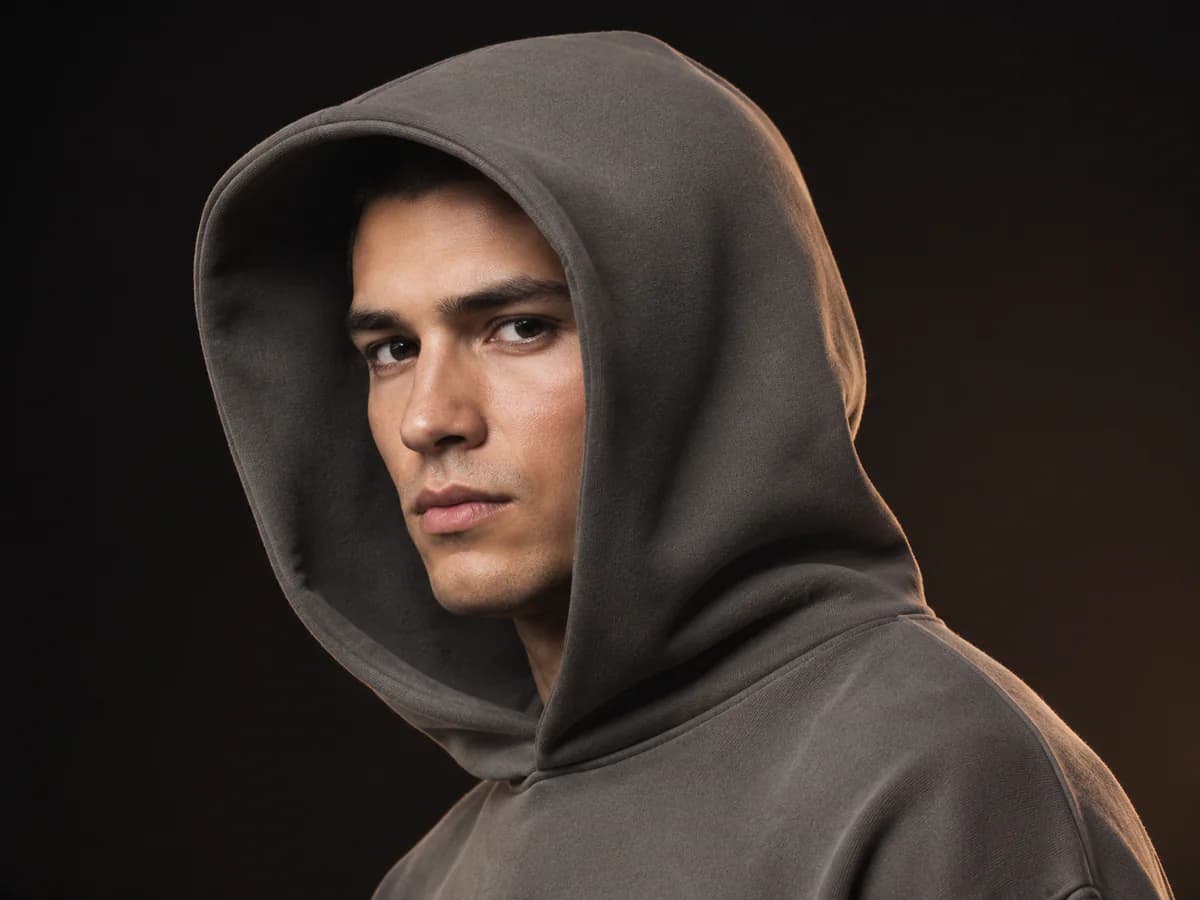
Hood Volume & Depth
Visual Effect: How the hood sits on the head and frames the face when worn.
Construction Effect: Hood depth, height and overall volume affect the wearing experience and flat-lay appearance.
Suitable Direction: All hoodie styles; deeper hoods for streetwear presence, shallower for commercial comfort.
Confirm During Development: Hood depth measurement, height, volume and how it relates to the body size.
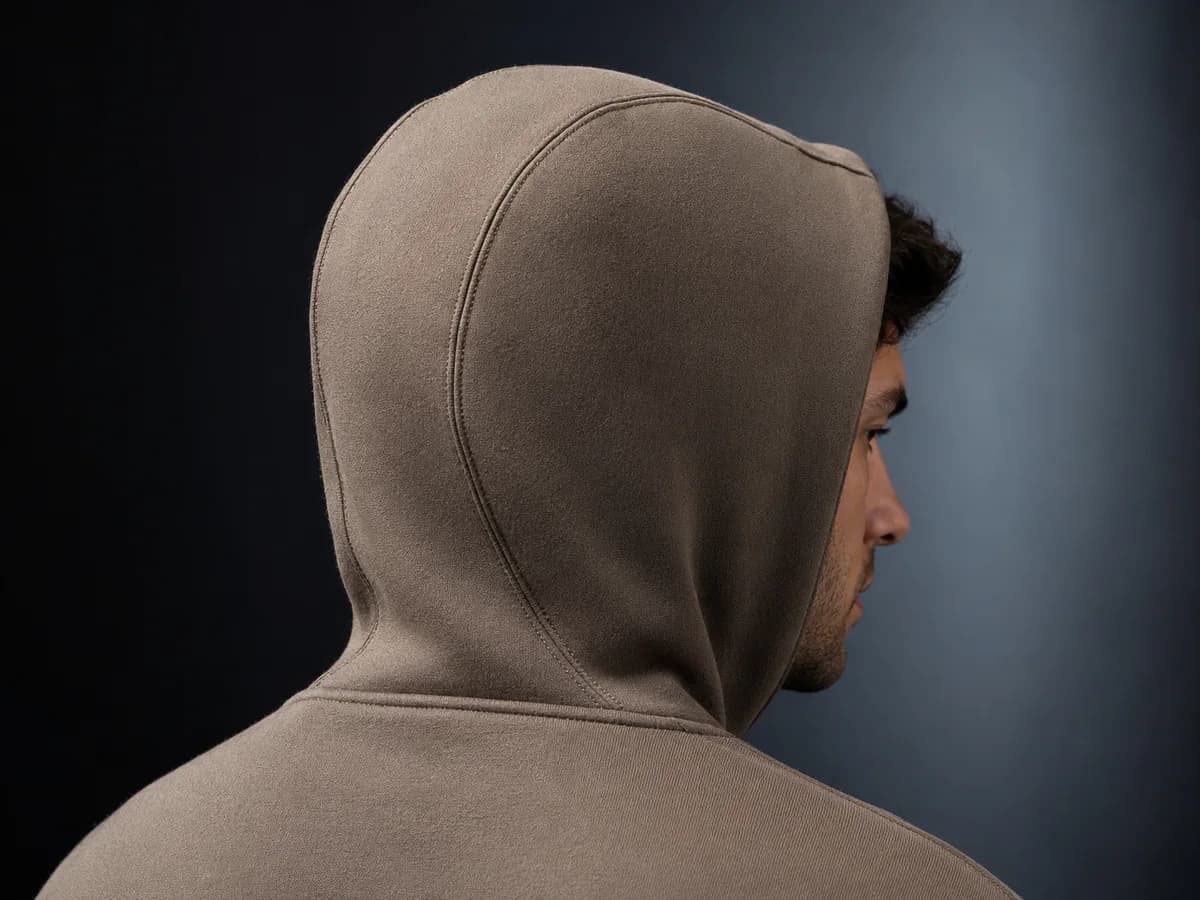
Panel Construction
Visual Effect: The silhouette and contour of the hood viewed from front, side and back.
Construction Effect: Two-panel, three-panel or project-specific panel structure affects head shape, fit and crown appearance.
Suitable Direction: Two-panel for simpler construction; three-panel for shaped fit and defined crown.
Confirm During Development: Panel count, seam placement, crown shape and compatibility with target fabric weight.
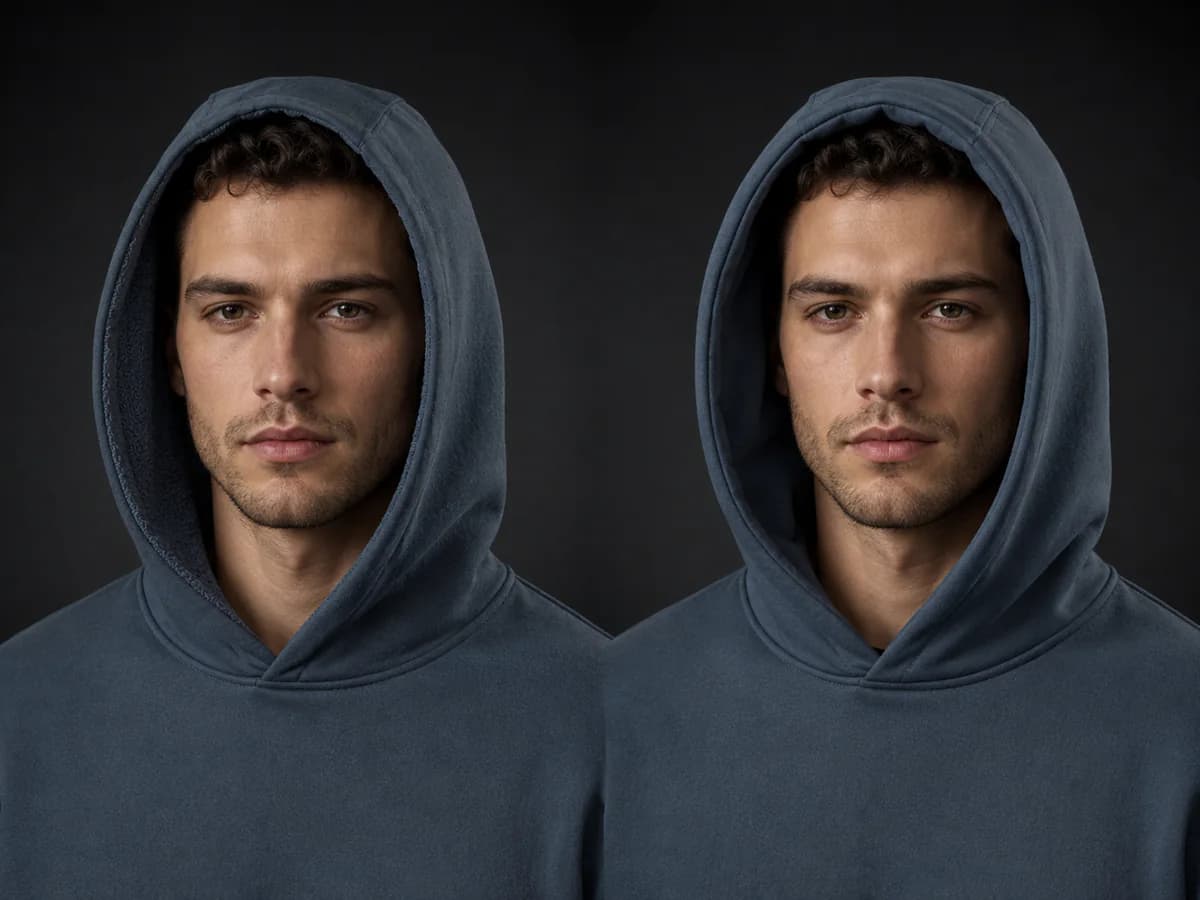
Single-Layer vs Double-Layer
Visual Effect: Interior finish, structure and how the hood holds its shape.
Construction Effect: Single-layer is lighter with a clean interior; double-layer adds structure, warmth and interior finish quality but increases hood weight.
Suitable Direction: Single-layer for lighter, warmer-weather hoodies; double-layer for heavyweight, structured and premium styles.
Confirm During Development: Layer choice, interior finish, hood weight and how it coordinates with neckline and body.

Hood Opening & Front Overlap
Visual Effect: Width at the front opening and how the two sides meet or cross at centre front.
Construction Effect: Opening width and front overlap define the face-framing effect and how the hood drapes when worn open or up.
Suitable Direction: Wider opening for relaxed streetwear; closer overlap for structured and zip-hoodie styles.
Confirm During Development: Opening width, front overlap distance and how these interact with drawcord and neckline.
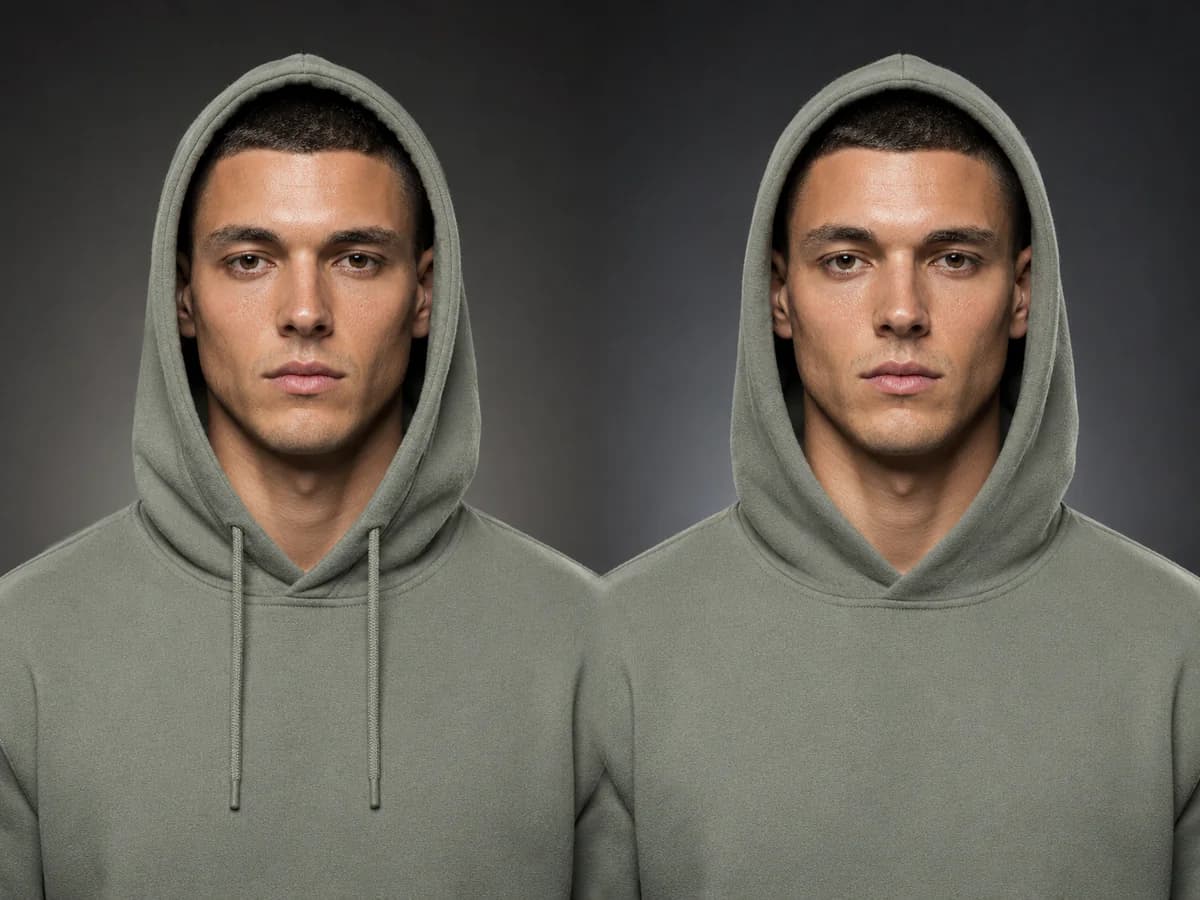
Drawcord vs No-Drawcord
Visual Effect: The presence, absence and styling of adjustable hood closure.
Construction Effect: Drawcord adds adjustability and a streetwear visual element. No-drawcord creates a cleaner, more minimal front appearance.
Suitable Direction: Drawcord for streetwear and functional styles; no-drawcord for minimal, premium and certain market requirements.
Confirm During Development: Drawcord material, colour, tip finish, length and whether drawcord is required for the target market.
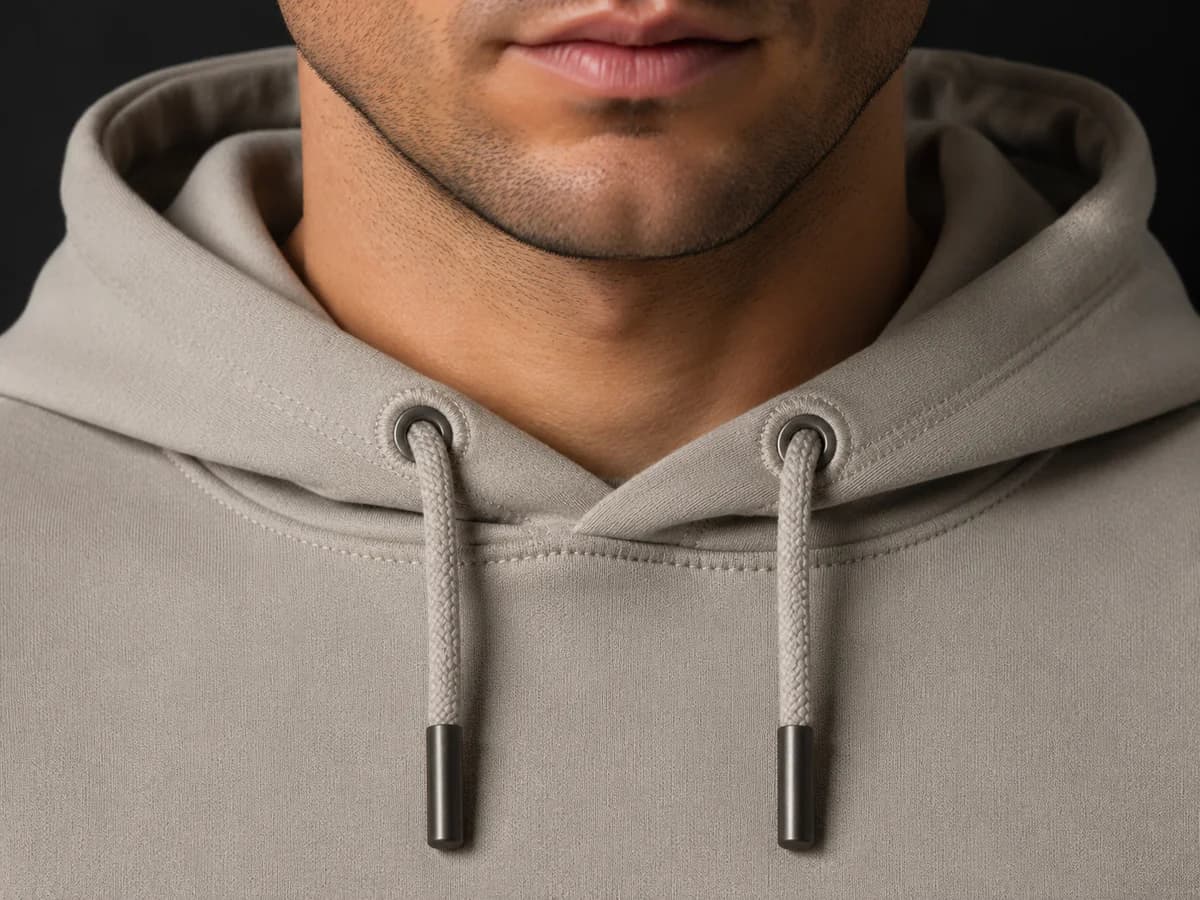
Eyelets, Cord Ends & Neck Connection
Visual Effect: Hardware finish, cord exit points and how the hood meets the neckline.
Construction Effect: Eyelets, cord ends, drawcord exit position and neckline reinforcement affect the front appearance and structural integrity of the hood attachment.
Suitable Direction: Metal or project-specific eyelet finishes; reinforcement at neck connection for heavyweight hoods.
Confirm During Development: Eyelet material and finish, cord end type, exit position, neckline tape and reinforcement method.
Not all hood structures suit all fabric weights. A heavy double-layer hood must coordinate with neckline reinforcement, shoulder construction and body weight. Hood specifications are confirmed during development and documented before bulk production. The reference sample sets the measurable standard.
CLOSURES, POCKETS, RIB & SEAMS
Control the details that hold the garment together.
Zippers, pockets, rib and seams each affect how the hoodie looks, wears and performs through washing. These are development decisions — not afterthoughts.
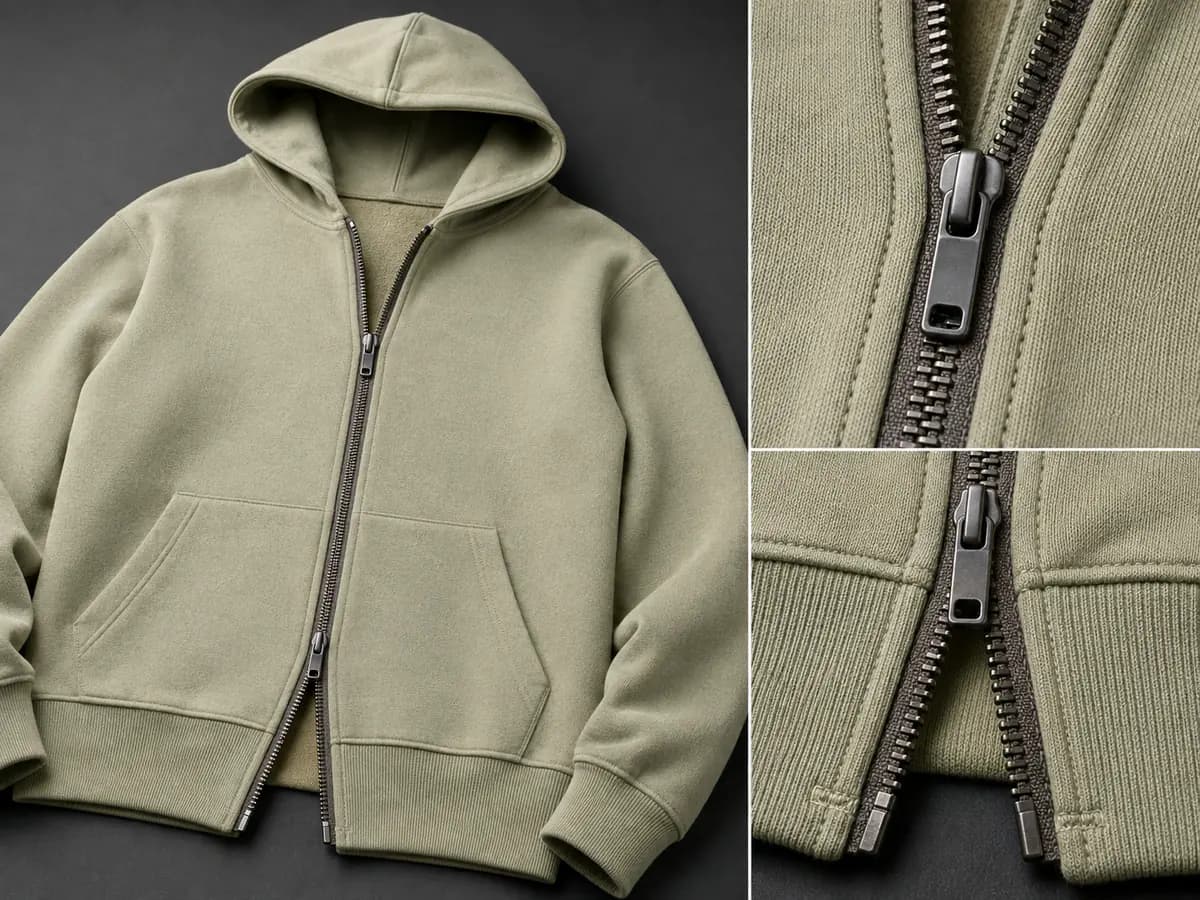
Closures
What changes visually: Front-body split, hardware finish and how the closure defines the garment opening.
What changes functionally: Zipper stability, left-right body balance, zipper tape drape and closure durability through washing.
What to confirm: Zip type (full, two-way, quarter), zipper tape colour and material, puller design, front reinforcement and wash compatibility.
- Full zip
- Project-specific two-way zip (discussed per project)
- Quarter zip when required
- Zipper tape material and colour
- Zipper puller design and finish
- Front reinforcement and zipper-wash compatibility
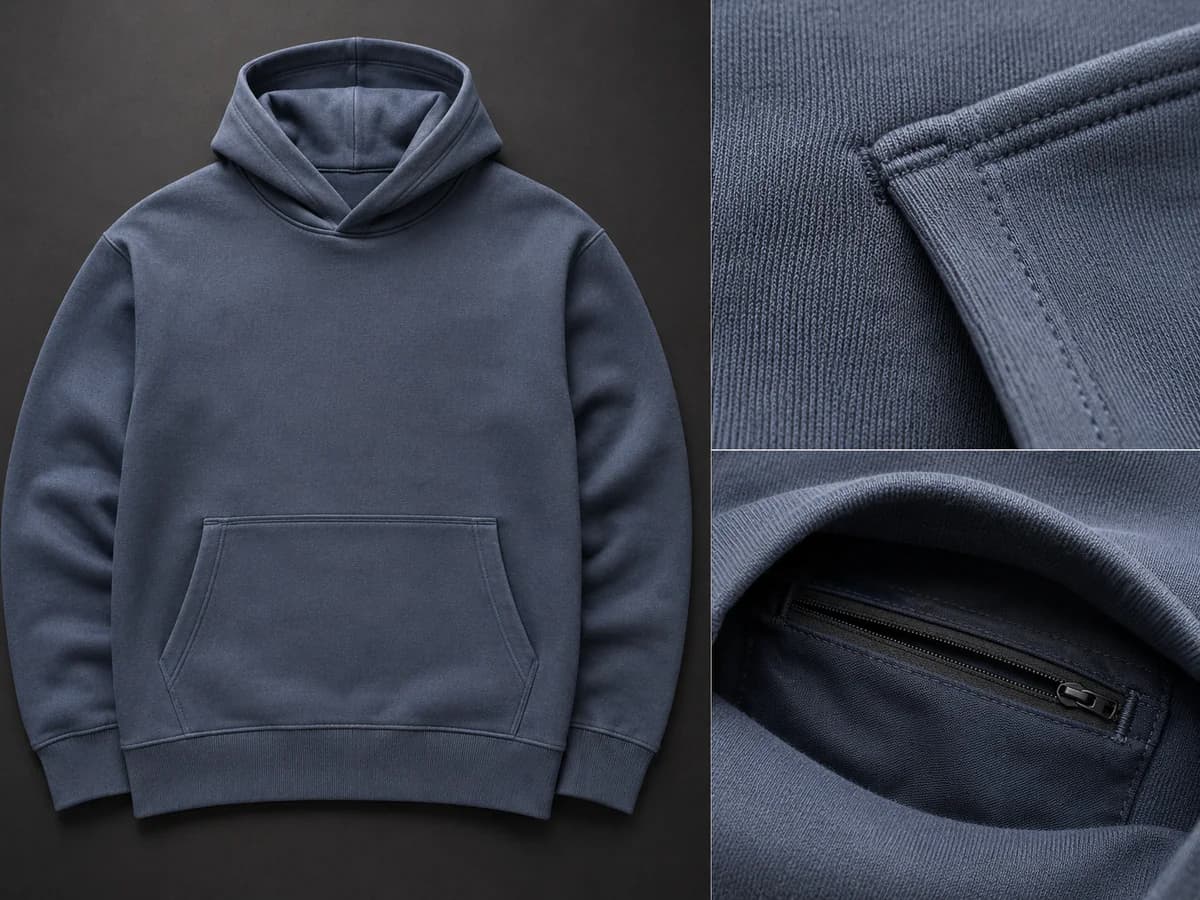
Pockets
What changes visually: Pocket type, position and how the pocket integrates with the front body.
What changes functionally: Pocket opening size, reinforcement, internal finish and how the pocket performs under weight and washing.
What to confirm: Pocket type, position, scale, opening reinforcement, internal finish and how pocket construction interacts with the front body, zipper and decoration.
- Kangaroo pocket
- Split kangaroo pocket for zip hoodies
- Side-entry pocket
- Side-seam pocket
- Zipped security pocket
- No-pocket direction
- Pocket position and scale relative to body size
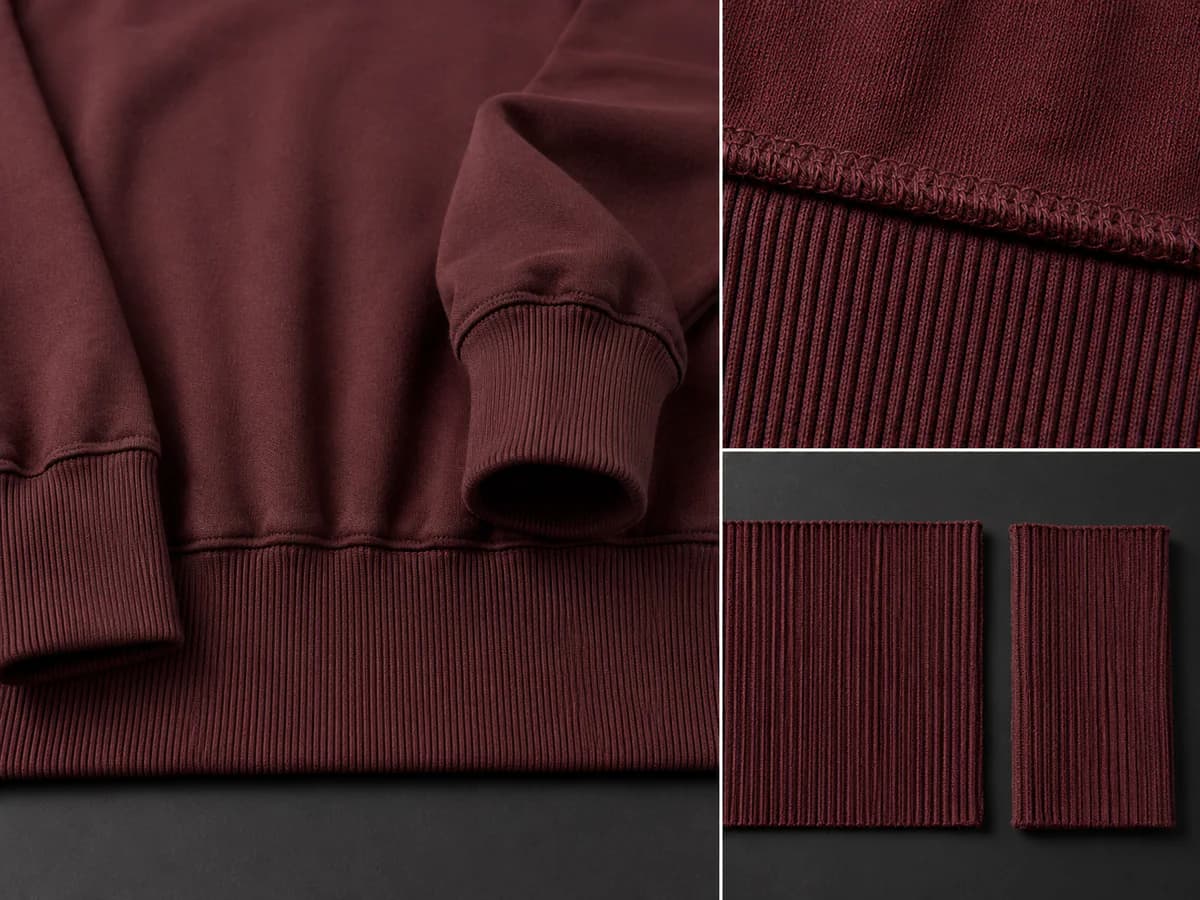
Rib & Hem
What changes visually: Rib height, colour relationship and how rib defines the garment openings.
What changes functionally: Rib recovery, tension, shrinkage compatibility and how rib performs after repeated wear and washing.
What to confirm: Cuff and waistband rib height, composition, tension, recovery, colour match or contrast, and shrinkage compatibility with the main fabric.
- Cuff rib height and tension
- Waistband rib height and tension
- Rib recovery after wear and washing
- Matching or contrast rib direction
- Open hem where appropriate
- Main fabric and rib shrinkage coordination
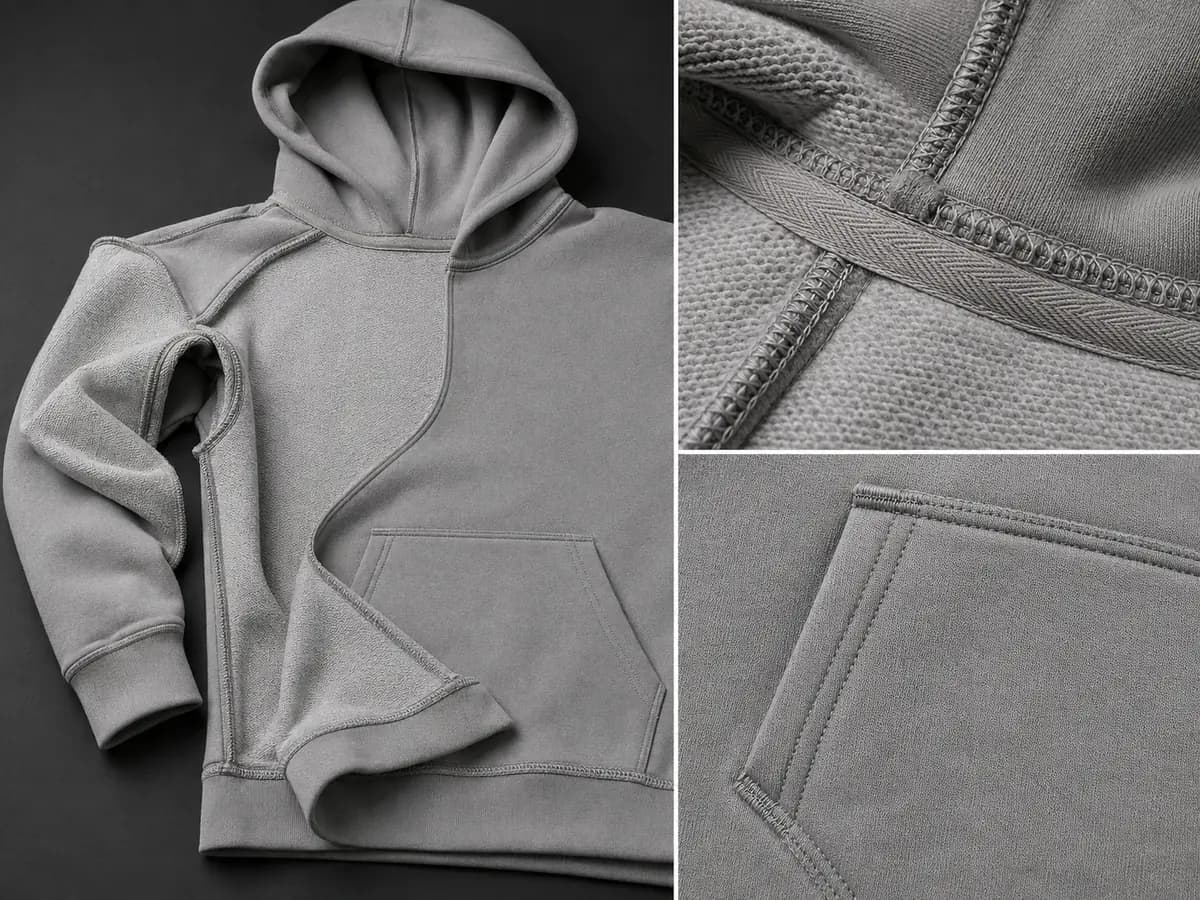
Seams & Reinforcement
What changes visually: Seam appearance, topstitching and how seams define the garment structure.
What changes functionally: Seam strength, stress-point reinforcement and how construction holds the garment together through wear and washing.
What to confirm: Shoulder seam type, armhole construction, hood-to-neck connection, pocket reinforcement, cuff and waistband attachment, internal finishing and topstitching appearance.
- Shoulder seam construction
- Armhole and sleeve attachment
- Hood-to-neck connection and reinforcement
- Pocket opening reinforcement
- Cuff and waistband attachment
- Internal seam finishing
- Topstitching type and appearance
Zippers, hardware, rib and pocket specifications are sourced and coordinated according to project requirements. Not all hardware is produced inside KAOUYOU-owned factories. Construction specifications are confirmed during development and documented before bulk production.
COLOUR, DYE & WASH EFFECTS
Build colour and surface character through controlled development.
Fabric colour, dye method and wash treatment each shape the final hoodie differently. The same colour reference on two fabrics can produce different results — and rib, zipper tape, hardware and artwork may each react differently.
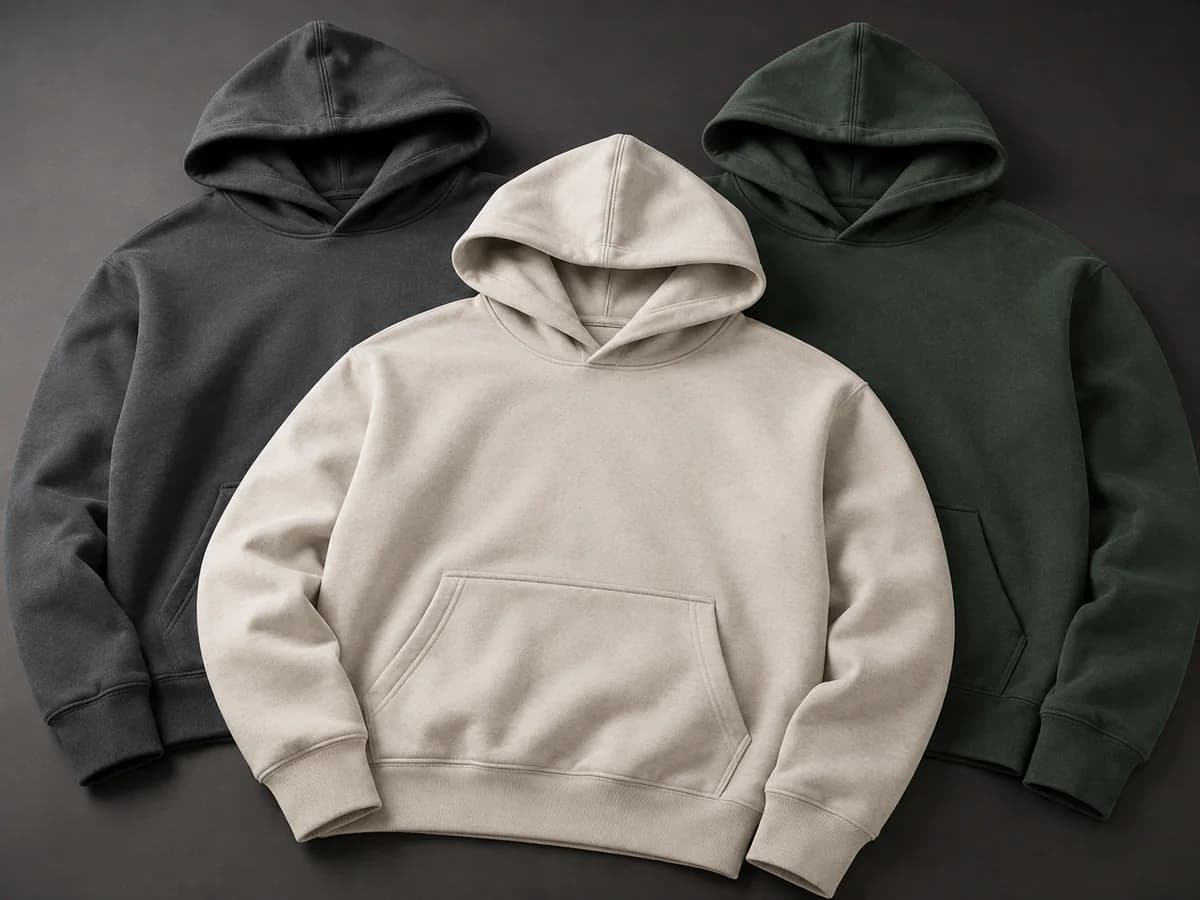
Standard Fabric Colour
Visual Result: Dyed fleece or terry sourced to the brand's target shade, confirmed through lab-dip or stock reference.
Hand-Feel Change: Minimal post-dye change; fabric supplied in target colour.
Suitable Fabric Direction: All fleece and terry qualities; colour confirmed through sample.
Suitable Hoodie Style: All hoodie and sweatshirt styles.
Construction Considerations: Standard construction; no special wash considerations.
Sample Approval Requirements: Lab-dip, bulk shade tolerance and batch-to-batch consistency.
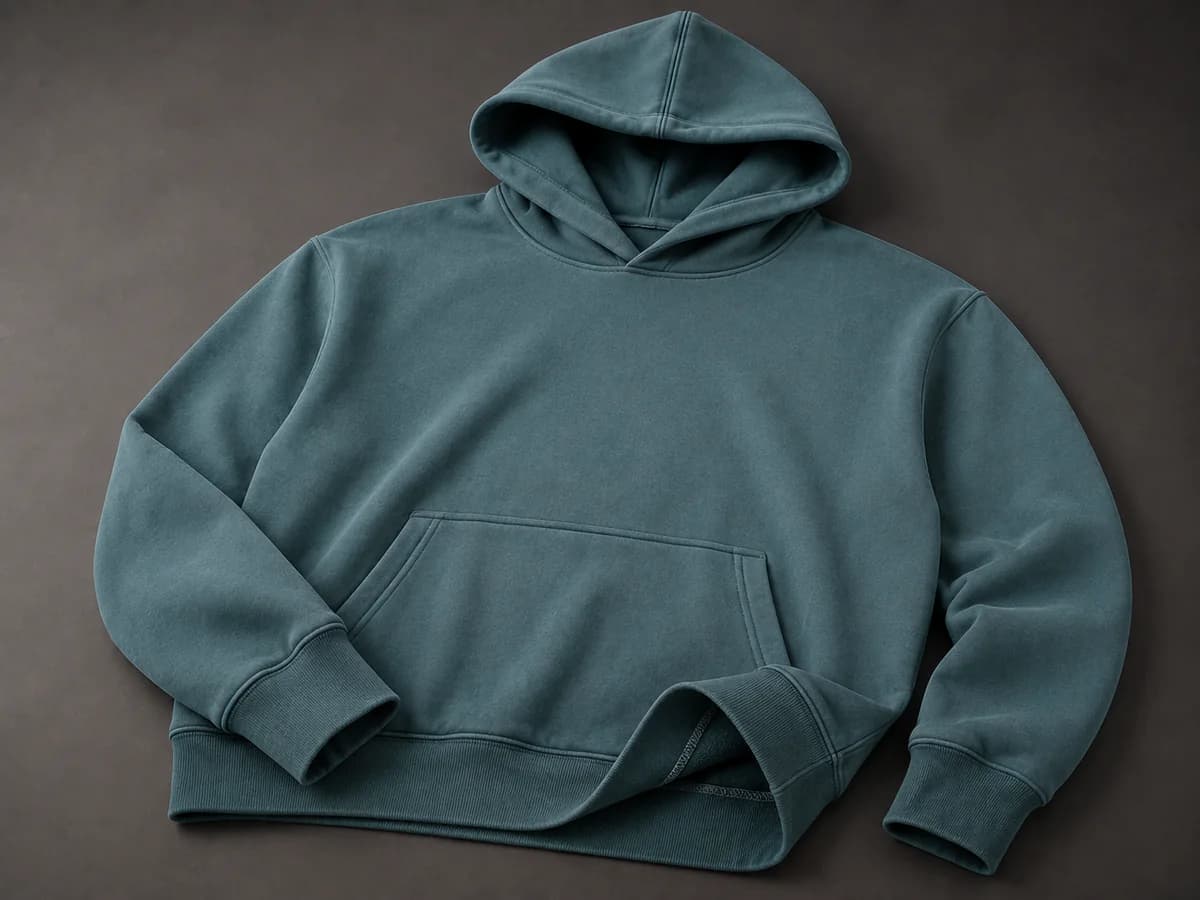
Garment-Dyed Direction
Visual Result: Colour applied after construction for greater depth, softer hand feel and washed-in character.
Hand-Feel Change: Softer hand feel; seams and stitching take dye differently from the body fabric.
Suitable Fabric Direction: Cotton and cotton-rich fleece and terry; not all synthetics.
Suitable Hoodie Style: Vintage, washed and relaxed hoodies and sweatshirts.
Construction Considerations: Rib, thread and construction must be compatible with the dye process.
Sample Approval Requirements: Full garment-dyed sample; confirm seam, stitch, rib and hardware appearance.
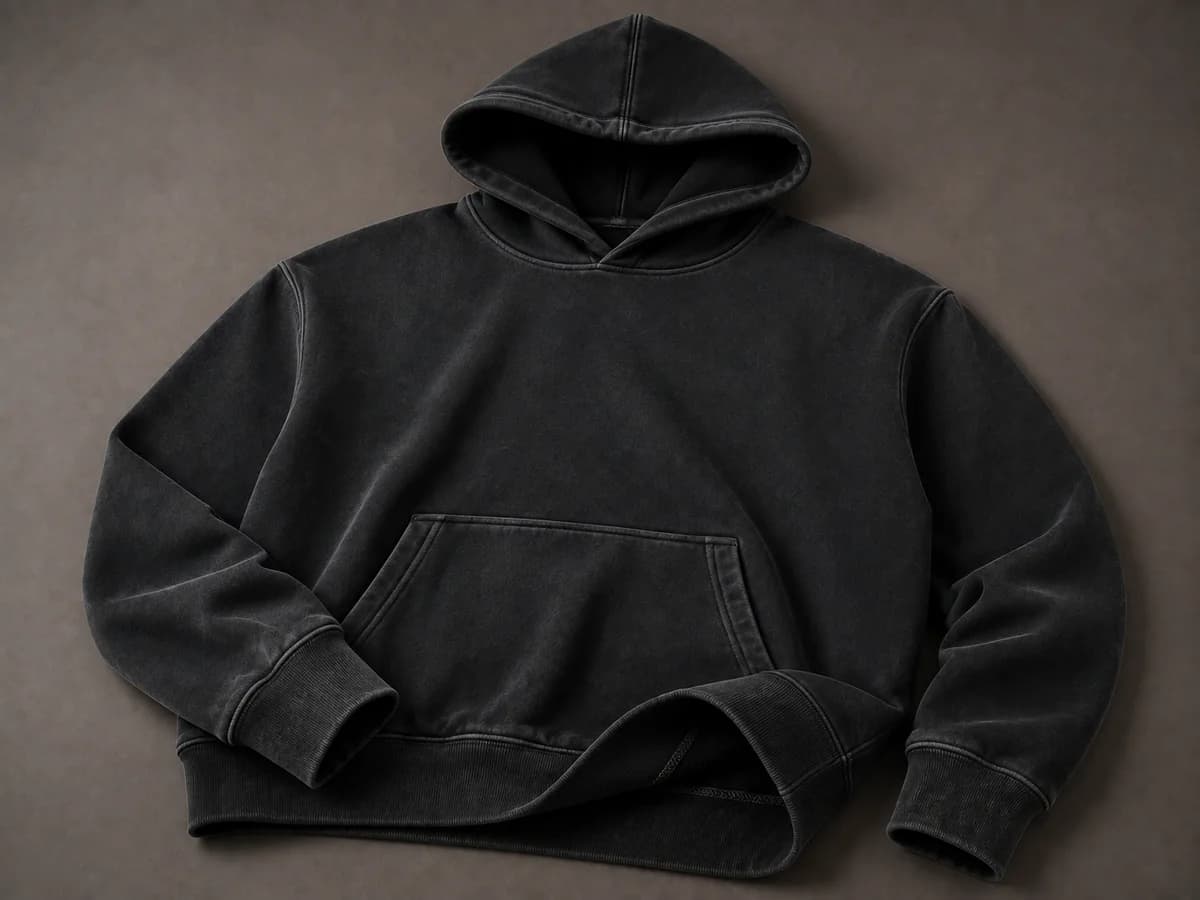
Pigment-Dyed Direction
Visual Result: Surface-level colour with a matte, faded character that continues to evolve with wear.
Hand-Feel Change: Matte surface, slightly drier hand feel; colour may fade further with washing.
Suitable Fabric Direction: Cotton and cotton-blend fleece and terry.
Suitable Hoodie Style: Vintage, washed and directional streetwear collections.
Construction Considerations: Pigment sits on the surface — rib, stitching and hardware may take colour differently.
Sample Approval Requirements: Pigment-dyed sample; confirm fade direction, care guidance and acceptable variation.
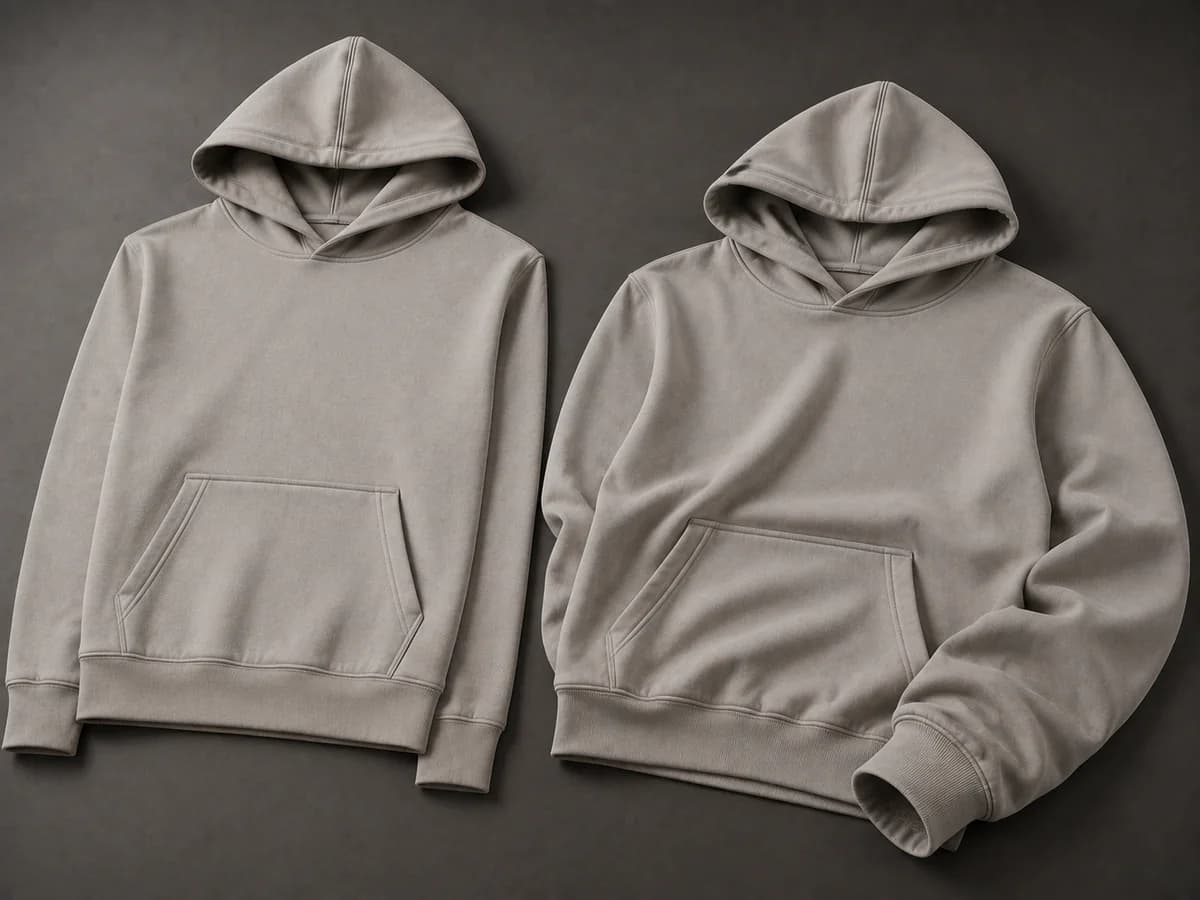
Enzyme / Softening Wash
Visual Result: Softer hand feel, reduced surface hair and a cleaner fabric appearance.
Hand-Feel Change: Noticeably softer, more worn-in hand feel with reduced stiffness.
Suitable Fabric Direction: Cotton and cotton-rich fleece and terry with surface fibre that responds to enzyme treatment.
Suitable Hoodie Style: Premium everyday hoodies and sweatshirts prioritising comfort and softness.
Construction Considerations: Enzyme wash may affect surface appearance, seam definition and dimensions.
Sample Approval Requirements: Wash sample; confirm hand feel, surface appearance, measurements and seam integrity.
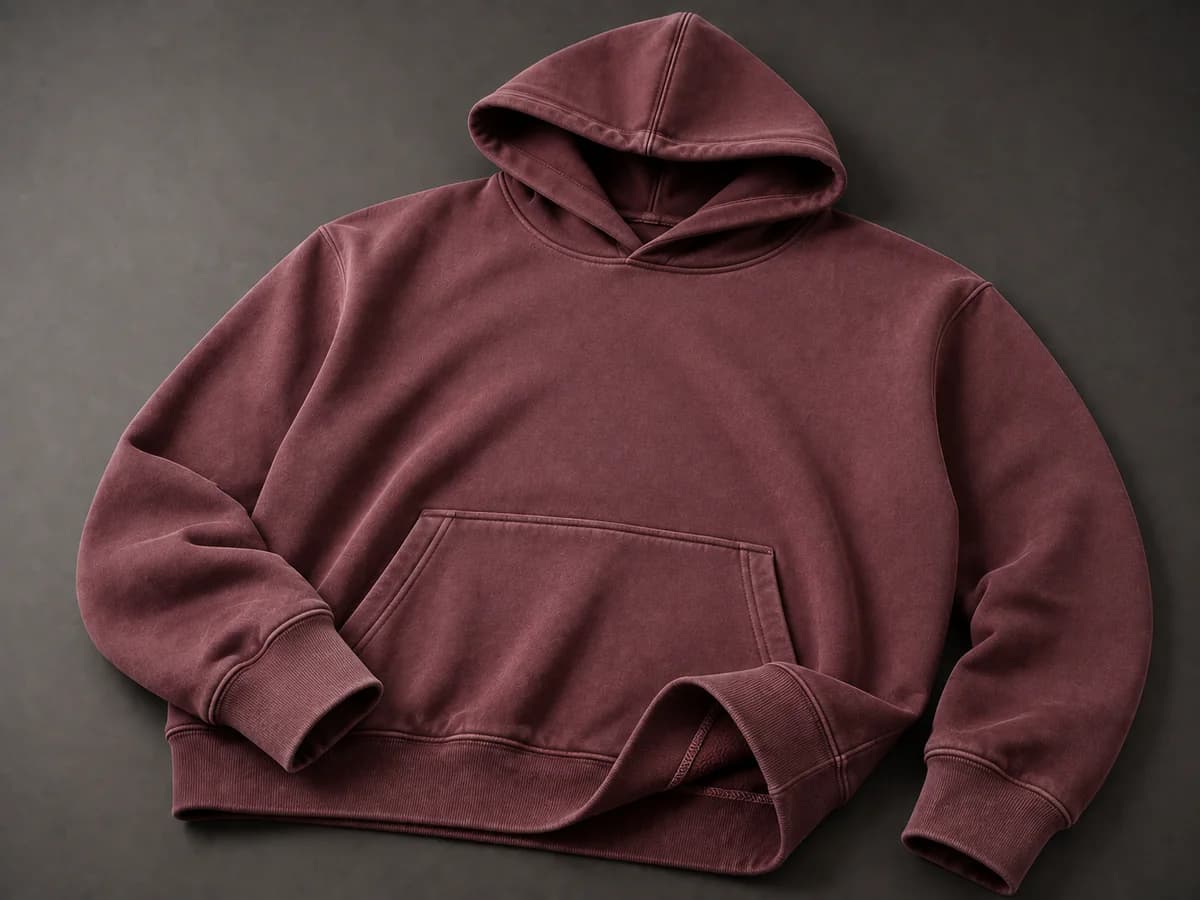
Vintage / Faded Wash
Visual Result: Controlled fade, soft hand and worn-in appearance developed through wash processes.
Hand-Feel Change: Softer, more relaxed hand feel with visible colour character.
Suitable Fabric Direction: Reactive cotton and cotton-blend fleece and terry; open-end and textured surfaces respond well.
Suitable Hoodie Style: Vintage hoodies, washed sweatshirts and lived-in streetwear collections.
Construction Considerations: Wash affects colour, dimensions, rib, hardware and applied graphics.
Sample Approval Requirements: Wash sample; confirm colour, hand feel, measurements, rib appearance and hardware reaction.
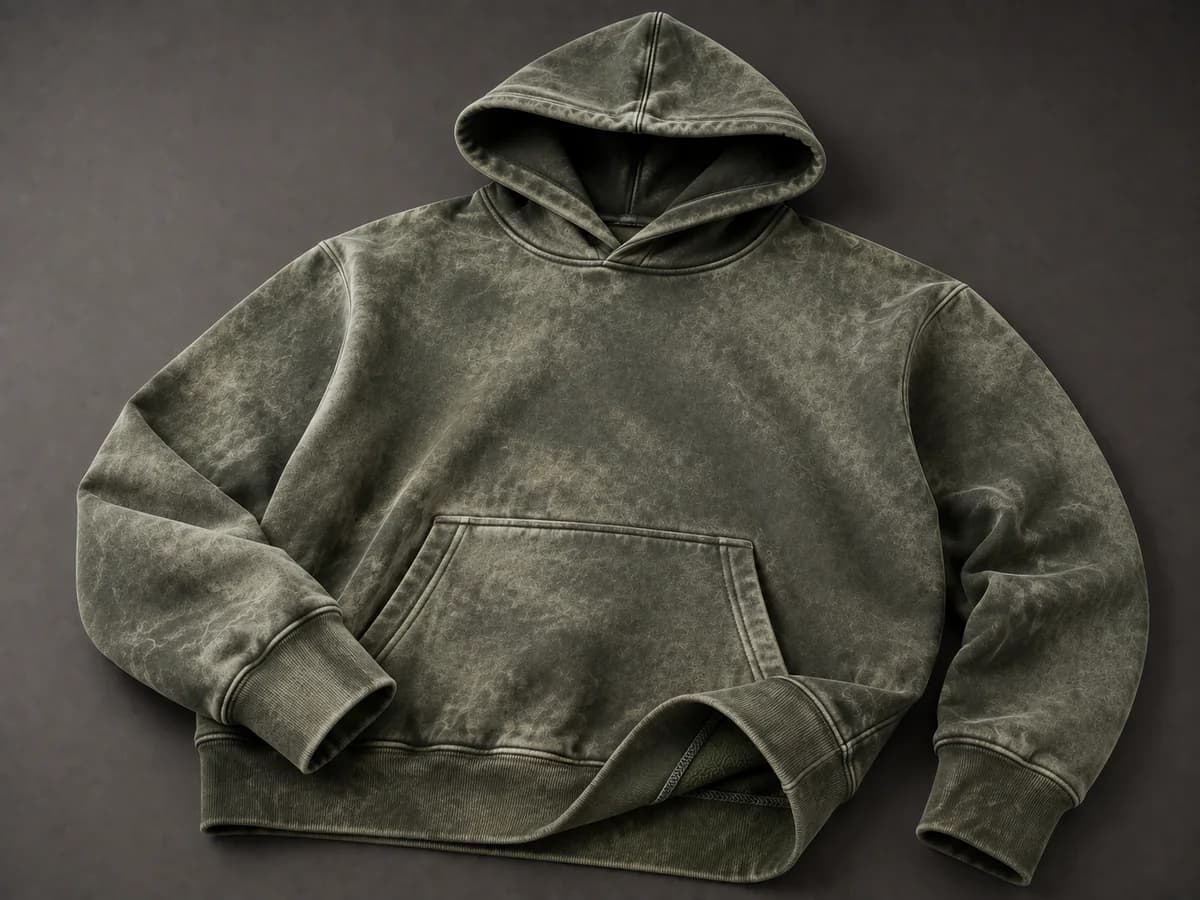
Acid / Mineral / Specialist Wash Direction
Visual Result: Directional surface effects with intentional variation and unique visual character.
Hand-Feel Change: Varied hand feel depending on process; often softer with visible surface character.
Suitable Fabric Direction: Confirmed per fabric composition, colour and target result. Not all fabrics suit specialist processes.
Suitable Hoodie Style: Directional streetwear and statement collections requiring unique surface effects.
Construction Considerations: Specialist wash processes may significantly affect dimensions, rib, zipper tape, hardware and artwork.
Sample Approval Requirements: Feasibility, minimums, lead time and cost confirmed per project. Effect range sample set required for approval.
Wash result depends on fabric composition and colour. Rib, zipper tape, hardware and artwork may react differently — each component must be evaluated together.
Final appearance must be approved through sampling. Vintage or uneven effects require an agreed tolerance — not every garment will be visually identical.
Specialist wash processes may be coordinated with professional partners under KAOUYOU production follow-up. Feasibility, minimums, lead time and cost are confirmed per project.
DECORATION TECHNIQUE LIBRARY
Choose the technique that supports the artwork and the fabric.
The right decoration method depends on the artwork, fabric weight and surface, quantity, wash treatment and how the graphic should feel and age. Some techniques require specialist coordination.
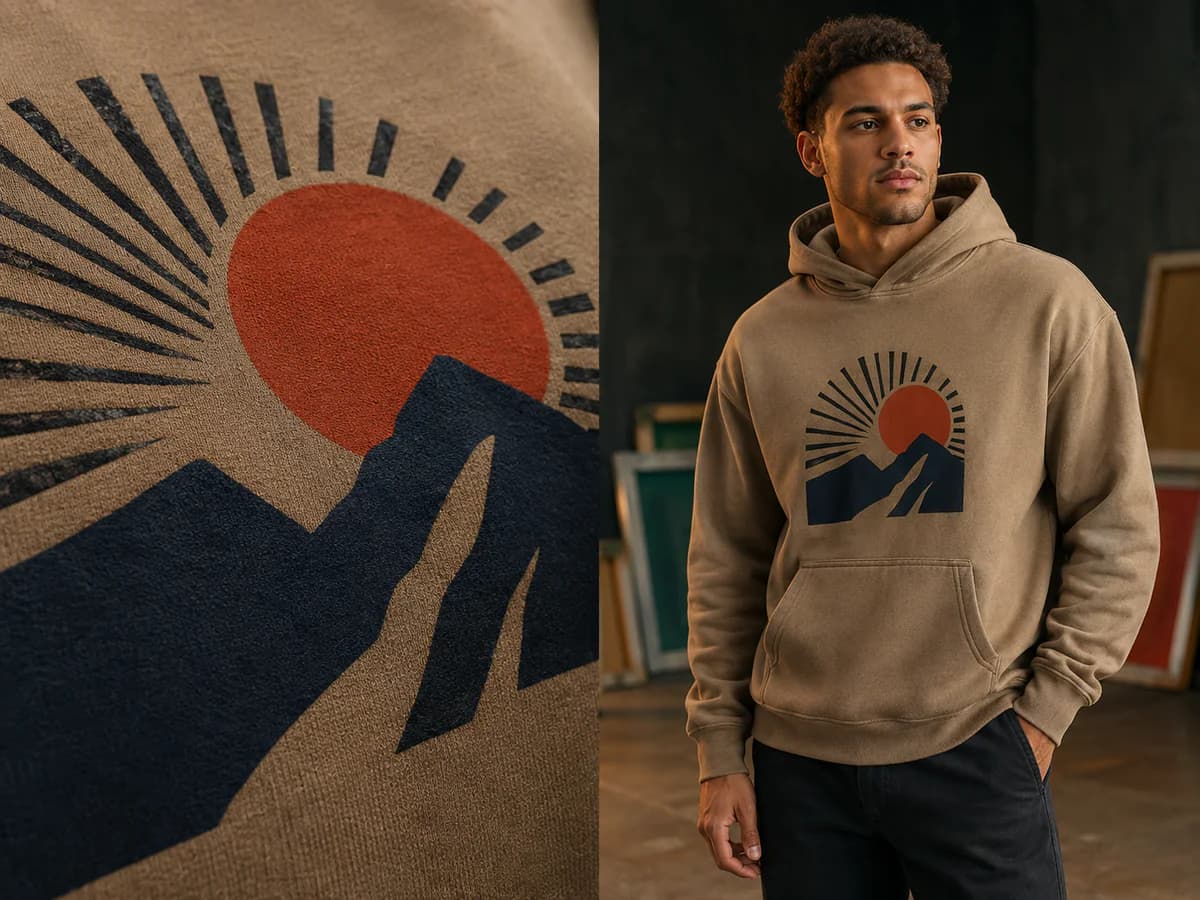
Screen Printing
Visual Result: Bold, opaque, high-coverage with defined colour separations.
Best Placement: Centre chest, full back, sleeve, hood and pocket area.
Best For: Large-scale graphics and stable-quantity production runs on hoodie bodies.
Fabric Compatibility: Cotton, cotton-blend and most stable fleece and terry surfaces.
Weight / Structure Considerations: Works across midweight and heavyweight; heavier fabrics support larger prints.
Confirm Before Sampling: Artwork size, colour count, placement, fabric colour and surface, hand feel after wash, and bulk consistency.
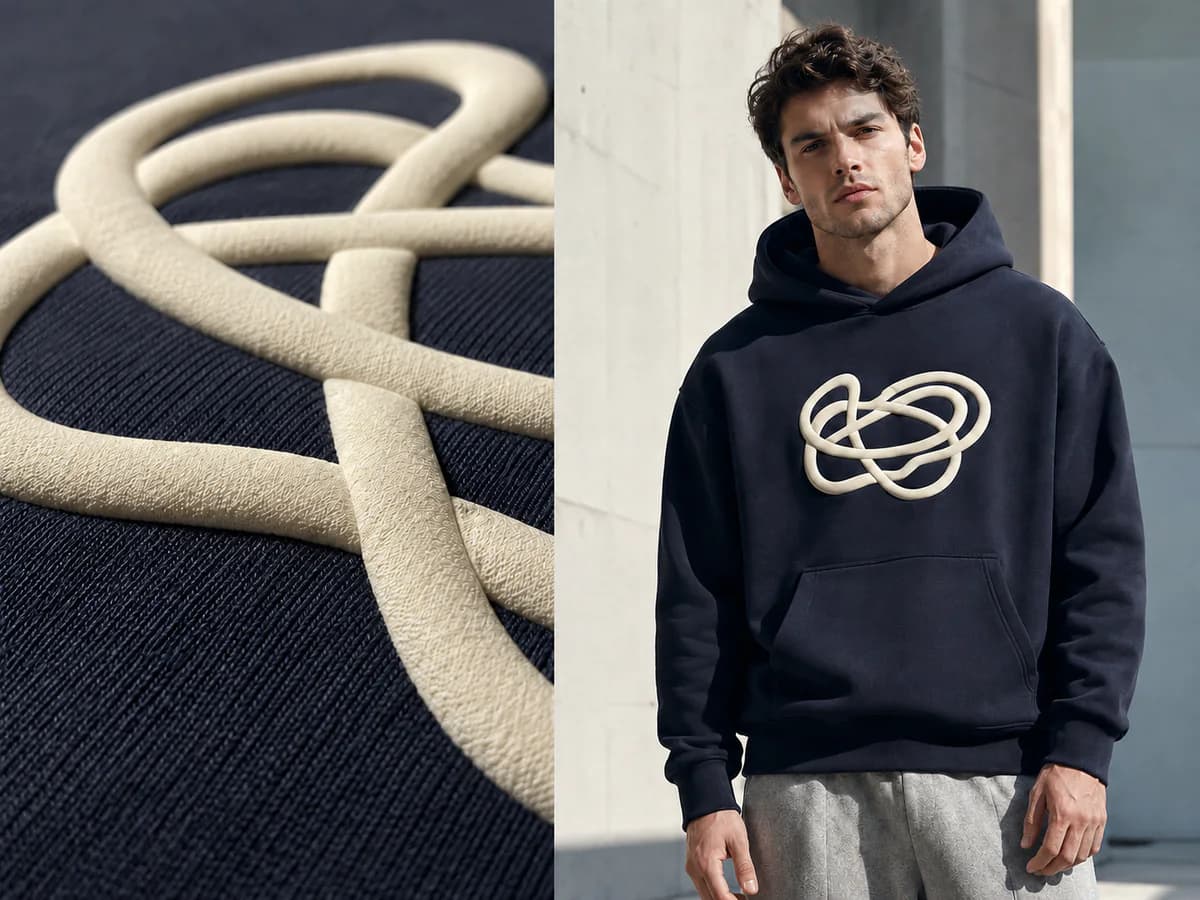
Puff / Raised Printing
Visual Result: Thick, tactile, high-visibility streetwear effect with physical height and dimension.
Best Placement: Centre chest, full back and sleeve placements where dimension is desired.
Best For: Graphics that need physical height and touch appeal on heavyweight hoodie backs and chest placements.
Fabric Compatibility: Stable cotton and cotton-blend fleece; heavyweight surfaces support larger puff areas.
Weight / Structure Considerations: Best on midweight to heavyweight fabrics that can support the raised ink body.
Confirm Before Sampling: Height consistency, wash durability, fabric surface compatibility, colour registration and hand feel after washing.
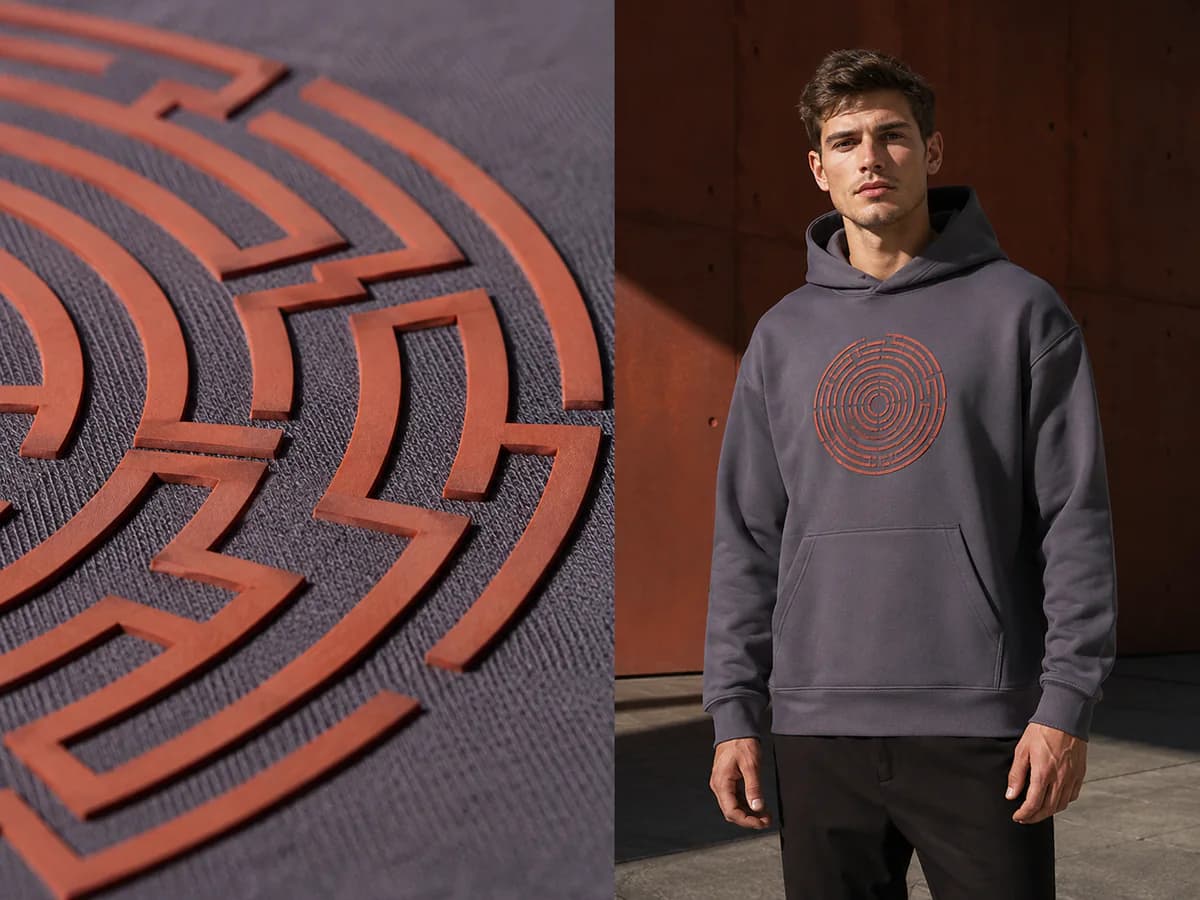
High-Density / Silicone Printing
Visual Result: Thick, rubberised, highly dimensional surface with sharp edge definition.
Best Placement: Chest marks, back logos and brand elements requiring premium tactile presence.
Best For: Premium brand marks and high-impact graphic elements on heavyweight hoodie bodies.
Fabric Compatibility: Heavyweight and stable fleece surfaces with smooth face.
Weight / Structure Considerations: Heavyweight fabrics recommended; midweight may distort under thick ink.
Confirm Before Sampling: Thickness, edge definition, colour, adhesion, wash durability and fabric compatibility.
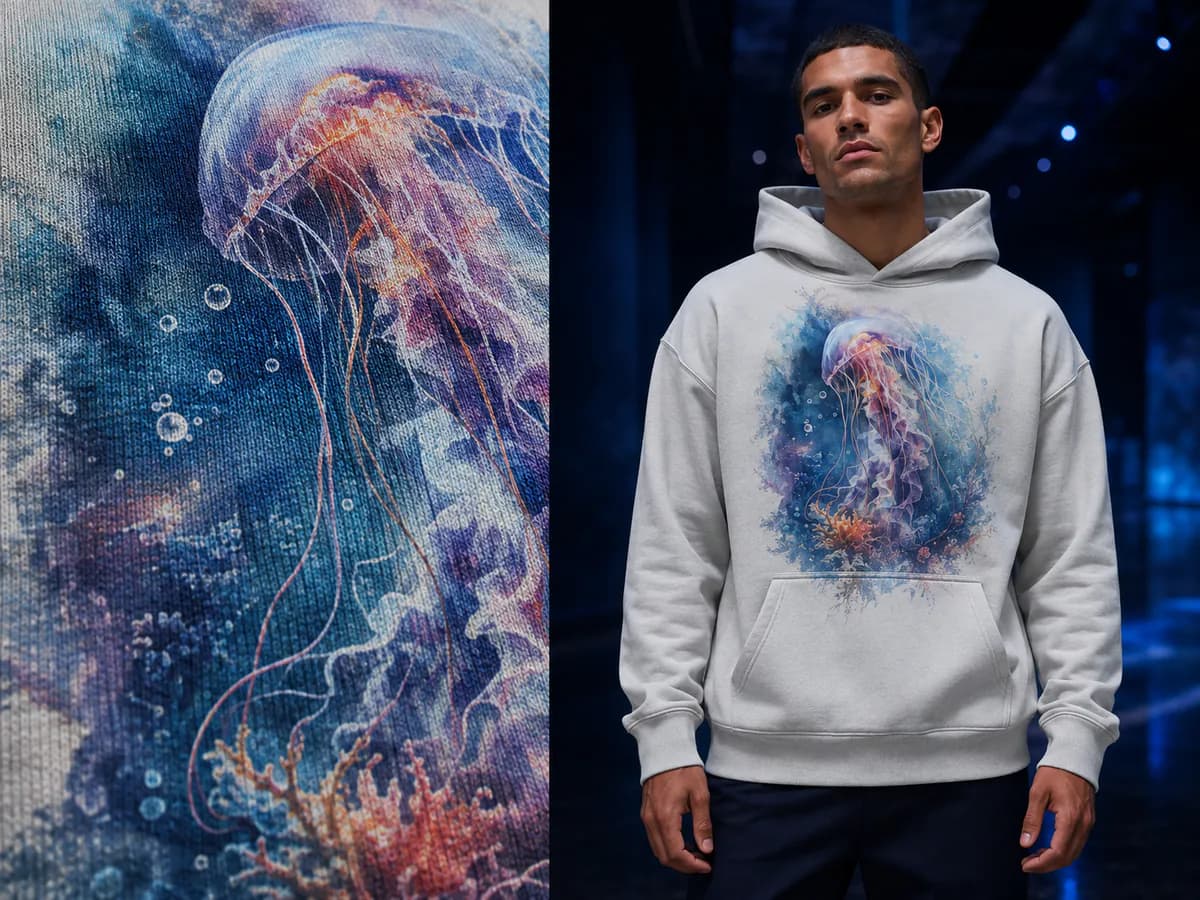
DTG Printing
Visual Result: Photographic, gradient-capable with soft hand feel and no heavy ink layer.
Best Placement: Centre chest, full back and areas where detailed artwork is required.
Best For: Complex artwork, gradients, photographic images and development-stage sampling on lighter base fabrics.
Fabric Compatibility: Cotton and high-cotton fleece and terry; pretreatment required.
Weight / Structure Considerations: Works across weights; confirm pretreatment compatibility with fleece surface.
Confirm Before Sampling: Fabric composition, pretreatment, colour accuracy on different base shades and wash durability on fleece surfaces.
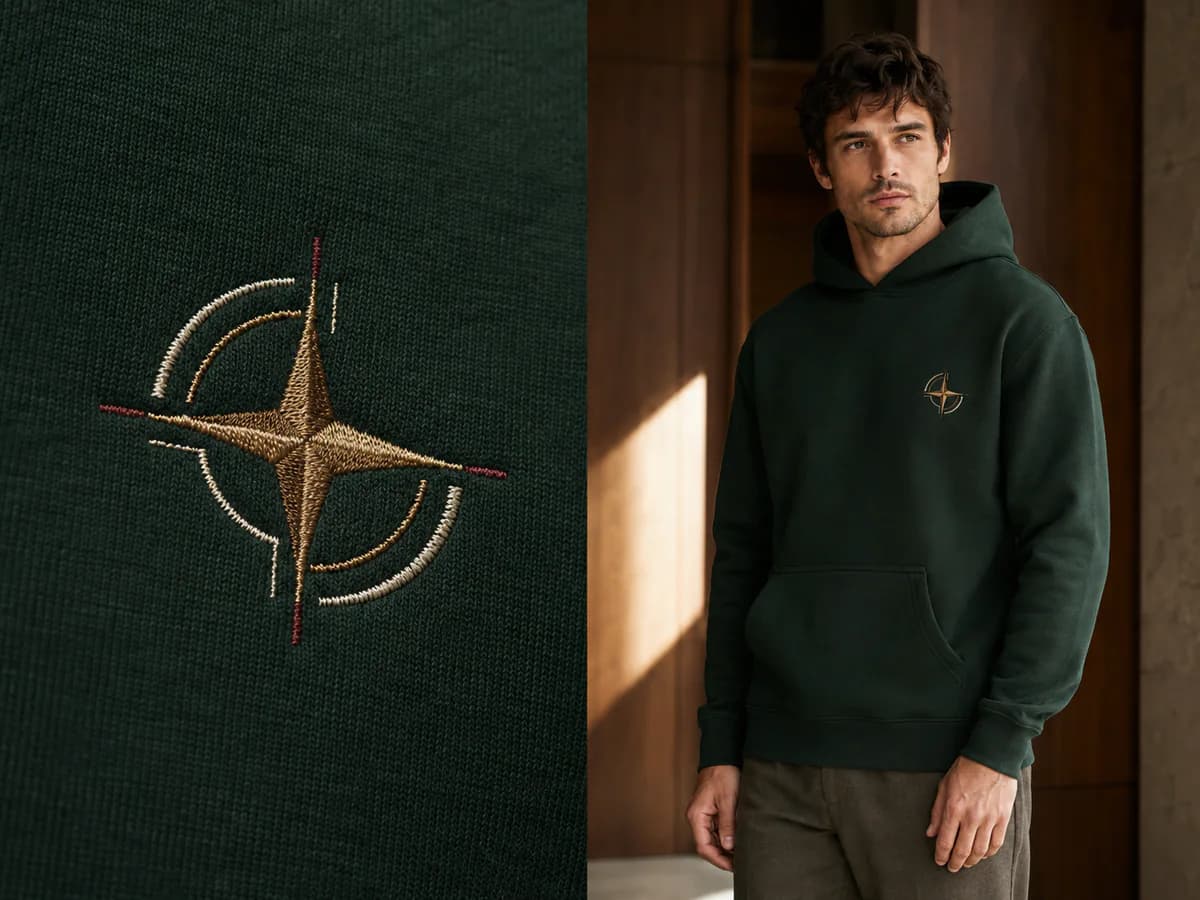
Flat Embroidery
Visual Result: Dimensional, tactile, long-lasting brand presence with clean stitch definition.
Best Placement: Left chest, sleeve, hood and back placements.
Best For: Logos, marks and identifiers needing depth and perceived quality on heavyweight fleece.
Fabric Compatibility: Stable fleece and terry; heavier fabrics support denser embroidery.
Weight / Structure Considerations: Midweight to heavyweight fabrics recommended; very lightweight may pucker.
Confirm Before Sampling: Stitch count, size, backing, placement on thick fabrics, and wash appearance.
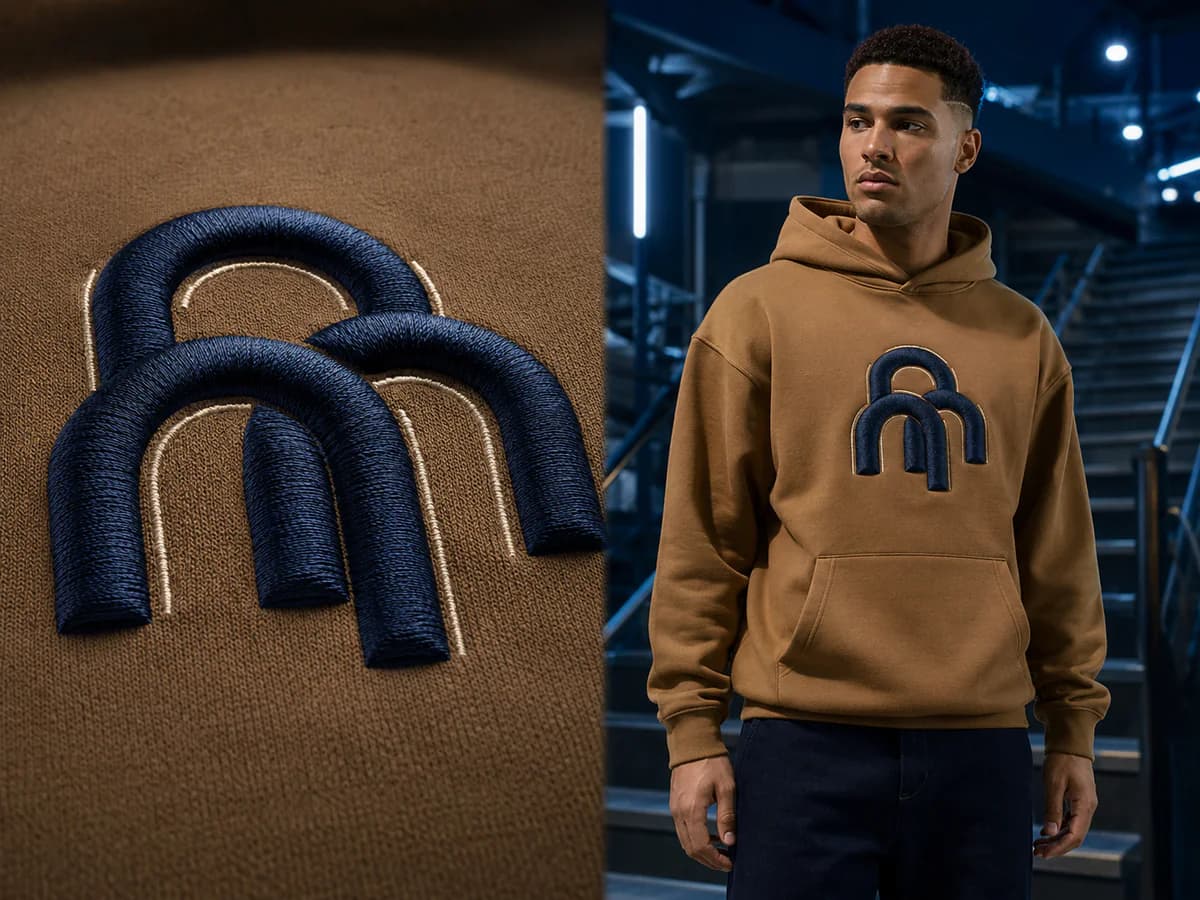
Puff / 3D Embroidery
Visual Result: Raised, dimensional embroidery with pronounced height and tactile presence.
Best Placement: Left chest, centre chest and sleeve where raised dimension is a design feature.
Best For: Brand marks requiring three-dimensional presence and premium tactile quality.
Fabric Compatibility: Stable midweight to heavyweight fleece that supports raised stitch structure.
Weight / Structure Considerations: Heavier fabrics recommended for stability under raised embroidery.
Confirm Before Sampling: Puff height, stitch density, backing, placement, wash durability and fabric compatibility.
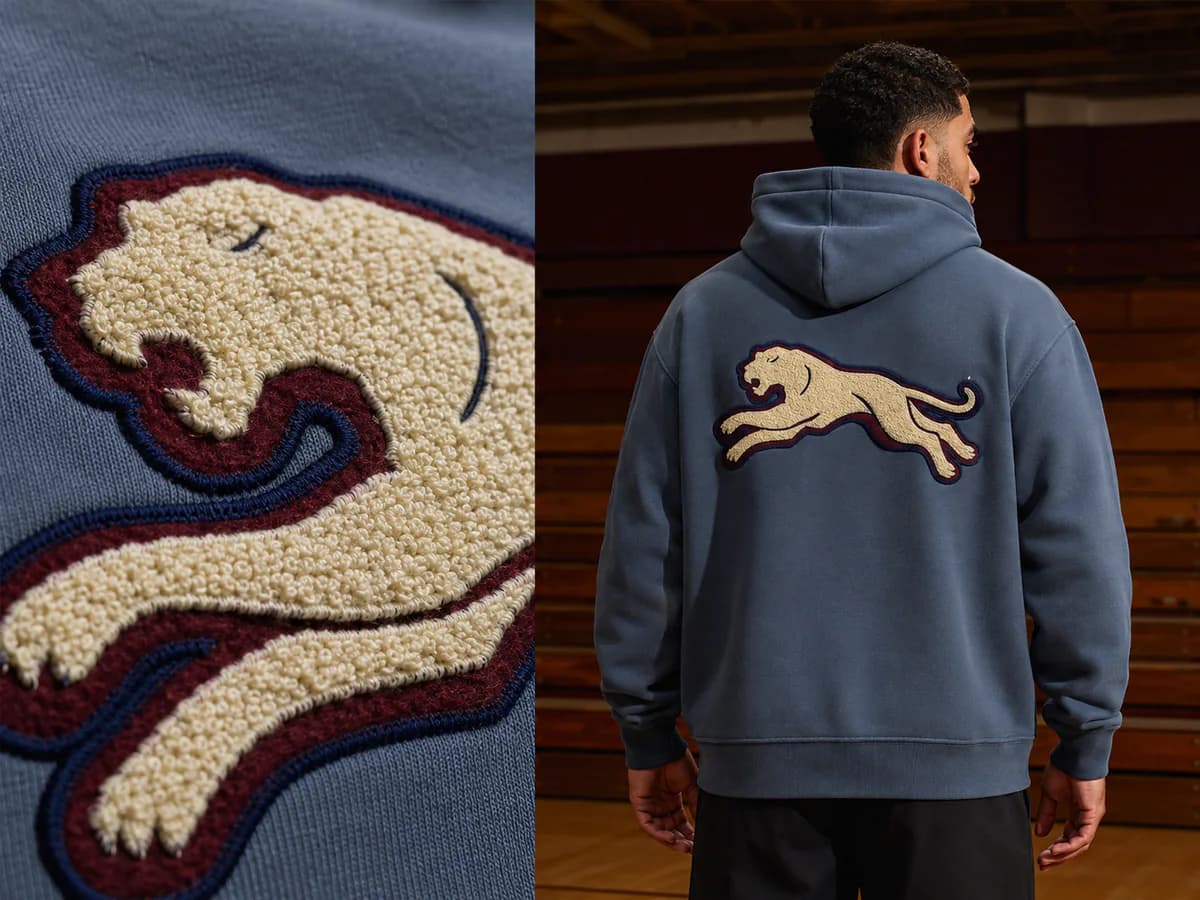
Appliqué / Chenille
Visual Result: Layered fabric pieces or chenille texture stitched to the garment for tactile dimension.
Best Placement: Centre chest, full back, sleeve and hood placements.
Best For: Letters, badges, layered identity marks and decorative elements with pronounced streetwear presence.
Fabric Compatibility: Stable base fabrics; appliqué and chenille material confirmed per project.
Weight / Structure Considerations: Heavier base fabrics recommended to support attached pieces.
Confirm Before Sampling: Appliqué or chenille material, stitch density, placement, wash performance and hand feel.
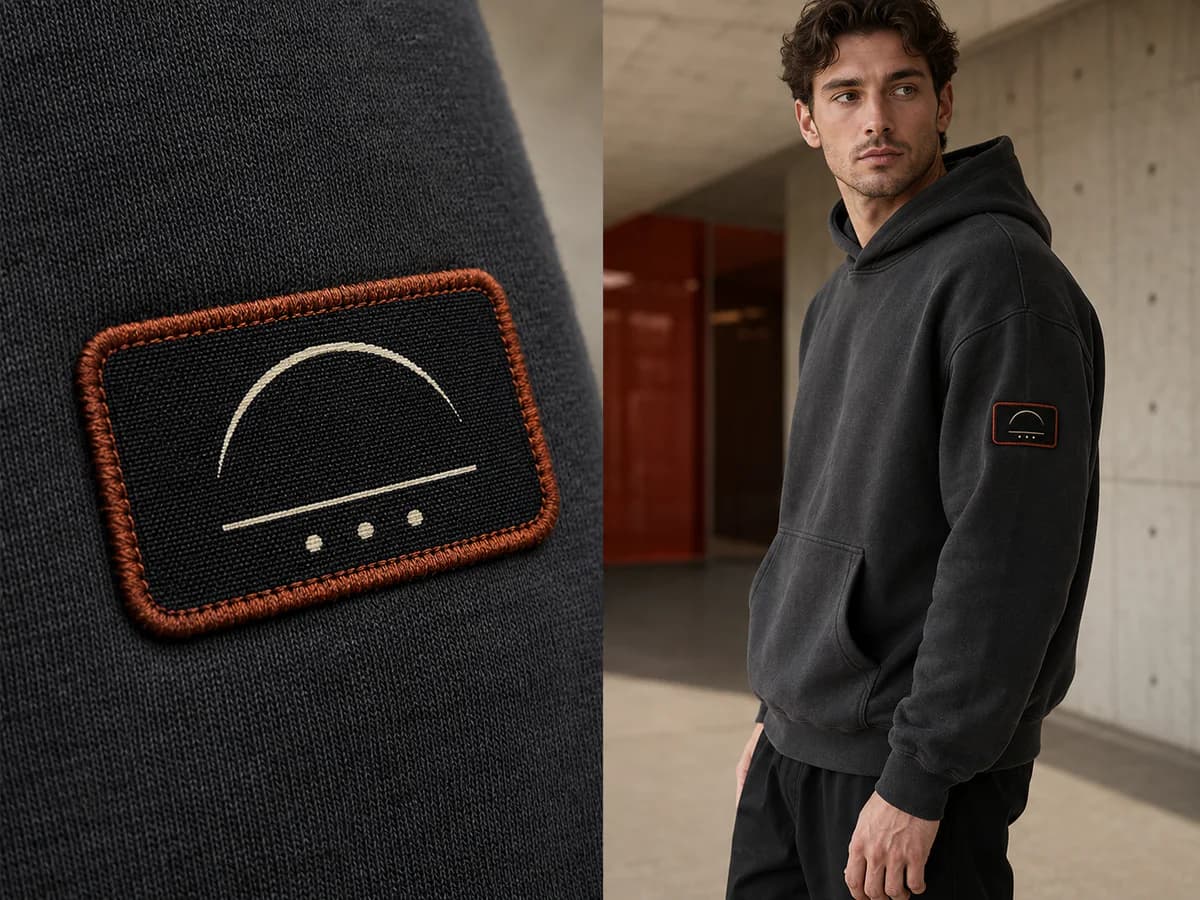
Patches & Badges
Visual Result: Attached woven, embroidered or printed patches adding dimensional brand identity.
Best Placement: Chest, sleeve, back neck and hood placements.
Best For: Brand marks, collaborative elements and collection-specific identifiers.
Fabric Compatibility: Stable base fabrics; patch material and attachment confirmed per project.
Weight / Structure Considerations: Compatible across weights; confirm attachment method durability.
Confirm Before Sampling: Patch material, size, attachment method, placement and wash durability.
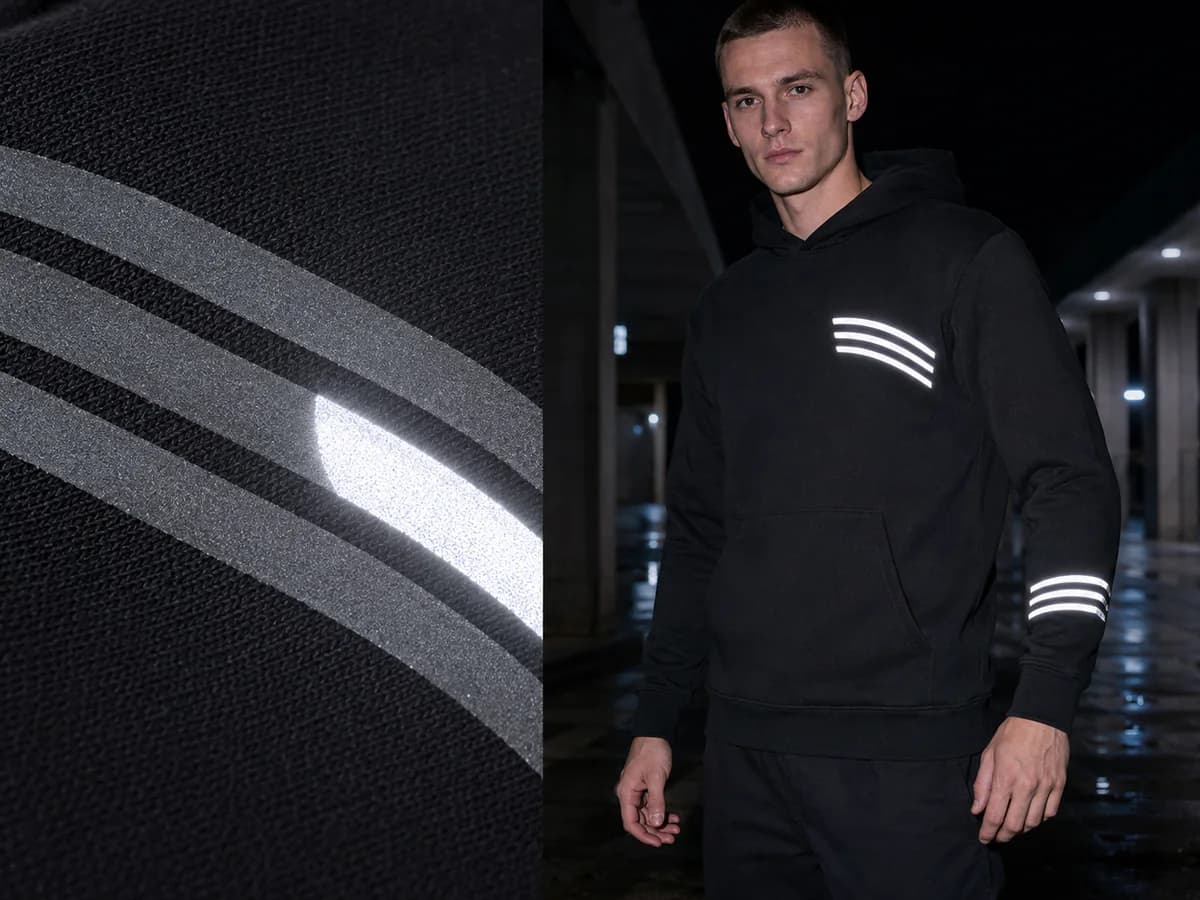
Heat Transfer / Reflective Details
Visual Result: Sharp edges, clean logos and controllable opacity; reflective options for visibility.
Best Placement: Chest, sleeve, back and hood placements; reflective for safety and streetwear accents.
Best For: Clear brand marks, reflective safety applications and applications where screen or DTG may not suit.
Fabric Compatibility: Most fabric types; confirm adhesion and stretch compatibility on fleece surfaces.
Weight / Structure Considerations: Works across weights; confirm adhesion on brushed and textured surfaces.
Confirm Before Sampling: Adhesion, stretch recovery, wash performance, hand feel and reflective durability.
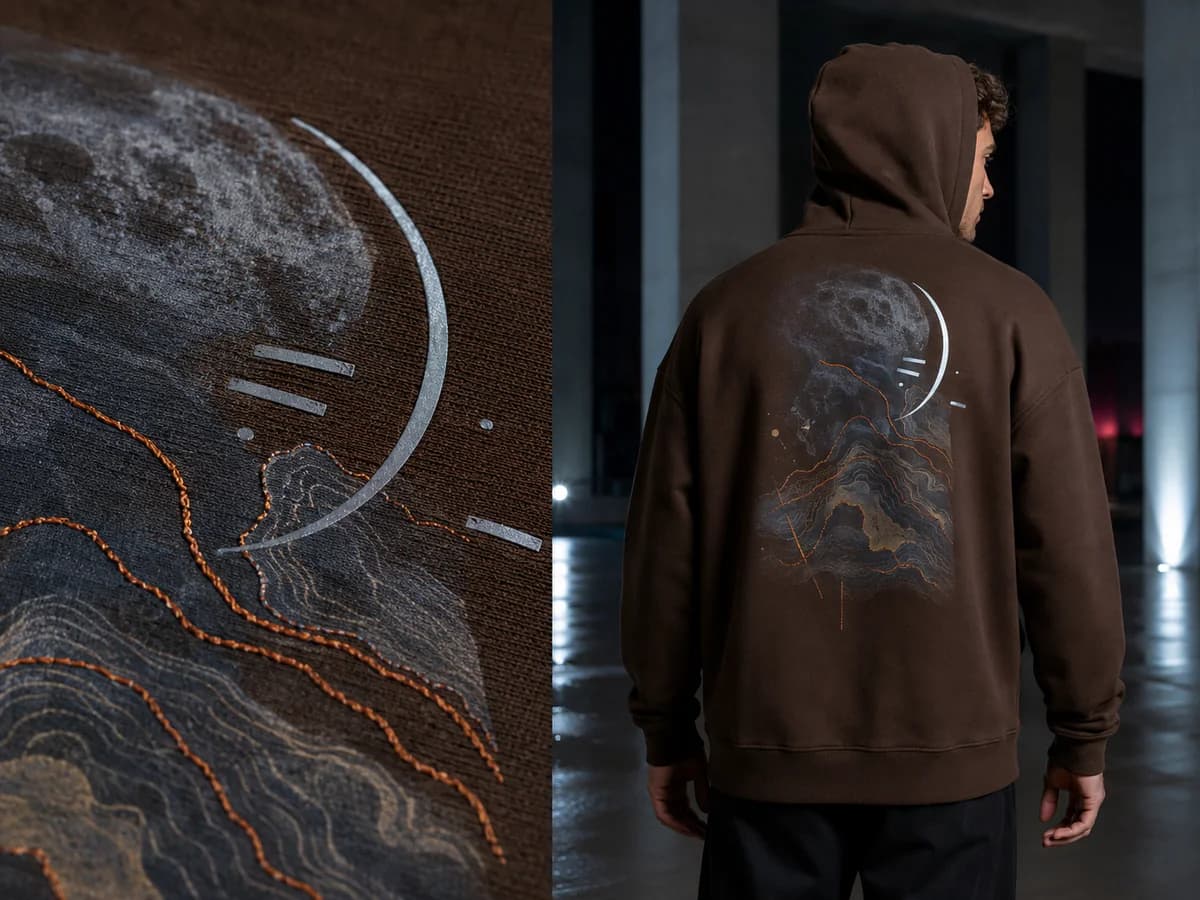
Mixed or Specialist Techniques
Visual Result: Direction-dependent, project-evaluated combinations of multiple decoration methods.
Best Placement: Evaluated per artwork, garment and target effect.
Best For: Combinations of print, embroidery, appliqué and special treatments evaluated against artwork, fabric, quantity and target effect.
Fabric Compatibility: Confirmed per combination and project requirements.
Weight / Structure Considerations: Confirmed per combination; multiple techniques may require heavier base fabrics.
Confirm Before Sampling: Sample approval is required. Feasibility, minimums, lead time and cost are confirmed per project.
PRIVATE-LABEL FINISHING
Finish the hoodie as a product ready for your brand.
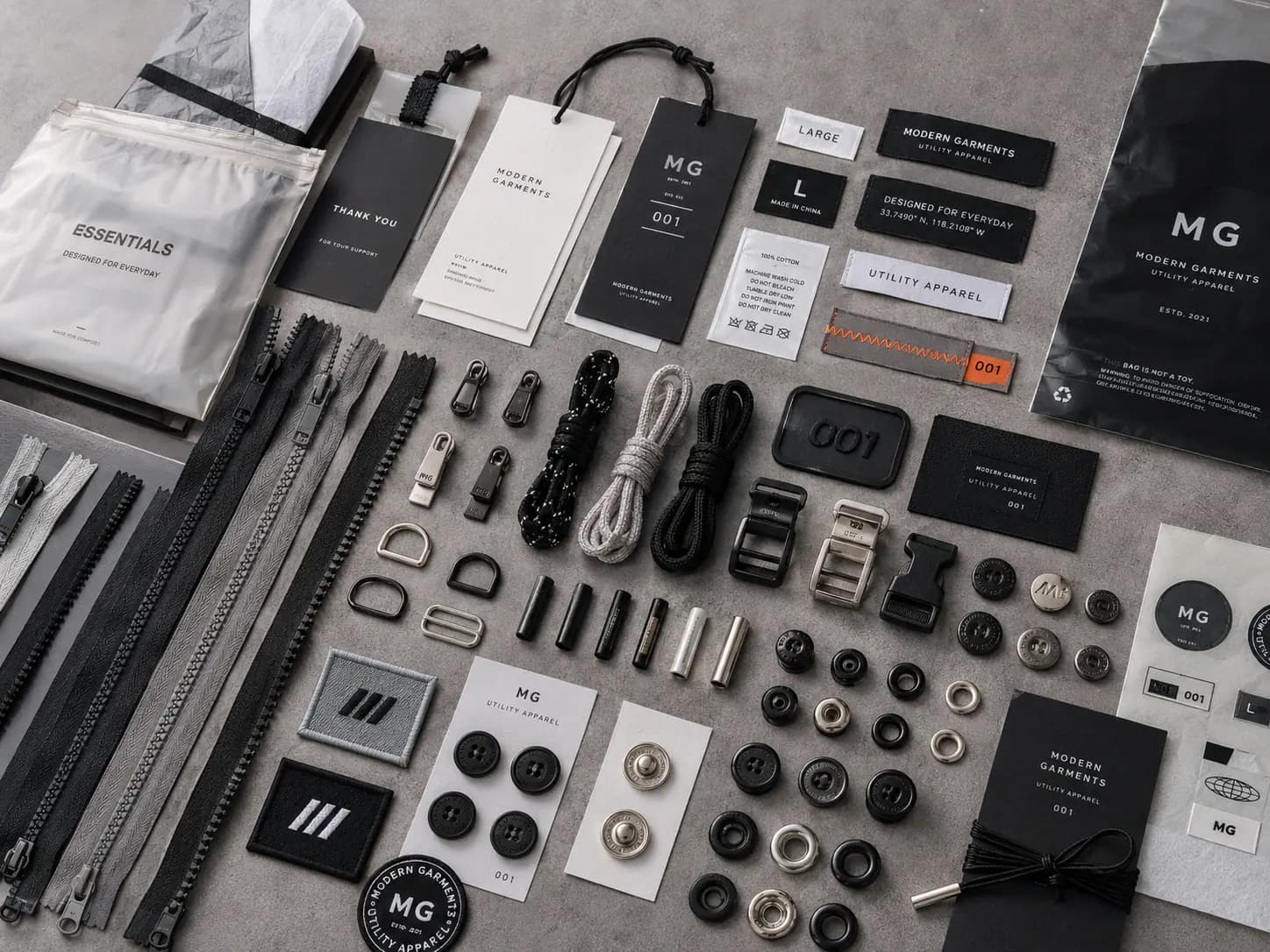
- Main label
- Size label
- Care label
- Printed neck detail where appropriate
- Hangtag
- Drawcord
- Eyelet
- Cord end
- Custom zipper puller
- Woven patch
- Branded hardware
- Polybag
- Sticker
- Folding requirements
- Carton requirements
- Project-specific packaging
Availability, tooling, MOQ, finish and delivery requirements are confirmed per project. Labels, hangtags, hardware and packaging are typically confirmed during the project and bulk-order stage, according to brand artwork files, sales-market requirements and packaging specifications.
EXPLORE FABRICS, TRIMS & PACKAGINGFROM REFERENCE TO PRODUCTION
A focused development path for custom hoodies and sweatshirts.
Review the Product Direction
Confirm reference images, physical sample, tech pack, target silhouette, quantity and launch plan. KAOUYOU reviews feasibility before development begins.
Client provides: Reference images, sample, sketch or tech pack; target quantity; brand and market context.
KAOUYOU reviews: Silhouette feasibility, fabric direction, construction complexity, decoration plan and timeline.
Expected output: Development brief with confirmed direction, open questions and next-step recommendations.
Confirm Fit, Fabric & Construction
Confirm fleece direction, weight, interior finish, hood type, zipper, pocket, rib, colour and decoration plan before sampling.
Client provides: Target measurements, fabric preference, hood and construction requirements, decoration and colour direction.
KAOUYOU reviews: Fabric availability and suitability, construction feasibility, hood and closure coordination, colour and wash compatibility.
Expected output: Confirmed development specification with fabric, measurements, construction and decoration details.
Develop the First Sample
Produce the first development sample according to the confirmed specification and construction plan.
Client provides: Approval to proceed based on confirmed specification and sample fee.
KAOUYOU reviews: Sample production coordination, fabric and trim sourcing, construction execution.
Expected output: First development sample with construction, fit and hand feel for brand review.
Review, Revise & Approve
Adjust fit, construction, hand feel, graphics and details according to brand feedback and wear-test results.
Client provides: Fit comments, construction feedback, decoration approval and revision requests.
KAOUYOU reviews: Revision feasibility, timeline impact, material and construction adjustments.
Expected output: Revised and approved sample with confirmed specifications for bulk production.
Prepare for Bulk Production
Confirm the final sample, materials, techniques, brand details and order requirements before moving into bulk.
Client provides: Final approval, order quantity, size breakdown, packaging and delivery requirements.
KAOUYOU reviews: Material availability, production scheduling, QC specification and packaging coordination.
Expected output: Production-ready specification with confirmed sample, materials, QC checklist and timeline.
QUALITY FOCUS
Control the problems that become obvious after wearing and washing.
- 01Hood shape and left-right balance
- 02Hood depth and opening measurement
- 03Neckline and hood connection integrity
- 04Zipper alignment and front-body balance
- 05Pocket position, opening and reinforcement
- 06Cuff rib recovery after wear simulation
- 07Waistband rib recovery after wear simulation
- 08Fabric shade and surface consistency across the order
- 09Graphic or embroidery placement accuracy
- 10Shrinkage and dimensional change against approved sample
- 11Garment twist and seam alignment
- 12Wash-effect consistency managed within agreed tolerance
- 13Measurement consistency across sizes within the order
- 14Final appearance and workmanship inspection
Measurements are checked according to order requirements. Bulk production references the approved sample, material direction and process specifications. Final garments receive visual and workmanship inspection. The reference sample sets the measurable standard for every subsequent order.
EXPLORE OUR QUALITY CONTROL SYSTEMBefore you send the hoodie brief.
01What is your MOQ for custom hoodies?
Typical hoodie and sweatshirt projects can start from around 100 pieces, depending on fabric, colour, size range, decoration, hardware and construction complexity. Final MOQ is confirmed after the project scope is reviewed.
02Can you develop from a reference image or physical sample?
Yes. Clients can begin with reference images, physical samples, sketches, tech packs or a product idea. Each starting point leads to a different development path, and KAOUYOU will advise on what is most practical for your project.
03Can I customize the hoodie fit and measurements?
Yes. Chest width, body length, shoulder, sleeve, hood size, depth, pocket position, cuff and hem proportions can be developed according to the required silhouette. Fit development is a core part of the process.
04Can KAOUYOU develop 400–500+ GSM hoodies?
Extra-heavyweight directions can be evaluated according to fabric construction, colour, wash treatment, silhouette and order quantity. The target weight and availability are confirmed for each project — heavier fabric does not automatically mean higher quality. Fabric structure, composition, hood layers and rib all affect the final garment.
05What is the difference between French Terry and brushed fleece?
French Terry has a looped interior and is generally more breathable with a structured hand feel. Brushed fleece has a softer brushed interior that provides greater warmth and a more casual comfort feel. Final selection depends on the intended season, hand feel, garment structure and decoration plan.
06Can you make full-zip and two-way zip hoodies?
Yes. Full-zip hoodies and project-specific two-way zip structures can be developed with customized zipper tape, pullers, pockets and construction details. Two-way zipper availability is confirmed per project — not all zipper types are available for all quantities.
07Can I customize the hood shape and depth?
Yes. Hood depth, panel construction, opening width, front overlap and single or double-layer direction are all development decisions. The hood coordinates with the neckline, shoulder and body weight — a heavier hood requires stronger neckline connection and balanced body construction.
08Can I customize pockets, rib and drawcord hardware?
Yes. Pocket type, position and scale, cuff and waistband rib height and tension, drawcord material and colour, eyelets and cord ends can all be specified. Availability, tooling, MOQ and delivery requirements are confirmed per project.
09Can you produce washed or garment-dyed hoodies?
These directions can be evaluated according to fabric composition, rib, zipper, hardware, artwork, target appearance, quantity and sample requirements. Different fabrics, components and decorations react differently to dye and wash processes — the result must be confirmed through sample approval.
10Can you add embroidery, appliqué and puff print?
Yes. The appropriate method is evaluated according to artwork, fabric weight, placement, wash requirements and target appearance. Different techniques suit different fabric weights and surfaces — what works on a heavyweight hoodie back may not suit a lightweight crewneck chest placement.
11Can you add custom labels, hardware and packaging?
Yes. Main labels, size labels, care labels, hangtags, drawcords, eyelets, cord ends, zipper pullers, woven patches, polybags, stickers and project-specific packaging can be coordinated. Availability, tooling, MOQ, finish and delivery requirements are confirmed per project.
12How long does hoodie sampling take?
Sampling time is confirmed after the fabric, construction, hardware, washing and decoration requirements are reviewed. A straightforward first sample may take approximately 10–18 days after the sample fee and required details are confirmed. More complex development directions — such as custom hardware, specialist wash or multi-technique decoration — may require additional time and this is discussed before sampling begins.
START YOUR HOODIE PROJECT
Build the weight, shape and details your brand needs.
Share your reference image, sample, sketch or tech pack. KAOUYOU will review the silhouette, fabric, hood construction, hardware, decoration, quantity and development requirements before the project begins.
Product references
Hoodie and sweatshirt samples available for development.
Open a real sample reference to compare visible fit, construction and finishing directions before defining your own development brief.
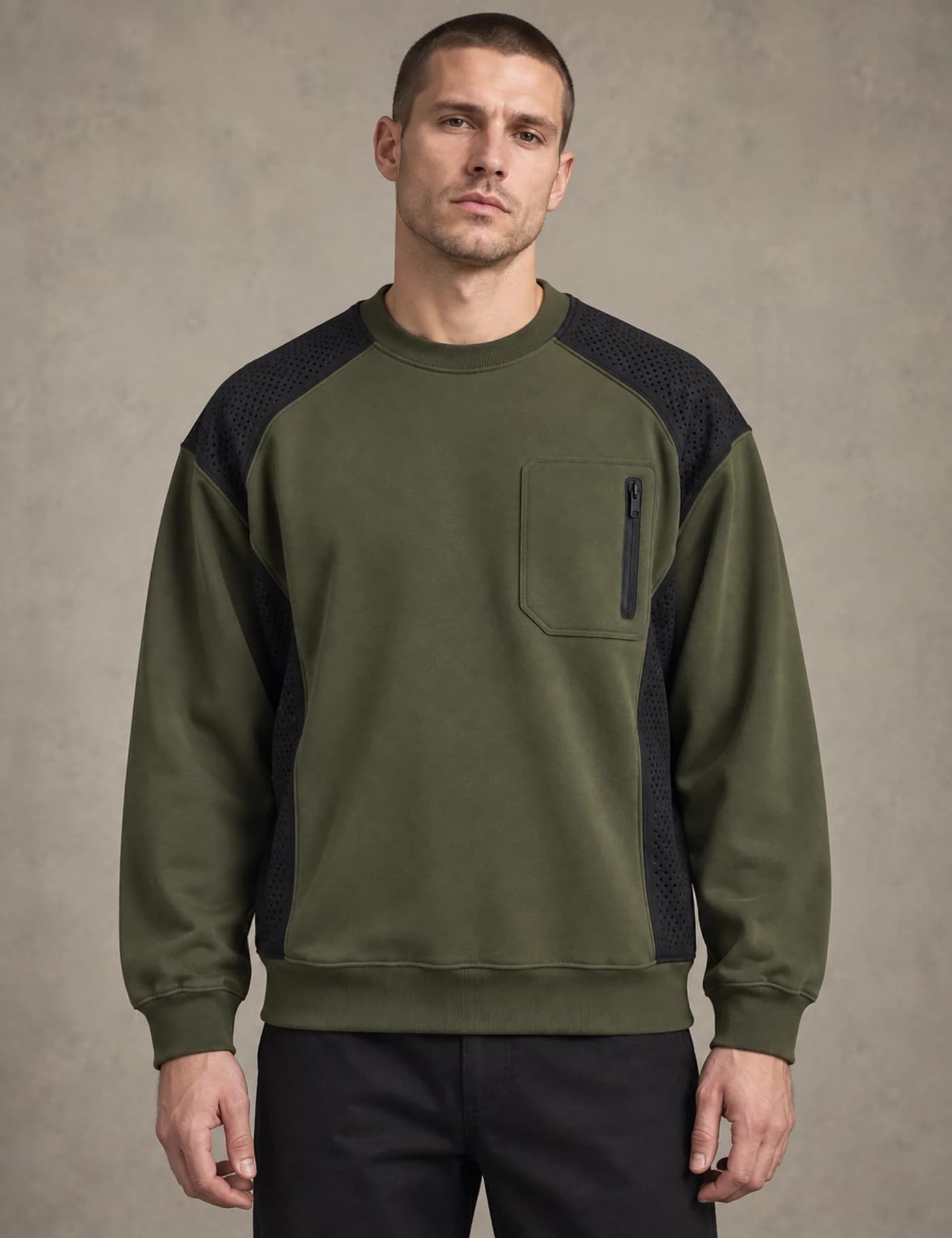
PK-091
Perforated-Panel Utility Crewneck Sweatshirt
View product details →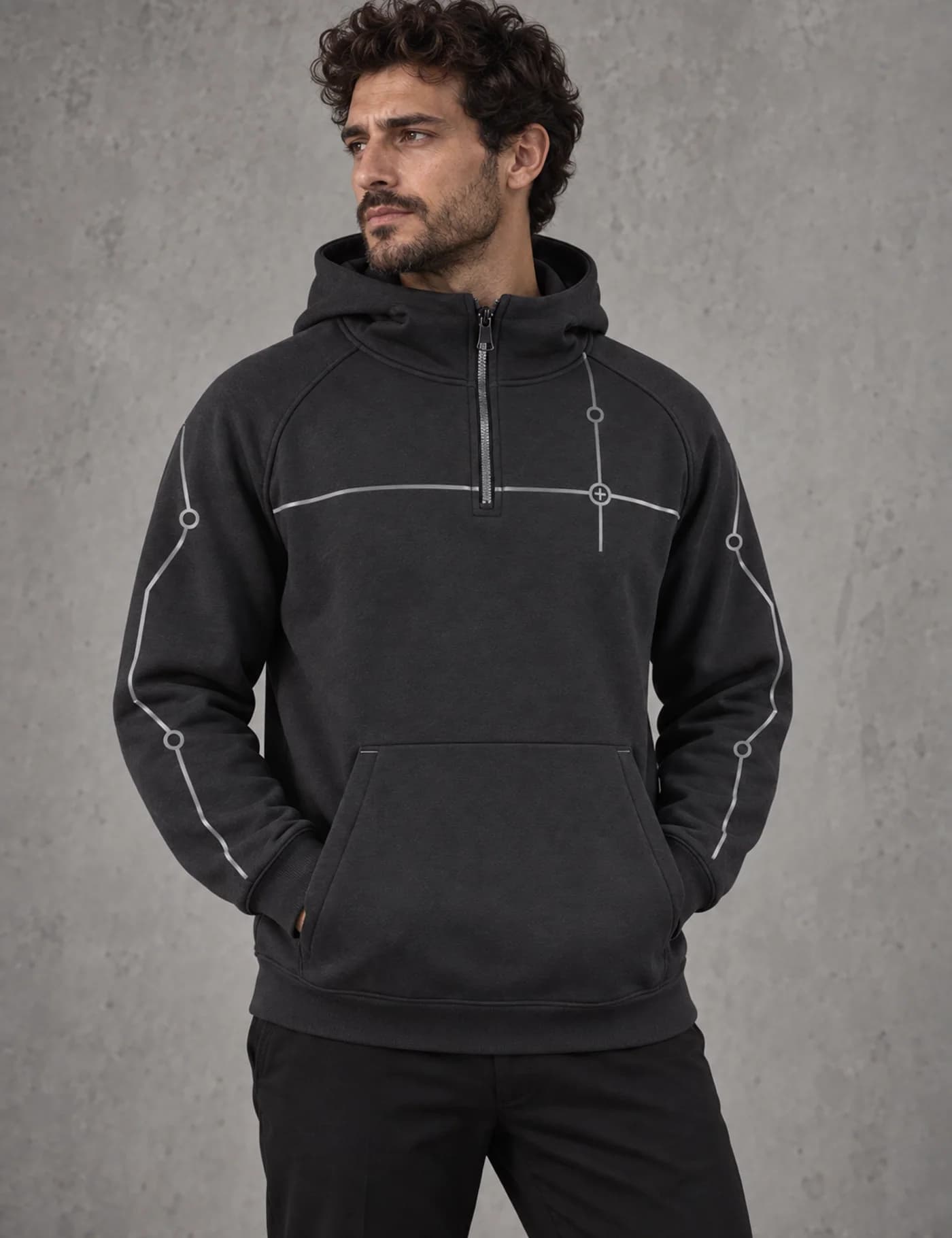
PK-090
Reflective Circuit-Piping Half-Zip Hoodie
View product details →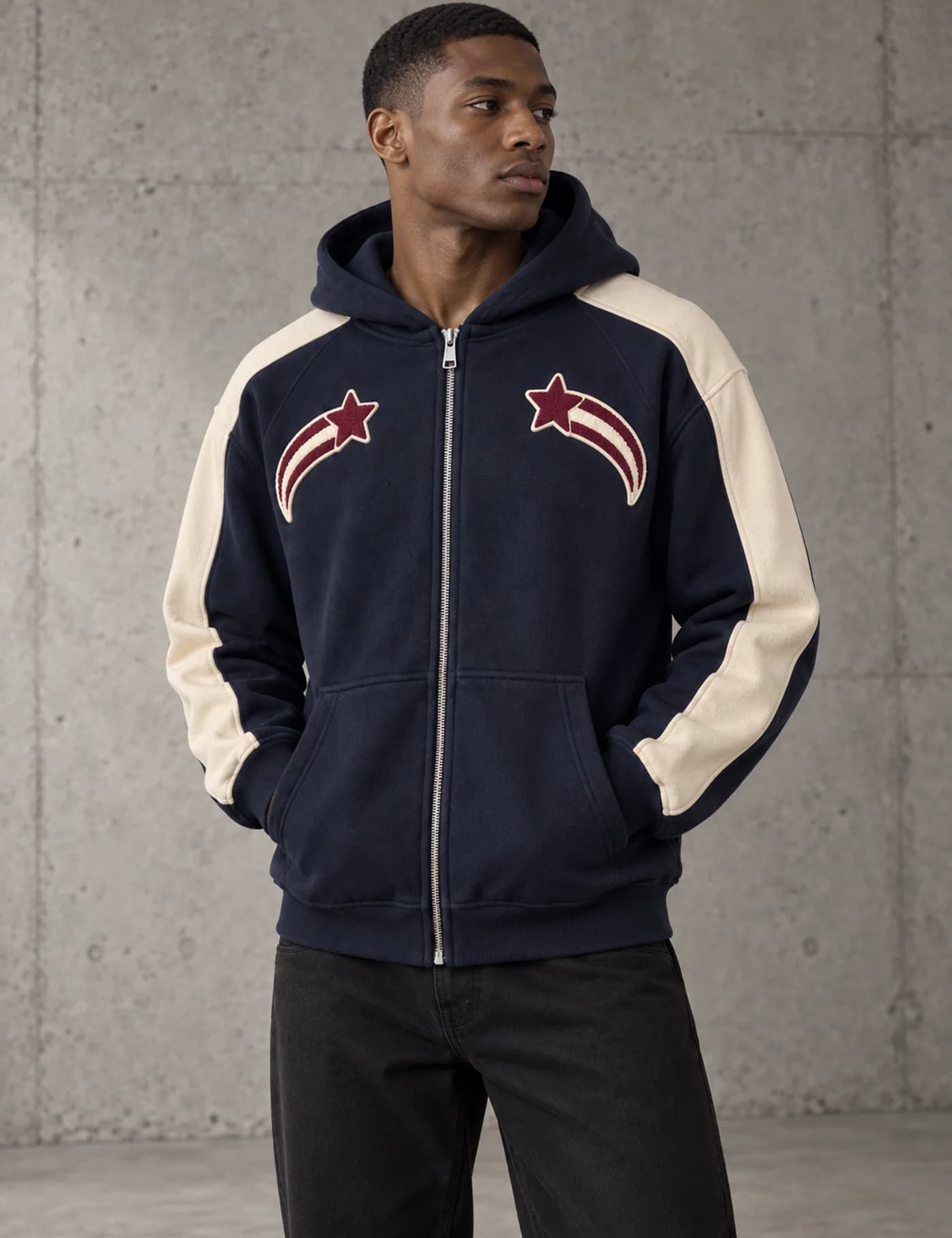
PK-089
Chenille Shooting-Star Zip Hoodie
View product details →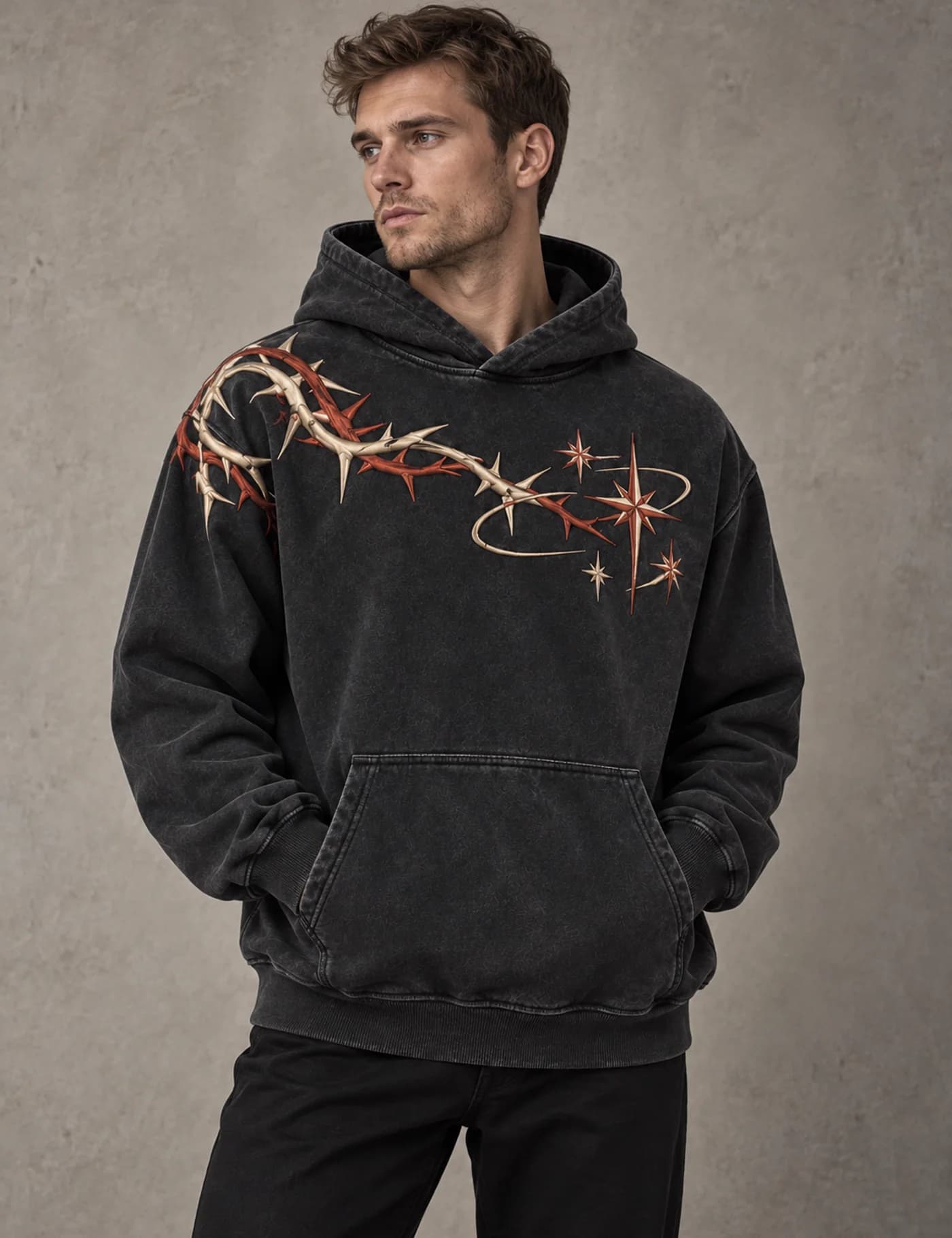
PK-088
Washed Barbed-Vine Embroidered Hoodie
View product details →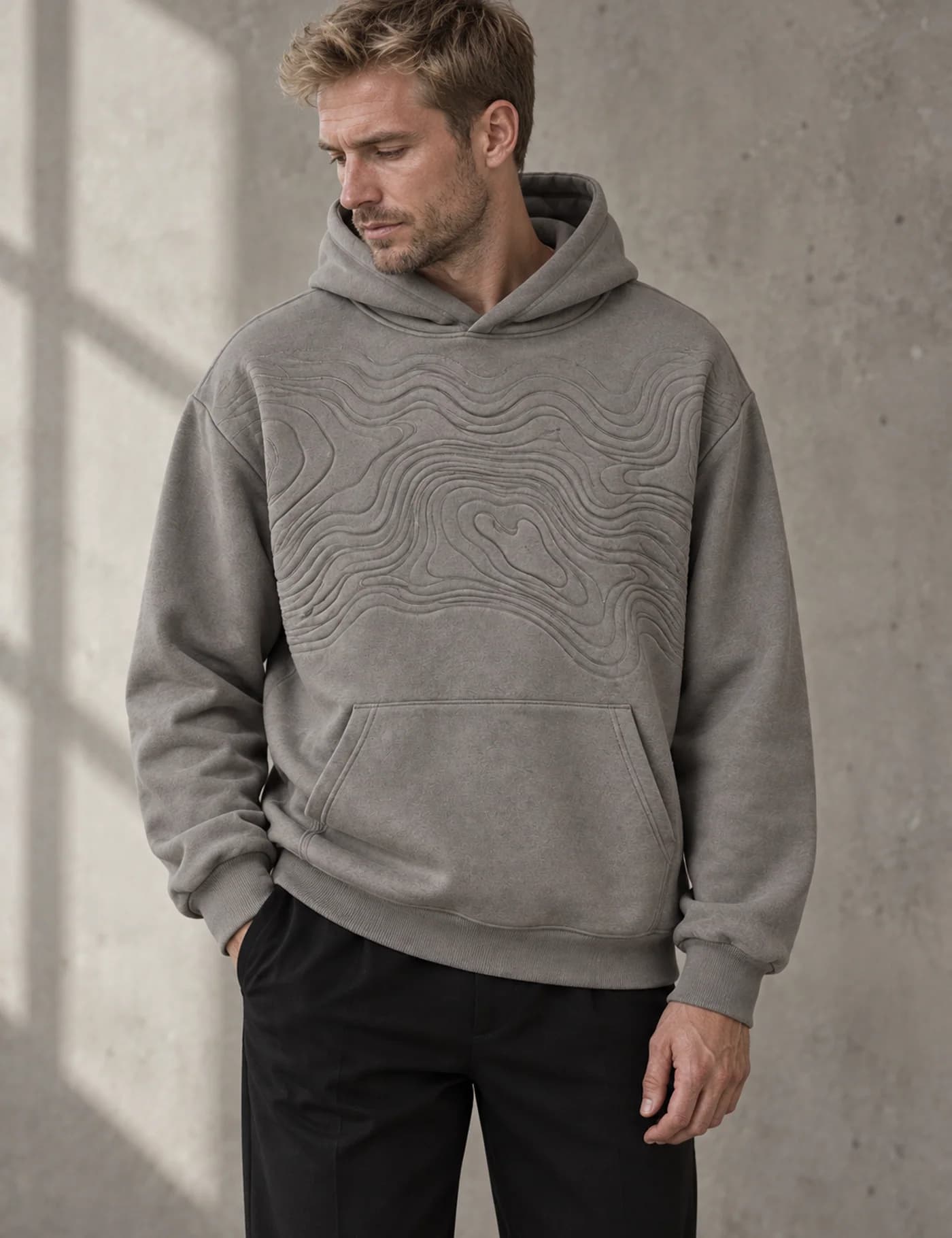
PK-087
Contour-Quilted Pullover Hoodie
View product details →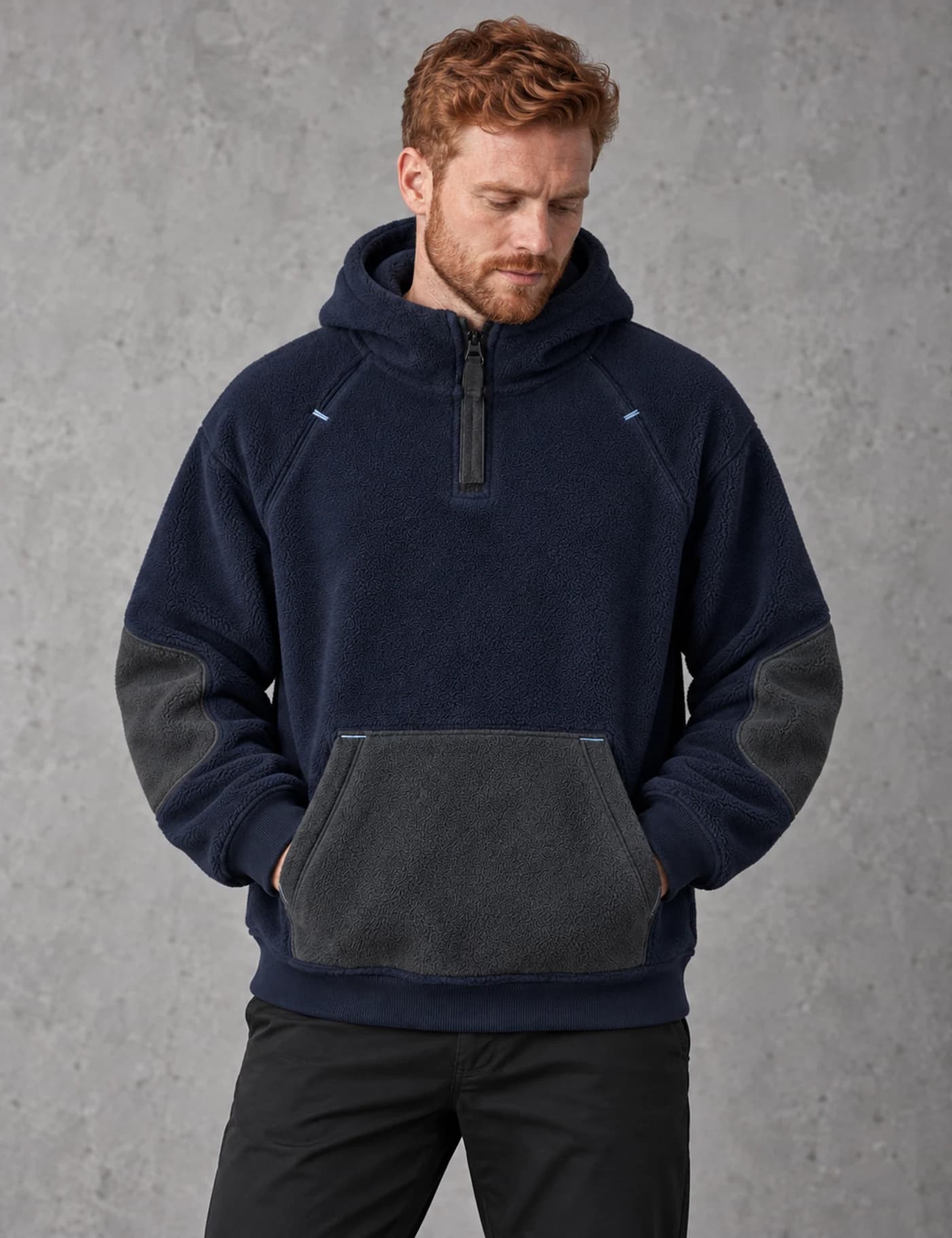
PK-073
Fleece-Panel Half-Zip Hoodie
View product details →
PK-072
Color-Block Raglan Pullover Hoodie
View product details →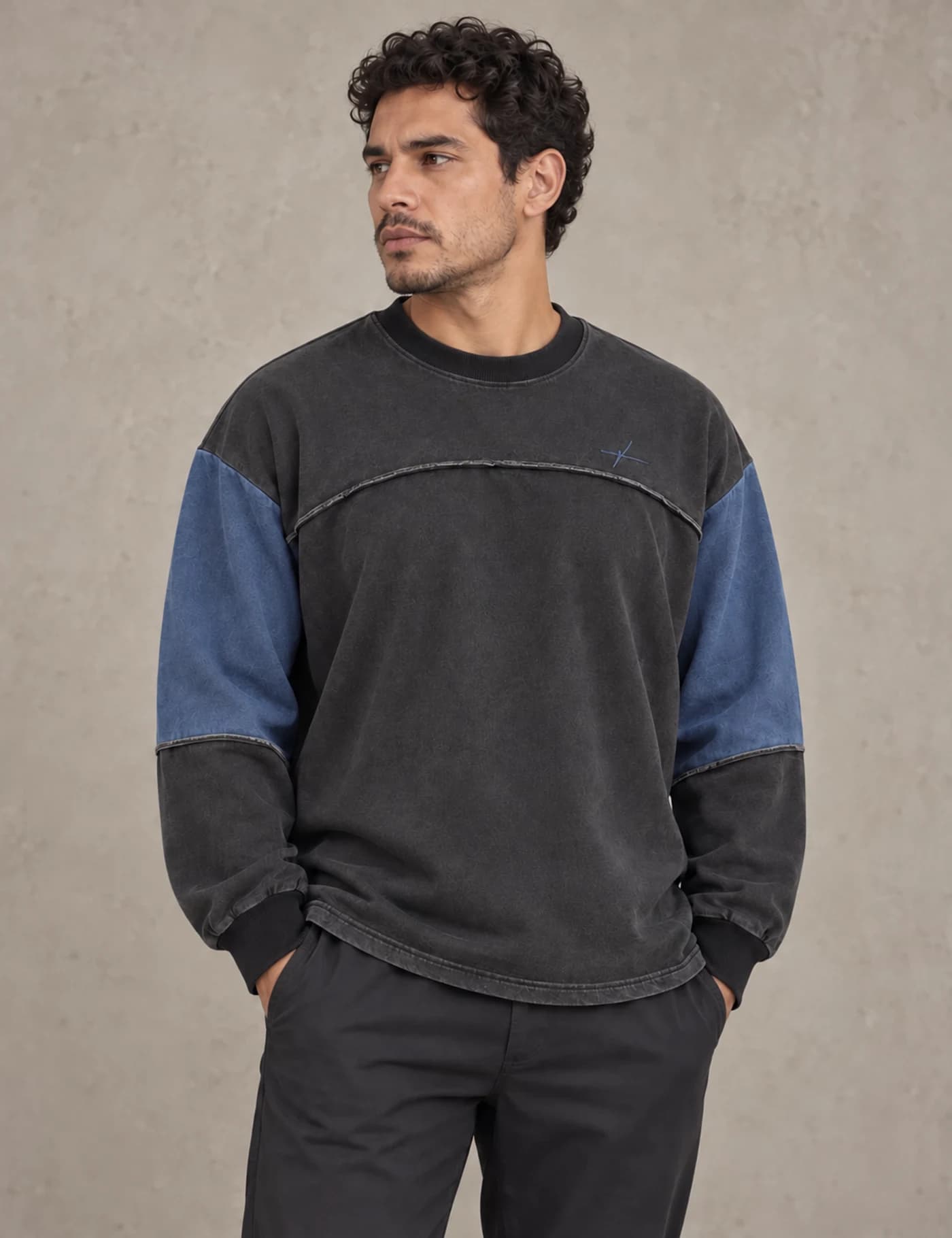
PK-071
Color-Block Yoke Crewneck Sweatshirt
View product details →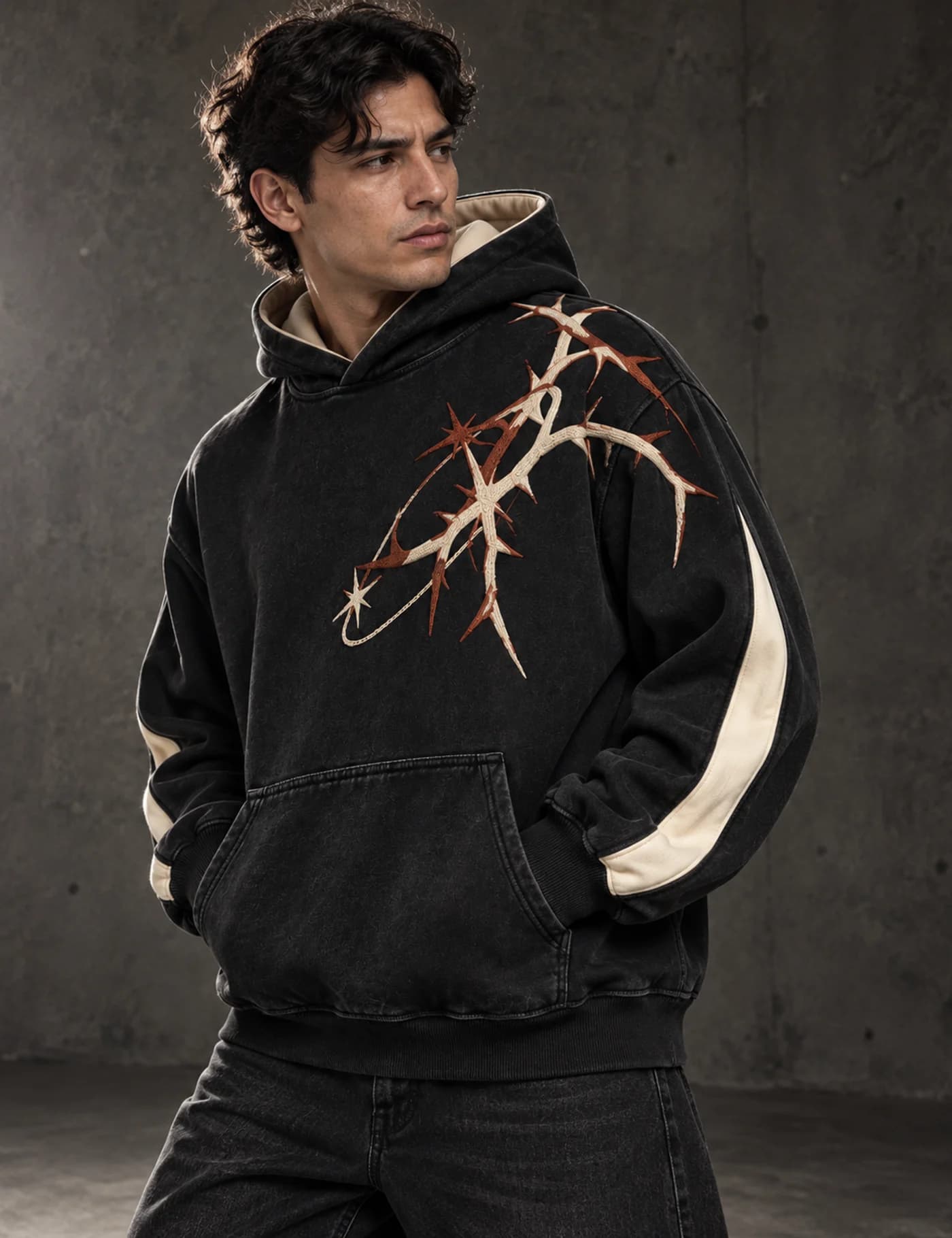
PK-061
Thorn Embroidered Oversized Hoodie
View product details →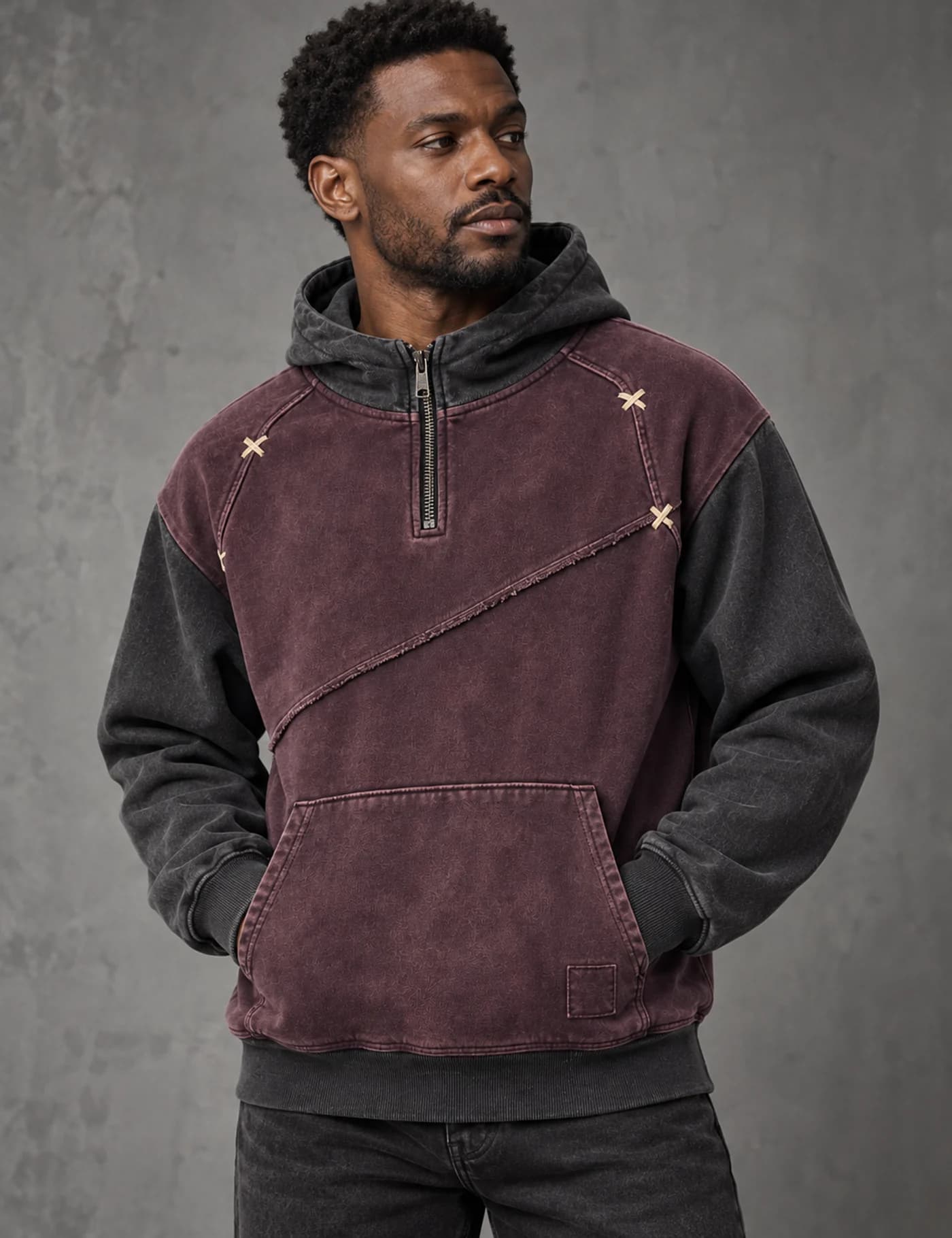
PK-060
Color-Block Quarter-Zip Pullover Hoodie
View product details →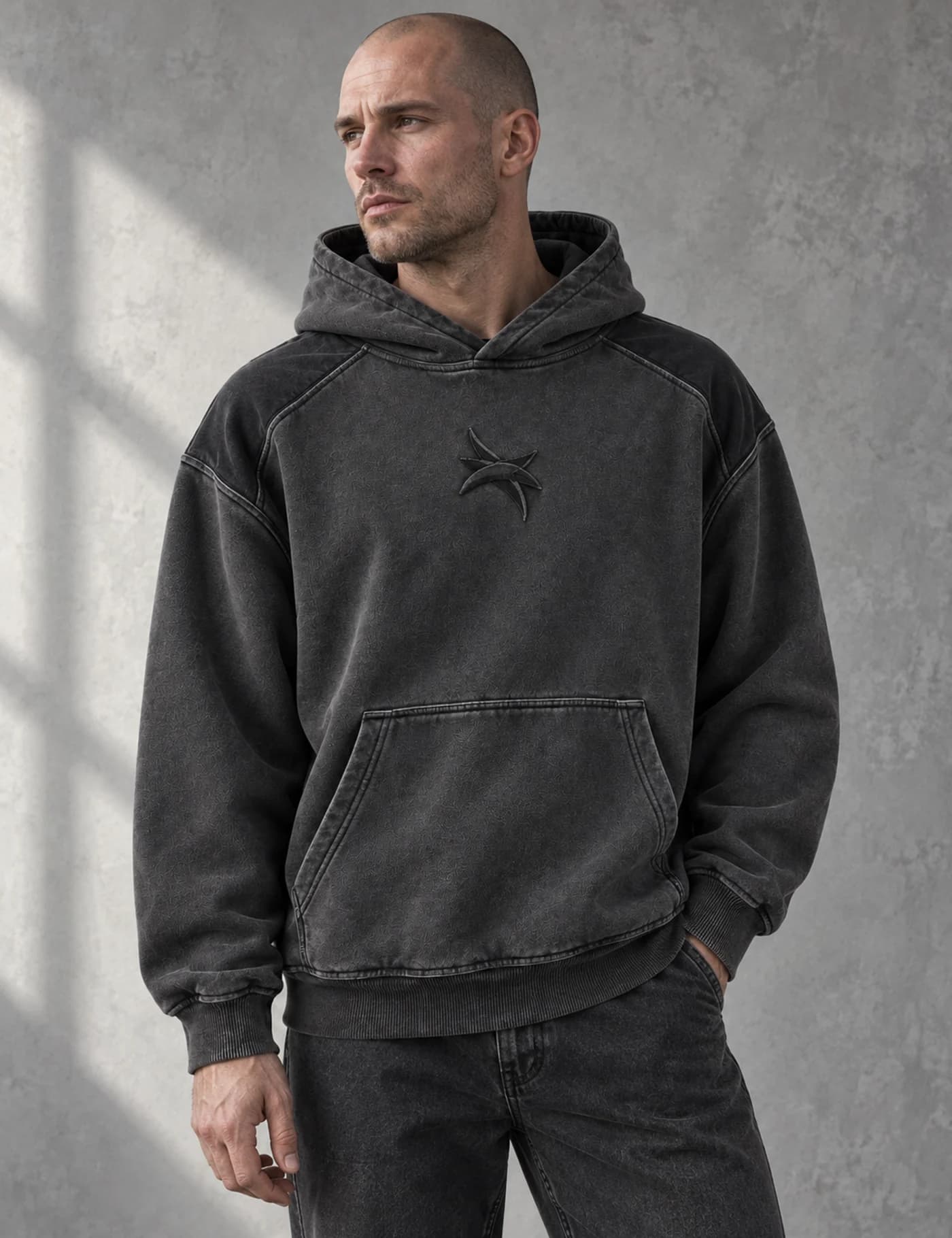
PK-059
Washed Tonal Embroidered Pullover Hoodie
View product details →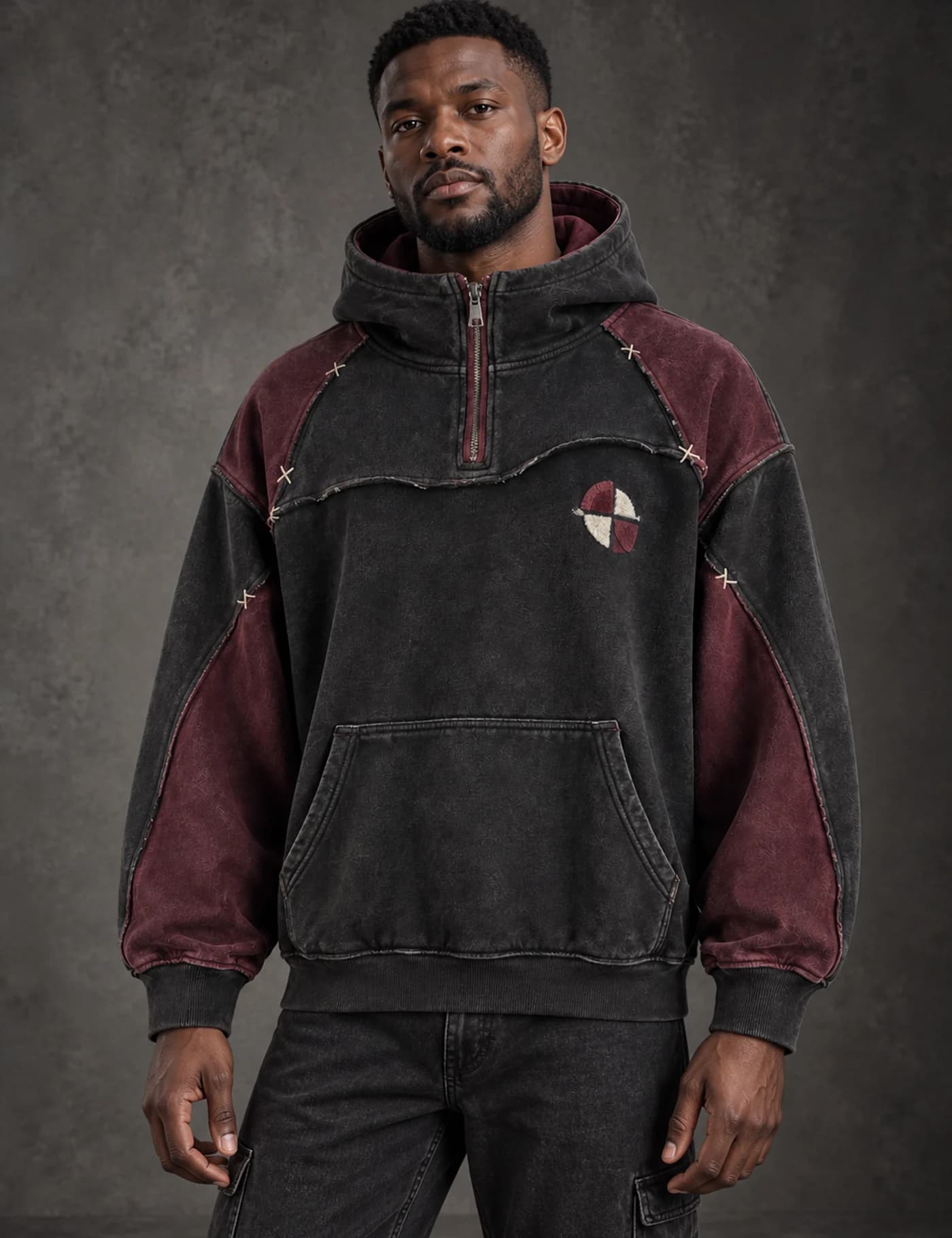
PK-050
Color-Block Quarter-Zip Hoodie
View product details →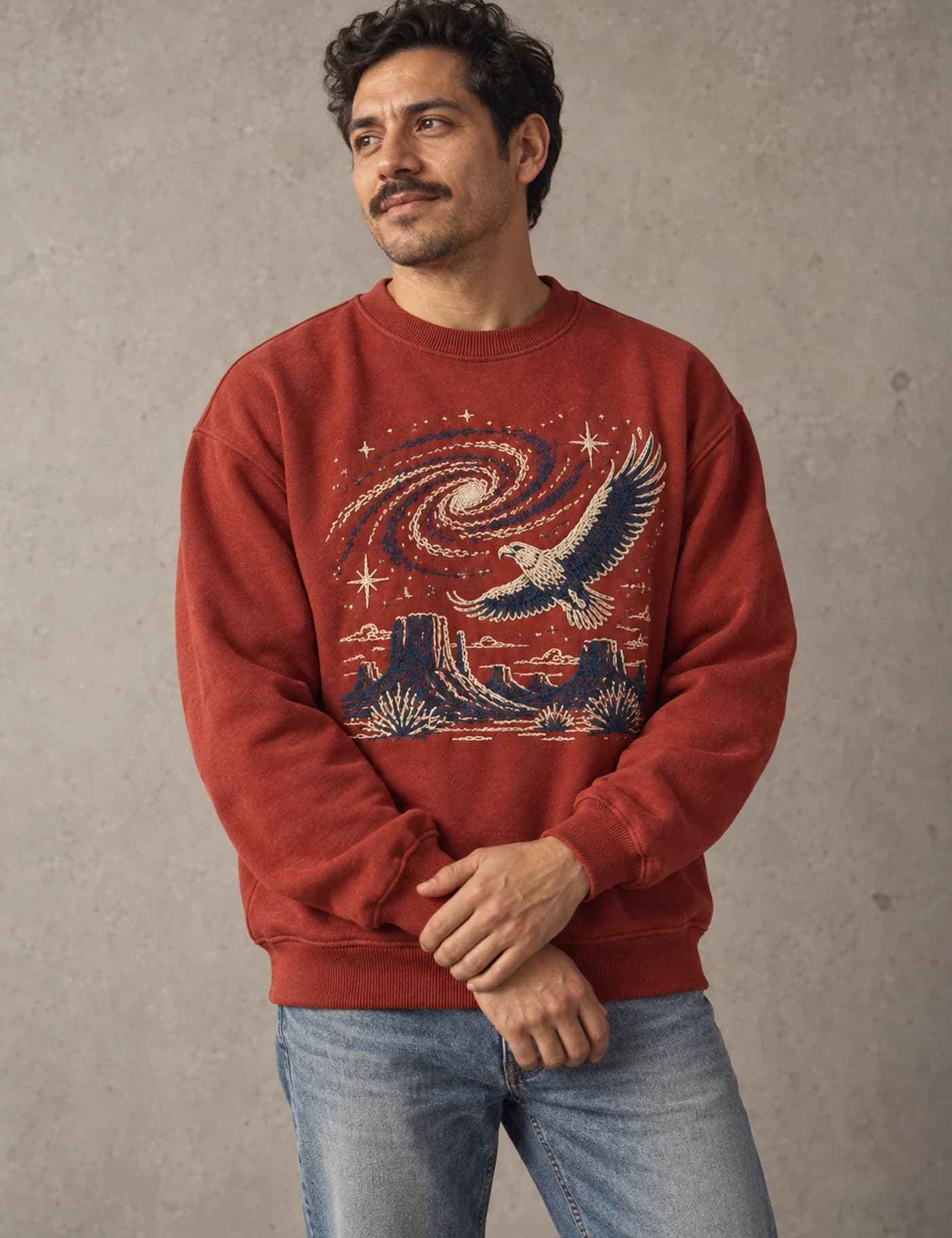
PK-046
Large Embroidery Crewneck Sweatshirt
View product details →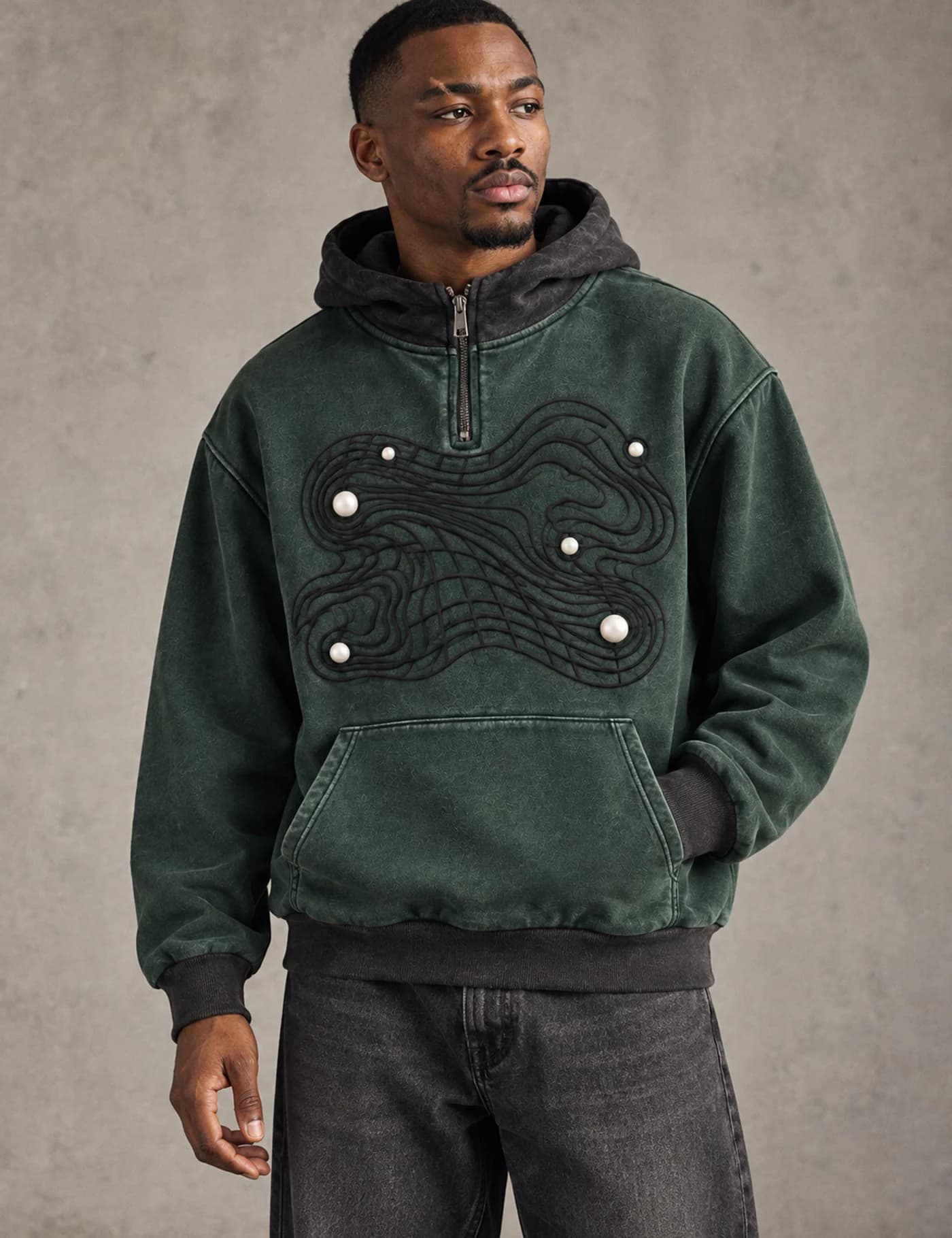
PK-043
Hooded Quarter-Zip Sweatshirt
View product details →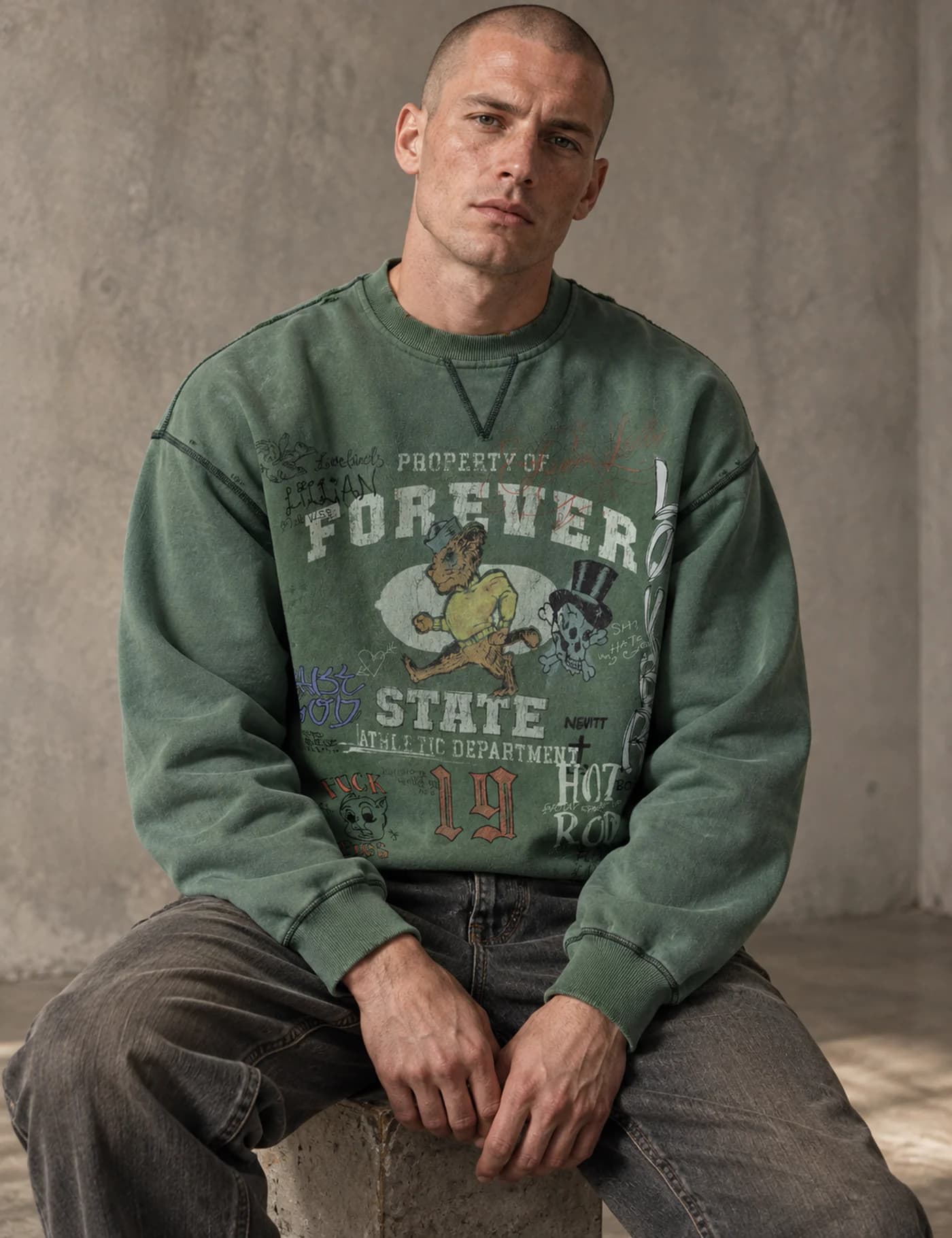
PK-038
Green Vintage Washed Graphic Crewneck Sweatshirt
View product details →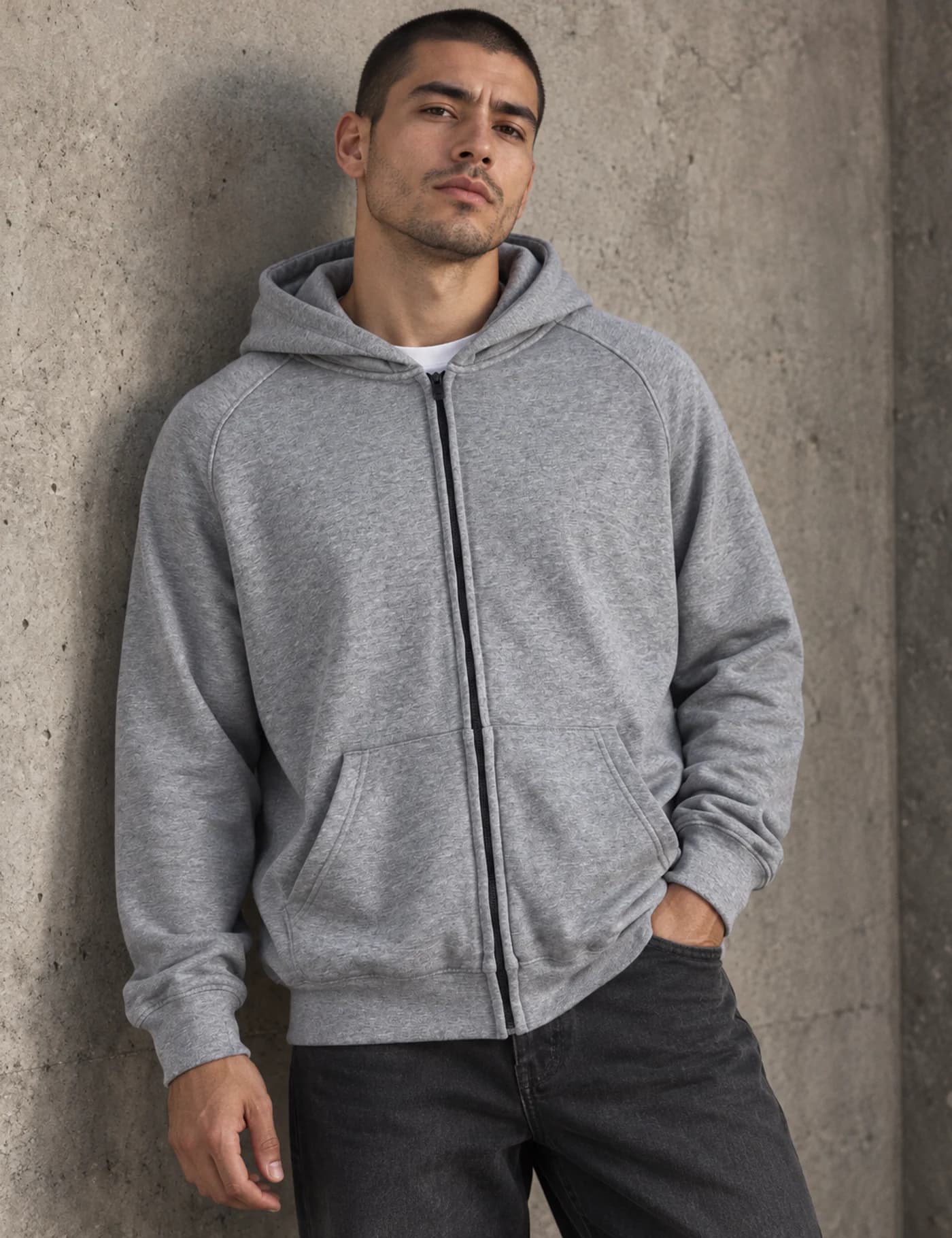
PK-034
Gray Full-Zip Hoodie
View product details →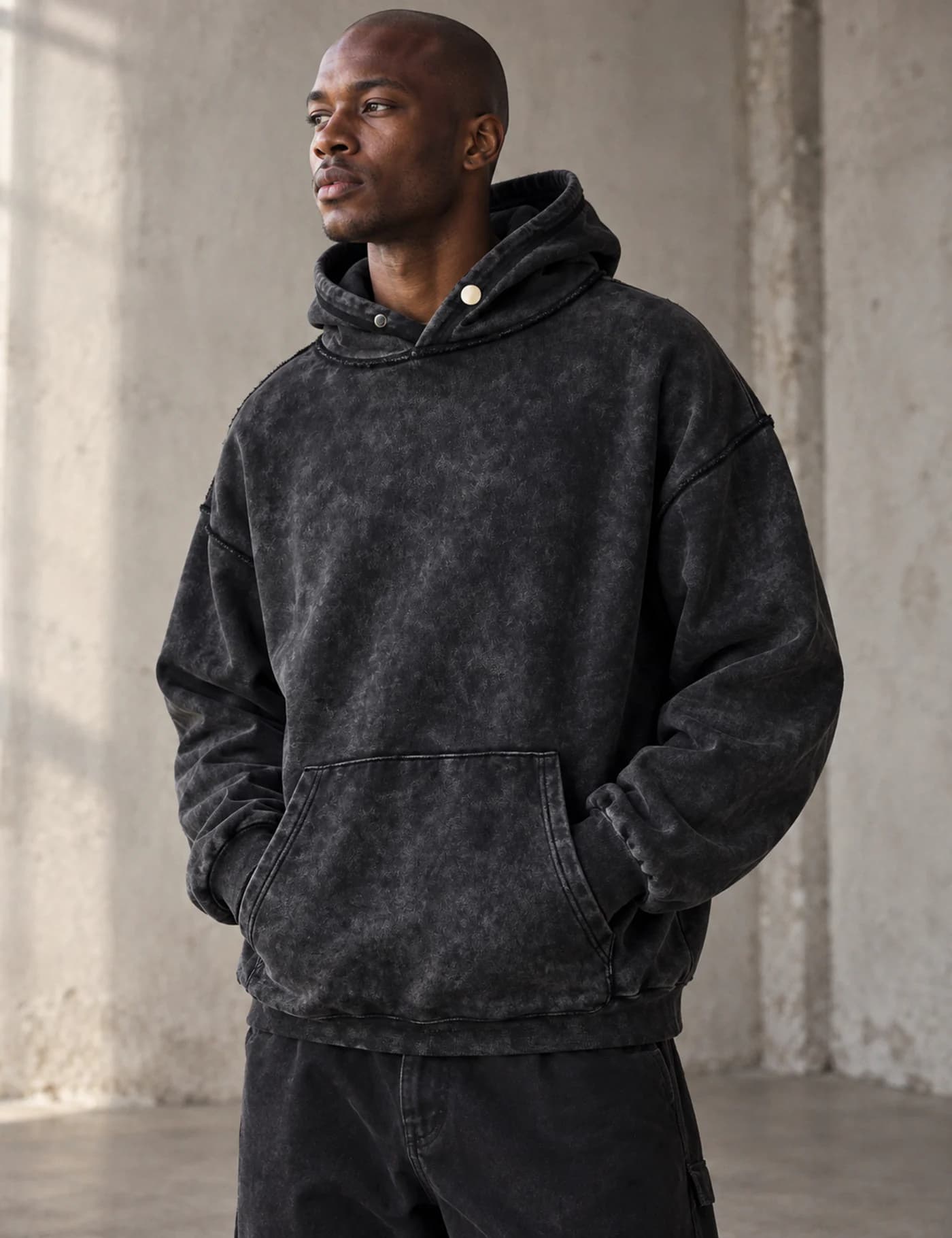
PK-032
Black Acid-Wash Pullover Hoodie
View product details →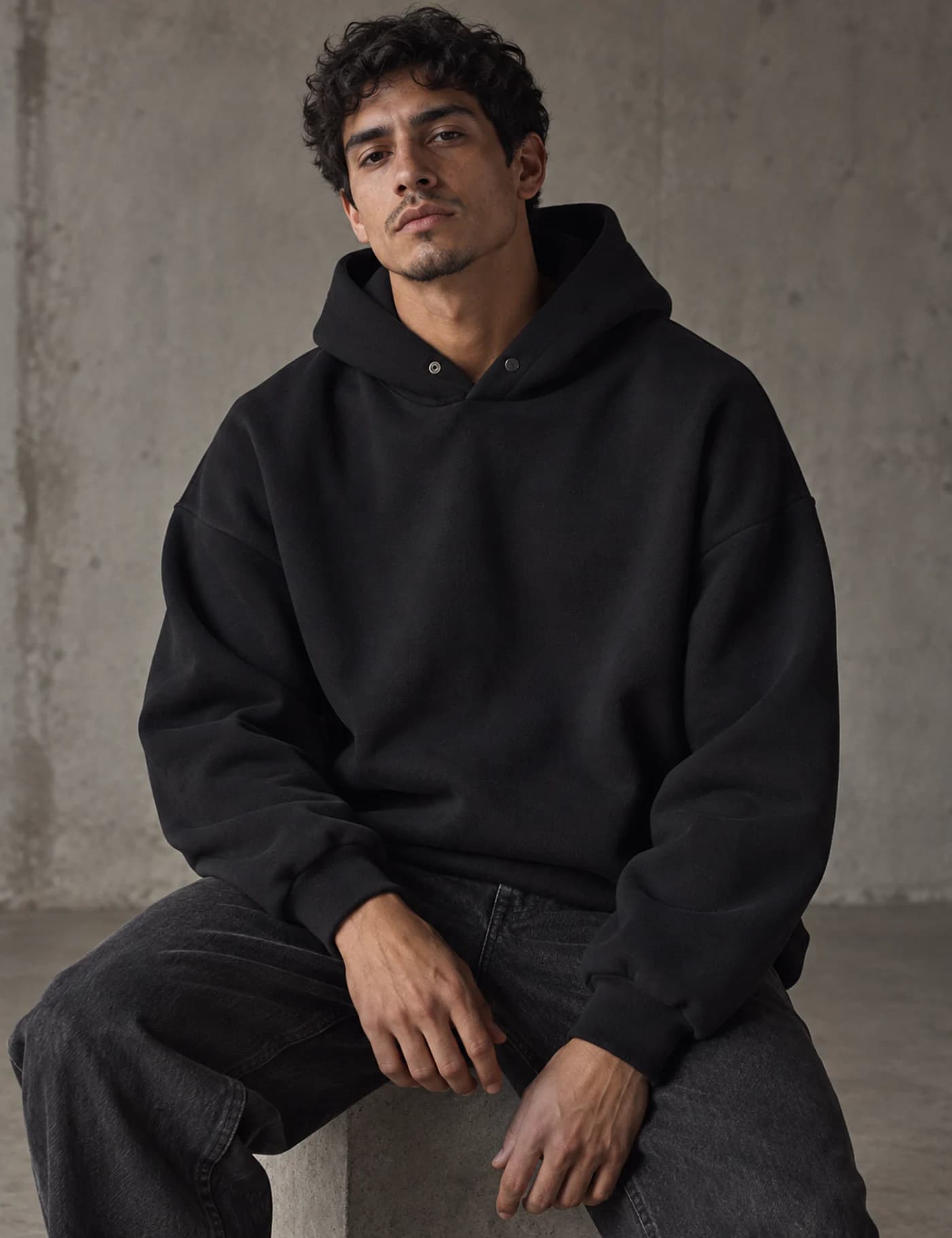
PK-029
Black Oversized Pullover Hoodie
View product details →
PK-024