Garment
Start with the product, fit, season and intended use—not a fabric name in isolation.
Custom Menswear Manufacturing / OEM & ODM / Worldwide Delivery
Fabric education for clothing brands
Learn how garment type, silhouette, structure, GSM, composition, hand feel and finishing work together—so you can identify the right fabric direction before sampling.
This is a decision guide—not a stock fabric catalogue. Final specifications, availability and minimums depend on the selected material and project. Approval is completed against the physical material and intended garment sample.
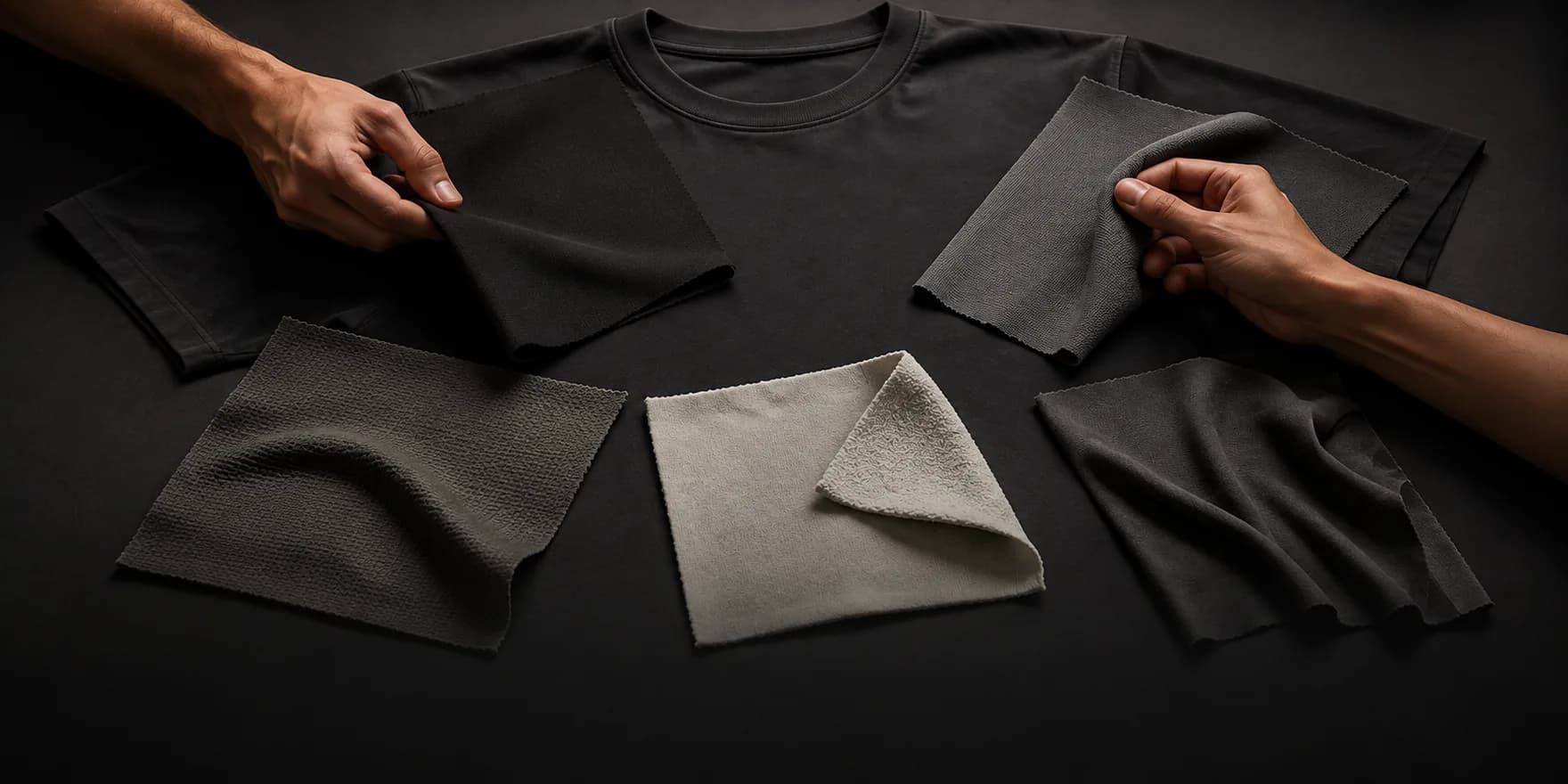
The 3-minute framework
Move from the garment and desired result to a workable fabric direction, then test the technical conditions on the intended sample.
Start with the product, fit, season and intended use—not a fabric name in isolation.
Knitted, woven and denim structures change stretch, stability, drape and construction.
GSM measures fabric weight per square metre. It does not define quality on its own.
Fibre content influences touch, care and performance, but construction still matters.
Soft, dry, compact, brushed, crisp or fluid surfaces create very different garments.
Washing, brushing, coating and heat setting can change colour, dimensions and function.
Garment & desired result → Fabric direction → Technical conditions → Physical sample approval
See fabric, trim & packaging coordination →Start with the product
Garment category, silhouette and desired result narrow the useful material directions. Product pages show the applications in more detail.
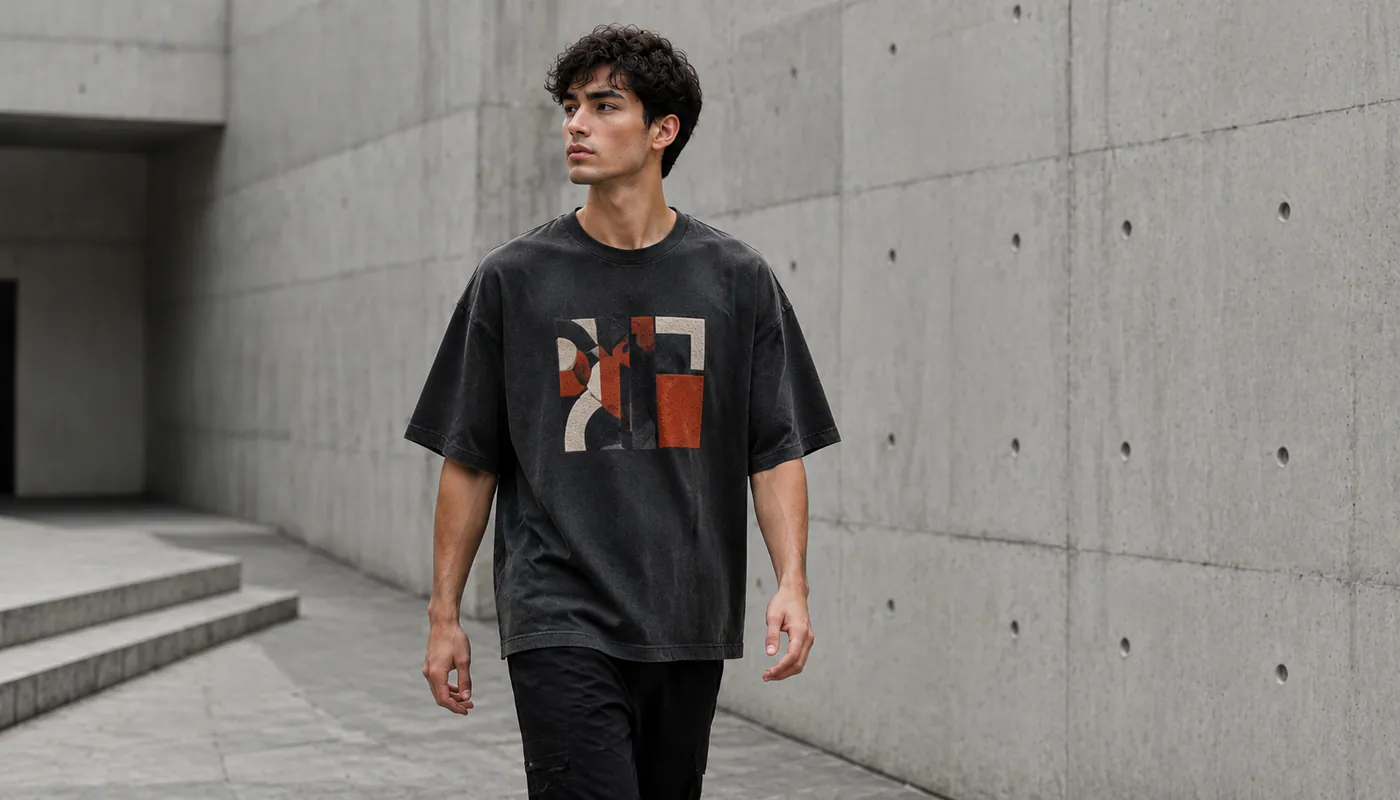

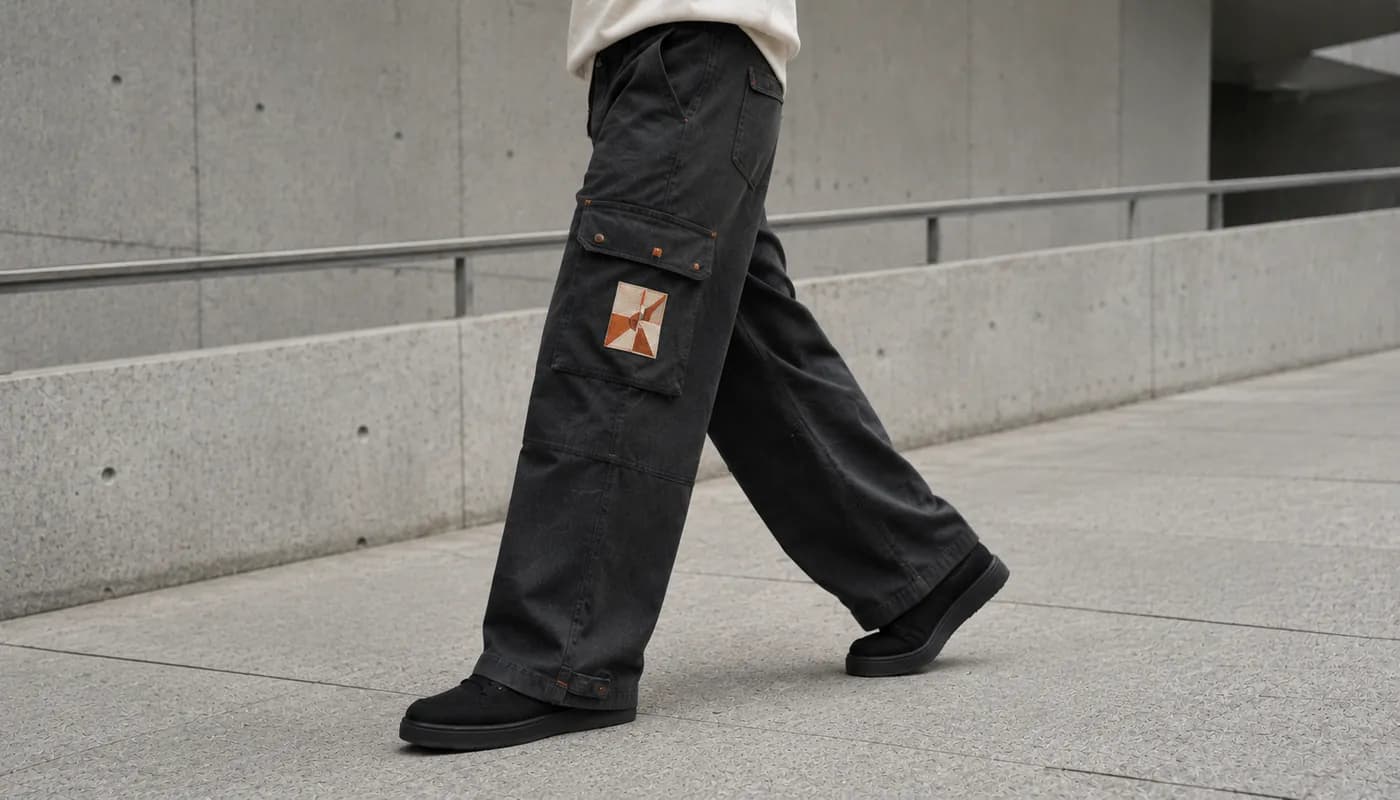

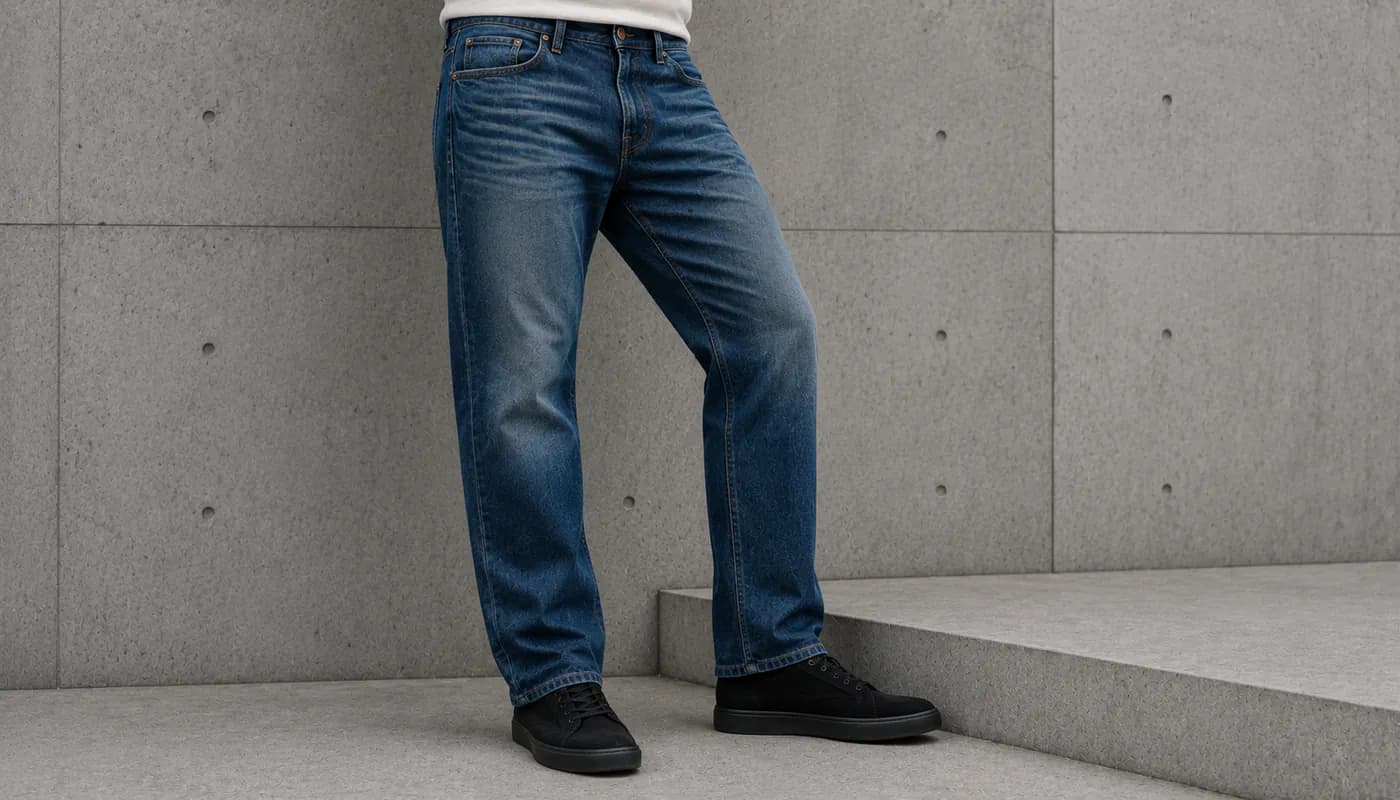
Candidate directions
Use the intended garment and result to shortlist a direction. Weight, composition, colour, finish, availability and minimums remain project-specific.
 Knitted
Watch: Shrinkage, torque and opacity
 Knitted
Watch: Drape, recovery and garment weight
 Knitted
Watch: Loop structure, shrinkage and rib match
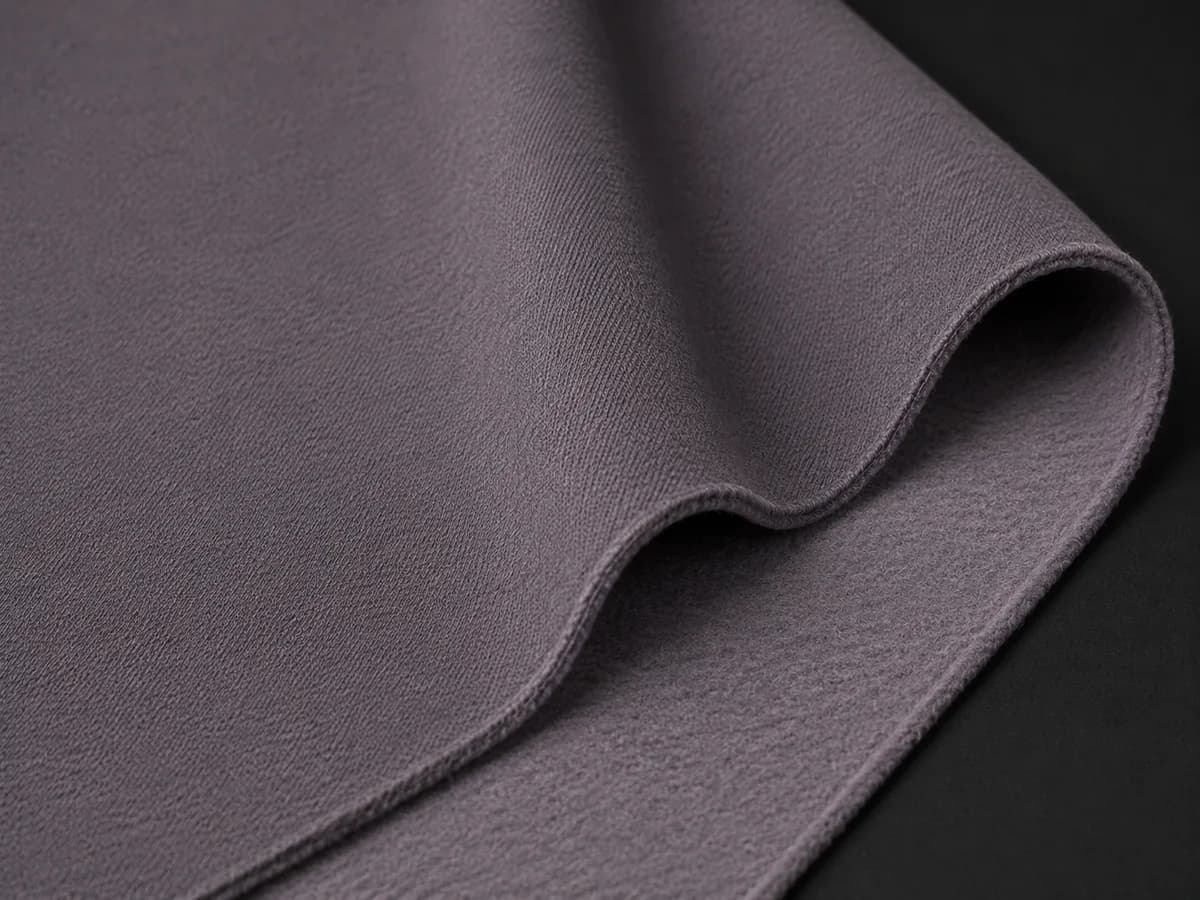 Knitted
Watch: Pilling, shedding and brushing retention
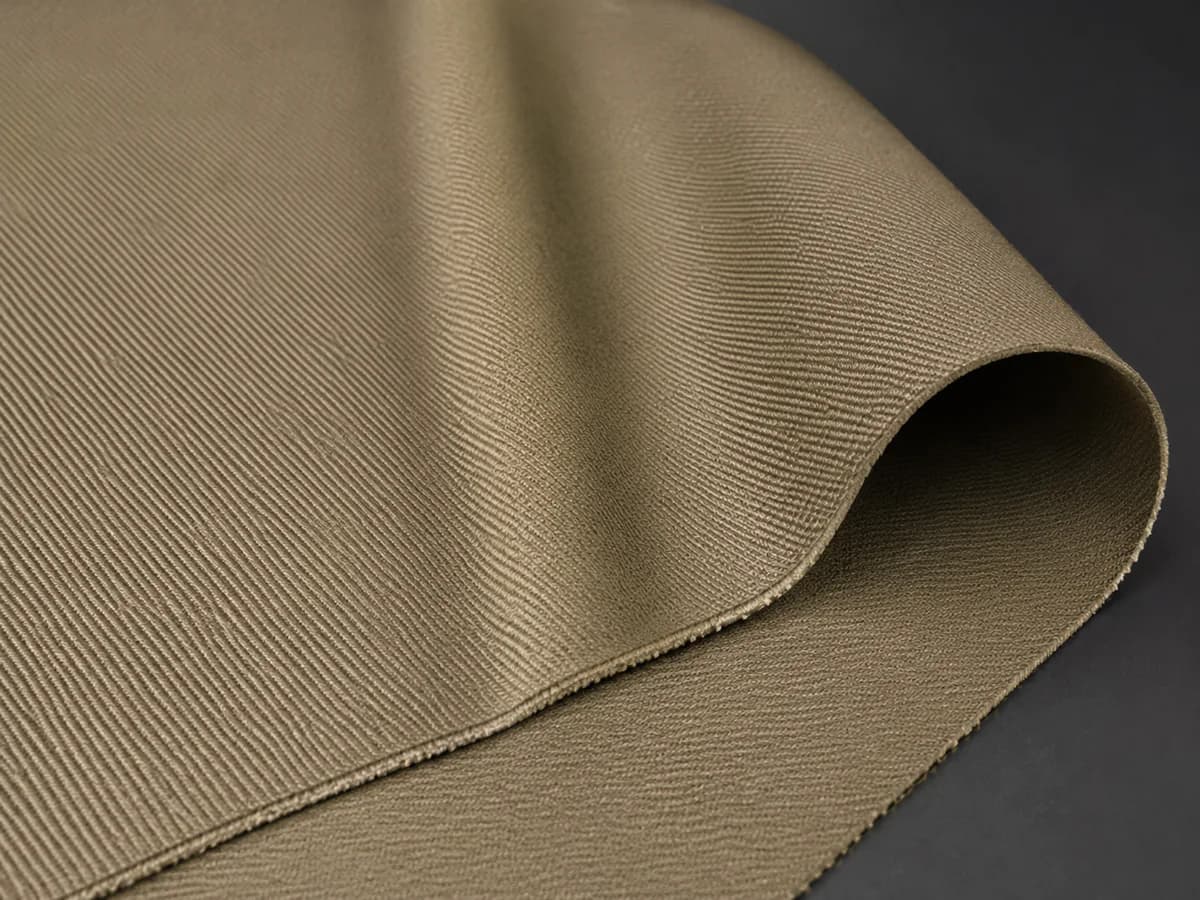 Woven
WovenWatch: Shrinkage, colour and wash response
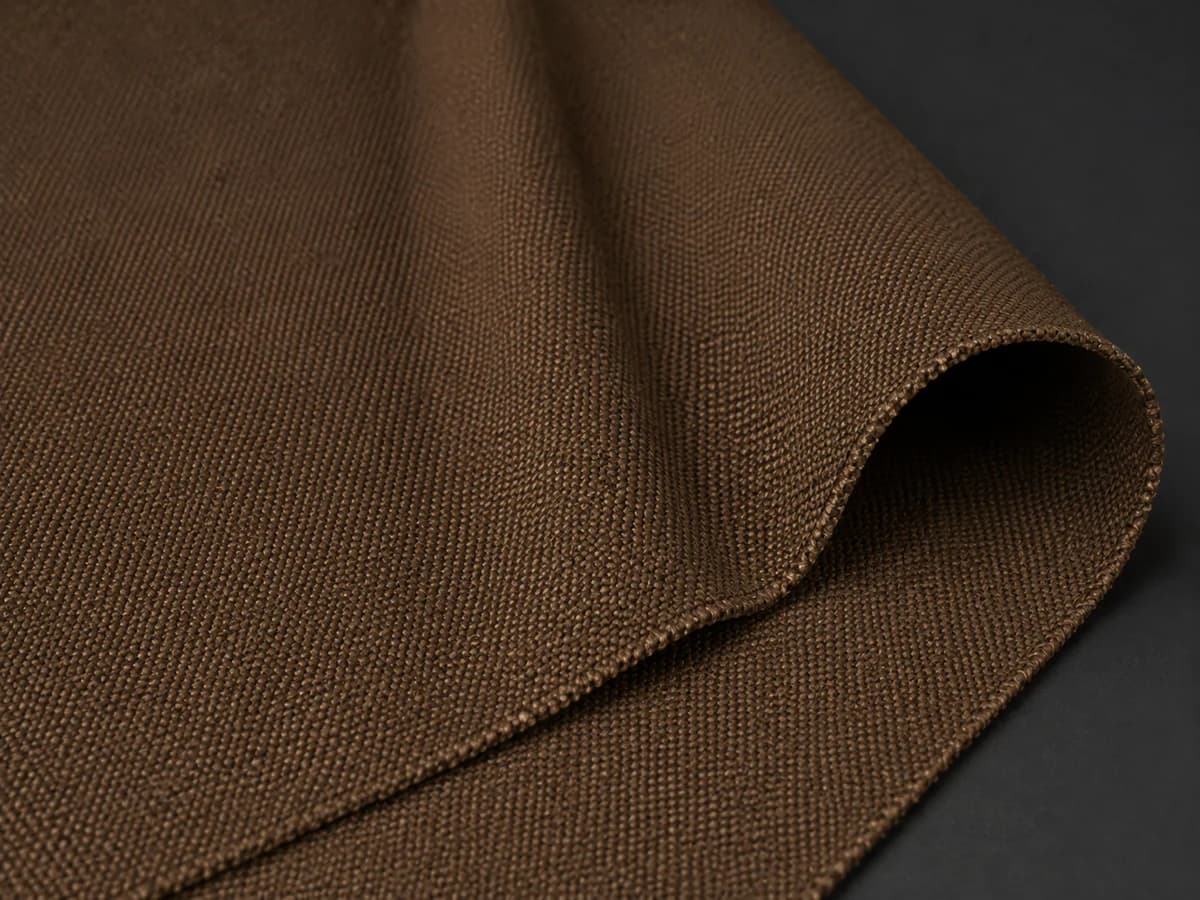 Woven
WovenWatch: Seam bulk, comfort and needle choice
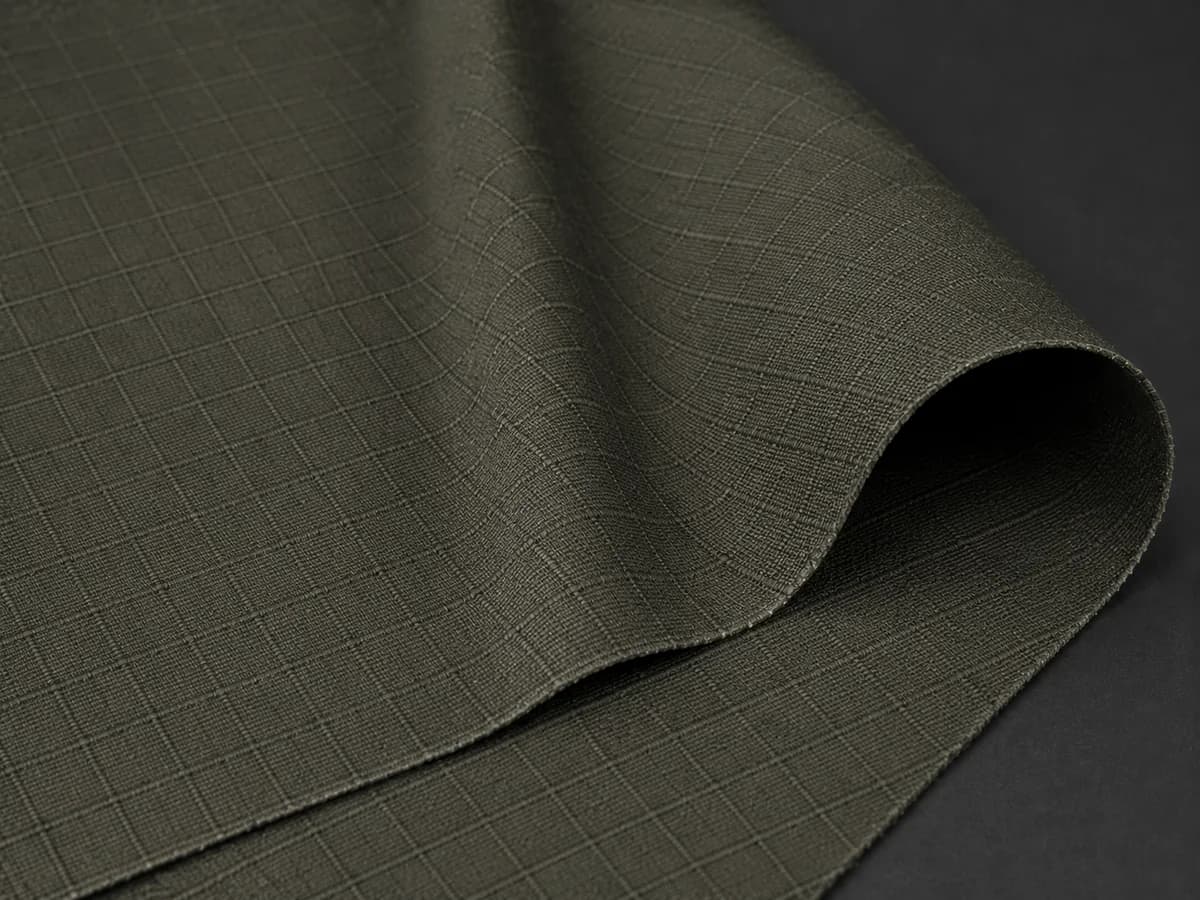 Woven
WovenWatch: Ripstop does not automatically mean waterproof
 Woven
WovenWatch: Coating, static and print compatibility
 Denim
DenimWatch: Shrinkage, colour transfer and wash response
 Denim
DenimWatch: Post-wash stretch and dimensional stability
Technical conditions
Knitted, woven and denim constructions create different stretch, stability, drape and wash behaviour. This is the first technical filter after choosing a direction.
 01
01 02
02 03
03Fabric weight
Two fabrics with the same GSM can look and feel different because construction, yarn, density and finishing also shape the result.
More fluid, breathable or packable directions for warm weather and layering.
A broad everyday range balancing coverage, structure and comfort.
More substantial direction that can affect drape, sewing, washing and drying.
Composition trade-offs
Use composition to understand a direction, then confirm the actual structure, finishing and performance on a supplier sample.
Natural hand-feel direction and broad application.
Confirm: Shrinkage, colour, surface and finishingCan balance touch, stability, durability and drying behaviour.
Confirm: Blend ratio, pilling and the required hand feelAvailable in many stable, lightweight and performance structures.
Confirm: Shine, static, breathability and decoration compatibilityOften selected for lightweight outerwear and abrasion direction.
Confirm: Density, coating, heat sensitivity and careIntroduce stretch for fitted or movement-led products.
Confirm: Recovery, heat exposure and stability after washCan create a softer, cooler and more fluid garment direction.
Confirm: Dimensional stability, care and surface changeSurface and performance
Finishing is part of the material decision because it can change touch, colour, measurements, durability and the way decoration performs.
Adds a softer, fuller surface and often more warmth.
Creates a subtle soft-touch surface without a deep pile.
Helps manage dimensional change; it does not mean zero shrinkage.
Changes colour, touch and dimensions on the finished garment.
Supports water-shedding; it does not automatically make fabric waterproof.
Can add structure or function and must be checked for durability and delamination.
Performance statements should be supported by the specific material specification, supplier documentation or requested testing.
Functional trims
Rib, closures, elastic, drawcords and lining affect fit, recovery, comfort, function and colour coordination.
Stretch, recovery, weight and colour match
Necklines, cuffs and waistbandsType, gauge, length, puller and finish
Jackets, hoodies, pants and pocketsMaterial, diameter and attachment strength
Shirts, jackets and utility detailsWidth, stretch, recovery and construction
Waistbands, cuffs and adjustable areasMaterial, diameter, tips and colour
Hoods, waists and adjustable detailsComfort, structure and shell compatibility
Outerwear, collars and structured areasBefore bulk production
A useful approval connects the supplier material, garment sample and required testing so the bulk order has a clear reference.
Material questions
Practical answers for the decisions clothing brands commonly face before sampling.
From learning to a material brief
Share the garment category, target fit, quantity, preferred weight, composition, colour, hand feel, performance needs, certification requirements and reference images.