Choosing a streetwear manufacturer is not simply a search for the lowest quotation or the factory with the largest production floor. The decision is whether a supplier can translate your design intent into a repeatable garment: the intended fit, fabric, construction, wash, decoration, labels and packaging - first in a sample and then in bulk production.
A useful manufacturer comparison therefore looks beyond sales claims. It asks what the factory normally makes, what information it requires, how it controls revisions, which evidence it can provide and how closely bulk production will follow the approved reference.
Choose the manufacturer whose normal capabilities match your product and whose sampling, approval and quality-control process gives you enough evidence to control the order. Price and MOQ matter, but only after the specifications being compared are aligned.
Start With Your Product Brief, Not a Factory List
Before contacting suppliers, define what you are actually asking them to make. A vague request such as 'premium oversized hoodie' can produce quotations based on different fabrics, fits, techniques and quality levels, making the prices impossible to compare.
Prepare at least the following information:
- Product category and estimated number of styles
- Reference images, sketches, physical samples or tech packs
- Target silhouette, size range and market
- Preferred fabric composition, weight and hand feel
- Color, wash, printing, embroidery or other surface techniques
- Labels, trims and packaging requirements
- Estimated quantity by style and color
- Target sample date, launch date and delivery destination
If important measurements or construction details are not ready, choose a supplier that provides a defined product development and sampling process rather than assuming the factory will interpret every reference correctly.
Ten Checks Before You Choose a Streetwear Manufacturer
1. Does the Factory Regularly Make Your Product Category?
General garment experience is not the same as experience with your intended product. Heavyweight T-shirts, oversized hoodies, washed garments, technical outerwear and denim each create different sourcing, pattern, sewing and finishing risks.
Ask for recent examples that are technically similar to your project. Look beyond the overall style: compare the body fabric, fit structure, collar or rib, seam construction, wash effect and decoration method. A visually similar garment made through a different process may not prove the capability you need.
2. Are You Buying Blanks, Private Label or Full Custom Development?
Clarify the manufacturing model before comparing suppliers. Decorating an existing blank is faster and simpler, but it limits control over fit, fabric and construction. Private-label stock styles allow branding changes within an existing product. Full custom OEM or ODM development can create a more distinctive garment, but it requires more information, sampling and approval work.
A supplier should explain which route matches your project and what remains customizable. Review KAOUYOU's OEM and ODM manufacturing approach as an example of how different starting inputs move into development and production.
3. Can the Manufacturer Specify the Fabric, Not Just Call It Premium?
Words such as premium, heavyweight and soft are not complete specifications. Ask the supplier to identify the fabric construction, composition, finished weight, surface character, stretch or recovery where relevant, color process and intended finishing route.
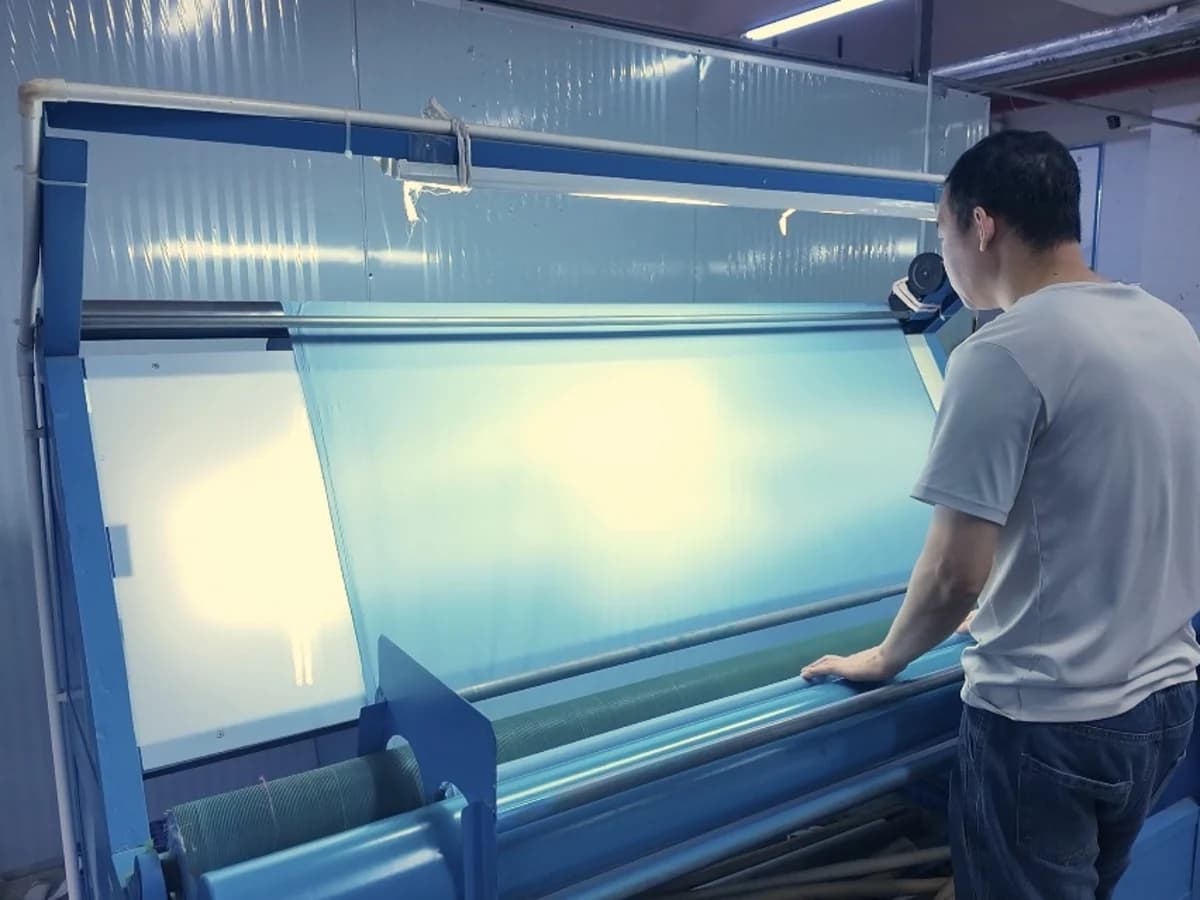
The supplier should also explain which points require physical approval. Fabric weight alone does not define hand feel, density, shrinkage or final garment behavior. Use a structured fabric selection framework and approve the production-intent material rather than relying only on a quotation description.
4. Can It Develop and Control the Intended Fit?
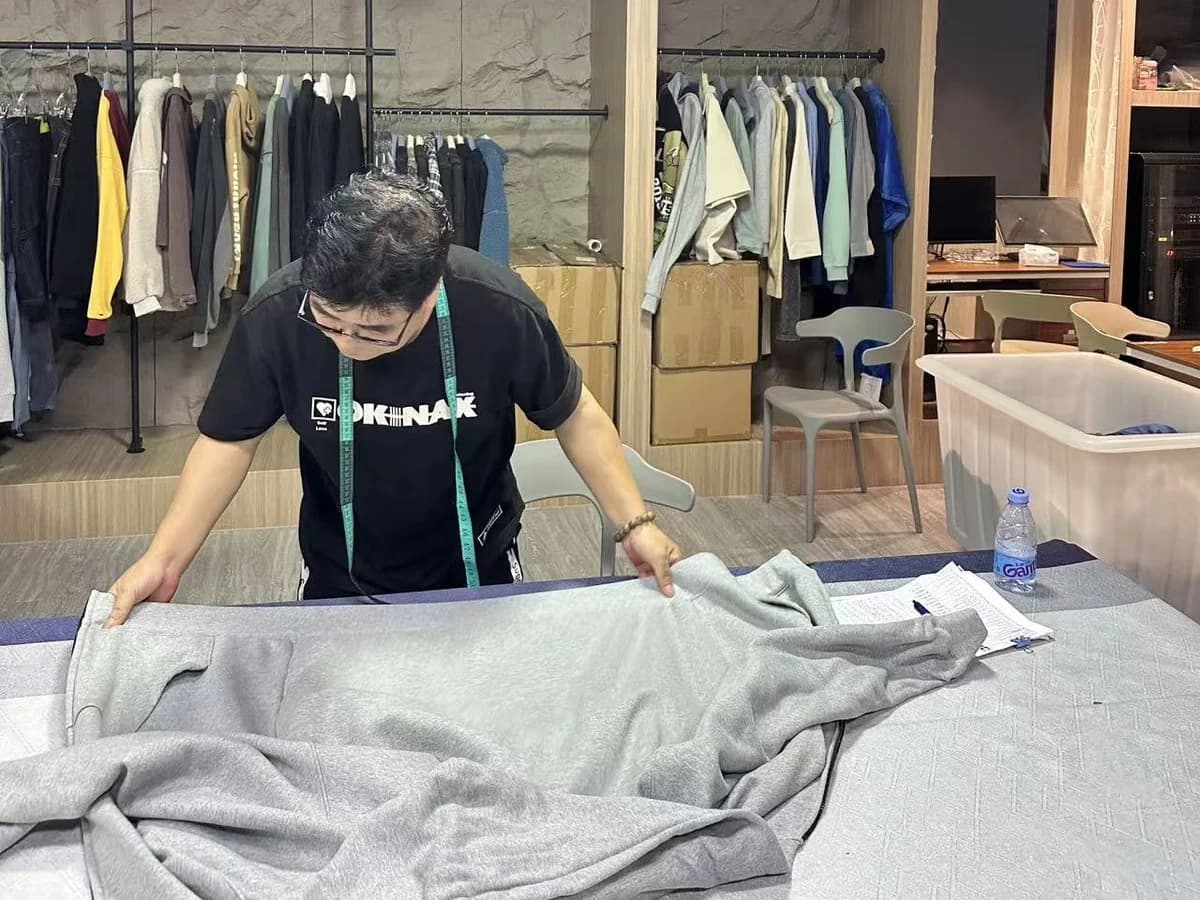
Streetwear fit is often part of the product identity. Oversized, boxy, cropped, dropped-shoulder and wide-leg descriptions still need measurable proportions. Ask who develops or adjusts the pattern, how measurements are documented, how grading is handled and how sample comments are transferred into the next revision.
A strong-looking sample in one size is not enough if the brand cannot confirm the measurement specification and understand how the silhouette will behave across the size range.
5. Are the Required Decorations and Washes Normal Work for the Supplier?
Screen print, puff print, embroidery, appliqué, distressing, pigment dye, garment wash and other effects interact with the selected fabric and construction. Ask whether the supplier manages the technique internally or through a specialist partner, which tests or samples are required and what variation should be expected.
Provide artwork size, placement, color information and target hand feel before quotation. Compare the proposed method with a practical guide to garment techniques and approve it on the actual production-intent garment.
6. Is the Sampling Process Clear Before You Pay?
The sampling quotation should explain what is included, which inputs are required, the expected sequence, how feedback is submitted and what happens when a revision changes the pattern, fabric or technique. Ask whether the first sample is intended to evaluate fit, construction, material direction, visual details or all of these together.
Most importantly, define the approval reference. Bulk production should not begin from scattered messages or an early sample that still contains unresolved details. The approved sample and confirmed specifications should form one controlled reference.
KAOUYOU timing: Typical sample development takes 7-12 days. Bulk production typically takes 20-25 days after the product specifications, materials and order details are confirmed.
7. Are MOQ and Price Based on the Same Specification?
MOQ should be stated by style and color, not only as a total order quantity. KAOUYOU's minimum is 100 pieces per style and color for all projects. Buyers should still confirm whether the quotation is based on the same fabric, trims, techniques, labels and packaging when comparing suppliers.
When comparing quotations, align the fabric, width or yield assumptions, labels, packaging, techniques, testing, sample charges, shipping terms and quantity breakdown. The cheapest quotation is not cheaper if it excludes work that another supplier has included.
8. What Connects the Approved Sample to Bulk Quality Control?
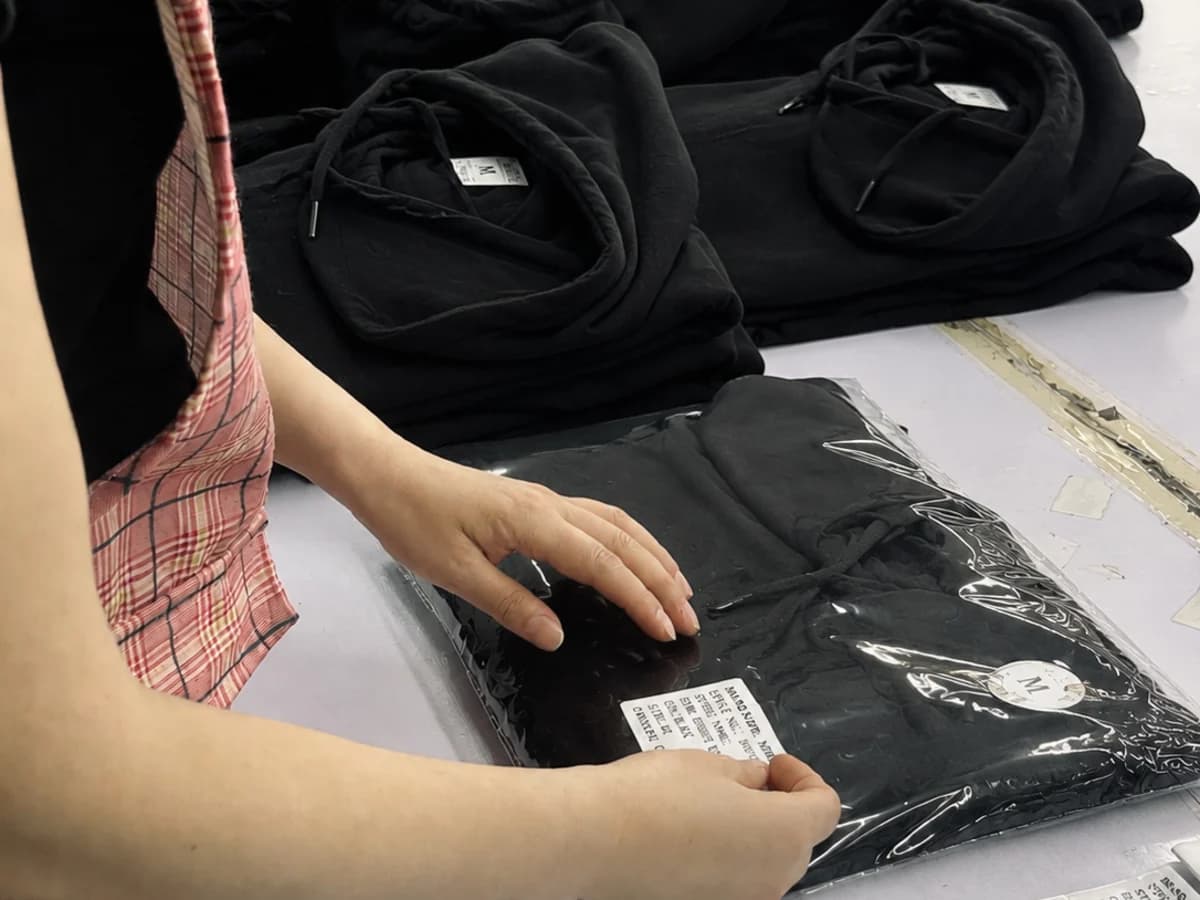
Ask how the supplier carries approved information into pre-production, in-process checks and final inspection. A credible quality process should identify the reference sample, measurement requirements, materials, colors, construction, technique placement, trims and packing details before production begins.
The buyer should also know what inspection evidence will be available and whether independent inspection can be arranged. A documented quality-control process is more useful than a general promise that quality will be good.
KAOUYOU can provide BSCI and WCA social-compliance audit documentation. Buyers may also discuss product testing requirements and independent third-party inspection before the order is confirmed.
9. Does Communication Create Controlled Decisions?
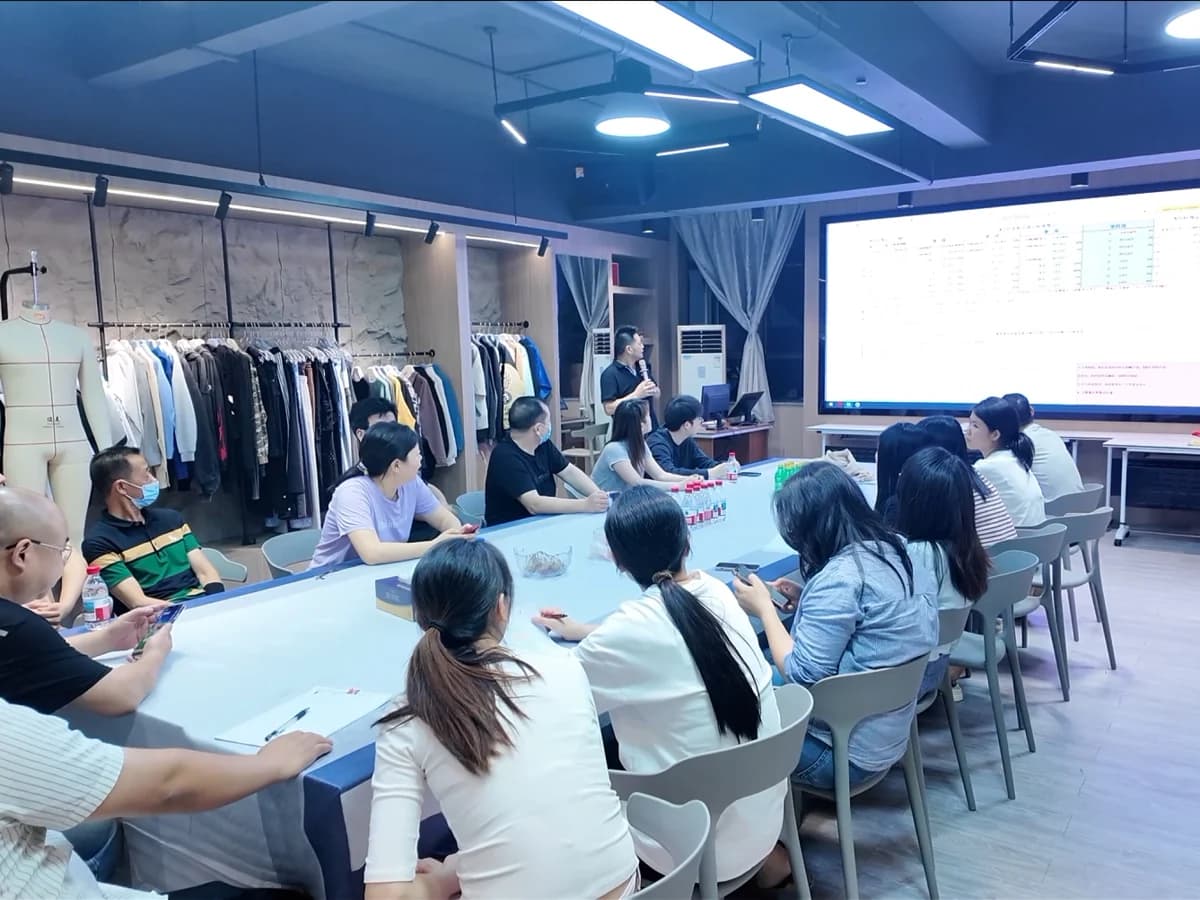
Fast replies are helpful, but communication quality is measured by whether decisions remain clear. Look for organized questions, written summaries, consolidated sample comments, confirmed changes and realistic explanations when a request affects cost, timing or feasibility.
Warning signs include agreeing to every request without technical questions, changing important details only in chat messages, sending quotations with unclear assumptions and proceeding before the brand has approved the required reference.
10. Can the Manufacturer Support the Order After the First Sample?
A good first sample proves development progress, not the complete production system. Ask how the supplier plans materials, transfers approved information, coordinates specialist processes, monitors production and prepares the order for final review and delivery.
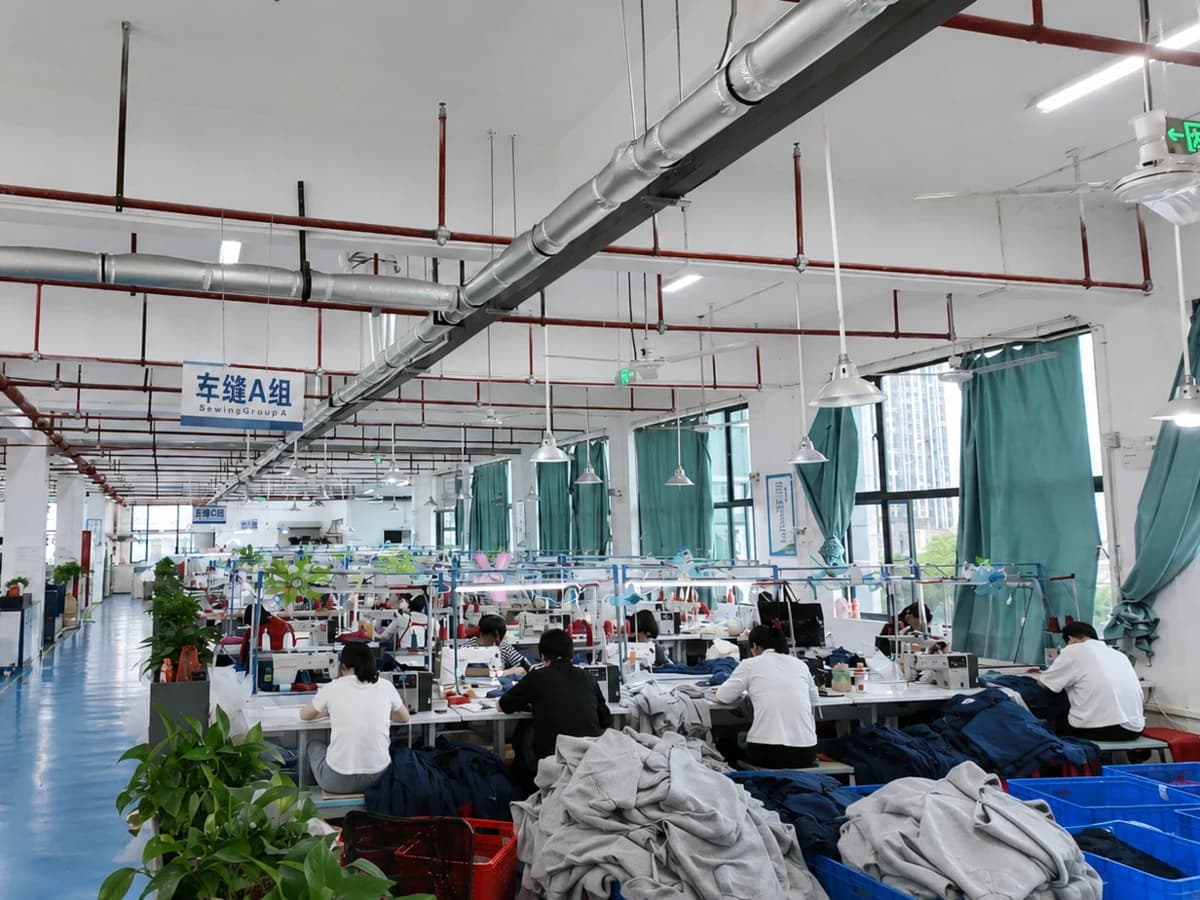
Where possible, review the real facilities, roles and production flow. KAOUYOU's factory and production overview shows how development, coordination, production, finishing and final review can be connected around approved requirements.
Evidence to Request Before Placing a Bulk Order
| Evidence | What it should clarify | Why it matters |
|---|---|---|
| Relevant product samples | Category, fabric, fit, construction and technique experience | Shows whether the requested work is familiar |
| Written quotation | Specification, quantity, inclusions, exclusions and trade terms | Makes supplier comparisons more accurate |
| Sample plan | Inputs, stages, revision responsibility and approval points | Prevents unclear development expectations |
| Approved sample + spec | The controlled reference for bulk production | Connects design intent to repeatable production |
| Quality plan | Pre-production, in-process and final checks | Shows how problems are identified before shipment |
| Company and facility evidence | Who manages development, production and delivery | Supports supplier due diligence |
Red Flags That Deserve a Second Look
- The quotation does not state fabric composition, weight or construction.
- The supplier promises exact results without reviewing a reference, tech pack or sample.
- There is no clear distinction between an early development sample and the approved bulk reference.
- Sample feedback is accepted through scattered messages without a consolidated revision record.
- MOQ, timing or price changes repeatedly without an explanation of the underlying constraint.
- The supplier cannot explain how outsourced printing, washing or embroidery is controlled.
- Bulk production is requested before measurements, materials, colors, techniques and packing are confirmed.
- The manufacturer avoids reasonable requests for company, facility or quality-process evidence.
A Simple Manufacturer Comparison Process
- Step 1 - Create one project brief and send the same core information to each shortlisted supplier.
- Step 2 - Remove suppliers whose normal capabilities do not match the product category or required techniques.
- Step 3 - Compare quotations only after aligning specification, quantity, inclusions and commercial terms.
- Step 4 - Commission samples from the strongest candidates and review fit, fabric, construction, technique and communication.
- Step 5 - Ask how the approved sample and specifications will control bulk production and inspection.
- Step 6 - Choose the supplier with the best evidence-adjusted fit for the project, not simply the lowest initial price.
Frequently Asked Questions
What is KAOUYOU's MOQ for a streetwear order?
KAOUYOU's minimum order quantity is 100 pieces per style and color. The final quotation still depends on the confirmed fabric, construction, techniques, labels, packaging and quantity breakdown.
How long do sampling and bulk production take?
Typical sample development takes 7-12 days. Bulk production typically takes 20-25 days after the product specifications, materials and order details are confirmed.
Should I choose a specialist streetwear factory?
Choose a supplier with relevant product and process experience. The important question is whether its normal work matches your intended garments, materials, fits, washes and decorations.
Do I need a complete tech pack before contacting a manufacturer?
A complete tech pack improves quotation and sampling accuracy, but some manufacturers can begin from sketches, references or a physical sample. Confirm which specifications still need development and who is responsible for them.
What should be approved before bulk production?
At minimum, approve the intended garment sample, measurements, materials, colors, construction, techniques, labels, packing requirements and the agreed quality or inspection references.