GSM is one of the first numbers clothing brands ask about when sourcing a T-shirt. It is useful, but it is easy to overvalue. Two fabrics with the same GSM can feel, drape and perform very differently.
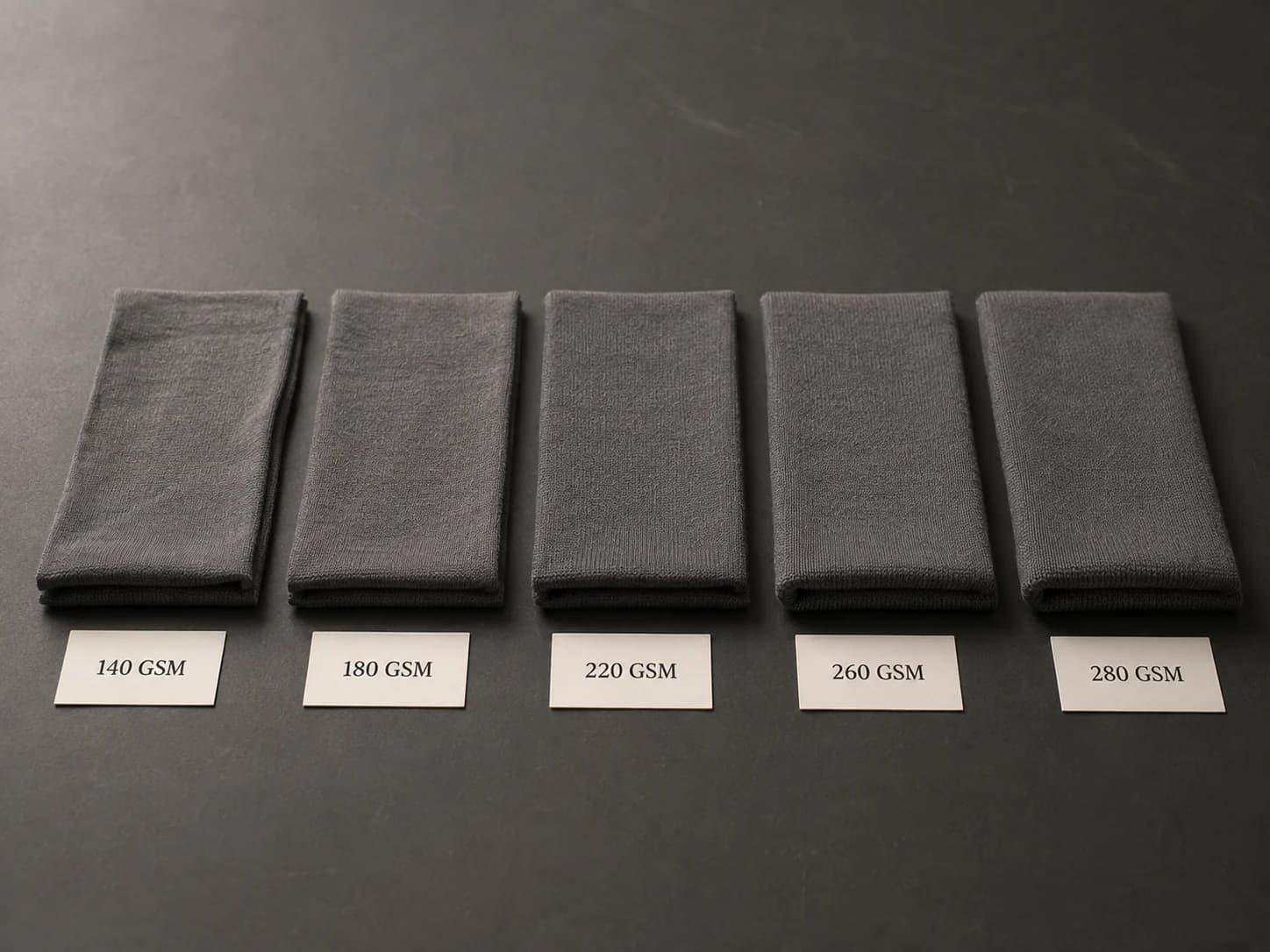
At KAOUYOU, common custom T-shirt programs generally fall between 140 and 280 GSM. Streetwear clients often work within approximately 220 to 260 GSM, but the right choice depends on the customer, climate, silhouette, fiber, finishing, decoration and wash expectations.
Key takeaways
- GSM is a fabric-mass reference, not a complete quality score.
- The same GSM can feel different because of yarn, knitting and finishing.
- Finished fabric and the washed garment are more useful approval references than greige weight alone.
- Fabric, fit, neck rib and decoration should be approved as one product system.
What does GSM mean in T-shirt fabric?
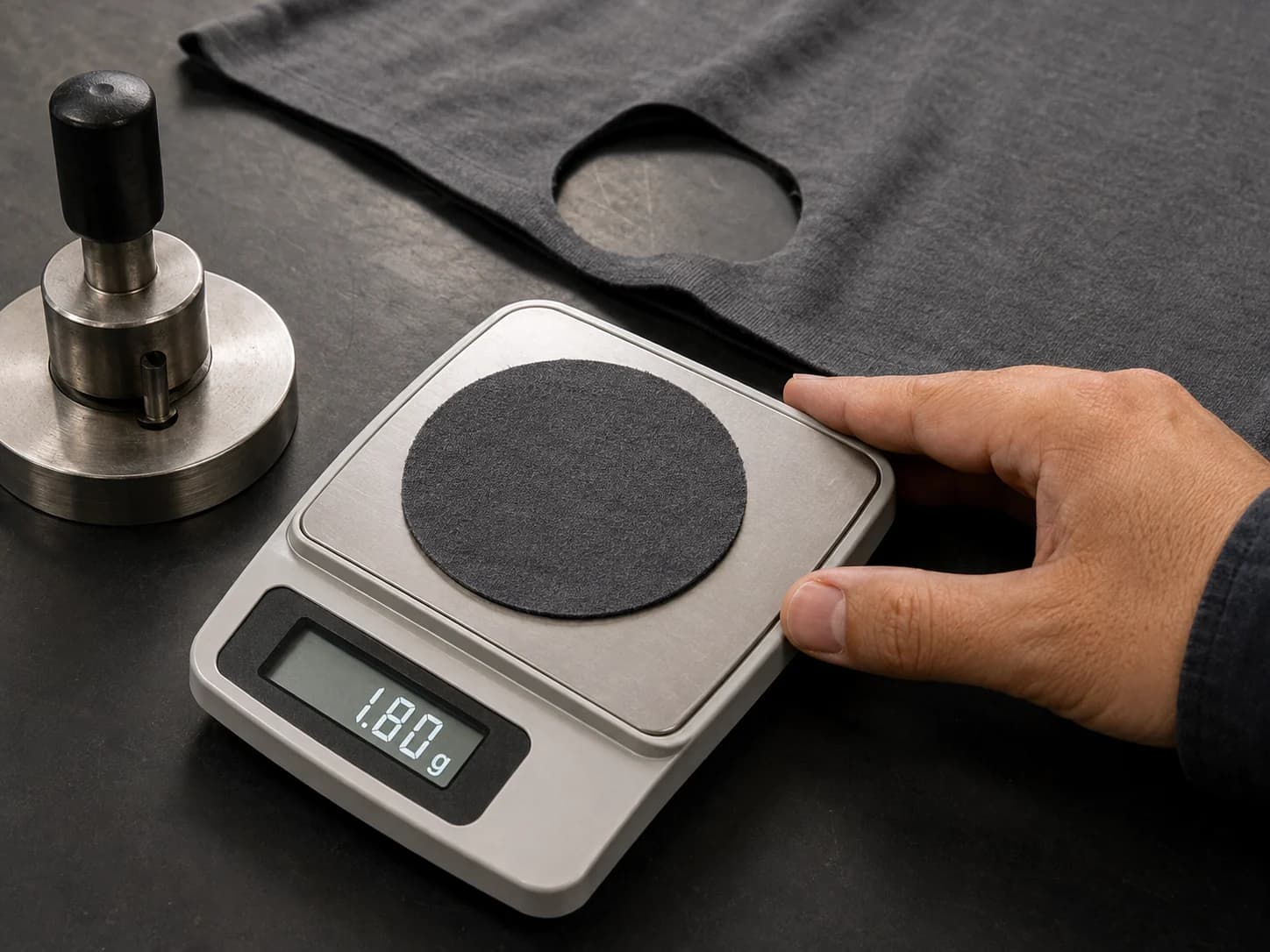
GSM means grams per square metre. It describes the mass of a fabric over a fixed area. A higher number generally indicates more fabric mass, but it does not automatically describe thickness, softness, density, breathability, stability or durability.
Read GSM together with yarn, knitting construction, fiber content, finishing and final garment measurements.
A practical starting range
These ranges are starting points for product discussions, not universal quality grades.
| Nominal GSM | General direction | Still confirm |
|---|---|---|
| 140–180 | Lighter, more fluid | Opacity, drape, shrinkage and decoration support |
| 180–220 | Balanced everyday weight | Hand feel, density, collar and wash stability |
| 220–260 | Common streetwear range | Fit block, rib recovery, finishing and print hand |
| 260–280 | Heavier, structured weight | Pattern balance, seam bulk, climate and wash result |
Fabric composition changes the result
A GSM number only becomes useful when the fiber and construction are known. Common T-shirt directions include:
- 100% cotton single jersey
- Combed ring-spun cotton
- Carded or open-end cotton
- 60% cotton / 40% polyester
- 65% polyester / 35% cotton
- Cotton-spandex single jersey
- Polyester performance fabrics
Nine factory-side checks brands often miss
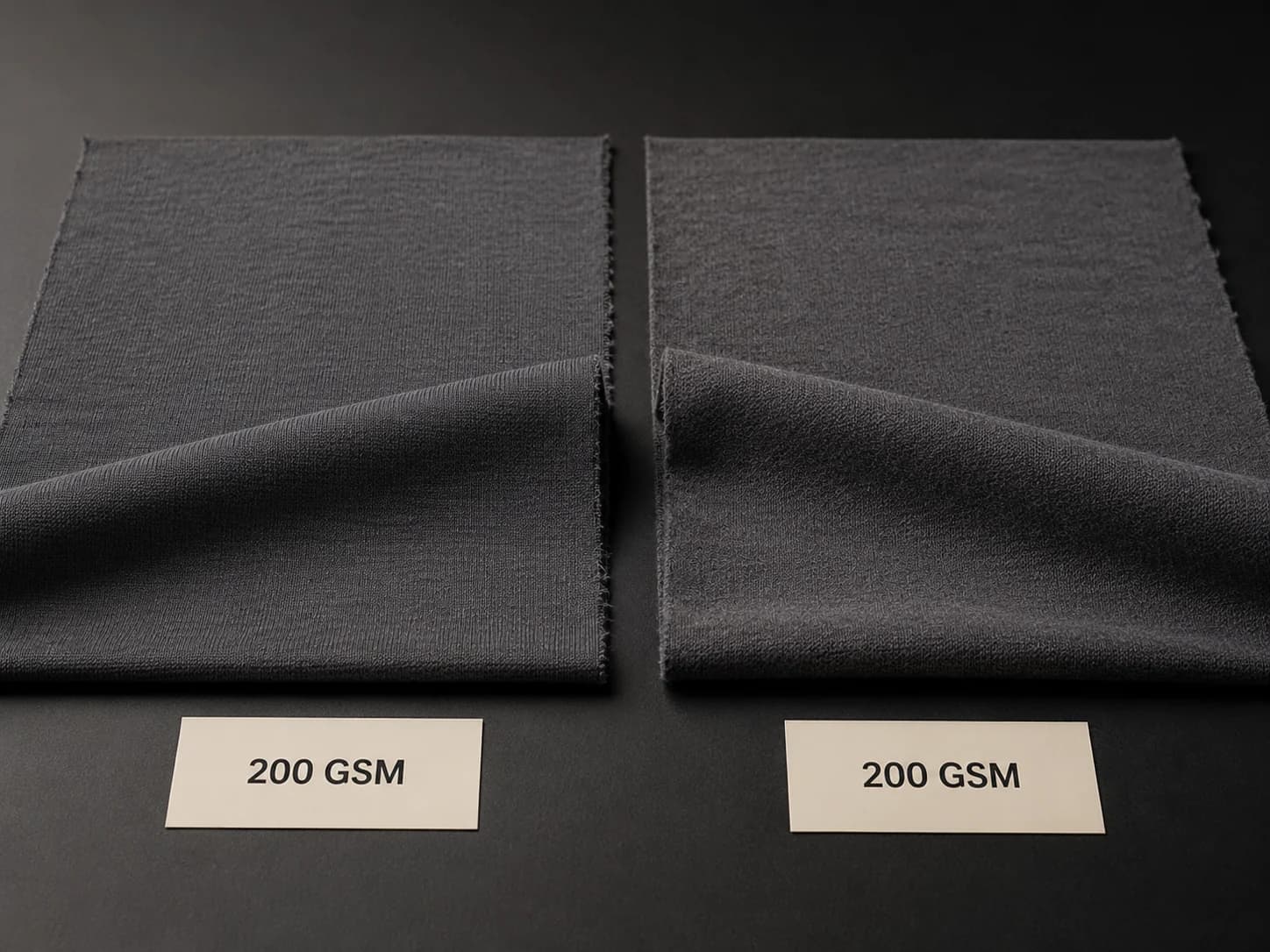
1. The same GSM can feel completely different
Fabric hand and apparent thickness also depend on yarn count, yarn type, machine gauge, loop length, density, fiber composition, dyeing method, stenter width, calendering, brushing, enzyme washing and softening.
Compare the actual swatch and finished garment, not only the specification line.
2. Ask whether the number is greige, finished or garment GSM
The commercial specification should state which production stage is approved and how it will be checked.
3. Color can change weight and hand feel
White, black and heather versions may not feel identical. Dark shades can use different dye loads; heather fabrics often use mixed-color yarns; garment dyeing can change surface, shrinkage and final hand. Review important colorways as production materials.
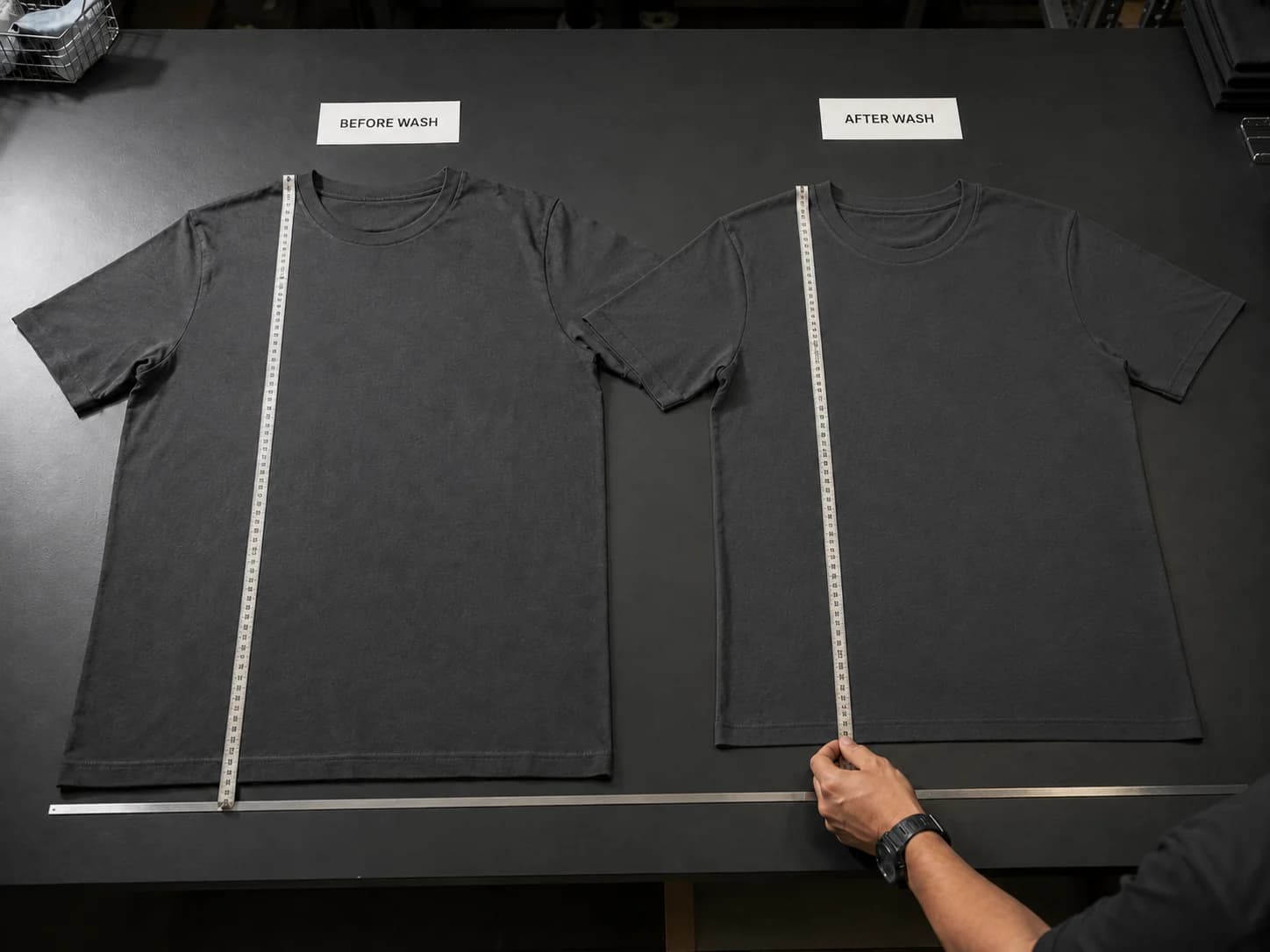
4. Shrinkage and spirality matter more than a 10 GSM difference
Consumers may not identify 190 versus 200 GSM, but they notice a shorter body, twisted side seam, uneven hem, wavy neckline or asymmetrical sleeves immediately.
5. Heavyweight quality also depends on the fit
Changing from 180 to 260 GSM does not automatically create a premium streetwear product. Heavier fabric changes drape and silhouette. Body length, chest, shoulder width, sleeve shape, neck opening and rib should be developed on the target fabric.
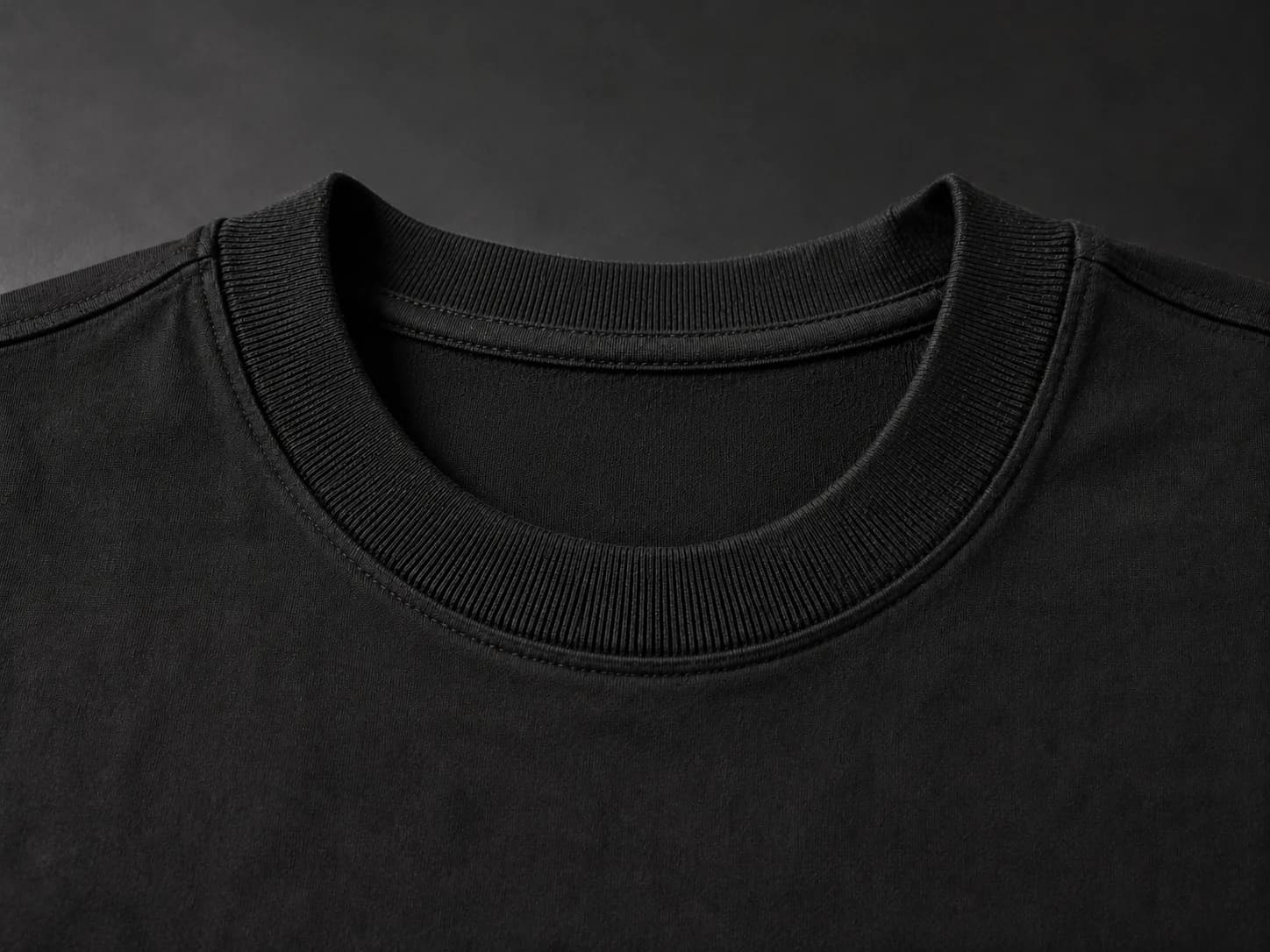
6. The neck rib must match the body weight
A common failure is pairing a 240–280 GSM body with a thin rib that lacks recovery. Confirm rib weight, composition, neckline width, stretch ratio, recovery, sewing flatness and post-wash appearance as one system.
7. Decoration should influence the GSM decision
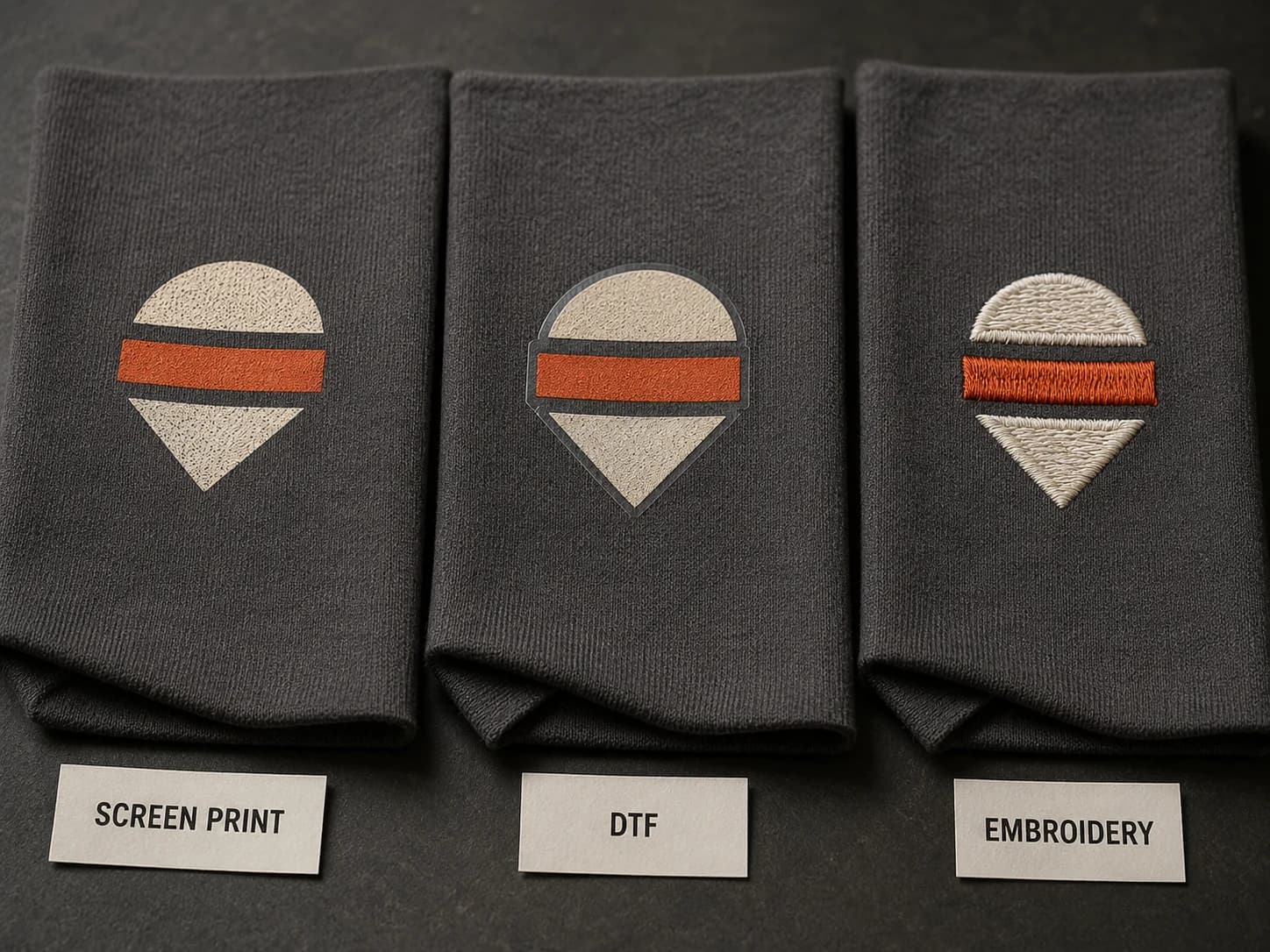
Discuss the printing or decoration plan before fabric approval. Large screen prints affect surface hand, embroidery needs stability, and heat-applied processes require compatible fabric and finishing. Approve the decoration on the production-intent fabric.
8. Cost is not determined by GSM alone
Yarn, fiber, usable width, dyeing, finishing, garment wash, yield, rib, decoration, trims, testing and quantity all affect cost. Compare quotations only after specifications are aligned.
9. Do not approve only a hand-feel swatch
Before bulk production, approve a production-intent garment after the agreed care or wash process. Check measurements, spirality, neckline recovery, sleeve balance, surface, decoration, seam puckering and final silhouette.
If you have a reference garment, send it with the tech pack and explain which characteristics must be matched: weight, hand feel, fit, wash effect, collar, decoration or all of them.
A simple GSM decision process
- Define the customer, climate, silhouette and retail position.
- Choose composition and knitting direction before locking the number.
- Review physical swatches across a sensible GSM range.
- Develop the pattern, collar and decoration on the chosen fabric.
- Wash and measure the complete sample using an agreed method.
- Approve fabric, garment measurements, rib, color and decoration together.
Frequently asked questions
What is the best GSM for a premium T-shirt?
There is no universal number. Premium quality depends on construction, fiber, finish, fit, collar, sewing and wash performance. A well-developed 220 GSM garment can outperform a poorly matched 260 GSM garment.
Is 220–260 GSM suitable for streetwear?
It is a common working range for many KAOUYOU streetwear clients when a heavier hand and structured silhouette are intended. Final approval still requires fabric and garment sampling.
Should I specify greige GSM or finished GSM?
Clarify both when relevant, but finished fabric and the washed garment condition are normally more useful for buyer approval. Record the production stage and checking method in the specification.
Can two colors feel slightly different?
Yes. Dyeing, heather-yarn composition and garment finishing can create small differences. Review important colorways using production-intent materials.
Does higher GSM always mean better durability?
No. Durability also depends on yarn, knitting density, finishing, construction, seam quality, care and end use.