A clothing sample can take three days to sew or several weeks to reach the brand. Both statements can be true because “sampling time” is often used for three different periods: waiting for decisions, making the sample and shipping it internationally.
KAOUYOU normally advises a 7–12-day factory production window for a custom sample once the information is complete and the sample fee is received. A straightforward T-shirt can be faster; an outerwear style, special material or decorated garment can take longer. This guide shows how to build a realistic calendar.
Key takeaways
- The production clock starts only after required information is complete and the sample fee is received.
- With materials ready and no decoration, a basic T-shirt may take about 3 days, a hoodie 3–5, pants 5–7 and a jacket about 12.
- Printing, embroidery, washing or another specialist process commonly adds about 3–7 days.
- DHL or UPS delivery is separate and commonly requires another 5–7 days.
When Does the Sampling Clock Start?
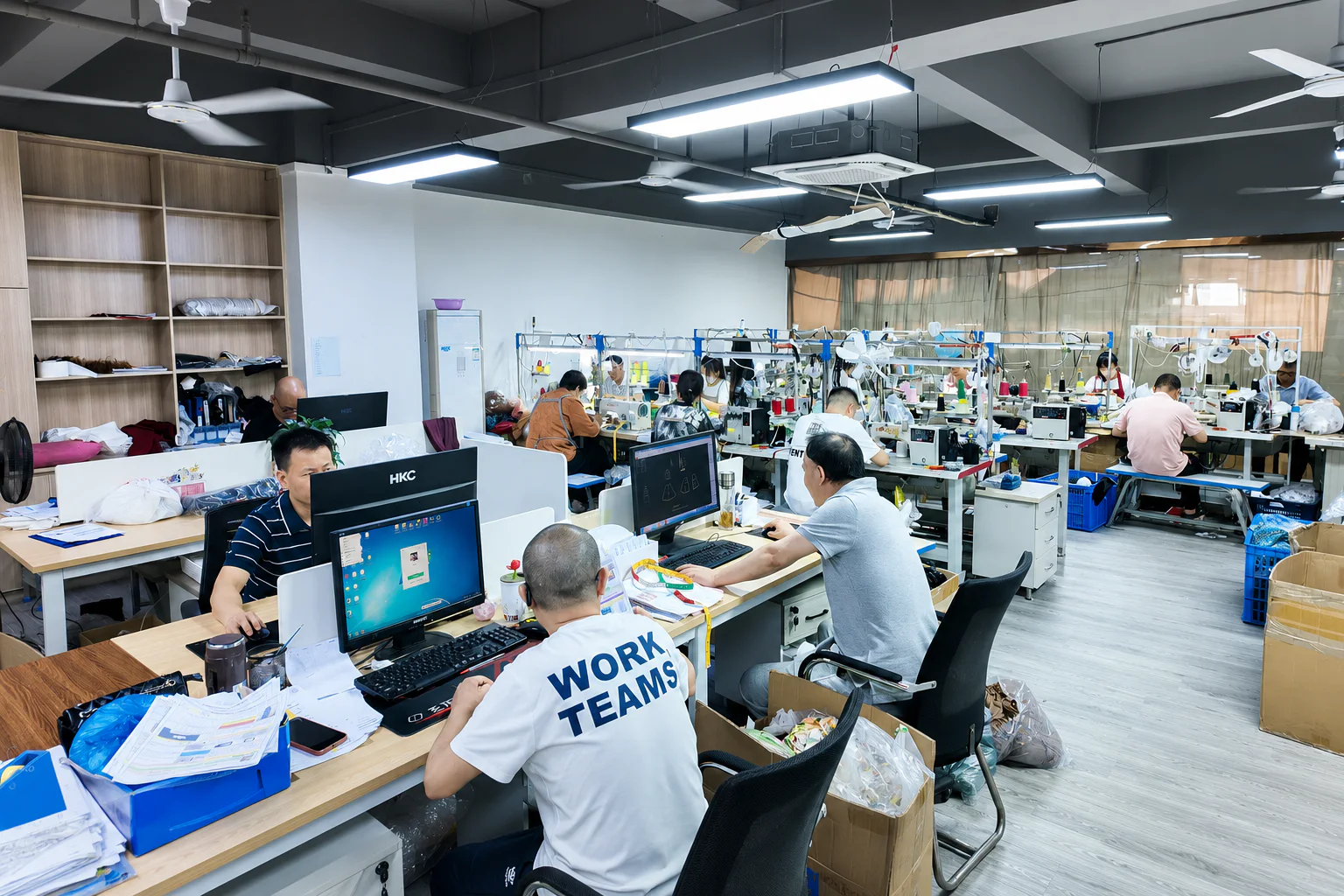
It does not start with the first email, reference image or quotation request. The start point is when KAOUYOU has the information required to release the sample and the agreed sample fee has been received.
At minimum, the working file normally needs a clear style direction, base-size measurements, fabric and color direction, and production-ready artwork for any print or embroidery. Our clothing tech pack checklist explains these inputs in detail.
Total time to receive a sample = information and payment lead time + material preparation + factory sampling + decoration or washing + courier transit.
If the brand has not confirmed a fabric, color or artwork decision, production pauses. The factory should not cut material or execute a technique while the controlling decision is still open.
Typical Sample Time by Garment Type
The following KAOUYOU references assume the specification is ready, the required fabric and standard trims are available for sampling, and the garment does not require printing, embroidery, dyeing or specialist washing.
| Garment | Indicative factory time | Working assumption |
|---|---|---|
| Basic T-shirt | About 3 days | Fabric and specifications ready; no print, embroidery or wash |
| Hoodie or sweatshirt | About 3–5 days | Standard construction; required fabric and trims ready |
| Pants | About 5–7 days | Standard construction without specialist finishing |
| Jacket or outerwear | About 12 days | Base garment only; complexity and components may extend the schedule |
These figures are working references, not automatic promises. A cargo pant with several pockets, a lined jacket or a hoodie with a complicated panel structure should not be scheduled like a basic garment in the same product category.
What Happens During Factory Sampling?
- Cutting and sewing
The garment is assembled internally. Once materials and specifications are ready, this stage can move relatively quickly. - Decoration or washing
Printing, embroidery, dyeing or washing follows the approved artwork and effect direction. - Internal review
The sample is measured and checked against the current documents before release. - Client review
Measurements and photos are normally shared; video can be supplied when requested. - Courier handoff
The approved outgoing sample is packed for DHL, UPS or the agreed carrier.
Material preparation and specialist techniques often consume more calendar time than internal pattern, cutting and sewing. Once the correct material and instructions are at the sample room, the internal stages can move quickly.
Fabric Availability Can Change the Start Date
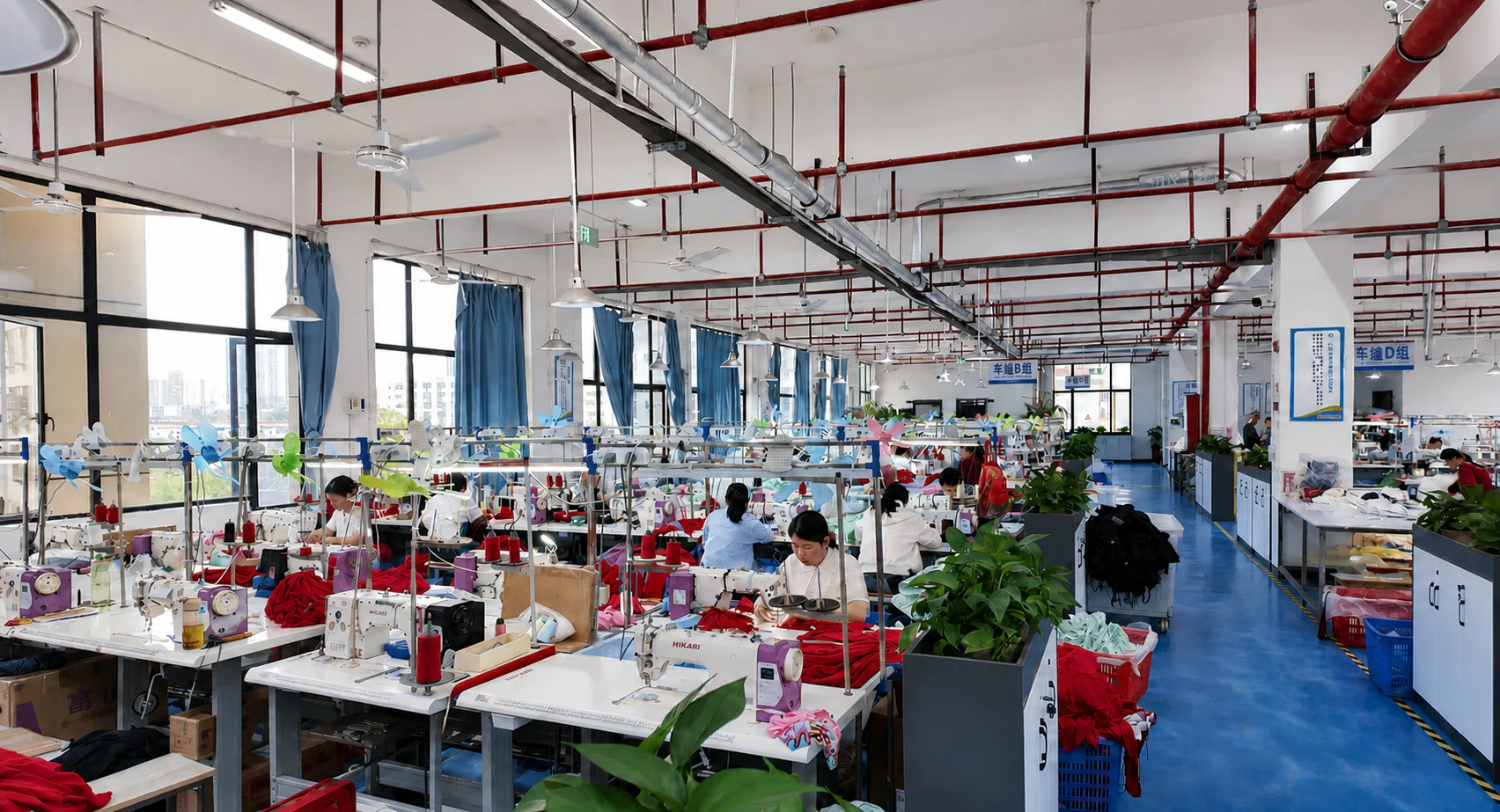
Transferring or sourcing a suitable available fabric commonly adds about 2–3 days compared with having the approved sample material ready. For a straightforward custom-fabric direction, allow approximately 7 days for the material stage before the same pattern and sewing work proceeds.
A written specification cannot replace physical confirmation. If the brand is choosing between swatches, waiting for a color decision or changing the material after pattern work begins, the calendar must be updated rather than forcing the original delivery date.
How Much Time Do Printing, Embroidery and Washing Add?
A decorated garment usually moves through another specialist production queue. Across printing, embroidery and common wash development, the method itself is not the only factor; factory workload and season also influence when the job can enter production.
| Development route | Planning allowance | Main condition |
|---|---|---|
| Faster route | About 3–5 additional days | Artwork and method are clear, capacity is available and no unusual development is required |
| Slower route | About 5–7 additional days | Busy season, heavier workload, complex effect or additional technique confirmation |
| Custom hardware or zipper | Allow about 7 days for the component stage | Supplier development or procurement is required before garment completion |
If only the decoration effect is uncertain, a strike-off or small technique sample may be more efficient than remaking the complete garment. This can confirm color, density, hand or placement direction without paying for another full sample unnecessarily.
First Sample, Revision Sample and Pre-Production Sample
One to three rounds are common. A revision sample generally requires a similar production window, although a simple pattern or measurement adjustment may save approximately 1–2 days.
For a small order and a minor, low-risk change, the client and factory may agree in writing to correct it before bulk production. Examples can include a small dimension adjustment or an approved technique correction confirmed through a separate strike-off. This is not a reason to bypass approval of changes that affect fit, proportion, material performance or the overall product.
The Calendar Pauses When Decisions Are Open
When a client has not approved the fabric, color, artwork or modification direction, KAOUYOU does not continue into the affected production stage. Waiting is not hidden factory production time; it is an open decision in the development calendar.
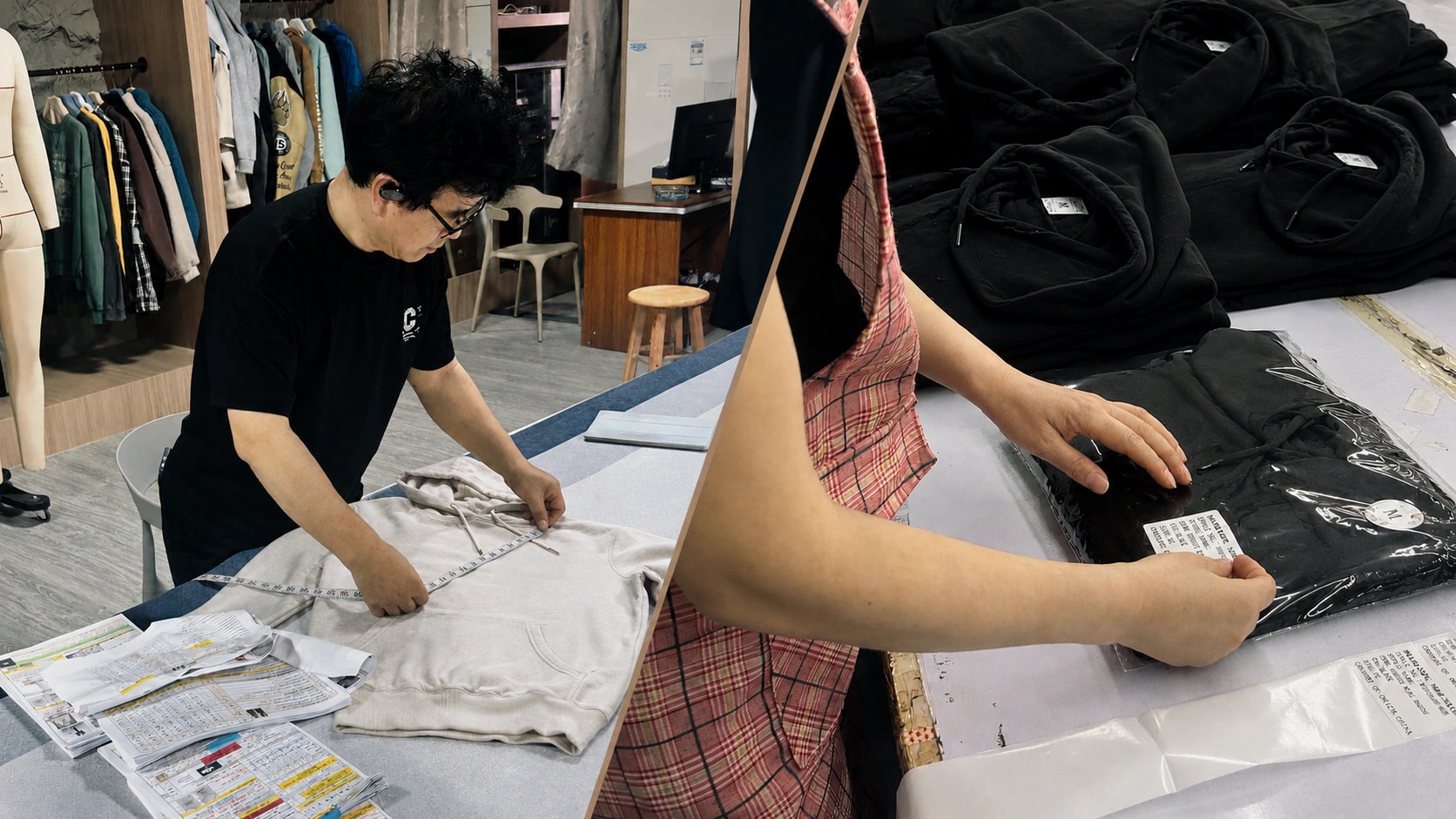
Before dispatch, we normally provide the sample measurement record and photographs. Video is less common but can be supplied when the client requests a moving view of fit, function, texture or a specific construction detail.
Factory Completion Is Not Customer Delivery
The factory lead time ends when the outgoing sample is complete and released. DHL or UPS delivery commonly needs approximately 5–7 additional days. Destination, remote-area service, customs inspection and local holidays can change the actual arrival date.
For example, a three-day basic T-shirt is not automatically in the client’s hands on day three. The realistic receipt timeline also includes any material preparation, outgoing confirmation and international courier transit.
Can a Brand Make Sampling Faster?
There is no reliable shortcut that removes every queue. A factory normally schedules pattern, sewing, material and technique work in order. Priority handling may be possible for an established or strategically important project, but it is not a standard lead-time promise.
The most effective improvement is preventing avoidable stops rather than compressing skilled work after it begins:
- Send one current tech pack rather than several conflicting versions.
- Confirm fabric direction, color and artwork before paying for an urgent sample.
- Reply to material and technique questions in one consolidated decision.
- Separate must-change issues from preferences that can be reviewed on the physical sample.
- Use a technique strike-off when only a print or embroidery effect needs confirmation.
- Add courier transit to the calendar instead of treating sample completion as delivery.
- Allow for one to three approval rounds when fit, materials or techniques are still being developed.
“Seven to twelve days” does not mean seven to twelve days from the first message to doorstep delivery. It describes a production window after the project is ready to start. Decision time and international shipping remain separate.
What Should a Brand Ask in a Sampling RFQ?
A useful sampling request asks how the supplier calculates time instead of asking only for the fastest possible date. Include the garment type, materials, decoration, target market and required arrival date, then ask:
- When does your quoted sampling lead time officially start?
- Does the estimate include fabric sourcing, custom trims and decoration?
- What is the production time for this specific garment and construction?
- How are revision samples and technique strike-offs scheduled?
- Which approvals would pause the sampling calendar?
- Is courier transit included, and which service will be used?
These questions give both sides a shared calendar and make quotations easier to compare. A supplier promising one number without defining its start point, scope and delivery method has not yet provided a usable timeline.
Frequently Asked Questions
Does the 7–12-day sampling period begin with the first inquiry?
No. KAOUYOU starts the production clock after the required information is complete and the sample fee has been received. Time spent waiting for drawings, measurements, fabric decisions, artwork or payment is not sampling production time.
Does the sampling lead time include international delivery?
No. The stated lead time is factory production time. DHL or UPS delivery commonly requires approximately 5–7 additional days, depending on destination and customs handling.
Can a basic T-shirt sample be completed faster than seven days?
Yes. With ready fabric, complete specifications and no decoration, a basic T-shirt sample can take about three days. Seven to twelve days is a safer planning window across varied custom garment projects, not a minimum for every style.
How many sample rounds are normal?
One to three rounds are common. The number depends on how developed the fit, fabric and technique are before the first sample and how substantial the requested revisions become.
Can KAOUYOU prioritize an urgent sample?
Priority may be possible for an established or strategically important project, but it should not be assumed. Factory sampling is normally scheduled in order across pattern, sewing, material and technique teams.