The clothing product development process turns a brand's idea into an approved garment that a factory can reproduce. At KAOUYOU, it starts by defining the product direction, closing the technical gaps and checking feasibility. It then moves through pattern development, material and technique sampling, the first garment, measured feedback and revisions. The design-development stage ends when the client approves the final sample; the product becomes ready for bulk only when the matching written standards are also confirmed.
This distinction matters. A visually approved garment can still create production risk if the factory has an old measurement chart, an unconfirmed fabric, conflicting artwork or an unfinished internal style sheet. Product development is therefore not only about making a sample. It is the controlled conversion of a creative direction into repeatable decisions.
The process in five points
- A Tech Pack is useful, but KAOUYOU can also start from a sample, images, a sketch, measurements, a swatch or a written idea.
- The client owns the creative direction; KAOUYOU translates it into a feasible pattern, materials, techniques and garment sample.
- The first sample is built to expose questions, not to appear automatically production-ready.
- Fabric, color, decoration, wash and trims can develop in parallel, but dependencies must be tested on the correct material.
- Final approval must connect the physical garment to one controlled set of production information.
What Does Clothing Product Development Mean?
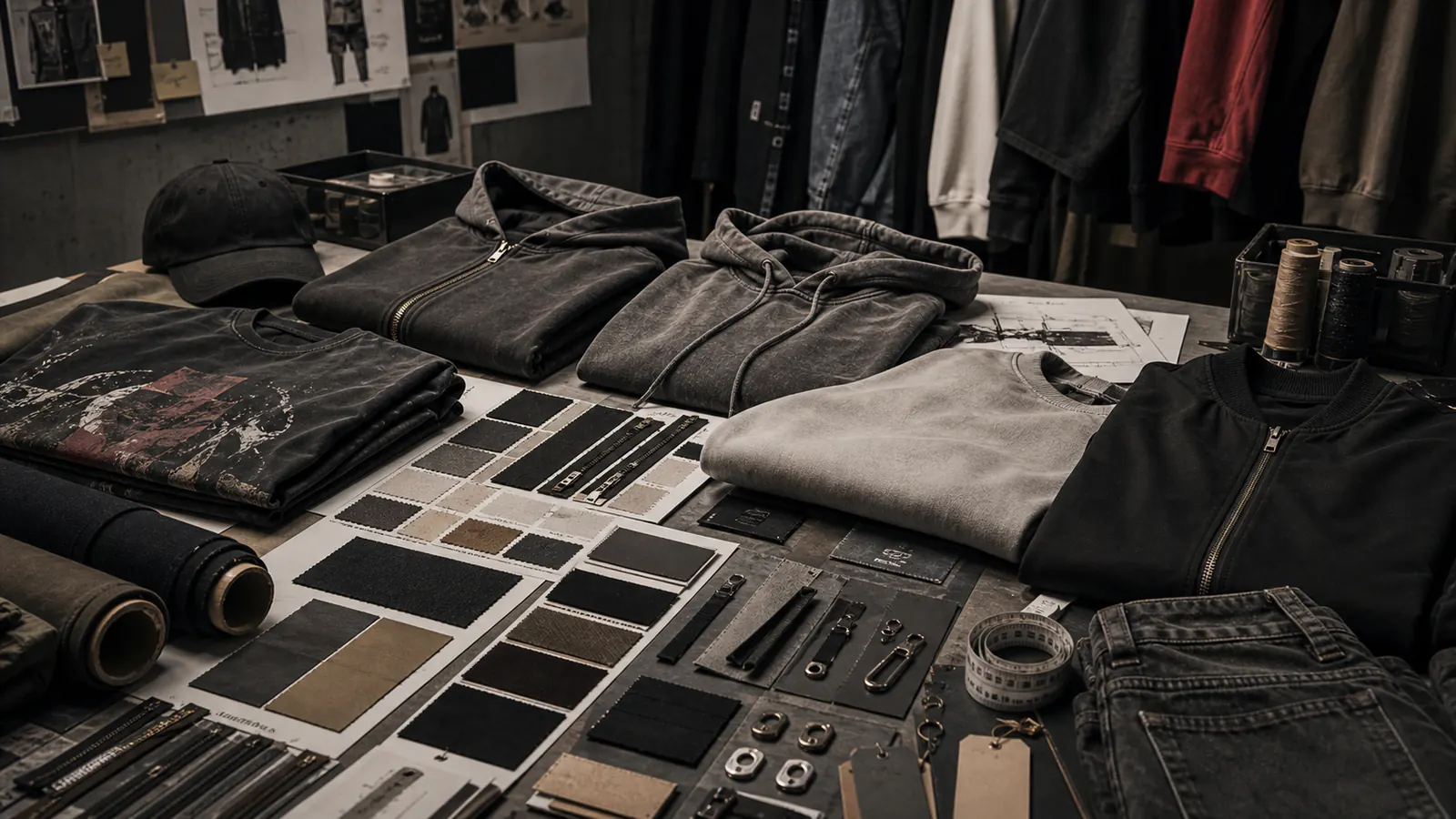
For a custom clothing brand, product development is the work between an initial concept and an approved, producible garment. The input may be detailed or incomplete. The output should be more than a good-looking sample: it should establish the shape, construction, measurements, material direction and applicable techniques clearly enough for both the client and factory to understand what has been approved.
KAOUYOU does not position this work as a complete original fashion-design service. The client remains responsible for the product idea, brand direction and final design decisions. KAOUYOU's role is to analyze the proposed garment, improve impractical construction, recommend materials and trims, develop the pattern, make the sample and select production methods that can be repeated in bulk.
Development complete: the client approves the final garment sample. Ready for bulk: the final measurements, fabric, color, techniques, trims, packing information and internal style sheet have been synchronized with that sample. One does not safely replace the other.
What Does a Brand Need to Start Clothing Development?
A complete clothing Tech Pack is the clearest starting point, but it is not the only valid input. KAOUYOU can evaluate a physical garment, reference images, sketches, a measurement chart, a fabric swatch or a written product concept. The less complete the input, the more decisions must be made before pattern cutting and sampling.
A client does not need to speak in factory terminology from the first message, but the overall direction cannot remain undefined. If the back view, pocket closure or internal finish is invisible in a reference photo, KAOUYOU lists the open question and proposes workable choices—for example zipper, snap or open pocket closure; binding, lining or standard overlock inside. Important structures are confirmed rather than silently guessed.
What prevents formal sampling from starting?
Conversation and feasibility review can begin from an idea alone. Formal sampling needs a basic structure, target fit, base size, principal fabric direction, color, major print, embroidery or wash requirements, key dimensions and the details the client considers non-negotiable. Logo files, final labels and packing can sometimes progress in parallel, provided they do not change the sample being developed.
When Do Feasibility Review and Quotation Happen?
KAOUYOU normally quotes before sampling after the client has clarified the fabric, size or fit, construction, techniques, estimated quantity and applicable branding or packing requirements. An image alone may support a cost direction, but a more reliable quotation requires information that determines material consumption, labor, supplier minimums and process setup.
The expected bulk quantity is already relevant at this stage. It affects whether custom knitting or dyeing is practical, whether custom zippers and hardware can be sourced, how label and packing minimums will be handled, how screen setup is distributed and whether a wash or dye process fits a normal production batch. For a smaller order, available fabrics, standard trims and stable techniques are often more workable.
What can fail a feasibility review?
- A structure that cannot be repeated consistently
- Fabric or trims without stable supply
- A supplier MOQ far above the intended order
- A technique cost that conflicts with the product position
- A wash or dye effect with unacceptable batch variation
- A fabric that cannot support the intended silhouette
- A process likely to cause damage, distortion or a wear-related risk
The useful outcome is not simply “yes” or “no.” When possible, KAOUYOU proposes a nearby material, construction or technique that preserves the design direction while making production more reliable.
What Is the Clothing Product Development Process From Idea to Sample?
The stages are connected but not always strictly sequential. While the pattern maker works on the base pattern, purchasing can search for fabric, a Lab Dip can begin, embroidery can be digitized and a label supplier can prepare artwork. Parallel work shortens waiting time only when the dependencies are understood. An embroidery approved on an unrelated thin fabric, for example, still needs confirmation on the correct production-intent material when thickness changes the stitch result.
How Does KAOUYOU Turn a Reference Into a First Sample?
Business, design and pattern teams first break the reference into a garment structure. They review silhouette, front and back panels, neckline, sleeve, pocket and hem construction, seam and topstitch methods, material thickness and stretch, zippers, buttons and labels, decoration, washing and likely production difficulty. A physical reference reveals more than a photograph; hidden or unclear details from an image are returned to the client as decisions.
If no size chart exists, KAOUYOU first considers the target market, wearer and style direction, then proposes a base size using relevant market experience. The client can strengthen that starting point by sending a well-fitting reference garment, key finished measurements, fit-model details or a target brand-size direction. Factory suggestions begin the pattern—they do not replace physical client fit approval.
After the pattern is prepared, the designer reviews its structure, proportion and design details, while the business team checks it against the client's information. Base-size measurements, material, decoration position, pockets, neckline, sleeves and unresolved questions are reviewed before the sample room begins.
What should the first sample prove?
- Whether the proposed construction can be made reliably
- Overall silhouette, balance and proportion
- Base-size and other critical garment measurements
- How the selected sample fabric supports the intended shape
- Decoration scale, position and visual balance
- The direction of washing, dyeing or other special effects
- New production risks revealed only after the garment becomes physical
The first garment is not expected to be perfect. Its job is to reveal where a two-dimensional instruction behaves differently in material and construction. Before shipment, KAOUYOU checks the appearance, critical measurements, structure, fabric, color, hand feel, decoration, wash and sewing. Substitute materials, unfinished items and decisions still required from the client are recorded in the internal style sheet and, when useful, with photographs.
How Should a Brand Review and Revise a Clothing Sample?
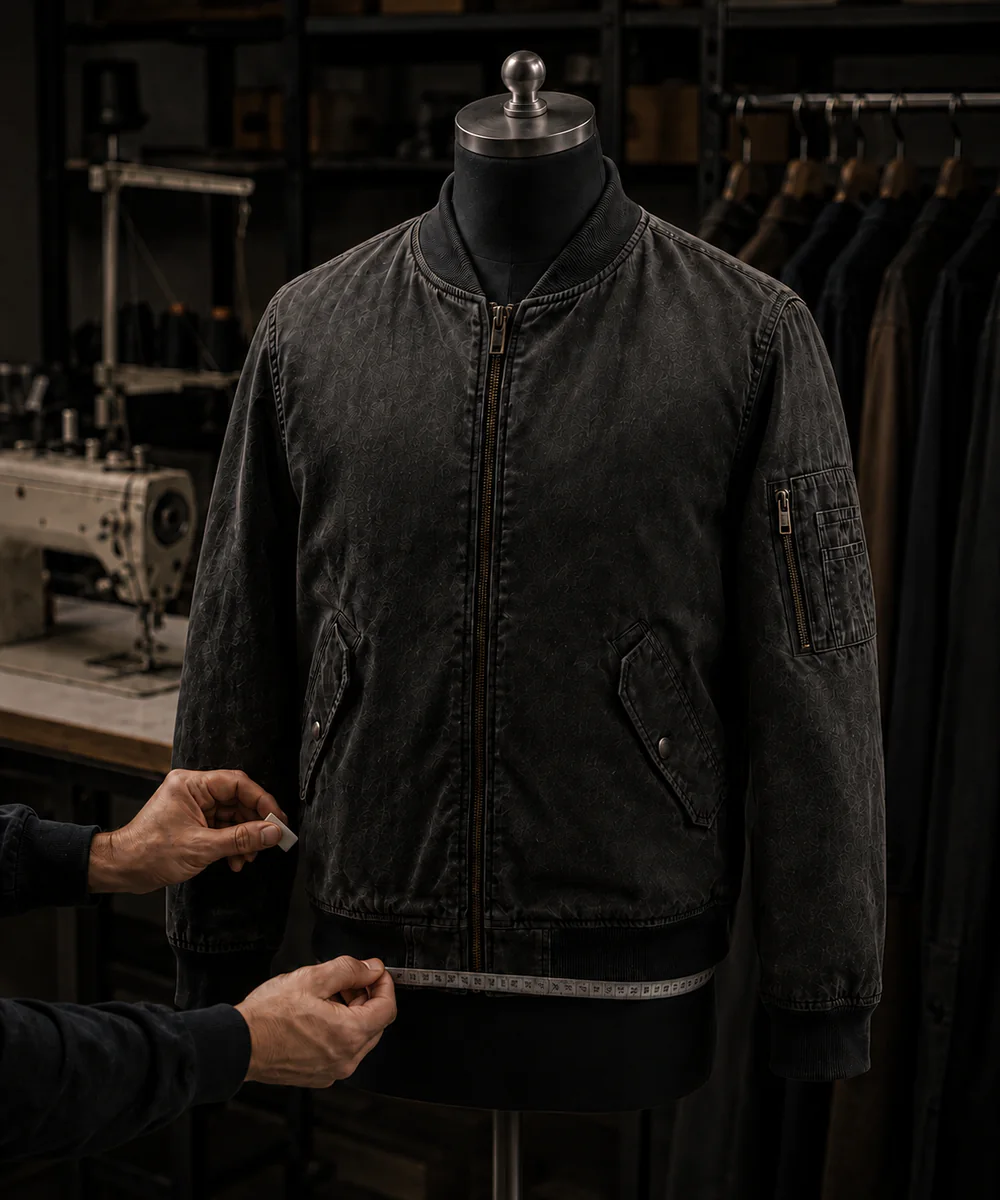
Useful feedback identifies the location, current problem, intended change and controlling version. KAOUYOU recommends one consolidated comment file supported by marked photographs and an updated measurement chart. The client should state how much a dimension changes, where an artwork moves, which details stay unchanged and which file supersedes the previous version.
Messages and email can still be used. KAOUYOU's business team organizes and translates the comments into instructions the pattern and sample teams can execute. Consolidation matters because two individually reasonable comments can conflict when they arrive in different threads or refer to different sample versions.
Who is responsible for a sample correction?
The previous confirmed file and sample record provide the baseline. If KAOUYOU fails to follow a confirmed measurement, structure or technique, it is an execution error and the factory is responsible for correcting it. If the sample follows the confirmed information but the client changes the silhouette, measurements, fabric or design after seeing the garment, it is a design change and another sample is normally chargeable.
There is no useful fixed promise for the number of rounds. A stage can advance when its important issues have been resolved. Clear inputs and one consolidated response help avoid unnecessary repetition; a new creative direction legitimately reopens development.
How Do Fabric, Color and Technique Samples Fit Into the Process?
KAOUYOU commonly develops several workstreams together: fabric sourcing while the pattern is prepared, Lab Dips during the first sample, print or embroidery trials during fit revisions, wash trials for the effect direction, and custom labels or trims as the design stabilizes. The aim is to reduce idle time without pretending that provisional tests equal final approval.
The first garment can use available or approved substitute fabric to test structure and basic fit. KAOUYOU rarely uses a materially different substitute. When the formal fabric changes GSM, thickness, stretch, recovery, drape, rigidity, loft, shrinkage, skew or decoration behavior enough to alter the garment, the full sample should normally be made again. A color-only change with equivalent physical performance can be evaluated project by project.
Important issues for the current stage should close before the project advances. Color, labels or packing may continue alongside fit work, but they must be complete before the applicable PP Sample or bulk release. A decision that changes the pattern, cost or production method cannot remain open indefinitely.
What Does an Approved Clothing Sample Actually Approve?
A one-word approval is too ambiguous for production control. The written record should identify what the client accepted and whether any action remains. KAOUYOU then connects the final physical garment or production sample to the corresponding internal style sheet and production information.
- Final style and silhouette
- Final measurement chart and tolerances
- Production fabric, color and hand-feel reference
- Printing, embroidery, dyeing and wash effects
- Labels, trims and applicable hardware
- Packing requirements before production release
- Every approved item and any clearly recorded remaining action
- The final sample or production sample that will serve as the physical reference
Sample approval primarily marks the completion of design development. Bulk production becomes releasable only after the related files and standards agree with the sample. This is also why the final sample should not be treated as an isolated courier item: it is part of the evidence chain used for production and quality comparison.
State the sample version, list the approved fit, measurements, material and techniques, attach the controlling files, and identify any item still due before production. If a major point is changing, approve the corrected version rather than asking the factory to remember an exception to the physical sample.
A Real Idea-to-Approved-Sample Development Case
In one anonymized project, a client supplied only one reference image of a vintage-effect embroidered hoodie. There was no complete pattern or production-ready technical package. KAOUYOU first clarified the silhouette, fabric, embroidery and aged-wash direction, then the designer and pattern maker converted the visual idea into a pattern and first garment.
The first physical review exposed two gaps: the embroidery did not look sufficiently full, and the vintage effect needed refinement. The complete garment went through two revision rounds, while the embroidery and aging-effect trials were also tested twice. A critical change increased the embroidery stitch count so the artwork appeared more complete and substantial. The wash direction was then rebalanced so the aged effect did not undermine the embroidery appearance.
The revised garment was documented in photographs and approved by the client. KAOUYOU then organized the final fabric, measurements, embroidery parameters, wash effect and internal style sheet, with the physical garment retained as the bulk reference. The development result was not a loose imitation of the image. It was a set of specific, reviewable decisions that could be costed, approved and repeated.
A Buyer Checklist Before Requesting Product Development
- Define the target market, wearer, product position and intended silhouette.
- Send every available reference: Tech Pack, garment, image, sketch, measurements or fabric swatch.
- Mark what must be copied, what is only inspiration and what remains open to factory recommendation.
- State the estimated quantity so material and technique options can be checked against supplier MOQ.
- Identify the base size, key measurements and preferred fit-validation method.
- Separate core first-sample decisions from labels or packing that can develop in parallel.
- Return one consolidated revision file with marked photos and a clear version number.
- Approve the garment and the matching technical record—not one without the other.
Frequently Asked Questions
Can a clothing brand start product development without a Tech Pack?
Yes. KAOUYOU can begin evaluating a project from a reference garment, photographs, a sketch, a measurement chart, a fabric swatch or a written concept. Before sampling, the brand and factory still need to close the decisions that affect pattern, material, construction and techniques.
Does KAOUYOU provide original fashion design services?
KAOUYOU primarily translates a client-owned direction into a manufacturable garment rather than acting as a complete original-design studio. The team can analyze construction, recommend materials and production methods, develop patterns and make samples, while the client controls the creative direction and final design decisions.
What is the purpose of the first clothing sample?
The first sample turns a two-dimensional brief into a physical garment so the parties can evaluate construction, silhouette, measurements, fabric behavior, decoration and production feasibility. It is a development tool, not automatically the final bulk standard.
How many sample rounds are needed before approval?
There is no responsible fixed number. The project moves forward when the important questions for the current stage are closed. Clear starting information and consolidated feedback can reduce avoidable rounds, while a changed design direction creates new development work.
Who pays when a sample needs to be remade?
KAOUYOU is responsible when the sample does not follow the previously confirmed measurement, structure or technique. When the sample follows the approved information but the client changes the fit, material, dimensions or design direction after seeing it, the new sample is normally chargeable.
Must a garment be resampled in the final bulk fabric?
It should normally be resampled when the final fabric changes GSM, thickness, stretch, recovery, drape, rigidity, loft, shrinkage, skew or the behavior of printing and embroidery enough to affect fit or appearance. A color-only change in an otherwise equivalent fabric can be reviewed case by case.
Is replying ‘Approved’ enough to release a garment for production?
No. Sample approval closes the design-development stage, but the corresponding measurement chart, production material, color, techniques, trims, packing requirements and factory style sheet must also be synchronized. The physical sample and controlled files together make the product repeatable.