Private label and custom cut-and-sew are not true opposites. Private label explains whose brand appears on the finished product; custom cut-and-sew explains how the garment is developed and manufactured. A clothing brand can—and often does—use both at the same time.
At KAOUYOU, private-label clothing manufacturing does not mean buying finished blanks and replacing the label. The normal project begins with a brand's Tech Pack, reference sample, images, sketch or product idea, then moves through pattern development, material sourcing, sampling, approval and bulk production. The finished garments carry the client's approved labels, hangtags and packaging.
Private-label cut-and-sew in 30 seconds
- Private label describes brand ownership; cut-and-sew describes the manufacturing route.
- KAOUYOU supports customized base-pattern and full custom development, not ready-made blank relabeling.
- A project can start without a finished Tech Pack, but the client must participate in product decisions and approvals.
- KAOUYOU's normal MOQ is 100 pieces per style per color, with mixed sizes; special inputs can require more.
- Bulk production should follow a written specification and approved sample, not a reference image alone.
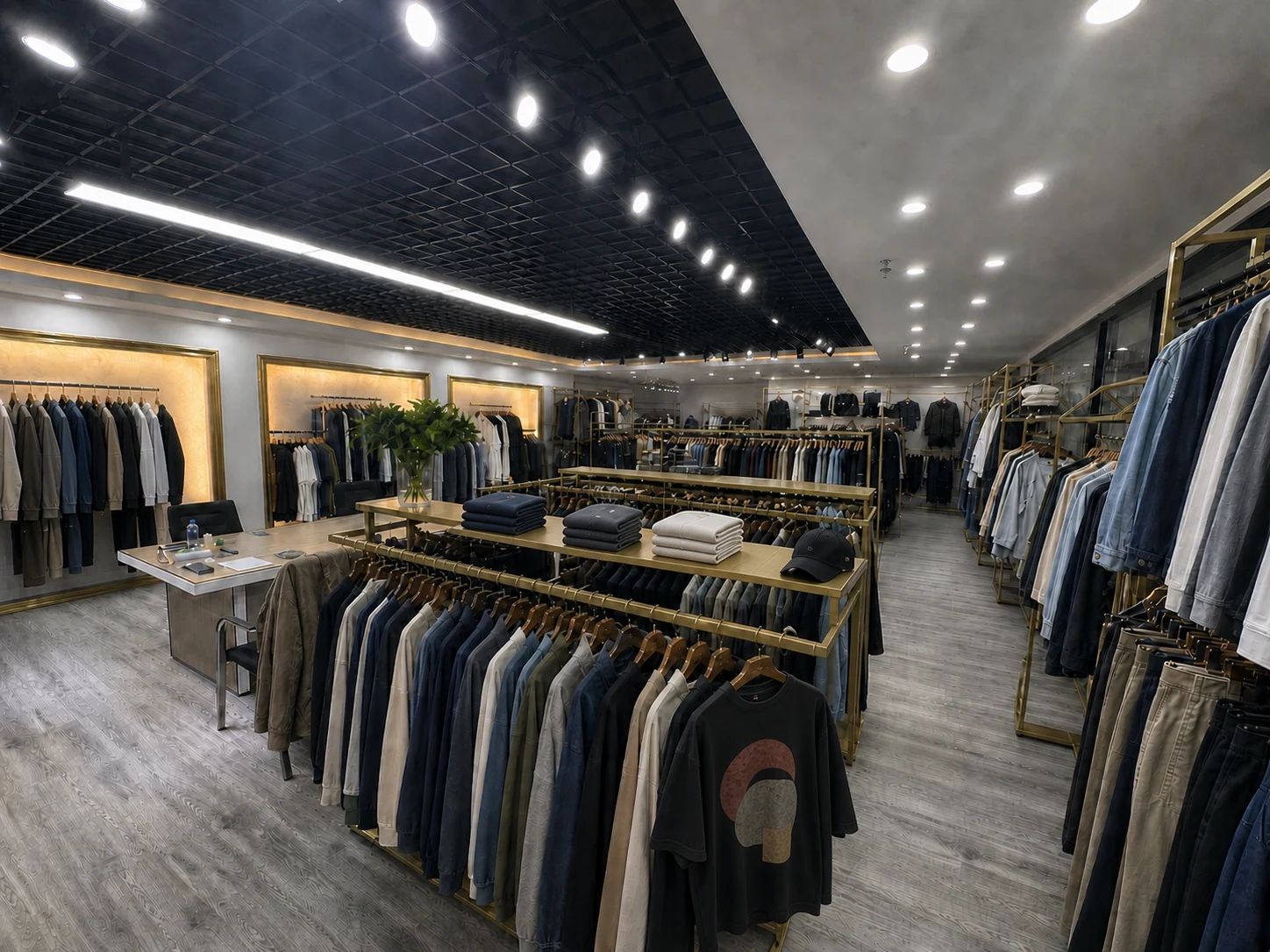
What Is the Difference Between Private Label and Custom Cut-and-Sew Clothing?
The wording is inconsistent across the apparel industry. Some suppliers use private label only for existing garments customized with branding. Others use it for any product manufactured under a client's label, including fully custom garments. That is why the useful question is not simply “private label or cut-and-sew?” It is: What product development and production work is included?
For KAOUYOU projects, private label normally sits on top of a custom manufacturing process: the brand owns the market direction and branding, while KAOUYOU turns the approved product requirements into samples and repeatable bulk production.
Which Private-Label Manufacturing Model Are You Buying?
Before comparing factories, ask each supplier to identify the exact starting point. Two quotations described as “private label” may cover very different levels of product control.
| Model | Starting point | Buyer implication | KAOUYOU position |
|---|---|---|---|
| Ready-made blank decoration | A finished stock garment is relabeled, printed or embroidered. | Fastest and least control over fit, fabric and construction. | Not a KAOUYOU service: KAOUYOU does not hold blank-garment inventory. |
| Customized base pattern | An existing block is changed for fit, measurements, fabric, color or techniques, then sampled again. | More efficient than starting from zero, while still requiring development and approval. | Supported after the style, material and process are reviewed. |
| Full custom cut-and-sew | A new or substantially revised pattern, material specification and construction are developed for the brand. | Highest product control and the most development work. | A core KAOUYOU route for custom menswear and streetwear. |
If a supplier already holds finished garments, the job may mainly concern decoration and labeling. If fabric, pattern, fit and construction must be developed or changed, the project requires sampling and production controls even when the factory calls it “private label.”
Can You Start Private-Label Clothing Without a Tech Pack?
Yes. A complete clothing Tech Pack is the clearest starting point, but it is not the only one. KAOUYOU can assess a physical garment, images, a sketch, a size chart, a material swatch or a written idea. The available inputs determine how much clarification and development work is needed before sampling.
| Client starting point | Factory development task |
|---|---|
| Complete Tech Pack | Review construction, measurements, materials, artwork and packing requirements; list any open points. |
| Physical reference sample | Analyze fit, construction, material direction and techniques, then define which features must be retained or changed. |
| Reference images or sketch | Clarify silhouette, measurements, material, color and technique expectations before pattern development. |
| Size chart or fabric swatch | Use it as one approved input, while confirming all missing product and production information. |
| Product idea only | Translate the concept into a workable brief through active client decisions and factory feasibility review. |
When no Tech Pack exists, KAOUYOU can analyze the structure, recommend material and GSM directions, establish target measurements, make the pattern, organize construction details, review print, embroidery or washing options and prepare production information. The client must still confirm the intended customer, market, fit and critical design requirements. One reference image cannot answer every production decision.
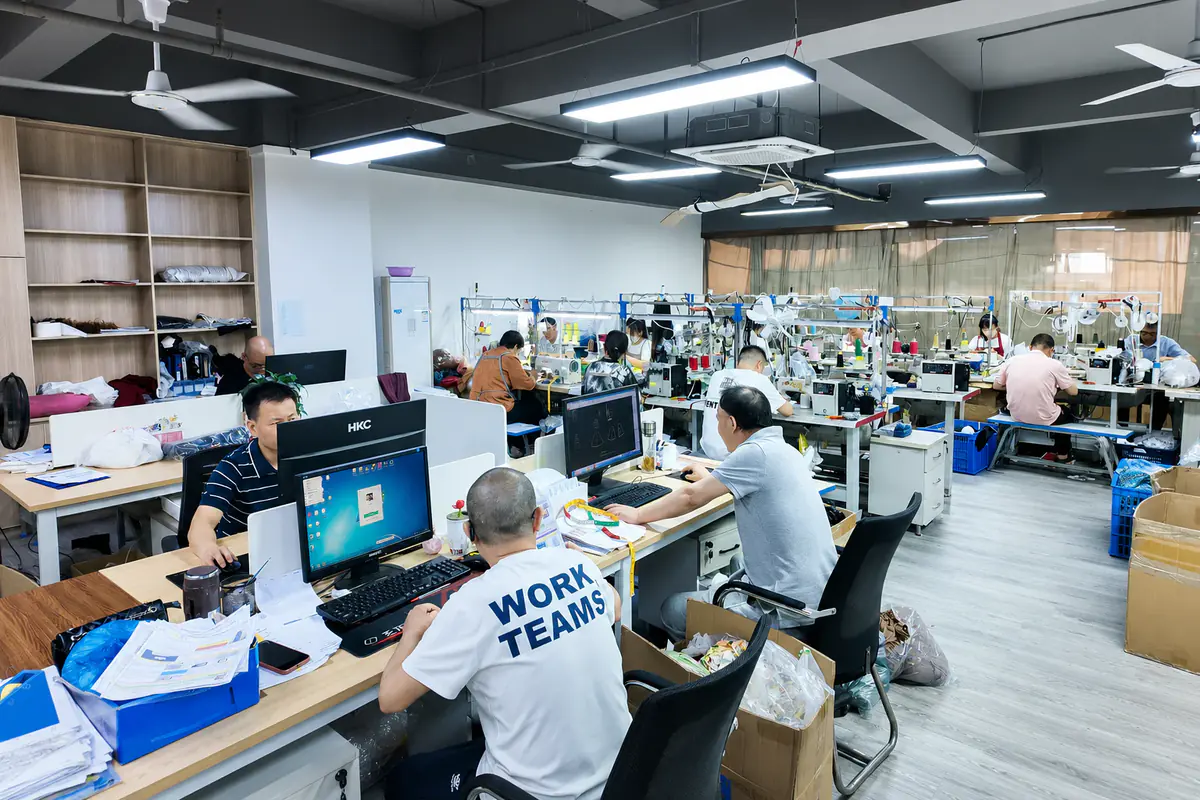
How Does a Private-Label Cut-and-Sew Project Move From Idea to Bulk?
KAOUYOU's normal development sequence is:
- Assess the client information, intended product and manufacturing feasibility.
- Confirm material, technique, quantity and packaging directions before the preliminary quotation.
- Develop or revise the pattern and make the first garment sample.
- Review fit, measurements, construction and visible techniques with the client.
- Revise the pattern or sample where the approved feedback requires it.
- Approve colors, print, embroidery, wash and other relevant technique samples.
- Make a pre-production sample using the final production standard.
- Freeze the approved sample and written production information.
- Purchase bulk fabrics and trims, then cut, sew, decorate, dye or wash as specified.
- Complete individual garment checks, measurement sampling and AQL inspection as agreed.
- Pack, reconcile cartons and shipping records, and hand the order over for delivery.
This is a control sequence, not a fixed universal lead-time promise. Timing changes with construction complexity, revision rounds, custom materials, supplier minimums and specialist processes. The working plan should therefore be confirmed for the actual project.
What should be frozen before bulk production?
| Specification area | Information to confirm |
|---|---|
| Product | Style description, intended market, fit direction and reference priority |
| Pattern and measurements | Base size, points of measure, grade direction, tolerances and critical fit notes |
| Fabric | Composition, construction, target GSM, color, hand feel, finish and performance expectations |
| Construction | Seams, stitch types, panels, pockets, rib, closures, reinforcement and workmanship details |
| Decoration | Print, embroidery, appliqué or wash artwork; dimensions, placement, color and approved effect |
| Branding | Main label, size label, care label, heat-transfer neck mark, hangtag, patch and hardware artwork |
| Packaging | Fold, bag, sticker, barcode, pack ratio, carton mark and shipment requirements |
Which Labels, Trims and Packaging Can a Brand Customize?
Depending on the product and supplier feasibility, a private-label program can include:
- Main, size and care labels
- Hangtags and hangtag attachments
- Printed or heat-transfer neck labels
- Printing, embroidery, appliqué and woven patches
- Zippers, buttons, drawcords, tapes and custom hardware
- Individual bags, SKU labels, barcodes and size stickers
- Carton marks and packing-list information
The client can send finished accessories to KAOUYOU or provide approved vector artwork and specifications for supplier coordination. Useful files include dimensions, material and color requirements, Pantone references, care-label content, barcode or SKU data, packaging dimensions, attachment position and fold direction. A physical sample or electronic artwork approval is normally completed before bulk use.
Label, hangtag and packaging suppliers may require quantities above the garment order. KAOUYOU normally stores remaining client-specific materials for approximately six months so they can be used on a repeat order. A client that wants longer storage, return or transfer should agree the arrangement with the responsible merchandiser in advance.
How Do MOQ, Cost and Lead Time Work for Private-Label Clothing?
KAOUYOU's normal working MOQ is 100 pieces per style per color, with sizes mixed within that color. For example, 100 black hoodies can be divided across S, M, L and XL. Adding a gray color normally means another 100 pieces. Different colors do not normally combine to meet one color's minimum.
This is KAOUYOU's working order structure, not a universal apparel-industry rule. Custom-knitted or custom-dyed fabric, unusual compositions, complex washing, custom hardware and special packaging can have higher supplier or process minimums. Very uneven size ratios and extreme sizes may also change material consumption and unit pricing.
What increases development cost or timing?
- Custom-woven, custom-knitted, custom-dyed or special-composition fabrics;
- Complex patterns, many panels or construction details;
- Multi-color screen printing, large or dense embroidery and special appliqué;
- Garment dyeing, vintage washing and other effect-development work;
- Custom zippers, buttons, metal hardware, tapes, cords or patches;
- Multiple low-volume colorways or complicated packaging;
- Repeated sample, pattern or technique changes.
For the same reason, a private-label sample price should not be multiplied to estimate bulk price. Development and one-off preparation are concentrated in the sample; bulk costing reflects material consumption, production efficiency, confirmed techniques, quantities and packaging. See the detailed sample cost versus bulk cost guide.
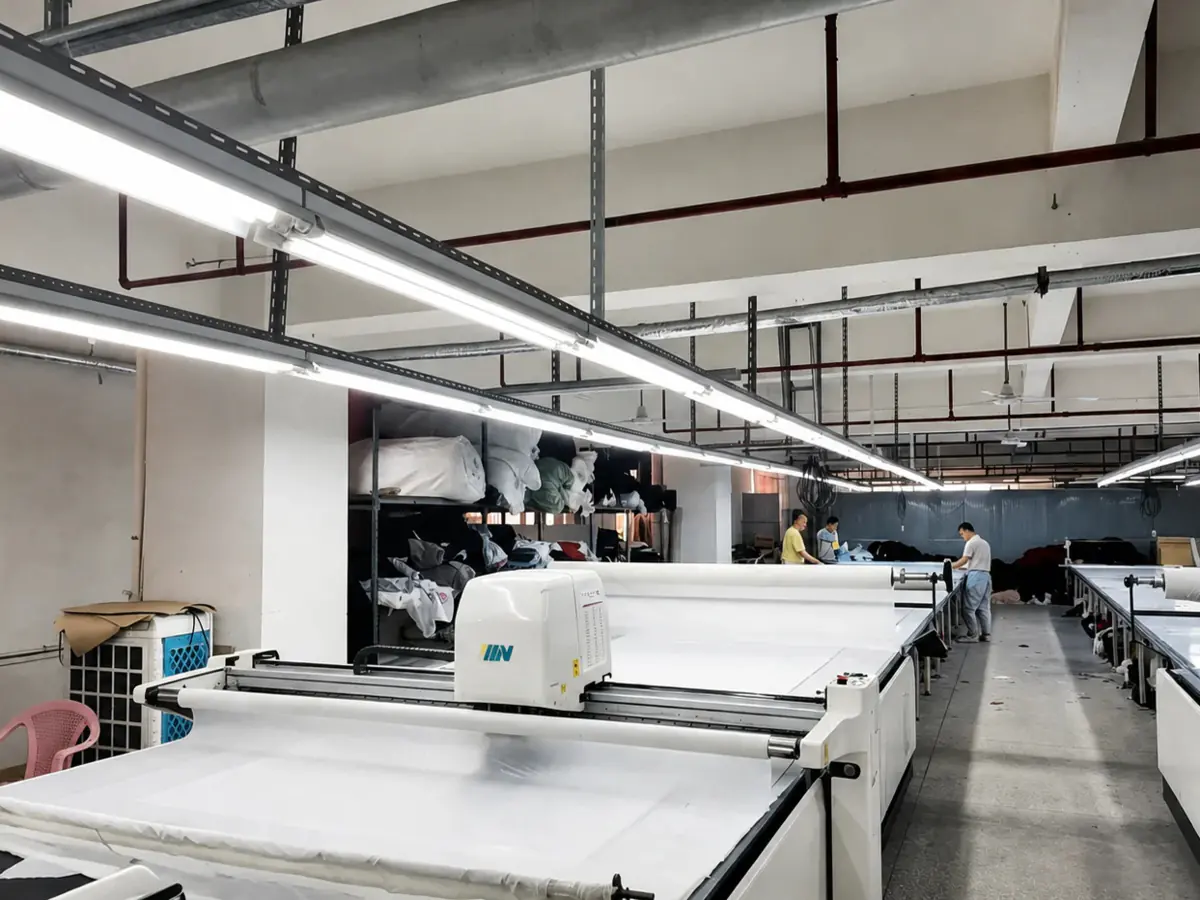
How Does KAOUYOU Control Private-Label Bulk Production?
The reference image is not the final production standard. Before bulk starts, KAOUYOU compares the final Tech Pack, approved PP Sample, fabric and color references, measurement chart and tolerances, decoration or wash approvals, labels, hangtags and packaging information.
| Control gate | What the brand and factory should verify |
|---|---|
| Development sample | Fit, measurements, construction, fabric direction and visible techniques |
| Material and color | Production-intent fabric, shade, hand feel and relevant finish or wash result |
| Technique sample | Artwork size, placement, color, density, hand, wash compatibility and appearance |
| PP Sample | Final production standard covering garment, trims, labels and agreed packaging details |
| Bulk controls | First-piece review, inline checks, measurement sampling, individual appearance inspection and AQL sampling |
During production, controls can include first-piece confirmation, inline review and measurement sampling. Finished garments are checked individually for appearance, sewing, stains, print or embroidery and zipper, button or snap function, followed by agreed sampling inspection before packing. KAOUYOU can also retain an approved or bulk reference sample for production and quality comparison.
Clients may arrange an independent third-party inspection. Depending on the order, KAOUYOU can also provide internal inspection reports, measurement records, defect photos or fabric test reports within the agreed documentation scope.
Who Is Responsible for Design Rights, Labels and Final Approval?
A third-party brand image can communicate fit, fabric or construction direction, but it does not prove that the client has the right to reproduce a trademark, graphic or protected design. KAOUYOU asks clients to confirm lawful use or modification rights, and visibly third-party logos or distinctive protected artwork should be removed, replaced or redesigned.
Client designs, brand names, Tech Packs, order information and product photos are treated as confidential and are not published without permission. KAOUYOU also has experience reviewing and signing client NDAs before project development.
Factory Case: Turning a Washed Embroidered Hoodie Idea Into a Production Standard
In one anonymized KAOUYOU project, the client began with a reference image rather than a complete Tech Pack or production-ready pattern. The intended product was a vintage-washed embroidered hoodie. The critical challenge was not merely making one visually similar sample: the fit, embroidery and wash effect had to be defined so they could be repeated in bulk.
KAOUYOU first clarified the silhouette, fabric direction, distressing level, embroidery dimensions and placement. Pattern and sample development then ran alongside tests for embroidery density, backing and the selected aging process. The garment sample was revised twice, and the embroidery and technique sample were also tested twice. Pattern and local measurements were adjusted while the team balanced the desired embroidery appearance with the wash effect to reduce puckering or deformation around the decorated area.
After the client approved the final garment, the project could move into bulk production using a defined standard. The result illustrates what a private-label cut-and-sew manufacturer contributes: product interpretation, controlled testing and production repeatability—not only labels on a garment.
What Should You Send a Private-Label Clothing Manufacturer?
For a useful feasibility review and quotation, send as much of the following as is available:
- Product category, reference images, sketch, Tech Pack or physical sample;
- Target fit, base-size measurements, intended size range and size ratio;
- Fabric composition, structure, GSM, color, hand feel and finish direction;
- Print, embroidery, wash and special-technique artwork or references;
- Brand-label, hangtag, hardware and packaging requirements;
- Quantity by style, color and size, destination and target schedule;
- Testing, inspection, reporting and third-party requirements;
- A clear list of what must match the reference and what may be adjusted.
Whether you have a complete Tech Pack, a reference sample, a sketch or simply a product idea, KAOUYOU can evaluate the development method, MOQ, sample cost and bulk-production requirements. Send the project details through the KAOUYOU RFQ for a style-specific review.
Frequently Asked Questions
Is private label clothing the same as custom cut-and-sew clothing?
Not exactly. Private label identifies whose brand the product carries, while cut-and-sew describes how the garment is developed and made. A custom cut-and-sew garment can therefore be a private-label product. Because suppliers use the terms differently, confirm whether a quotation covers stock blanks, a modified base pattern or full custom development.
Does KAOUYOU offer ready-made blank garments for relabeling?
No. KAOUYOU does not hold blank-garment inventory and does not focus on orders that only replace a label or add decoration to finished blanks. Its private-label work uses a customized base pattern or a full cut-and-sew development route, followed by sampling and bulk production.
Can I start a private-label project without a Tech Pack?
Yes. KAOUYOU can begin with a physical sample, reference images, a sketch, a size chart, a fabric swatch or a written product idea. The client still needs to make decisions about positioning, fit and key design requirements while KAOUYOU converts the brief into production information.
What is KAOUYOU's private-label clothing MOQ?
KAOUYOU's normal working MOQ is 100 pieces per style per color, with sizes mixed within that color. A second color normally needs its own 100 pieces. Custom fabric, dyeing, washing, hardware or packaging can require a higher quantity after supplier and process review.
Can KAOUYOU make custom labels, hangtags and packaging?
Yes. The client can supply finished items or provide approved artwork and specifications for KAOUYOU to coordinate with suppliers. Special materials and custom packaging may have separate supplier MOQs and charges.
Who is responsible for trademark, artwork and labeling compliance?
The client is responsible for having the legal right to use its trademark, artwork and supplied design content, and for providing correct destination-market label and care information. KAOUYOU is responsible for manufacturing to the approved files, samples and production requirements within the confirmed project scope.
Can a private-label project be covered by an NDA?
Yes. KAOUYOU treats client designs, brand names, Tech Packs, order information and product photos as confidential by default and has experience reviewing and signing client NDA documents before development begins.