Before ordering from a clothing manufacturer, ask questions that turn a sales promise into a controlled order: which specification is final, what the price includes, when production starts, which materials and samples require approval, how quality is checked, what evidence is available before shipment, and what happens when either party changes the plan.
This checklist is for the stage after a brand has shortlisted a supplier and before it releases a bulk deposit or purchase order. If you are still comparing basic capability, start with the guide to choosing a streetwear manufacturer. Here, the goal is narrower: make sure the buyer and factory are committing to the same product, commercial scope, schedule and acceptance standard.
The five answers to secure before ordering
- One final PO, order breakdown, size chart and approved production sample.
- A quotation that states inclusions, exclusions, validity, payment and trade terms.
- A production start condition and schedule that identifies buyer-dependent approvals.
- A written quality and inspection standard supplied before production.
- A change, quantity-tolerance and shipment-release process recorded in writing.
What Should Be Confirmed Before You Pay a Clothing Manufacturer?
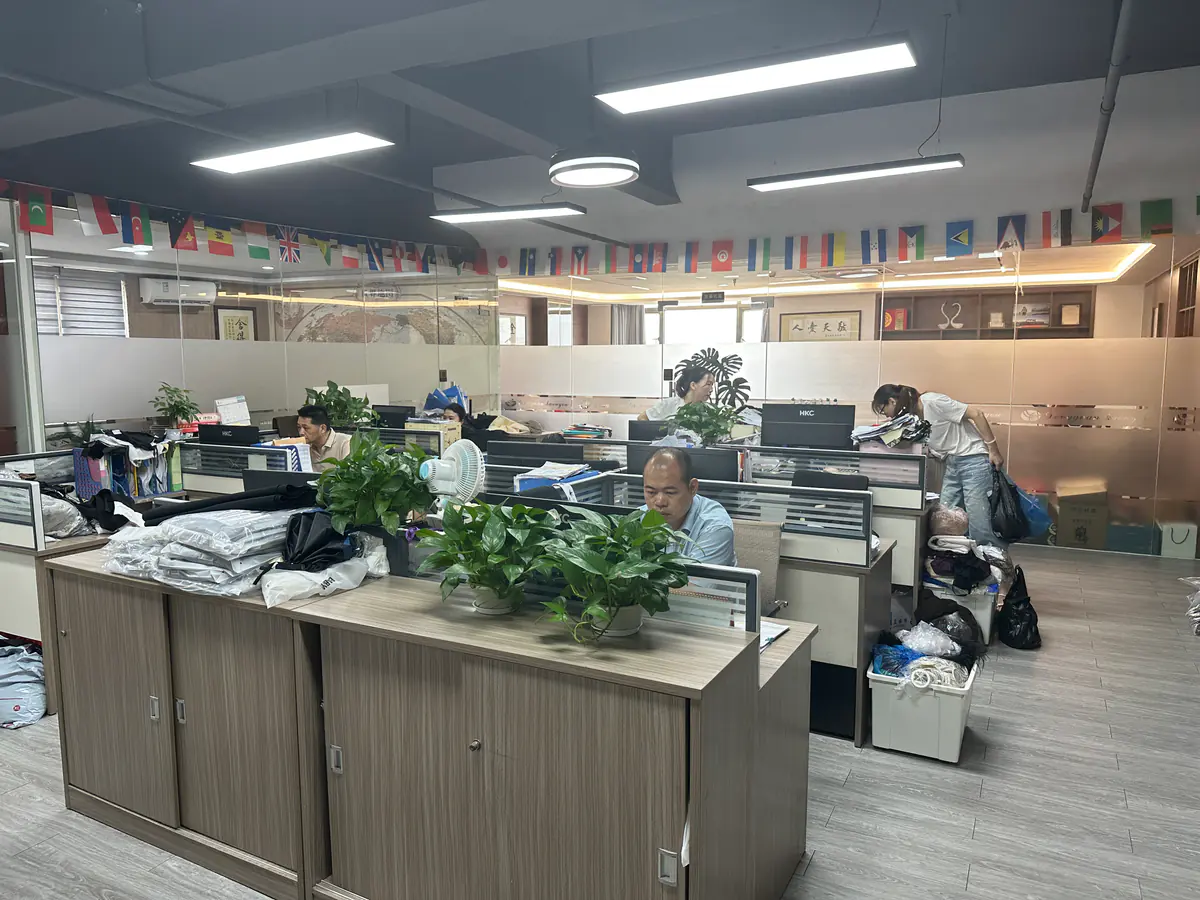
A deposit should release a defined order, not start a search for missing requirements. At KAOUYOU, the key references normally include the client PO, final measurement chart, style-color-size order sheet, client-approved production sample, material and technique requirements, labels, packaging and any special production or inspection instruction. If two documents disagree, the team first confirms which revision controls production.
| Control area | What should be clear before the commitment |
|---|---|
| Commercial scope | Purchase order, proforma invoice, price, payment schedule and named Incoterms® rule |
| Product standard | Final size chart, order breakdown, production sample, fabric, color and workmanship requirements |
| Branding and packing | Labels, hangtags, packaging, barcodes, carton marks and pack ratios |
| Quality plan | Tolerances, appearance criteria, testing, AQL or client manual, reporting and third-party inspection |
| Schedule | Required client approvals, material availability, production start condition and realistic shipment window |
KAOUYOU normally treats receipt of the 50% deposit as the capacity-scheduling and production-start milestone after the commercial and core product requirements are confirmed. If critical files or approvals remain open, the affected work waits and the completion date may move.
Which Questions Define the Product and Price?
| Question to ask | What a useful answer should clarify | Evidence to request |
|---|---|---|
| 1. Which documents form the final production standard? | The factory should identify the controlling PO, size chart, order sheet and approved production sample—and resolve any version conflict before production. | A dated document list or written order summary showing the final revision of each file. |
| 2. What must happen before the order is released to production? | Ask whether price, terms, quantities, sample, measurements, materials, techniques and packaging must be approved, and which event reserves capacity. | The PI or order confirmation with clearly stated production-start conditions. |
| 3. What exactly is included—and excluded—in the unit price? | A comparable quotation should state materials, cutting, sewing, confirmed decoration or wash, labels, normal packing and inspection, plus exclusions such as development, courier, testing, third-party inspection, freight, duty or later changes. | A written cost scope tied to the same specification and quantity breakdown used for the order. |
| 4. How long is the quotation valid, and what can trigger a re-quote? | The answer should cover material prices, exchange-rate movement, quantities, color and size mix, construction, techniques, packaging and supplier conditions. | A quotation date, validity period and written change assumptions. |
KAOUYOU's formal quotations are normally valid for three months. That period does not freeze a different product: material costs, major exchange-rate changes, revised quantities or ratios, new construction, techniques, packaging or supplier conditions can require a fresh calculation. A re-quote should use the latest consumption, inputs and production requirements rather than an unexplained percentage adjustment.
What Should You Ask About Payment, Shipping Terms and Outsourced Processes?
| Question to ask | What a useful answer should clarify | Evidence to request |
|---|---|---|
| 5. What are the deposit, balance and transaction-fee terms? | Confirm the percentage and due event for each payment, accepted payment channels and any bank, platform or transaction fees. | The payment schedule and beneficiary or platform details stated on the PI—not sent only in a chat message. |
| 6. Which Incoterms® rule and named place apply? | EXW, FOB and DDP allocate transport work, cost and risk differently. The three-letter term is incomplete without the named factory, port or destination and the agreed rule version. | For example, EXW plus the named place and Incoterms® 2020, rather than a vague statement that shipping is included or excluded. |
| 7. Who is responsible for specialist processes and final quality? | Ask which work is managed directly and which printing, embroidery, washing, dyeing or special processes use partner facilities. Outsourcing is not automatically a problem; unclear control is. | Technique approvals, production instructions and confirmation of who manages correction or rework. |
| 8. Has the factory checked that the order is feasible before accepting the deposit? | A useful feasibility review covers sourcing, MOQ, pattern and sample consistency, repeatability of special effects, trim timing, packing and the requested delivery date. | A written list of open risks, substitutions or approvals required before the order proceeds. |
KAOUYOU normally accepts T/T bank transfer, Alibaba and PayPal. Alibaba and PayPal payments usually add approximately 2% in platform or transaction fees. Standard bulk terms are 50% deposit and 50% balance after completion and before shipment; established clients may discuss alternatives such as 30/70 case by case. The signed PI controls the actual order.
EXW is KAOUYOU's most common trade term, while FOB and DDP can also be arranged. These terms should not be used as loose synonyms for “shipping included.” Under the ICC Incoterms® 2020 rules, responsibilities differ materially, so record the selected rule, named place and included services in the PI.
What Should You Ask Before Materials and Production Are Released?
| Question to ask | What a useful answer should clarify | Evidence to request |
|---|---|---|
| 9. When does the production lead time actually begin? | Do not count from the first inquiry. Confirm whether the clock begins after deposit, and whether missing samples, colors, labels, artwork, packing data or approvals pause the schedule. | A schedule that identifies buyer-dependent inputs and the date each must be approved. |
| 10. What progress updates can the brand expect? | Agree useful milestones—such as material arrival, cutting, sewing, specialist processing, finished inspection and packing—without assuming daily factory content is included. | An agreed update cadence and the person responsible for consolidating production information. |
| 11. What must be approved before bulk fabric is purchased or processed? | Confirm composition, construction, GSM or thickness, shade, hand feel, stretch and recovery, dye or wash route, shrinkage, skew and any testing requirement. | Approved fabric, lab dip or color reference plus relevant test records for the actual project. |
| 12. If the development sample used substitute fabric, how will production fabric be approved? | The factory should compare weight, stretch, drape, structure, shrinkage, skew, shade and hand, then explain whether a new PP Sample is needed. | A production-intent fabric approval and, when differences can affect fit or technique, an approved PP Sample. |
| 13. What batch variation is acceptable? | Garment dye, pigment dye, denim wash and vintage effects may vary, but normal variation should not replace an agreed standard. Ask how shade, hand and wash effect will be compared with the approved reference. | An approved reference and a written acceptance method for material or wash variation. |
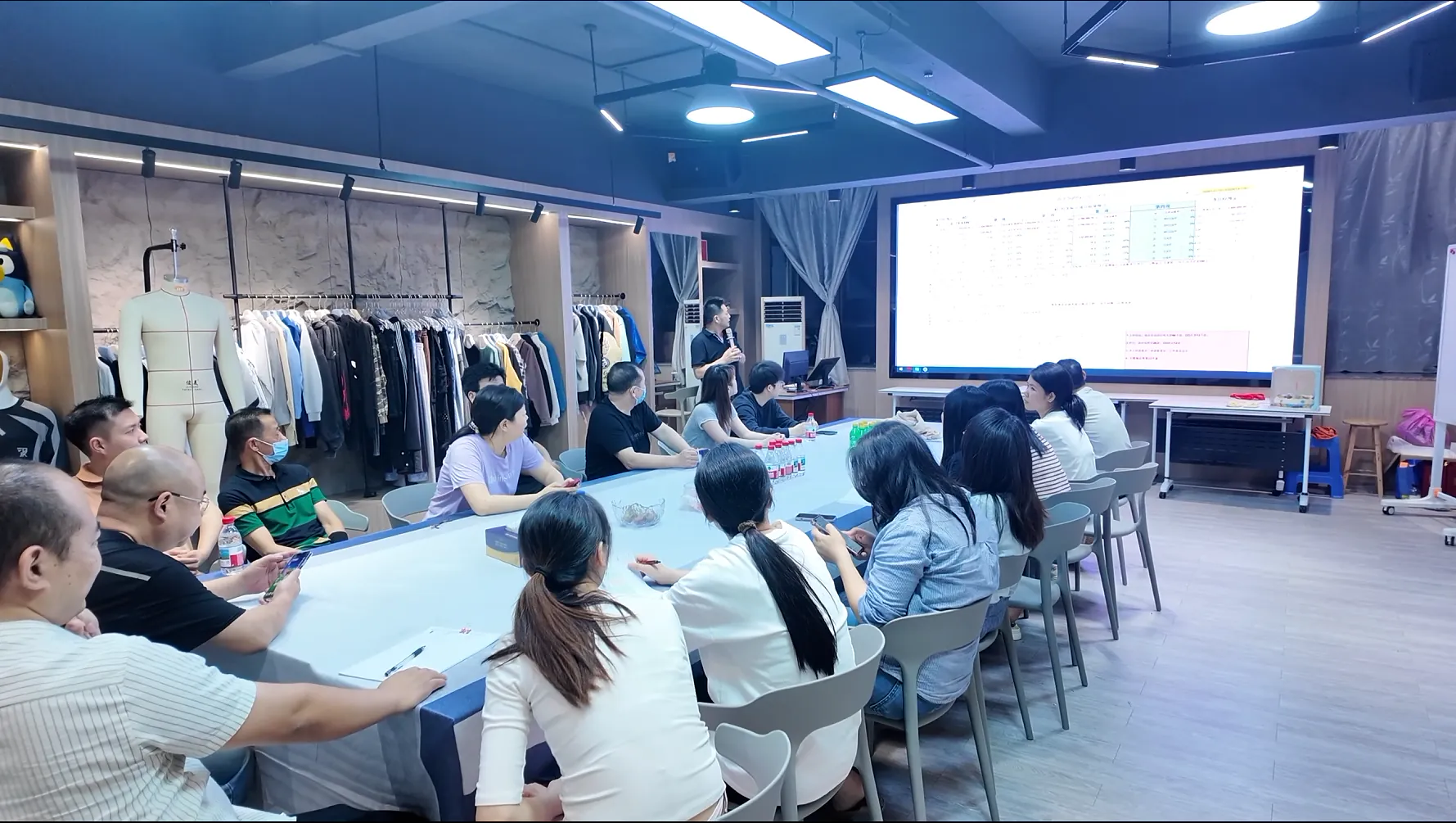
KAOUYOU's normal bulk-production estimate is approximately 20–30 days after deposit, depending on style, quantity, fabric and techniques. This is a project estimate, not a universal promise. It assumes that the production sample and critical information are ready. Late labels, barcodes, size ratios, artwork or packaging can stop the related operation even when sewing is complete.
What Should You Ask About Quality Control and Third-Party Inspection?
| Question to ask | What a useful answer should clarify | Evidence to request |
|---|---|---|
| 14. Which quality requirements must be supplied before production? | The brand should define measurements and tolerances, appearance and sewing criteria, fabric and color requirements, shrinkage, skew, pilling or colorfastness tests, decorations, labels, packing and any client quality manual. | One controlled quality specification delivered before quotation and production—not a stricter standard introduced after completion. |
| 15. How does the approved sample control bulk production? | Ask how the factory connects the production sample and final files to first-piece review, inline checks, measurement sampling, finished-garment inspection and packing approval. | The approved reference set and an inspection plan that names the applicable client or order standard. |
| 16. Can the buyer receive internal inspection evidence? | Clarify which reports, measurements, photos, videos, packing evidence or fabric test reports are available and whether they are routine or order-specific. | A sample report format or a written deliverables list, with confidential client information removed where necessary. |
| 17. How should an independent inspection be booked? | Ask how many working days are needed, what completion or packing level the inspector requires, what documents must be ready and who pays cancellation, waiting or reinspection fees when plans change. | A confirmed inspection date, readiness status, packing list, Tech Pack, size chart and approved reference. |
KAOUYOU's QC team can work to an agreed AQL sampling standard alongside client inspection requirements, but the client's quality manual, limits or third-party protocol should be provided before quotation and production. Review the detailed guide to AQL inspection for clothing brands for the distinction between individual garment checking and lot-acceptance sampling.
What Should Be Verified Before Final Payment and Shipment?
| Question to ask | What a useful answer should clarify | Evidence to request |
|---|---|---|
| 18. Which packing and shipment data have a final cut-off? | Confirm labels, care content, barcodes, SKU stickers, fold, bag, pack ratio, carton marks and shipping instructions early enough to avoid finished goods waiting for missing data. | Approved artwork and a master packing instruction matched to the PO and order breakdown. |
| 19. What evidence is available before final payment or shipment release? | Possible evidence includes internal inspection, measurement records, bulk photos or video, packing photos, packing list, carton marks, weights, fabric tests and third-party reports when arranged. | A pre-shipment document pack agreed before ordering; factory evidence does not replace independent inspection or laboratory testing that the buyer specifically requires. |
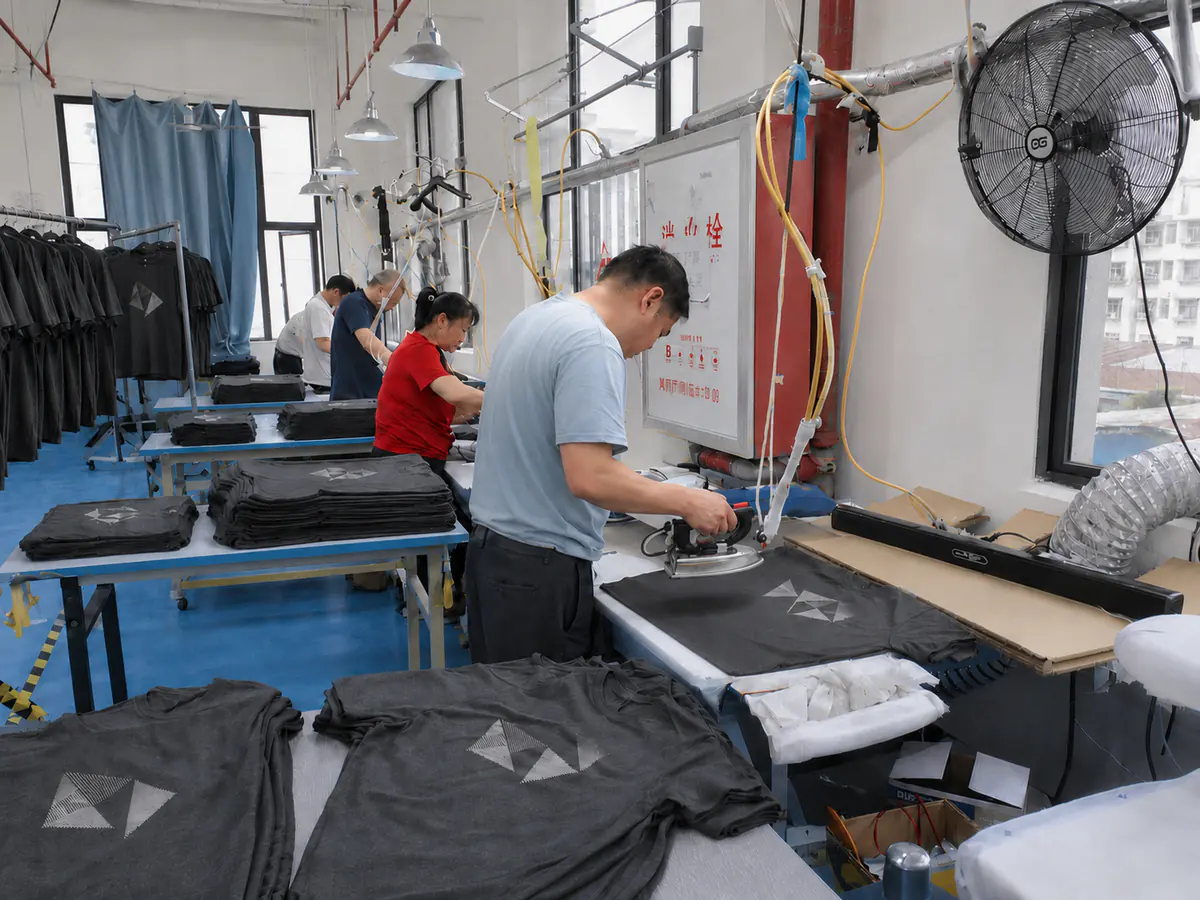
KAOUYOU can provide order-specific internal inspection reports, measurement records, bulk photos or video, packing photos, packing lists, carton-mark images, carton count and weight information, fabric test reports, and third-party inspection reports when the client arranged them. The exact pre-shipment pack should be agreed before ordering; it should not be assumed that every document is automatically included for every project.
Packaging itself should follow one approved instruction. The apparel packaging checklist covers folds, bags, barcodes, pack ratios, carton marks and packing-list reconciliation in more detail.
What Happens If the Brand Changes the Order After Approval?
| Question to ask | What a useful answer should clarify | Evidence to request |
|---|---|---|
| 20. How will post-approval changes, shortages or overages be handled? | Ask who pays when the brand changes material, pattern, artwork, quantity or packing after commitments are made, and whether production may deliver within an agreed quantity tolerance. | A written change approval showing cost and schedule impact, plus any permitted under- or over-shipment percentage. |
Before material purchase or production begins, a change that causes no loss may be relatively simple. Once fabric, trims, screens, embroidery files or production work have been committed, the factory must assess sunk material and labor, resampling, new pricing and schedule impact. The brand normally bears additional cost created by a brand-requested change; factory-caused errors remain the factory's responsibility within the confirmed scope.
KAOUYOU normally plans to the ordered quantity, while actual shipment may be approximately ±5% because of fabric faults, printing, embroidery or wash loss, and units removed during QC. This is KAOUYOU's normal working tolerance, not an industry rule for every contract. A brand that requires exact quantity or cannot accept over-shipment should state this before production so extra input and cost can be planned.
Factory Case: A Late Fabric Change Without Wasting the Original Material
In one anonymized KAOUYOU order, the client had approved the final sample and placed the bulk order, then requested a different fabric. The original bulk fabric had already been purchased. Simply abandoning it would have created a significant material loss.
KAOUYOU paused cutting and reviewed the purchased quantity, colors and suitable product categories with the client. Instead of treating the material as waste, the client redesigned a group of styles that could use it. The original order continued using the newly confirmed fabric, price and revised schedule, while the first material was consumed through the new product order.
No material was ultimately discarded, but the case does not mean late changes are free. It shows why fabric, color and primary techniques should be approved before the deposit authorizes purchasing. Once commitments exist, a factory may help find a practical solution, but the cost of materials and completed processing does not disappear automatically.
A Short Buyer Checklist Before Releasing the Order
- Match the PO, order sheet, measurement chart and approved production sample.
- Confirm quotation validity, inclusions, exclusions, payment channel and transaction fees.
- Write the named Incoterms® rule and place into the PI.
- Close material, color, technique, branding and packaging approvals.
- State the production-start condition and every buyer-dependent schedule input.
- Provide the quality manual, tolerances, tests and inspection requirements before production.
- Agree update milestones, pre-shipment evidence and third-party inspection timing.
- Record the change process and permitted quantity tolerance.
Send KAOUYOU your product files, quantity breakdown, target market, material and technique requirements, packing instructions and delivery destination. The team can identify missing decisions, review feasibility and prepare an order-specific quotation through the KAOUYOU RFQ.
Frequently Asked Questions
What is the most important question to ask a clothing manufacturer before ordering?
Ask which exact files and physical sample will control bulk production. Price, timing and quality promises are difficult to apply when the PO, size chart, order breakdown and approved sample do not identify one final production standard.
Should I pay a clothing manufacturer before approving a sample?
Separate development payments from bulk-production release. Before a bulk deposit commits materials or capacity, confirm the product standard, remaining approvals, change responsibility and what the deposit authorizes the factory to purchase or begin.
What are KAOUYOU's normal bulk payment terms?
KAOUYOU's normal terms are 50% deposit after order confirmation and 50% balance after bulk completion and before shipment. T/T, Alibaba and PayPal are supported; Alibaba and PayPal normally add approximately 2% in transaction fees. Established clients may discuss other terms case by case, and the PI remains the controlling commercial document.
How long is a KAOUYOU clothing quotation valid?
A formal KAOUYOU quotation is normally valid for three months. Material or trim price changes, major exchange-rate movement, revised quantities or size ratios, and changes to material, construction, technique or packing can still require recalculation within that period.
When does KAOUYOU start counting bulk production lead time?
KAOUYOU normally starts scheduling from receipt of the deposit. A typical bulk window is approximately 20–30 days, but it depends on the style, quantity, material and techniques, and assumes the production sample and all critical information are confirmed. Buyer-delayed approvals can move the completion date.
Does KAOUYOU allow an order quantity tolerance?
KAOUYOU normally plans to the ordered quantity, but final delivery may vary by approximately plus or minus 5% because of material faults, process loss and units rejected during quality control. A brand that requires exact quantities or cannot accept over-shipment should state this before production so the factory can adjust the production plan and cost.
Can a brand arrange third-party inspection before shipment?
Yes. The buyer should book several working days in advance, confirm the required completion and packing level with the inspection company, and coordinate the date with KAOUYOU. Cancellation, waiting or reinspection charges are normally assigned to the responsible party under the order arrangement.