Low MOQ is often treated as a single number. In full custom clothing manufacturing, it is better understood as a production structure: the minimum quantity for a defined style and color, using an agreed fabric, construction, size range and decoration process.
That distinction matters. A supplier offering ten decorated blanks and a factory developing a garment from pattern, fabric and construction are not quoting the same service. The useful question is not only “How low is the MOQ?” but also “What production work is included at that quantity?”
Key takeaways
- KAOUYOU’s standard MOQ is 100 pieces per style and color.
- Sizes can normally be mixed within that run, commonly across three to five sizes such as XS–XL.
- One hundred pieces cannot be divided across different styles or colors as if they were one production unit.
- Available fabrics are usually more practical at this volume than developing a proprietary textile.
What Does “100 Pieces per Style and Color” Mean?
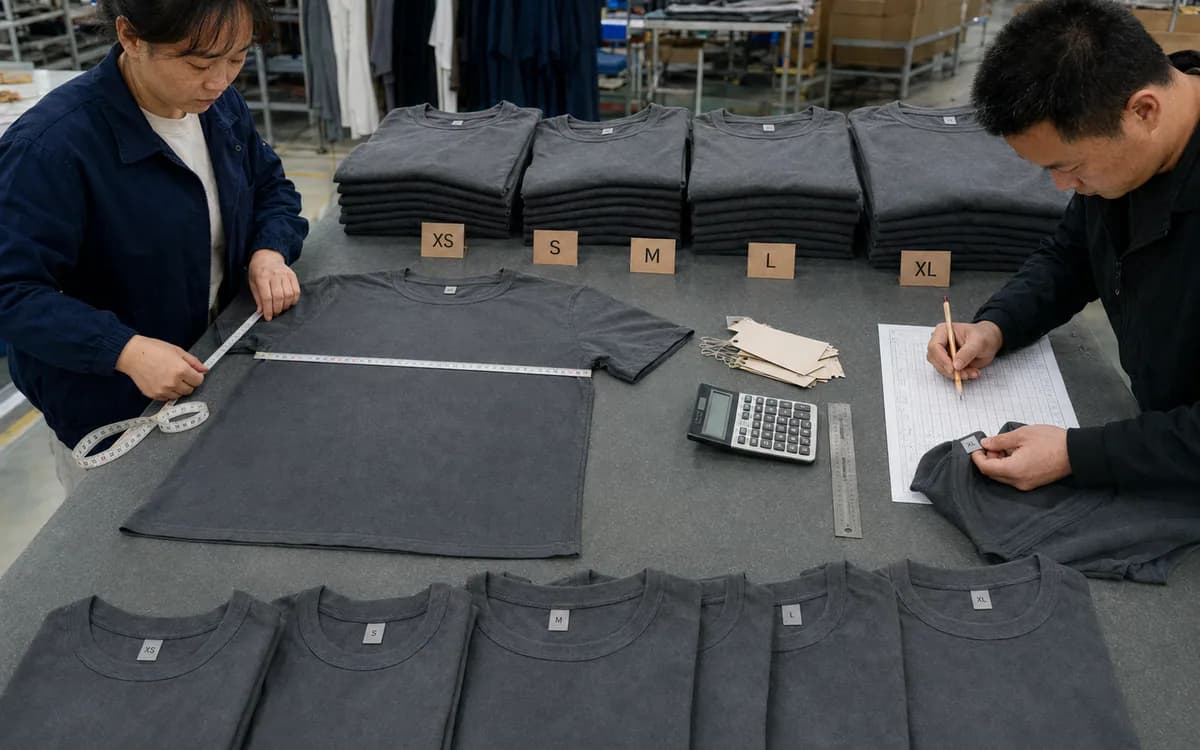
For KAOUYOU, the standard starting point is 100 finished garments for each style and each color. Within that style-and-color quantity, a brand can normally divide units across several sizes. A common run may cover XS, S, M, L and XL; a narrower three- or four-size range is also normal.
The phrase style and color is important because changing either one creates a new production path. A black T-shirt and a white T-shirt may share a pattern, but they require separate fabric allocation, cutting identification, thread and trim control, decoration setup and packing records. A T-shirt and a hoodie are different styles even when they carry the same artwork.
A total of 100 pieces split between T-shirts, hoodies and pants does not meet a 100-piece MOQ per style and color. Defining the quantity precisely prevents a quotation from hiding several tiny production lots inside one headline number.
Why 10–30 Pieces Usually Is Not Full Custom Factory Production
Search results for low-MOQ clothing can make two different supply models look identical. One model buys ready-made blank garments and adds a logo with printing or embroidery. The other develops and manufactures the garment itself: pattern, fit, fabric, construction, trims, labels, decoration, finishing and packing.
Decorating blanks can be useful for prototypes, events or very small merchandise runs. It is not the same as controlling the silhouette, fabric specification and construction of a fully custom product. Before comparing suppliers, confirm whether the quotation covers an existing blank, a private-label stock style or a garment developed through a full OEM or ODM process.
For a 10–30-piece custom run, pattern development, marker preparation, machine setup, cutting organization, sewing instructions, technique setup and quality documentation still have to happen. These tasks cannot shrink in the same proportion as the garment count.
Ask whether a quoted low MOQ applies to blanks, a stock pattern or full custom development. The number is comparable only when the manufacturing model and specification are the same.
Why 100 and 1,000 Pieces Share Many Setup Costs
Garment cost does not fall in a straight line as quantity rises. Some cost elements respond directly to volume; others are fixed or semi-fixed for every style-and-color run.
Pattern preparation, sample review, marker planning, cutting setup, line instructions, print or embroidery setup, trim coordination and production records still exist at 100 pieces. At 1,000 pieces, those activities are spread over more garments. Materials and sewing may also become more efficient because the production run is longer and purchasing volume is greater.
| Cost area | At lower quantity | Why unit cost changes |
|---|---|---|
| Pattern and development | Core preparation still applies to the style. | The same work is allocated across fewer units. |
| Fabric | Small lots have fewer sourcing and price advantages. | Larger purchases may improve material price and utilization. |
| Cutting | Marker, spreading and bundle control still require setup. | Longer lays distribute setup labor more efficiently. |
| Sewing | Line instruction and changeover remain necessary. | Longer stable runs can improve production efficiency. |
| Decoration | Screens, programs, frames or tests may carry setup cost. | Setup is divided across more decorated garments. |
| Quality and packing | Checks and records still apply to the order. | Some work scales by unit; some remains order-level. |
What Can Be Customized, and When Does Fabric Become the Constraint?
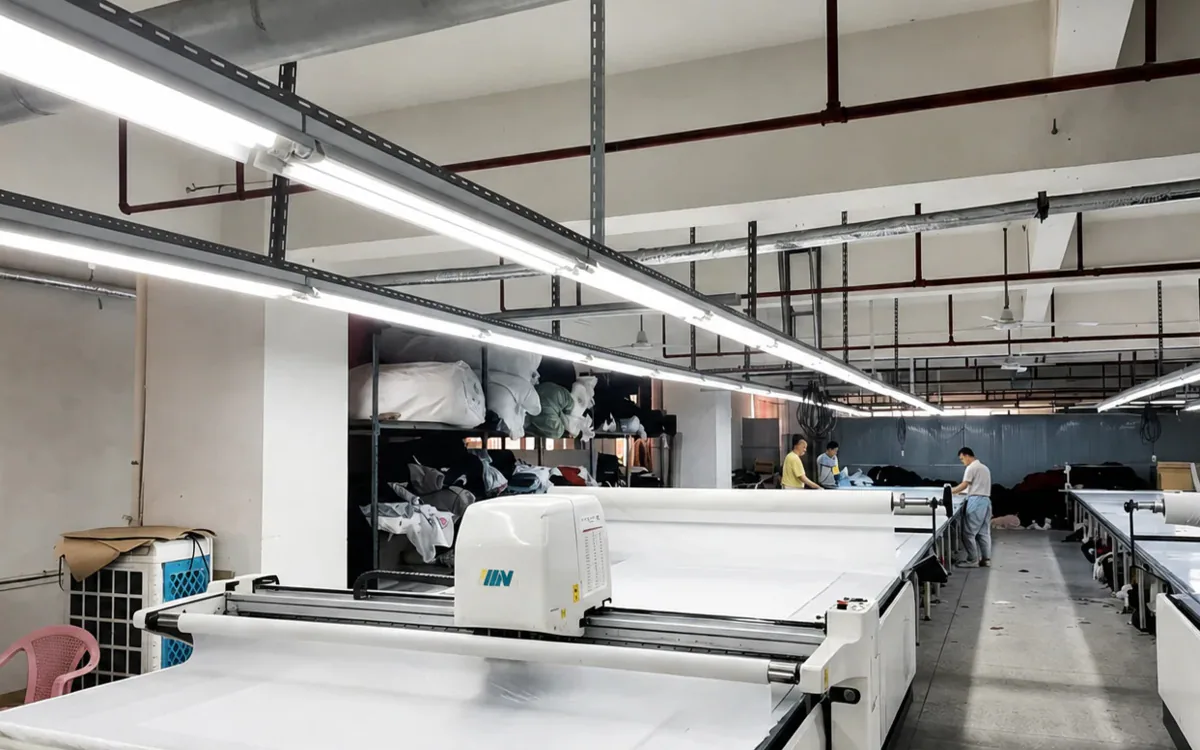
At KAOUYOU’s standard 100-piece MOQ, most garment details can be developed when the material route is feasible. Depending on the product, the brief may cover:
- Pattern, fit and size grading
- Construction details, seams, pockets, ribs, cuffs and hems
- Available fabric compositions, finished weights, colors and finishes
- Screen printing, digital printing, embroidery, appliqué and other decoration
- Labels, care information, hangtags and packaging
- Garment washing or finishing where the product and process are suitable
The main limitation is usually custom fabric development. A garment order and a textile-mill order operate at different scales. Producing a proprietary knit, weave, yarn, color or finish can require a mill minimum measured in thousands of metres. One hundred garments normally cannot consume that quantity.
Available or stock-supported fabric
An available fabric can reduce the material commitment and sourcing time. The brand still needs to approve composition, finished GSM, hand feel, color, shrinkage behavior and suitability for the intended decoration or wash. Review the actual material direction rather than accepting a generic word such as “premium.”
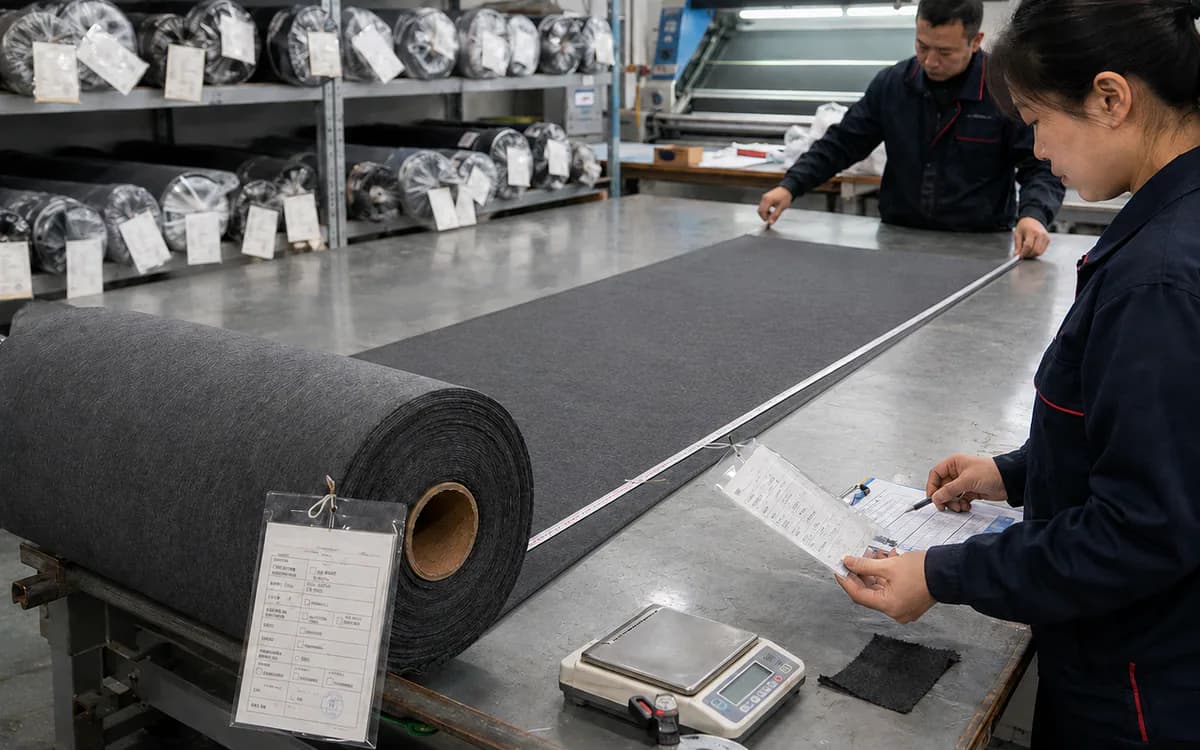
Buying by the full roll
Factories and fabric suppliers can often handle material more efficiently when a brand buys complete rolls instead of requesting a small cut. Under common KAOUYOU production conditions, one T-shirt fabric roll may yield roughly 60–80 garments, while a heavier sweatshirt-fleece roll may yield around 20 hoodies.
These are planning examples, not universal conversion rates. Actual yield changes with roll length and width, fabric GSM, garment size mix, pattern efficiency, shrinkage allowance and cutting loss. The factory must calculate consumption from the approved pattern and material.
Custom-made fabric
A proprietary fabric may require thousands of metres and a longer development cycle. If that material is commercially important, plan how the balance will be used: additional units, a repeat order or related products that genuinely suit the same textile. This decision should be made before sampling, not after surplus fabric has already been produced.
How Emerging Brands Should Plan a First Collection
A first order should test a product hypothesis, but it should also establish a recognizable direction. Releasing disconnected items one at a time can create repeated development costs without building a coherent range.
- Choose the product roles. Decide which item leads the collection and which garments support it.
- Create one design language through a considered graphic system, embroidery direction, color story or trim program.
- Limit unnecessary variables. Every extra color, fabric and technique creates another sourcing and approval path.
- Budget each MOQ honestly: 100 pieces for every intended style and color, not 100 pieces divided across the entire range.
- Coordinate compatible materials where technically appropriate so related products can use full rolls efficiently.
- Approve fit, material, construction and decoration on the production-intent sample before bulk production.
If a brand can support only one 100-piece production unit, a well-developed hero product is more credible than pretending to launch a multi-category collection. If the budget supports several style-and-color minimums, a T-shirt, hoodie and trouser can form a stronger capsule when each product has a clear role and shared visual logic. Explore the relevant manufacturing considerations for custom T-shirts and hoodies and sweatshirtsbefore finalizing the range.
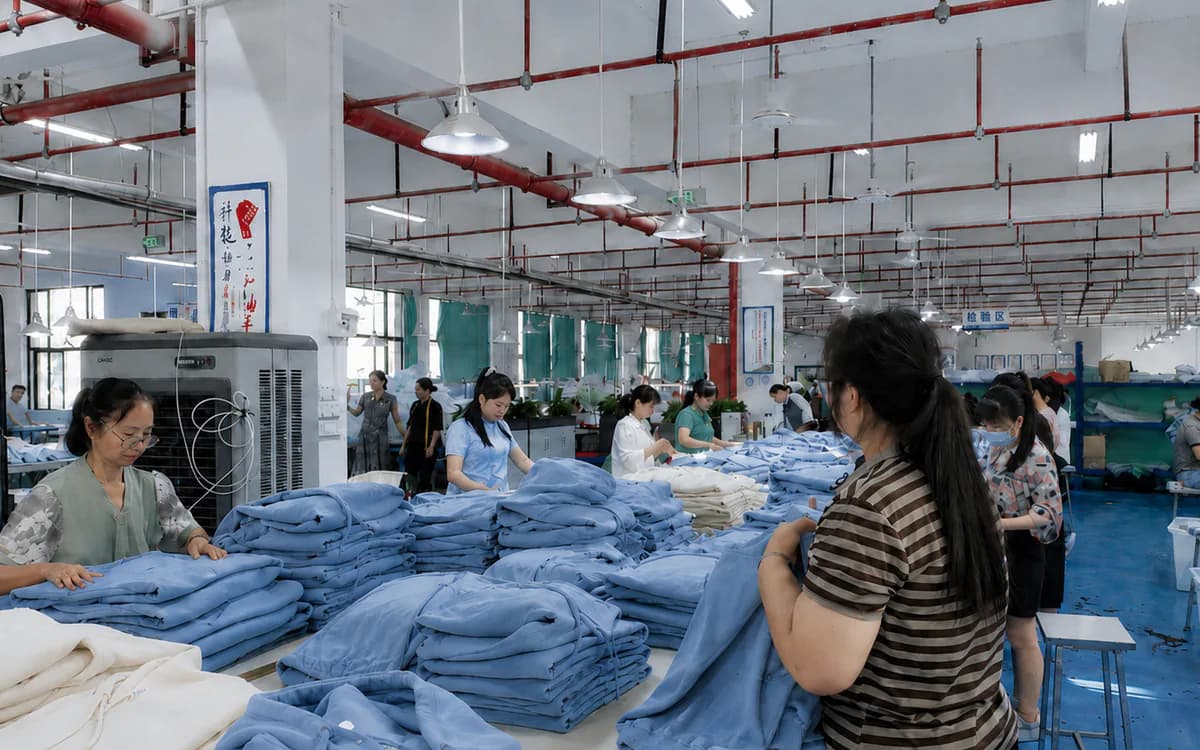
Low MOQ reduces inventory exposure. It does not remove the need for product direction, development work or adequate working capital.
Information to Prepare Before Requesting a Quotation
A factory cannot confirm feasibility from quantity alone. Provide enough information to identify the real production unit and material route.
- Product category and number of styles
- Quantity for each style and color
- Size range and proposed size breakdown
- Sketches, reference garments, tech pack or measurement direction
- Target fabric composition, finished GSM, hand feel and color
- Printing, embroidery, washing or other techniques
- Labels, trims and packaging
- Target sample date, launch date and delivery destination
- Whether an available fabric is acceptable or custom textile development is essential
If the specification is still developing, state which decisions are open. A structured product development and sampling processcan identify what must be confirmed before quotation and what can be resolved through samples.
Questions to ask any low-MOQ clothing manufacturer
- Is the MOQ per order, per style, per color or per fabric?
- Can sizes be mixed, and is there a minimum per size?
- Does the quotation use an existing blank, a stock pattern or full custom development?
- Which fabric is available at this quantity, and what must be custom ordered?
- Are full-roll purchases required, and how will unused material be handled?
- Which setup, sampling, label, decoration, testing and packing costs are included?
- What sample becomes the approved production reference?
- How are measurements, workmanship and technique placement checked in bulk?
- When does production timing begin: deposit, material approval or final specification confirmation?
These questions also support a broader manufacturer comparison process: align the specification first, then compare price, evidence and production control.
Frequently Asked Questions
What is KAOUYOU’s minimum order quantity?
KAOUYOU’s standard MOQ is 100 pieces per style and color. The final quotation depends on the confirmed fabric, construction, techniques, labels, packaging and size breakdown.
Can I mix sizes within 100 pieces?
Yes. Sizes can normally be mixed within one style-and-color run. XS to XL, or another three-to-five-size range, is common. Confirm the size breakdown before material consumption and production planning are finalized.
Can I divide 100 pieces across several styles or colors?
No. One hundred pieces applies to each style and color. Different styles or colors create separate production lots and must be planned separately.
Can a factory make 10–30 fully custom garments?
A blank-decoration supplier may handle quantities in that range, but full custom manufacturing still requires pattern, material, cutting, sewing, setup and quality work. KAOUYOU’s standard full-production MOQ is 100 pieces per style and color.
Can I develop custom fabric for 100 garments?
Usually not economically. Custom textile production can require thousands of metres and additional development time. At 100 garments, an approved available fabric is normally the more practical route; exact feasibility depends on the fabric specification.
Why is the unit price higher at low MOQ?
Many pattern, cutting, setup, coordination and quality tasks still apply even when the unit count is low. Those costs are distributed across fewer garments, and small material or sewing runs receive fewer volume efficiencies.
How long do sampling and bulk production take?
Typical KAOUYOU sample development takes 7–12 days. Bulk production typically takes 20–25 days after product specifications, materials and order details are confirmed. Complex materials, techniques, revisions or approval delays can affect the schedule.